Tiếng Việt
 日本語
日本語
Medical wearables sit at the intersection of healthcare, electronics, sensors, connectivity, and compact product design. Unlike a conventional consumer electronic device, a wearable medical product may need to operate continuously while being exposed to movement, moisture, body heat, repeated charging, and long periods of use. That makes manufacturing capability a critical part of product success. A capable medical wearable device manufacturer needs more than an SMT line. The manufacturing partner must be able to control miniaturized electronics, sensor integration, battery-related systems, testing, traceability, quality processes, and production scalability. For U.S. MedTech OEMs, the right question is therefore not simply “Can this factory assemble my PCB?” It is:
Can this manufacturer consistently build a compact, reliable, traceable medical wearable at the required quality and production volume?
This guide explains the 10 critical manufacturing requirements OEMs should evaluate before moving a wearable medical device into production.
What Is a Medical Wearable Device Manufacturer?
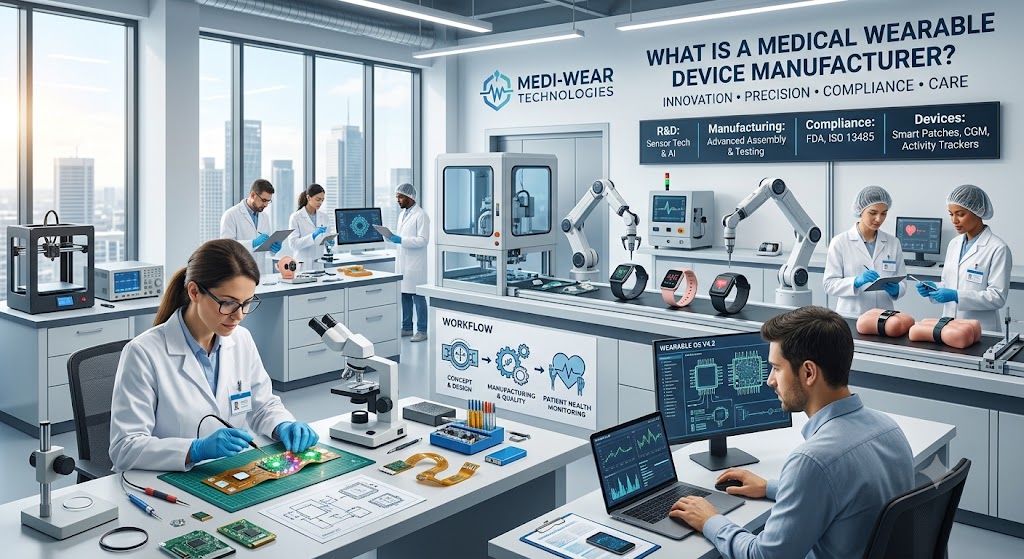
A medical wearable device manufacturer produces or assembles electronic products designed to be worn on the body for healthcare-related applications.
Depending on the product, a wearable may incorporate:
- Sensors
- PCBs and PCBAs
- Microcontrollers
- Wireless communication modules
- Battery and power-management circuits
- Displays or indicators
- Flexible components
- Enclosures
- Connectors
- Embedded electronics
The FDA describes digital health technologies as including computing platforms, connectivity, software, and sensors used for healthcare-related applications. It also notes that some wearable technologies may qualify as medical devices while others may fall outside the medical-device definition.
That distinction matters because manufacturing requirements depend heavily on the device’s intended use, classification, regulatory pathway, and risk profile.
What Makes Medical Wearables Different From Standard Consumer Wearables?
A smartwatch designed primarily for lifestyle tracking and a wearable intended to support a medical function may look similar, but their manufacturing requirements can be very different.
| Factor | Consumer Wearable | Medical Wearable |
|---|---|---|
| Miniaturization | Important | Often critical |
| Sensor performance | Important | May be critical to device function |
| Traceability | Product-dependent | Typically more important |
| Quality documentation | Varies | More rigorous depending on product |
| Reliability | Important | Often a high-priority requirement |
| Regulatory considerations | Product-specific | May be significantly more demanding |
| Production validation | Varies | Often requires greater control |
This is why OEMs should evaluate a manufacturer based on product-specific capabilities, rather than simply looking at its general electronics assembly capacity.
10 Critical Requirements for Medical Wearable Device Production
1. Miniaturized PCB and PCBA Manufacturing Capability
Size and weight are often among the first constraints in wearable design.
A wearable may need to fit inside a small enclosure while accommodating sensors, processors, communication modules, battery circuitry, and connectors. That creates greater demands on PCB layout and assembly.
A suitable manufacturer should be able to handle:
- Fine-pitch components
- Small passive components
- High-density PCB layouts
- Tight placement requirements
- Compact board designs
- Complex SMT assemblies
- Rework and inspection of small components
For OEMs, useful questions include:
- What is the manufacturer’s minimum component size?
- What PCB dimensions and thicknesses can it process?
- What placement accuracy is available?
- How are fine-pitch components inspected?
- What SPI and AOI capabilities are available?
For a deeper look at the electronics manufacturing side, see SHDC’s guide to medical device PCB assembly.
Why this matters
A manufacturer may technically support SMT but still lack the process capability needed for a highly miniaturized wearable. OEMs should therefore evaluate actual component and process capability, not just the presence of an SMT production line.
2. Low-Power Electronics and Battery Management
Medical wearables often need to deliver continuous or frequent monitoring while operating from a relatively compact battery.
This makes power management part of the manufacturing equation.
Depending on the product, the manufacturing partner may need to support electronics involving:
- Battery charging
- Power management
- Voltage regulation
- Battery protection
- Low-power components
- Power integrity
- Thermal considerations
- Battery connections
Manufacturing controls should also address potential assembly problems around battery connections, solder joints, connectors, and other power-related components.
What should OEMs verify?
Ask whether the manufacturer can support:
- Battery-powered electronic assemblies
- Functional testing of power circuits
- Charging and power-related test procedures
- Controlled assembly of battery connections
- Product-specific test fixtures
A good manufacturer does not need to design the wearable’s power architecture for the OEM. But it should be able to manufacture and test the resulting electronics consistently.
3. Sensor Integration and Signal Integrity
Sensors are often the core value of a medical wearable.
Depending on the application, a device may use optical, temperature, motion, pressure, or other sensing technologies. The quality of the final product depends not only on the sensor itself, but also on how the sensor is integrated into the electronics and mechanical assembly.
Manufacturing can affect:
- Sensor positioning
- Mechanical tolerances
- Electrical connections
- Signal integrity
- Noise
- Calibration
- Functional performance
What should a manufacturer demonstrate?
OEMs should evaluate whether the manufacturer can control:
- Sensor placement
- Component mounting
- Assembly tolerances
- Electrical testing
- Calibration procedures where applicable
- Functional verification
This is especially important when the wearable’s output depends on consistent measurements.
4. Wireless Connectivity and Embedded Electronics
Connected medical wearables may communicate with smartphones, gateways, cloud platforms, or other healthcare systems.
Common wireless technologies can include:
- Bluetooth/BLE
- Wi-Fi
- Cellular connectivity
- NFC
- Other RF technologies
The FDA specifically recognizes wireless medical devices as products using RF communication such as Wi-Fi, Bluetooth, or cellular technology to support healthcare delivery, including remote monitoring and data transfer.
From a manufacturing perspective, the important considerations include:
- RF module placement
- Antenna integration
- Connector quality
- Shielding where required
- Functional connectivity testing
- Consistent assembly
The manufacturer does not necessarily need to own the product’s wireless design. However, it should understand the assembly controls that can affect wireless performance.
5. Medical-Grade Materials and Mechanical Integration
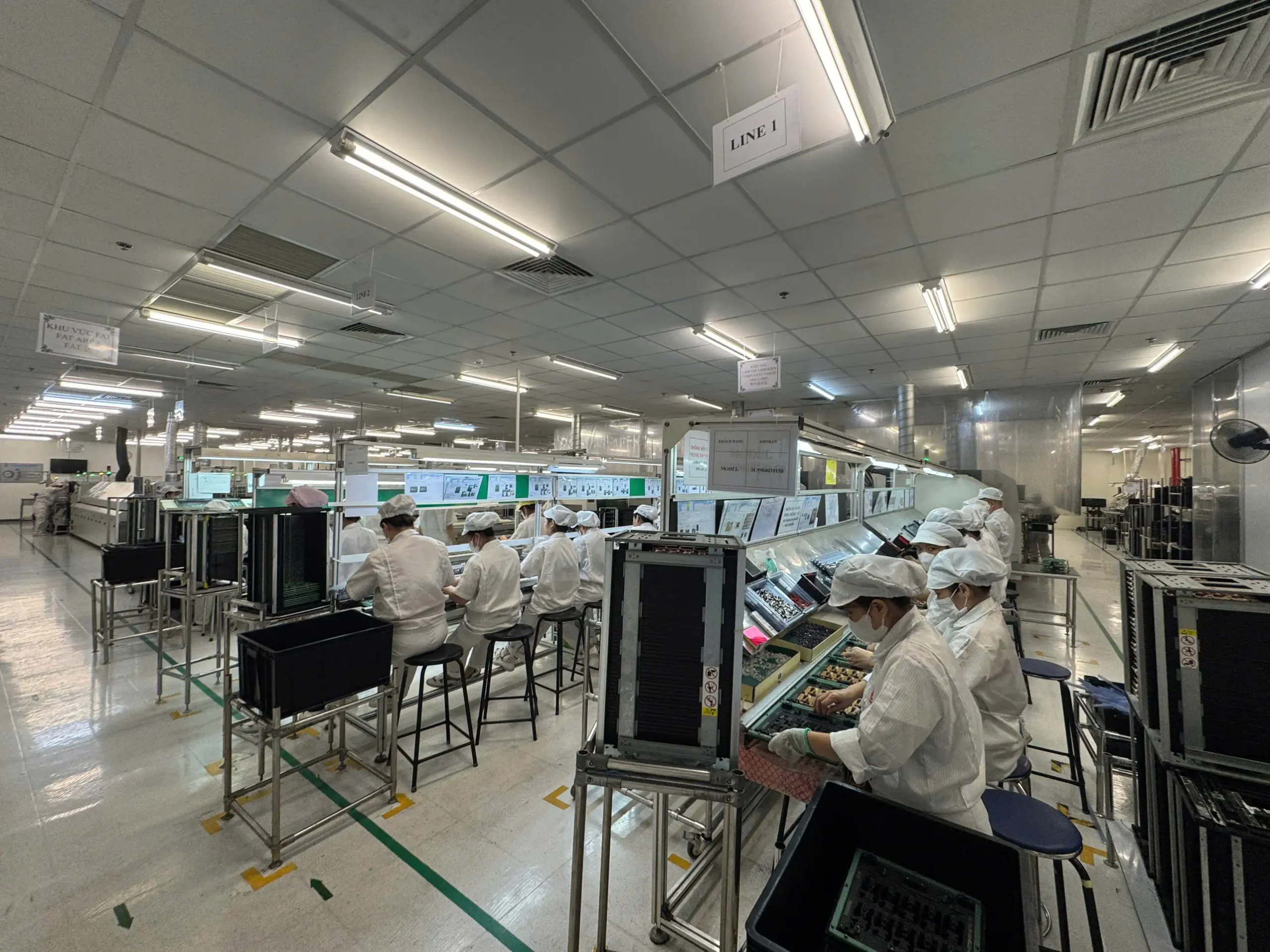
A medical wearable is more than its PCBA.
The finished product may include:
- Enclosures
- Straps
- Connectors
- Sensors
- Adhesives
- Battery systems
- Flexible parts
- Skin-contact components
If the device is worn directly on the body, mechanical design and material selection can become particularly important.
OEMs may need to consider:
- Moisture and sweat exposure
- Repeated bending
- Mechanical impact
- Wear resistance
- Cleaning requirements
- Material compatibility
- Enclosure integrity
This creates an important manufacturing lesson:
A reliable PCBA does not automatically produce a reliable wearable.
The electronics, mechanical components, battery, sensors, and enclosure must work together as a finished product.
6. Reliability and Durability Testing
Wearables operate in environments that can be significantly more demanding than a stationary electronic product.
Depending on the application, the device may experience:
- Repeated movement
- Vibration
- Bending
- Sweat and moisture
- Temperature changes
- Repeated charging
- Long operating periods
- Frequent wearing and removal
A manufacturing program should therefore define appropriate reliability and functional testing based on the product’s requirements.
Potential validation areas include:
- Functional reliability
- Environmental exposure
- Temperature and humidity
- Mechanical stress
- Drop testing where applicable
- Battery-related testing
- Long-duration operation
The exact tests should be determined by the device’s design, intended use, risk analysis, and applicable standards rather than applying a generic checklist to every wearable.
For related manufacturing considerations, you can link to Reliability Testing in Electronics Manufacturing if that article is already published on your site.
7. Full Production Traceability
Traceability becomes increasingly important as the product’s quality requirements become more demanding.
A robust system should allow the manufacturer to connect production information across stages such as:
Component lot → PCB/PCBA → assembly process → inspection → testing → finished product
Depending on the product, traceability may include:
- Component lot or batch
- PCB revision
- Production date
- Production line
- Inspection results
- Test results
- Rework history
- Non-conformance records
Why does this matter?
Imagine that a field failure is later traced to a specific component lot. Without adequate production records, identifying affected units can become difficult.
With appropriate traceability, the OEM can more quickly determine:
What was built, when it was built, what materials were used, and what test results were recorded?
That is particularly relevant for medical and other high-reliability products. SHDC’s related guide covers traceability in electronics manufacturing in greater detail.
8. Quality Management and Medical Device Manufacturing Controls
Quality management is one of the biggest differences between simply assembling electronics and supporting a regulated medical product.
A manufacturer should have defined controls for:
- Document management
- Process control
- Inspection
- Testing
- Non-conforming products
- Corrective actions
- Change control
- Supplier management
- Traceability
- Production records
What About ISO 13485?
ISO 13485:2016 is the internationally recognized quality management system standard specifically addressing medical devices. ISO explains that it is intended to help organizations consistently meet customer and applicable regulatory requirements for medical devices.
For U.S. OEMs, there is an important recent development: FDA’s Quality Management System Regulation (QMSR) became effective on February 2, 2026, incorporating ISO 13485:2016 by reference into the U.S. medical-device quality framework.
However, OEMs should avoid treating ISO 13485 certification as a simple “pass/fail” indicator for a manufacturing partner.
The more useful questions are:
- Does the manufacturer’s QMS match the product’s requirements?
- How are changes controlled?
- How are production records maintained?
- How are non-conformities handled?
- Can manufacturing data be traced?
- Can the manufacturer support the OEM’s quality and regulatory documentation?
For the regulatory background, see SHDC’s resources on ISO 13485 for medical devices and what ISO 13485 means for medical-device manufacturing.
9. Design Transfer, DFM, and NPI Support
A wearable medical device can be difficult to manufacture if the design was optimized only for functionality and not for production.
Manufacturing considerations should ideally enter the project before mass production.
The manufacturer may need to support:
- PCB design review
- Component review
- DFM feedback
- Assembly optimization
- Prototype builds
- Process development
- Engineering changes
- Pilot production
- Yield improvement
This is especially important for wearables because a compact product may combine:
- Dense PCB layout
- Tight enclosure constraints
- Sensors
- Battery limitations
- Small connectors
- Mechanical tolerances
A design change that appears minor from an engineering perspective can create a significant manufacturing issue.
For more detail, link to DFM for electronics manufacturing and NPI in electronics manufacturing.
Why Design Transfer Matters
The objective is to create a controlled transition:
Design → Manufacturing-ready product → Prototype → Validation → Pilot → Production
The earlier manufacturing risks are identified, the less likely the OEM is to discover them during production ramp-up.
10. Scalable Production and Consistent Quality

A manufacturer capable of producing 10 working prototypes is not automatically capable of producing 10,000 or 100,000 units consistently.
That is why scalability should be assessed separately from prototype capability.
OEMs should examine:
- Production capacity
- Process repeatability
- Yield
- Inspection capacity
- Testing capacity
- Material availability
- Production planning
- Workforce
- Automation
- Capacity expansion
The production transition may look like:
Prototype → Engineering Validation → Pilot Production → Production Ramp-Up → Mass Production
The goal is to demonstrate that quality does not deteriorate as production volume increases.
A capable manufacturer should be able to show how it controls process variation, monitors production output, manages material flow, and responds when quality problems occur.
Medical Wearable Manufacturing Process: From Prototype to Production
The manufacturing journey for a medical wearable generally involves several stages.
Phase 1: Design for Manufacturing
The OEM and manufacturing partner review:
- PCB design
- Component selection
- Mechanical integration
- Assembly requirements
- Testing strategy
The goal is to identify manufacturing risks before the prototype build.
Phase 2: Prototype Build
The manufacturer produces initial units for:
- Functional evaluation
- Assembly verification
- Sensor integration
- Design feedback
- Initial testing
Phase 3: Engineering Validation
The product undergoes more structured testing to verify whether the design performs as intended.
This may include:
- Functional testing
- Electrical testing
- Reliability evaluation
- Mechanical validation
- Connectivity testing
Phase 4: Pilot Production
Pilot production tests whether the manufacturing process—not just the product design—is ready for repeatable production.
Key observations can include:
- Yield
- Defects
- Rework
- Process stability
- Test results
- Assembly time
Phase 5: Production Ramp-Up
Once the process is stable, production volume can increase while the OEM monitors:
- Quality
- Capacity
- Delivery
- Yield
- Material availability
- Manufacturing consistency
This is where a structured NPI process becomes especially valuable.
What Should U.S. OEMs Ask a Medical Wearable Device Manufacturer?
Before approving a manufacturing partner, U.S. OEMs should ask questions that produce evidence, not just yes/no answers.
Technical Capability
- What minimum component sizes can you reliably assemble?
- Can you support high-density PCB designs?
- What inspection equipment do you use?
- Can you support sensor integration?
- What electrical and functional testing is available?
Quality
- How is production traceability maintained?
- How are engineering changes controlled?
- How are non-conforming products handled?
- What quality records are retained?
- Which certifications apply to the manufacturing operation?
Production
- What production volume can you support?
- How do you validate pilot production?
- How is yield monitored?
- How do you scale capacity?
- How are supply-chain risks managed?
Medical Device Experience
- What types of medical electronics have you manufactured?
- Can you provide relevant quality documentation?
- How do you support customer-specific quality requirements?
- How do you manage product and process changes?
This evidence-based approach is more useful than simply asking whether the factory “has experience with medical devices.”
Common Manufacturing Challenges for Medical Wearable Devices
Balancing Miniaturization With Manufacturability
Smaller products require greater component density and tighter assembly controls. Excessive miniaturization can also increase manufacturing complexity.
Managing Battery Constraints
Small batteries create trade-offs between size, operating time, charging, thermal behavior, and product availability.
Maintaining Sensor Performance
Sensor performance can be affected by placement, assembly tolerances, electrical noise, and mechanical integration.
Protecting Electronics From Moisture and Wear
Wearables operate close to the human body, which can expose components to sweat, humidity, movement, and repeated mechanical stress.
Scaling Without Losing Quality
A prototype may work perfectly while the production process still has poor yield or excessive rework. Production validation is therefore critical.
Maintaining Traceability
Medical-device programs often require stronger evidence and documentation than ordinary consumer electronics. Traceability needs to be designed into the manufacturing process rather than added after a problem occurs.
Medical Wearable Manufacturer vs. Standard Electronics Manufacturer
The distinction can be summarized simply:
| Capability | Standard Electronics Manufacturer | Medical Wearable Manufacturer |
|---|---|---|
| SMT/PCBA | Required | Required |
| Miniaturization | Product-dependent | Often critical |
| Sensor integration | Product-dependent | Often critical |
| Battery electronics | Product-dependent | Often critical |
| Traceability | Varies | High priority |
| Reliability testing | Varies | High priority |
| Quality documentation | Varies | More extensive |
| Medical QMS | Not always required | Depends on product and scope |
| Design transfer | Varies | Important |
| Production scalability | Important | Critical |
The key point is that a medical wearable manufacturer needs more than conventional electronics assembly capability.
It needs the process discipline to repeatedly produce a compact, connected, sensor-based device while controlling quality, traceability, validation, and production variation.
How SHDC Can Support Medical Wearable Electronics Manufacturing
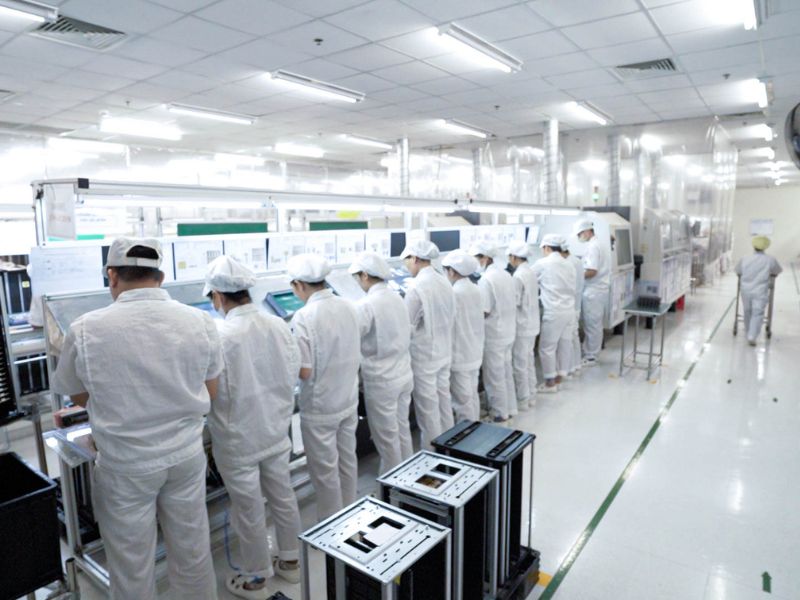
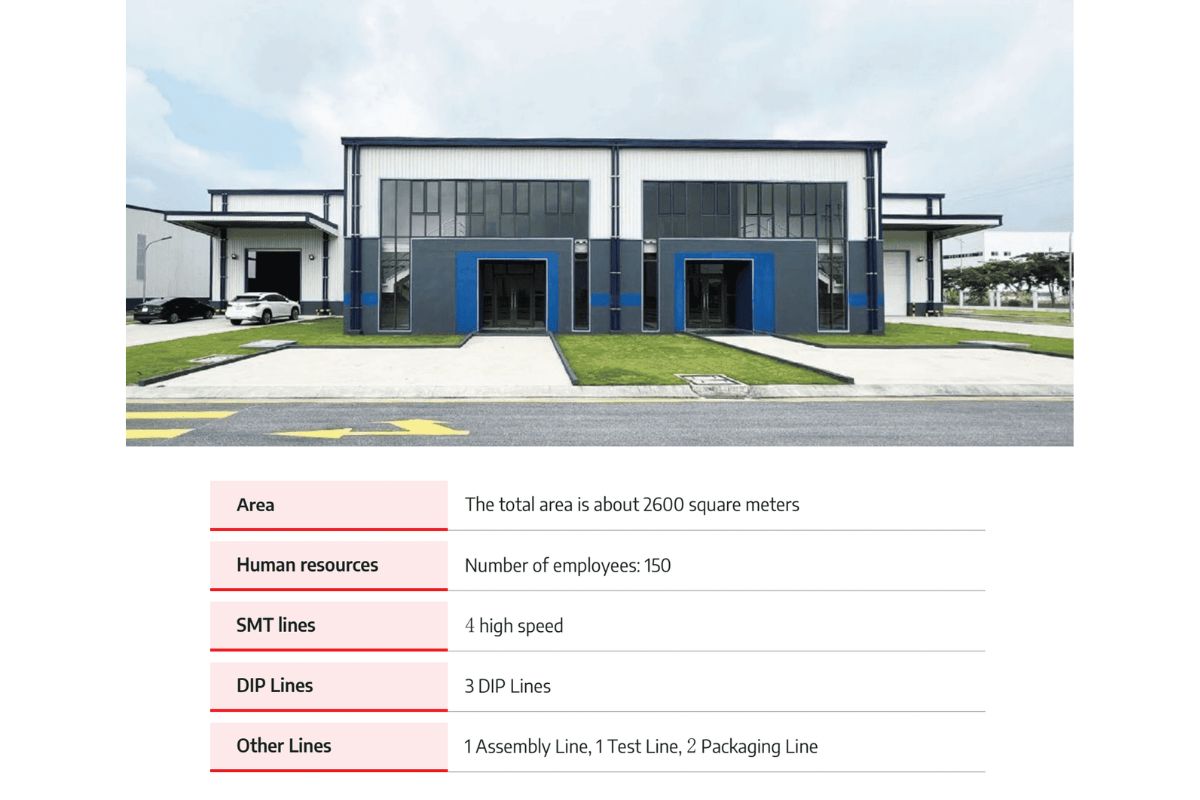
For U.S. OEMs evaluating electronics manufacturing partners in Vietnam, SHDC’s documented capabilities provide several relevant manufacturing inputs.
SHDC’s EMS operation with approximately 2,600 m² of factory space, 150 employees, four high-speed SMT lines, three DIP lines, one assembly line, one test line, and one packaging line.
The documented production system includes IQC, AOI, ICT, visual inspection, FCT, OQC, and packaging, while the equipment list includes 3D SPI, 3D AOI, ICT, functional testing, high-voltage testing, A/V testing, aging testing, and laser marking.
SHDC also documents the use of ERP, PLM, SCM, MES/QMS, and production data systems to support manufacturing management and traceability.
For a wearable project, these capabilities map naturally to several manufacturing requirements:
- Miniaturized PCBA → SMT placement capability
- Assembly verification → SPI and AOI
- Electrical validation → ICT and functional testing
- Reliability support → aging testing
- Production control → MES/QMS and related production systems
- End-to-end manufacturing → assembly, testing, and packaging
However, U.S. OEMs should still conduct product-specific qualification before assigning medical wearable production to any manufacturer. A documented equipment list is evidence of capability, not automatic proof of product qualification.
>>>Read more: High Volume PCB Assembly Services in Vietnam – Why Global Brands Choose SHDC
Medical Wearable Manufacturing Checklist
Before moving a wearable medical device into production, OEMs can use this checklist:
Technical
- Miniaturized PCB/PCBA capability
- Fine-pitch component assembly
- Sensor integration
- Battery and power-management assembly
- Wireless module integration
- Mechanical integration
Quality
- Quality management system
- Document control
- Process control
- Traceability
- Change control
- Non-conformance management
Testing & Validation
- Functional testing
- Electrical testing
- Reliability testing
- Prototype validation
- Pilot production
- Production validation
Manufacturing
- DFM support
- NPI support
- Production capacity
- Supply-chain readiness
- Scalable manufacturing
- Consistent production quality
Frequently Asked Questions
What is a medical wearable device manufacturer?
A medical wearable device manufacturer produces or assembles wearable electronic products intended for healthcare-related applications. Depending on the project, manufacturing may include PCBA, sensors, wireless modules, batteries, mechanical components, testing, and final assembly.
What capabilities should a medical wearable manufacturer have?
Key capabilities include miniaturized PCBA assembly, sensor integration, battery and power management, wireless electronics, functional testing, reliability validation, traceability, quality management, design transfer, NPI, and scalable production.
What is the difference between a medical wearable manufacturer and a standard electronics manufacturer?
A medical wearable manufacturer generally needs stronger controls around traceability, validation, reliability, documentation, sensor integration, and product-specific quality requirements. The exact requirements depend on the device’s intended use and regulatory status.
Does a medical wearable manufacturer need ISO 13485?
Not every organization involved in a wearable project has the same ISO 13485 obligations. Requirements depend on the manufacturer’s role, the product, applicable regulations, and the relevant supply-chain arrangement. ISO 13485 is specifically designed for medical-device quality management systems.
For products subject to FDA regulation in the United States, the current QMSR framework incorporates ISO 13485:2016 by reference and became effective on February 2, 2026.
What are the biggest manufacturing challenges for medical wearables?
Common challenges include miniaturization, battery limitations, sensor integration, moisture and mechanical exposure, reliability testing, traceability, and maintaining consistent quality as production volume increases.
How does a medical wearable move from prototype to mass production?
A typical path is DFM and design transfer → prototype → engineering validation → pilot production → production ramp-up → mass production. Each stage should generate evidence that both the product and the manufacturing process are ready for the next level of volume.
Conclusion
A successful medical wearable device manufacturer needs to do more than assemble small electronic components. The manufacturing process must account for miniaturization, sensors, battery systems, connectivity, mechanical integration, reliability, traceability, quality management, design transfer, and production scalability.
For U.S. MedTech OEMs, the most important evaluation is therefore not simply whether a supplier has SMT equipment or can produce a prototype. The stronger question is whether the manufacturer has the process controls, testing capability, manufacturing infrastructure, documentation, and scalability needed for the specific wearable product.
SHDC’s documented SMT, inspection, testing, assembly, and production-management capabilities provide a foundation for electronics manufacturing programs, but product-specific qualification remains essential before production approval.
When evaluating a potential manufacturing partner, use the 10 requirements in this guide as a practical framework—and verify each capability with actual equipment data, process records, sample builds, test results, and production evidence rather than relying solely on a supplier’s marketing claims.
>>>Read more: How AI Is Transforming Medical Device Electronics Manufacturing in Vietnam