Tiếng Việt
 日本語
日本語
Electronic circuit board manufacturing is the foundation of modern electronics production, combining precision engineering, standardized quality control, and integrated production systems to transform design files into reliable, scalable electronic assemblies. For U.S. OEMs and hardware companies, understanding not only the fabrication and assembly processes—but also the standards and production infrastructure behind them—is critical to ensuring product performance, regulatory compliance, and long-term supply chain stability.
This guide explains how electronic circuit board manufacturing works at a system level, including core processes, governing standards, and the production systems that define industry-leading manufacturers.
What Is Electronic Circuit Board Manufacturing?
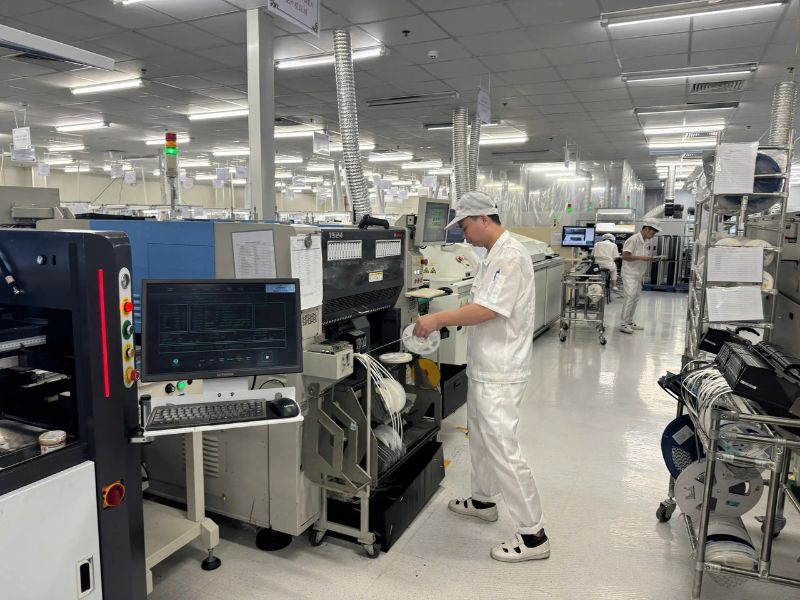
Electronic circuit board manufacturing encompasses the full lifecycle of producing a functional electronic board—from bare PCB fabrication to component assembly and final system validation.
It typically includes three major stages:
1. PCB Fabrication
This stage produces the bare printed circuit board and involves:
-
Multilayer lamination
-
Copper imaging and etching
-
Mechanical or laser drilling
-
Via metallization
-
Surface finishing
-
Electrical continuity testing
Fabrication precision directly affects signal integrity, thermal performance, and mechanical reliability.
2. PCB Assembly (PCBA)
Assembly transforms the bare board into a functional electronic unit through:
-
Surface Mount Technology (SMT) placement
-
Through-hole insertion
-
Reflow soldering
-
Automated Optical Inspection (AOI)
-
X-ray inspection for hidden joints
Assembly accuracy determines solder joint reliability and long-term field performance.
3. System Integration and Final Validation
Advanced manufacturers extend beyond assembly to include:
-
In-Circuit Testing (ICT)
-
Functional Testing (FCT)
-
Firmware programming
-
Box build and final integration
This broader scope is often referred to as Electronics Manufacturing Services (EMS), providing end-to-end production capability.
>>>Read more: Leading Circuit Board Manufacturing Companies: How to Choose the Right PCB Partner
Core Processes in Electronic Circuit Board Manufacturing
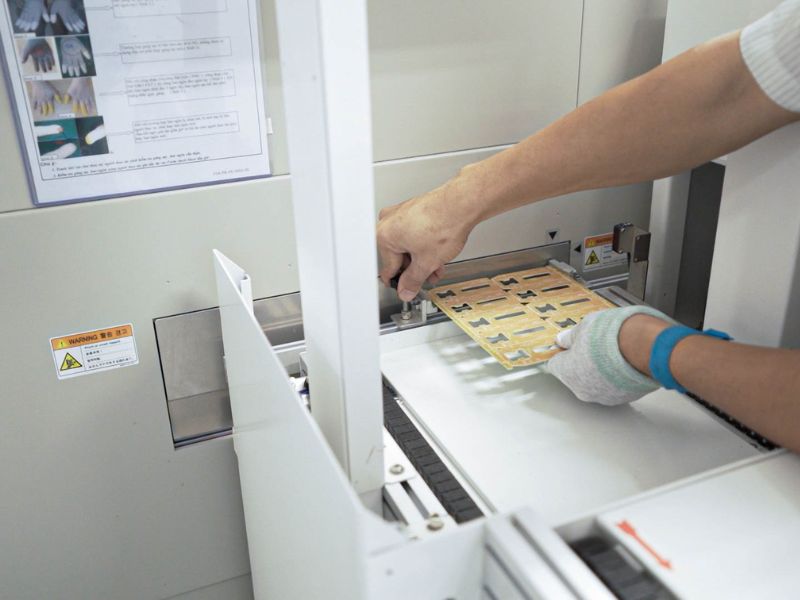
While individual process steps may vary depending on product complexity, modern electronic circuit board manufacturing follows a structured workflow.
Design Review and DFM Engineering
Production begins with engineering analysis:
-
Gerber and stack-up verification
-
Controlled impedance validation
-
Trace width and spacing evaluation
-
Via aspect ratio assessment
-
Thermal and material analysis
Design for Manufacturability (DFM) reduces yield loss and prevents costly redesigns.
Fabrication Process Overview
Fabrication typically includes:
-
Inner-layer imaging
-
Chemical etching
-
Multilayer lamination
-
Precision drilling
-
Copper plating
-
Surface finish application
Material selection (FR-4, high-Tg, RF laminates) influences thermal stability and signal performance.
Assembly Process Overview
Assembly includes:
-
Solder paste printing
-
High-speed SMT placement
-
Reflow soldering
-
Automated inspection
-
Selective or wave soldering for through-hole components
Fine-pitch components (e.g., 0201) and BGA packages require high-precision equipment and controlled environments.
Testing and Validation
Testing ensures functional and structural integrity:
-
AOI for visual defect detection
-
ICT for circuit-level validation
-
FCT for real-world functional testing
-
Flying probe testing for prototypes
-
Environmental stress testing (if required)
Robust testing infrastructure is a defining trait of reliable manufacturers.
Industry Standards Governing Electronic Circuit Board Manufacturing
Compliance with internationally recognized standards ensures repeatable quality and global acceptance.
IPC Standards
-
IPC-A-600 (Acceptability of Printed Boards)
-
IPC-6012 (Qualification and Performance Specification)
-
IPC-A-610 (Acceptability of Electronic Assemblies)
IPC standards define workmanship criteria and performance expectations.
ISO Quality Systems
ISO 9001 certification ensures documented, repeatable quality management processes.
Some manufacturers also implement ISO 14001 for environmental management.
Regulatory Compliance
For U.S. and global markets:
-
UL certification
-
RoHS compliance
-
REACH regulations
Documentation and lot traceability are increasingly mandatory in regulated industries.
>>>Read more: China Alternative Electronics Manufacturing: Why Vietnam Is the Top Choice in 2026
Production Systems Behind Modern PCB Manufacturing
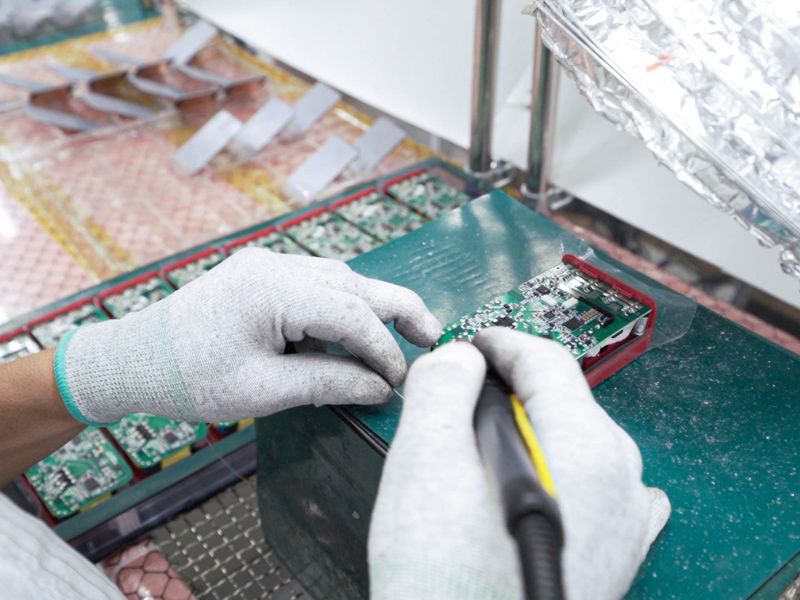
What differentiates standard suppliers from industry leaders is not only process capability—but system integration.
ERP (Enterprise Resource Planning)
ERP systems manage:
-
Material procurement
-
Production scheduling
-
Inventory control
-
Cost tracking
This reduces supply chain risk and improves planning accuracy.
MES (Manufacturing Execution Systems)
MES enables:
-
Real-time production monitoring
-
Process traceability
-
Quality data logging
-
Defect tracking
Traceability is critical for automotive, industrial, and medical electronics sectors.
PLM (Product Lifecycle Management)
PLM systems support:
-
Engineering change control
-
Version tracking
-
Documentation management
This ensures alignment between design revisions and production execution.
Automated Inspection Infrastructure
Advanced production lines integrate:
-
3D AOI
-
Solder Paste Inspection (SPI)
-
X-ray systems
-
Statistical Process Control (SPC)
Automation reduces human variability and improves consistency.
High-Mix vs High-Volume Production Models
Electronic circuit board manufacturing varies depending on production model.
High-Mix, Low-to-Mid Volume
Common in:
-
Industrial electronics
-
Medical devices
-
Specialized OEM equipment
Characteristics:
-
Frequent changeovers
-
Flexible production lines
-
Strong engineering collaboration
High-Volume Production
Common in:
-
Consumer electronics
-
Automotive modules
Characteristics:
-
Dedicated production lines
-
High automation
-
Optimized cycle times
-
Strong statistical control
Understanding a manufacturer’s production model alignment is essential during supplier evaluation.
Risk Factors in Electronic Circuit Board Manufacturing
Even with advanced systems, risks remain.
Common risk areas include:
-
Incomplete DFM review
-
Improper material selection
-
Process variation in plating or soldering
-
Inadequate testing coverage
-
Supply chain disruption
Mitigation strategies involve engineering review, standardized procedures, and digital traceability systems.
What to Look for in a Modern Electronics Manufacturing Partner
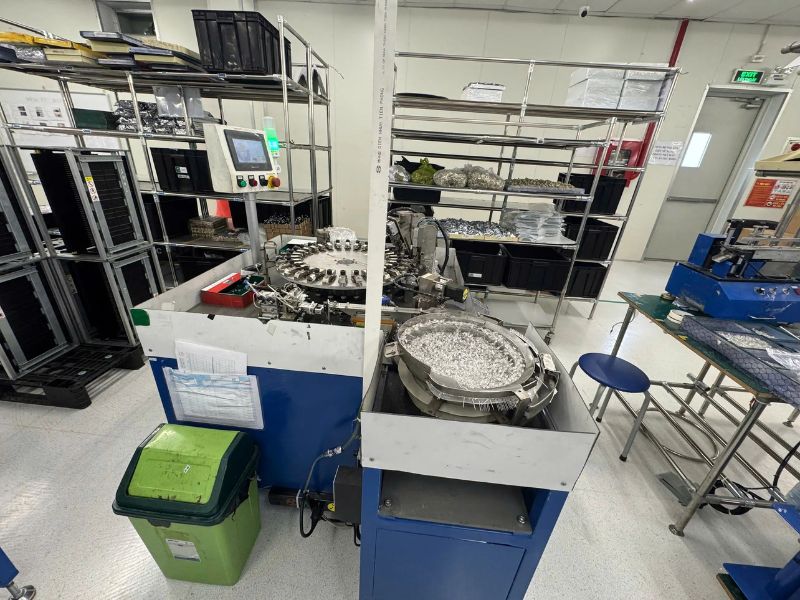
When evaluating a partner for electronic circuit board manufacturing, U.S. OEMs should prioritize:
-
Integrated fabrication and assembly capability
-
Advanced SMT lines supporting fine-pitch components
-
Certified ISO and IPC compliance
-
3D AOI and X-ray inspection systems
-
ICT and FCT testing infrastructure
-
ERP and MES integration
-
Engineering-led DFM collaboration
For example, manufacturers such as SHDC, located in VSIP Hai Duong Industrial Park in Vietnam, operate multiple SMT production lines supported by ERP, MES, PLM, and QMS systems. With ISO-certified management, 3D AOI inspection, ICT and FCT testing capability, and fine-pitch placement down to 0201 components, SHDC reflects the integrated, engineering-driven production model increasingly adopted by globally competitive Southeast Asian manufacturers serving U.S. OEM clients.
This type of system-level integration is a defining characteristic of modern electronics manufacturing leadership.
>>> Read more: Profie’s SHDC Company Limited
Frequently Asked Questions
What is electronic circuit board manufacturing?
It is the complete process of producing functional electronic boards, including PCB fabrication, assembly, testing, and system integration.
What standards apply to PCB manufacturing?
IPC standards, ISO 9001 certification, UL requirements, and RoHS compliance are widely applied in global markets.
What is the difference between PCB fabrication and electronic manufacturing?
Fabrication refers to producing the bare board. Electronic manufacturing includes assembly, testing, and full system integration.
Is overseas electronics manufacturing reliable?
Yes—when supported by certified quality systems, advanced inspection infrastructure, engineering oversight, and transparent traceability.
Conclusion
Electronic circuit board manufacturing is not merely a sequence of technical steps—it is a system-driven engineering discipline governed by standards, automation, and integrated production management. For U.S. OEMs, selecting the right manufacturing partner requires evaluating not only fabrication capability, but also assembly precision, testing depth, quality certification, and digital production infrastructure.
Manufacturers that combine engineering-led DFM processes, certified quality systems, advanced SMT capability, and integrated ERP/MES traceability systems are best positioned to deliver scalable, reliable production from prototype through full-volume manufacturing.