
 Tiếng Việt
 日本語
日本語
For decades, China has been the world’s dominant hub for electronics manufacturing. Its scale, supply chain depth, and infrastructure made it the default choice for global OEMs. But that model is changing. Rising costs, geopolitical uncertainty, and supply chain disruptions have pushed US companies to rethink their manufacturing strategies. Instead of relying on a single country, many are adopting the China +1 strategy—a structured approach to diversify production and reduce risk. At the center of this shift is Vietnam, a rapidly growing manufacturing destination that offers a balance of cost, scalability, and stability. This article explains how the China +1 strategy works, why OEMs are moving beyond China, and why Vietnam is becoming a key part of global electronics manufacturing strategies.
What Is the China +1 Strategy?
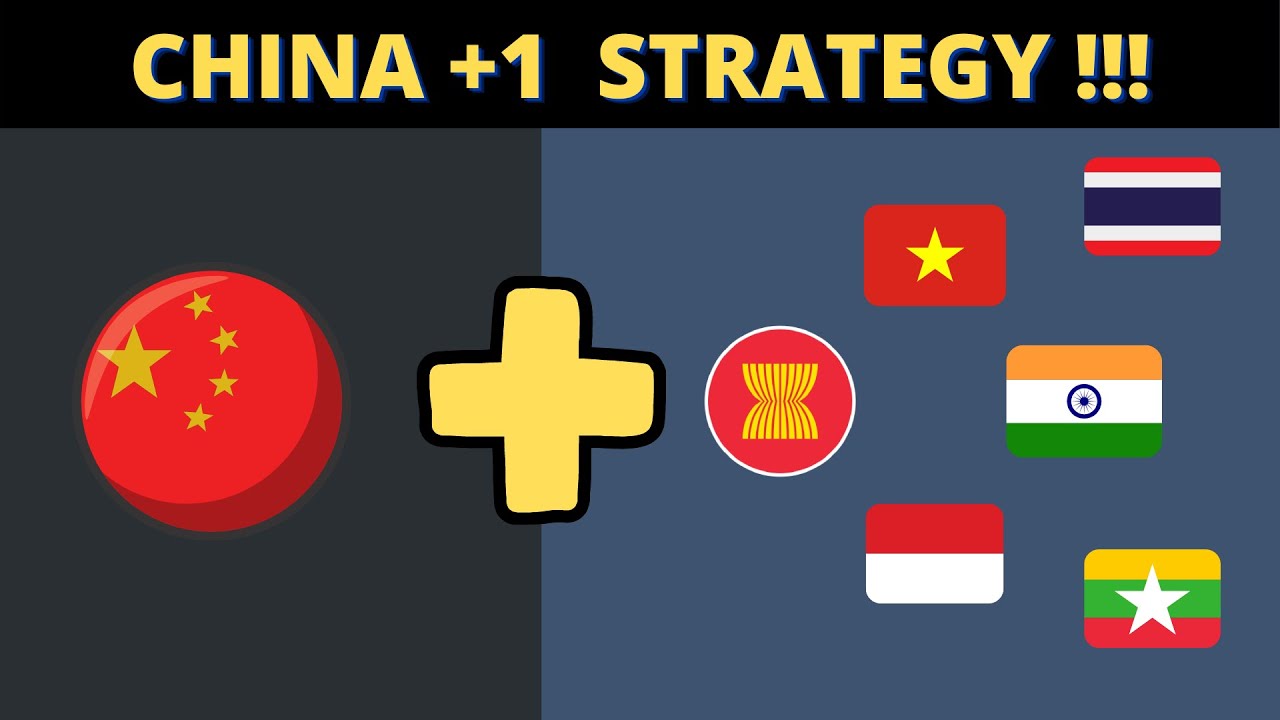
The China +1 strategy is a supply chain diversification model where companies maintain manufacturing operations in China while expanding production to at least one additional country. It is not about replacing China. Instead, it is about reducing dependency and building a more resilient supply chain.
Core objectives of China +1
- Minimize geopolitical and tariff risk
- Optimize total manufacturing cost
- Improve flexibility and scalability
- Reduce supply chain disruption impact
For electronics OEMs, this strategy enables better control over production while maintaining access to China’s mature ecosystem.
Why US OEMs Are Moving Manufacturing Away from China
The shift toward China +1 is driven by long-term structural changes rather than short-term trends.
Rising Manufacturing Costs
China’s labor and operational costs have increased significantly:
- Higher wages in manufacturing hubs
- Increased compliance and environmental costs
- Higher facility and operational expenses
This reduces the cost advantage that once made China the default manufacturing choice.
Trade Tensions and Tariffs
Ongoing trade tensions between the US and China have introduced:
- Tariffs on electronics and components
- Regulatory uncertainty
- Increased landed costs for US companies
For OEMs, this makes long-term planning more complex and risky.
Supply Chain Disruptions
Recent global events exposed the risks of over-reliance on a single country.
Companies experienced:
- Production delays
- Component shortages
- Logistics bottlenecks
This has accelerated the need for supply chain diversification.
Geopolitical Risk
Long-term geopolitical uncertainty has made companies more cautious about concentrating production in one location.
The China +1 strategy provides a structured way to mitigate these risks without fully exiting China.
>>>Read more: PCBA Manufacturing Process: How US Companies Evaluate Quality, Cost, and Risk
Why Vietnam Is Emerging as the Top China +1 Strategy
Among alternative manufacturing locations, Vietnam has become one of the most attractive options for electronics OEMs.
Cost Advantage
Vietnam offers a clear cost benefit compared to China:
- Lower labor costs
- Competitive operating expenses
- Reduced tariff exposure for exports to the US
More importantly, Vietnam delivers strong total cost efficiency, not just lower unit prices.
Strategic Location
Vietnam’s proximity to China is a major advantage:
- Easy access to China-based suppliers
- Shorter lead times for components
- Efficient logistics within Asia
This allows companies to diversify production without disrupting their existing supply chain.
Growing Electronics Manufacturing Ecosystem
Vietnam’s EMS industry has expanded rapidly:
- Strong capabilities in SMT and PCB assembly
- Increasing number of full service EMS providers
- Growing presence of global OEM manufacturing
The ecosystem is now mature enough to support complex electronics production.
Skilled Workforce
Vietnam has developed a capable manufacturing workforce:
- Skilled technicians in electronics assembly
- Increasing number of engineers
- Experience working with global quality standards
This supports both quality production and engineering collaboration.
Favorable Trade Environment
Vietnam maintains strong trade relationships with major markets, including the US:
- Participation in multiple free trade agreements
- Lower tariff risks compared to China
- Stable regulatory environment
Political and Economic Stability
Vietnam offers a relatively stable environment for long-term manufacturing investments, which is critical for OEMs planning multi-year production strategies.
Vietnam vs China in Electronics Manufacturing
| Factor | China | Vietnam |
|---|---|---|
| Cost | Higher | Lower |
| Supply Chain | Highly Mature | Growing |
| Tariff Risk (US) | Higher | Lower |
| Scalability | Very High | High |
| Flexibility | Moderate | High |
Key takeaway:
- China remains unmatched in scale and ecosystem depth
- Vietnam offers a better balance of cost, flexibility, and risk reduction
For many OEMs, the optimal strategy is not choosing one over the other—but combining both.
>>>Read more: Electronics Manufacturing Cost in Vietnam vs China
When Should OEMs Choose Vietnam?
Vietnam is particularly suitable for specific manufacturing scenarios.
Ideal use cases
- Mid-to-high volume production
- Cost-sensitive electronics products
- Supply chain diversification initiatives
Industries that benefit most
- Consumer electronics
- IoT devices
- Industrial electronics
- Smart devices and accessories
For these segments, Vietnam provides a strong combination of cost efficiency and production capability.
>>>Read more: Why US Companies Choose Full Service EMS in Vietnam for Scalable Electronics Manufacturing
Challenges of Moving Manufacturing to Vietnam
While Vietnam offers many advantages, OEMs should be aware of potential challenges.
Supply Chain Limitations: Some specialized components still need to be imported, which can affect lead times and cost predictability.
Vendor Capability Differences: Not all EMS providers in Vietnam offer the same level of expertise, especially for complex or high-reliability products.
Infrastructure Gaps: Although improving rapidly, certain regions may not yet match China’s infrastructure in terms of scale and logistics.
How to Mitigate These Challenges
- Work with experienced EMS partners
- Conduct thorough supplier audits
- Implement strong quality control systems
- Use a hybrid manufacturing strategy
>>>Read more: Why Choose Box Build Assembly Vietnam: A Smart Alternative to China for OEMs
How to Implement a China +1 Strategy
A successful transition requires a structured approach.
Step 1: Evaluate Your Current Manufacturing Setup
Identify risks, costs, and dependencies in your current China-based operations.
Step 2: Identify Products to Relocate
Not all products need to move. Focus on:
- Cost-sensitive products
- High-risk supply chains
- Scalable product lines
Step 3: Select the Right Location
Evaluate alternatives based on:
- Cost
- capability
- supply chain access
Vietnam is often the top choice for electronics manufacturing.
Step 4: Choose the Right EMS Partner
Selecting a capable EMS provider is critical:
- Technical capabilities
- Engineering support
- Quality standards
- Communication
Step 5: Start with Pilot Production
Run a pilot project to validate:
- product quality
- production processes
- supplier reliability
Step 6: Scale Gradually
Expand production in phases to minimize risk and ensure stable output.
Why Vietnam Works in a Hybrid Strategy
The China +1 strategy is not about replacing China—it is about optimizing your manufacturing footprint.
A hybrid model offers the best of both worlds:
- China for:
- large-scale production
- mature supply chain
- Vietnam for:
- cost optimization
- flexibility
- risk diversification
This dual approach allows OEMs to build a more resilient and scalable manufacturing system.
Why Work With SHDC
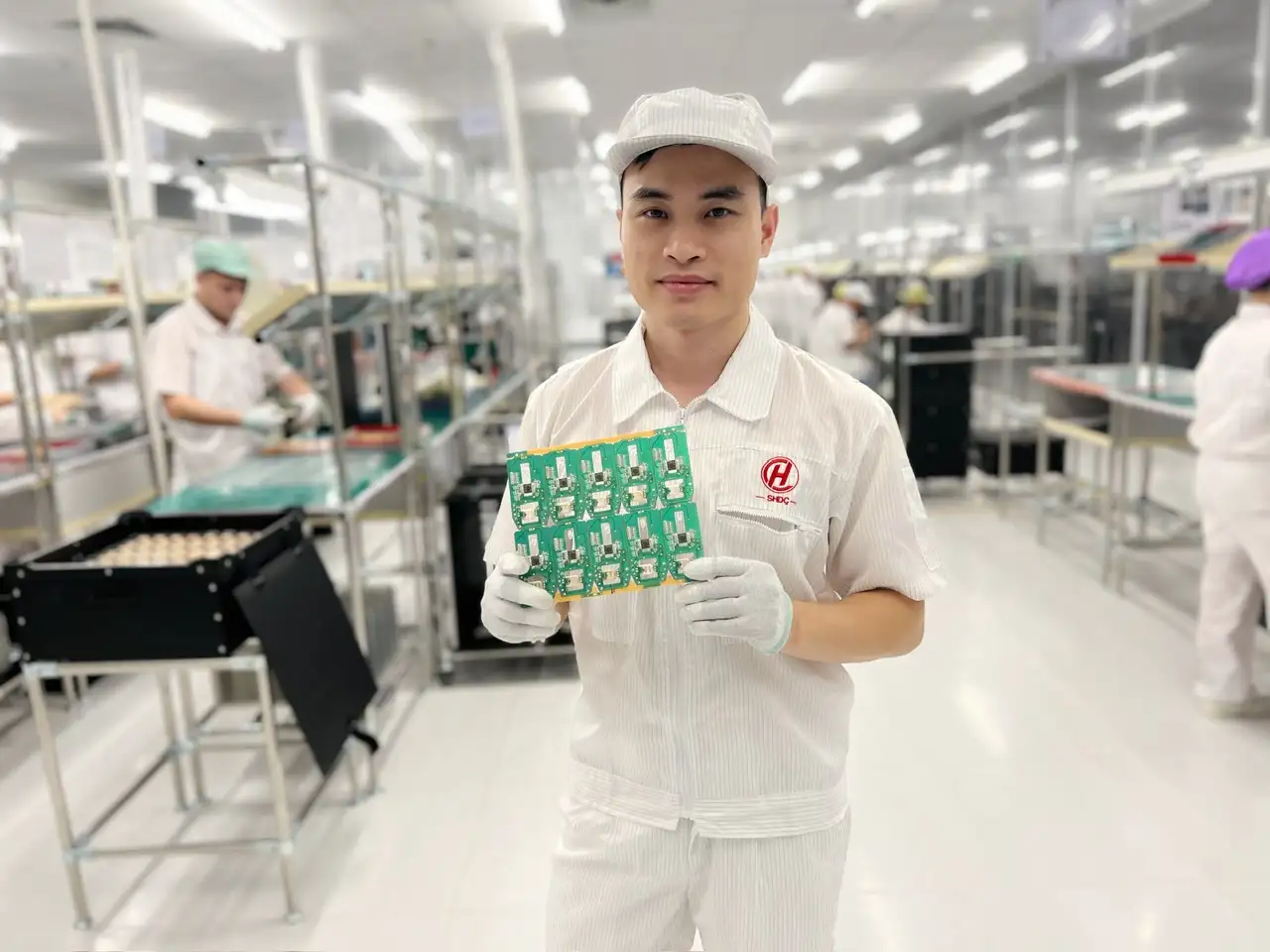
For OEMs implementing a China +1 strategy, choosing the right EMS partner in Vietnam is critical.
SHDC provides full service electronics manufacturing solutions designed for global OEMs.
Key capabilities include:
- End-to-end EMS services from PCB assembly to final product integration
- Strong expertise in SMT, PCBA, and box build assembly
- Engineering support for DFM, DFA, and cost optimization
- Compliance with international quality standards
- Scalable production for both prototype and mass manufacturing
With experience supporting international clients, SHDC helps OEMs transition manufacturing smoothly while maintaining quality and efficiency.
>>>Read more: SHDC Contract Electronics Manufacturing Services for OEM Companies in Vietnam
FAQs
What is the China +1 strategy?
It is a manufacturing strategy where companies keep production in China while expanding to another country to reduce risk.
Why are OEMs moving manufacturing out of China?
Due to rising costs, tariffs, supply chain risks, and geopolitical uncertainty.
Why is Vietnam popular for electronics manufacturing?
Vietnam offers lower costs, a growing EMS ecosystem, skilled labor, and favorable trade conditions.
Can Vietnam replace China completely?
No. Most companies use Vietnam to complement China, not replace it entirely.
What industries benefit from China +1?
Consumer electronics, IoT, industrial devices, and other scalable electronics products.
How do I move manufacturing to Vietnam?
Start by evaluating your current setup, selecting the right products, choosing an EMS partner, and scaling gradually.
Conclusion
The China +1 strategy is no longer optional—it is becoming a standard approach for OEMs seeking resilience, cost efficiency, and scalability. While China remains a critical part of global manufacturing, Vietnam has emerged as a key partner in building a more balanced and flexible supply chain. For companies looking to reduce risk and optimize production, combining China’s scale with Vietnam’s agility offers a powerful competitive advantage. The next step is not just choosing a country—but choosing the right strategy and the right manufacturing partner to support long-term growth.
