Tiếng Việt
 日本語
日本語
When you’re developing an electronic product, speed matters. Whether you’re racing to launch a new device or trying to keep up with market demand, one question always comes up: How long does PCB assembly actually take? The answer isn’t as simple as a number. PCB assembly lead time depends on multiple variables—from design complexity to global component availability. And if you underestimate it, your entire production schedule can fall apart. In this guide, we’ll break it down clearly and practically—so you can plan smarter, avoid delays, and get your product to market faster.
What Is PCB Assembly Lead Time?
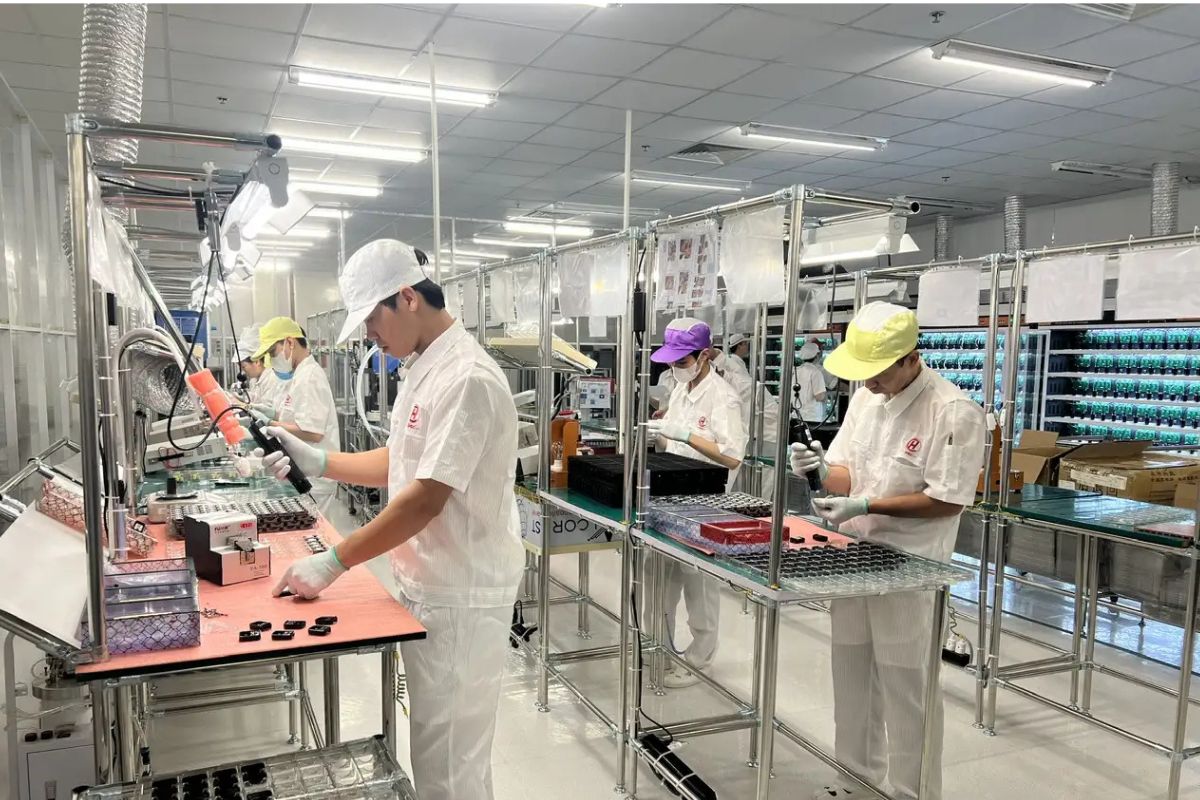
PCB assembly lead time is the total time required to transform your design files into fully assembled, functional circuit boards ready for use or integration.
This includes every stage of the process:
- Engineering review (DFM/DFA)
- Component sourcing
- PCB fabrication (if not pre-supplied)
- SMT and through-hole assembly
- Inspection and testing
- Final packaging and delivery
For U.S.-based companies working with offshore manufacturers, this timeline often extends further due to logistics and supply chain coordination.
Why Lead Time Matters More Than You Think
Many teams focus on cost—but in reality, lead time is just as critical:
- Delayed production = missed launch windows
- Longer cycles = higher inventory risk
- Slow turnaround = reduced ability to iterate
In fast-moving industries like consumer electronics or IoT, speed is a competitive advantage.
How Long Does PCB Assembly Take?
Let’s get to the number everyone is looking for.
Typical PCB assembly lead times
In most real-world scenarios, you can expect:
| Production Stage | Typical Lead Time |
|---|---|
| Prototype | 1 – 5 days |
| Small batch | 3 – 10 days |
| Mass production | 2 – 6 weeks |
But here’s the nuance most articles don’t tell you:
These timelines assume:
- Your BOM is complete
- All components are available
- No design issues are found
If any of these fail, delays can quickly extend lead time by weeks.
Standard vs Quick-Turn PCB Assembly
Standard Lead Time
- More cost-efficient
- Suitable for planned production
- Typically follows normal sourcing cycles
Quick-Turn (Expedited) Assembly
- Turnaround in as little as 24–72 hours
- Requires in-stock components
- Higher cost due to priority handling
In practice, most companies use:
- Quick-turn for prototyping
- Standard lead time for mass production
PCB Assembly Timeline: What Actually Happens Behind the Scenes
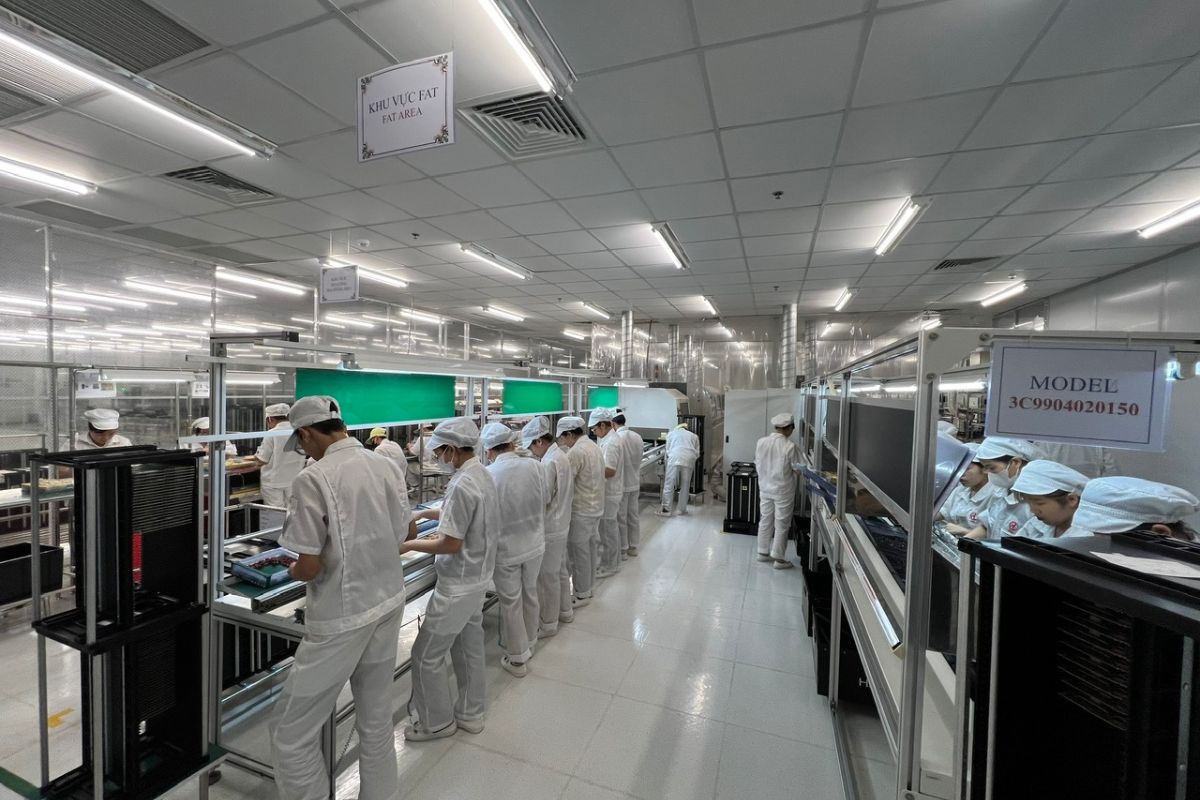
Understanding the timeline step-by-step helps you identify where delays really occur.
1. Engineering Review (1–2 Days)
Before production begins, manufacturers run:
- DFM (Design for Manufacturability)
- DFA (Design for Assembly)
Any issues found here will pause the process until resolved.
Insight: Poor design files are one of the most underestimated causes of delay.
2. Component Sourcing (2–15+ Days)
This is often the longest and most unpredictable stage.
Factors include:
- Global chip shortages
- Supplier lead times
- Availability of alternative parts
Real-world insight: A single missing IC can delay your entire project by 2–8 weeks.
3. PCB Fabrication (3–14 Days)
If your manufacturer also handles fabrication:
- Simple boards → 3–5 days
- Multilayer / HDI boards → up to 2 weeks
4. PCB Assembly (1–5 Days)
Includes:
- SMT (Surface Mount Technology)
- THT (Through-Hole Technology)
Modern automated lines can assemble thousands of components per hour—but setup and changeover still take time.
5. Testing & Inspection (1–3 Days)
Depending on requirements:
- AOI → fast, automated
- Functional testing → more time-consuming
The more critical your product, the longer this stage becomes.
6. Shipping & Delivery (2–7 Days)
For U.S. customers:
- Air freight → faster, higher cost
- Sea freight → slower, cheaper
Key Factors That Affect PCB Assembly Lead Time
Now let’s break down what actually drives delays.
1. Component Availability (Biggest Factor)
Even a perfect design means nothing if parts aren’t available.
Common issues:
- Semiconductor shortages
- End-of-life components
- Long supplier lead times
This is why experienced EMS providers maintain strong supplier networks.
2. Design Complexity
More complex boards require:
- More setup time
- Higher precision
- Additional inspection
Examples:
- Fine-pitch components
- BGA packages
- Multilayer PCBs
3. Order Volume
- Prototypes → fast, flexible
- High volume → requires scaling, scheduling, and line optimization
4. Manufacturing Capability
Not all manufacturers are equal.
Delays often happen when:
- Processes are outsourced
- Equipment is limited
- Production lines are overloaded
5. Testing Requirements
- Basic inspection → minimal time
- Full functional testing → adds days
6. Logistics & Supply Chain
Especially relevant for U.S. companies outsourcing to Asia:
- Customs clearance
- Shipping delays
- Global disruptions
>>>Read more: Top 10 Electronics Manufacturing Companies in Asia for OEM Projects
PCB Assembly vs PCB Fabrication Lead Time
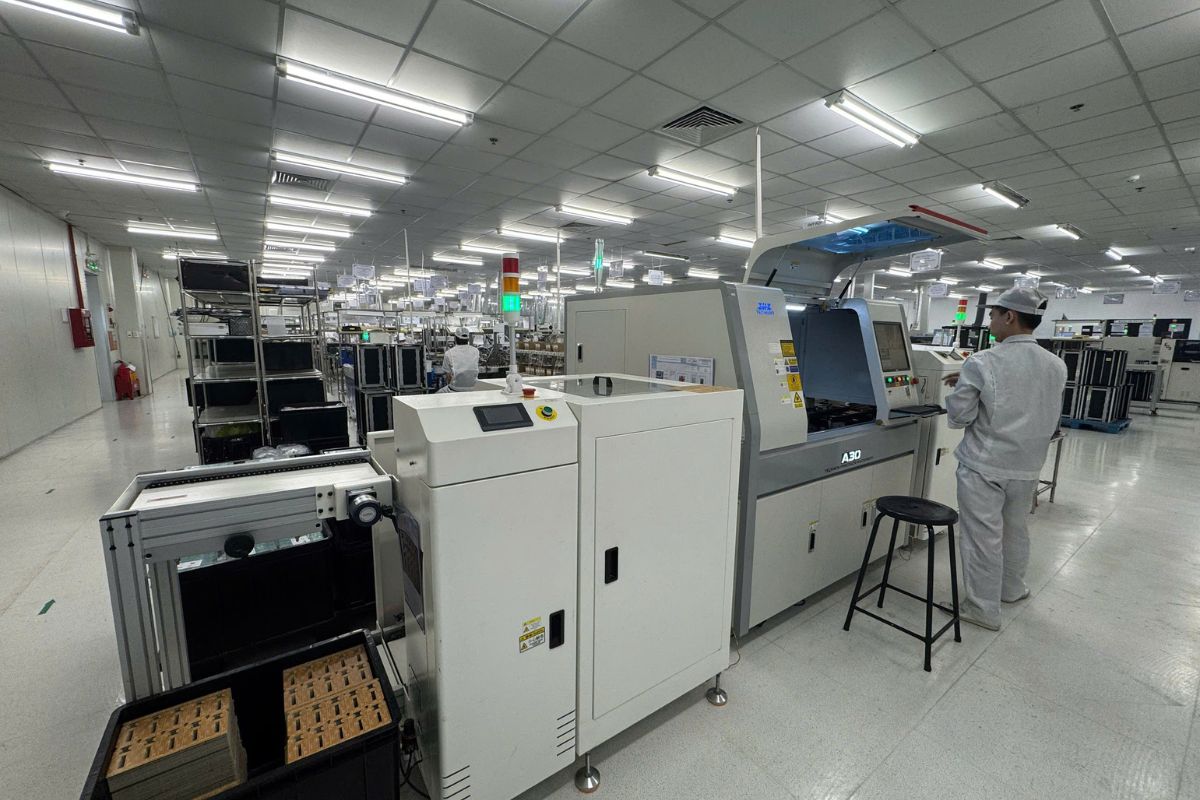
Many buyers assume fabrication is the bottleneck—but that’s not always true.
When Fabrication Takes Longer:
- Complex multilayer boards
- Special materials
When Assembly Takes Longer:
- Component shortages
- Complex testing requirements
The key takeaway: Your total lead time is only as fast as the slowest stage.
How to Reduce PCB Assembly Lead Time
Here’s where you gain a real advantage.
1. Design for Manufacturability (DFM)
- Simplify layout
- Avoid unnecessary complexity
- Follow industry standards
2. Optimize Your BOM
- Ensure accuracy
- Include alternate components
- Avoid obsolete parts
3. Choose Available Components
Design decisions directly affect lead time.
Engineers who prioritize availability can reduce delays dramatically.
4. Work with a Strong EMS Partner
A good manufacturer will:
- Identify risks early
- Suggest alternatives
- Optimize production flow
5. Use Turnkey PCB Assembly
Instead of managing multiple vendors:
- One partner handles everything
- Reduces coordination delays
- Speeds up production
Choosing the Right PCB Assembly Partner
If lead time matters (and it always does), your partner choice is critical.
Look for:
- End-to-end capabilities (fabrication + assembly)
- Strong sourcing network
- Proven track record with U.S. clients
- Transparent timelines
- Quality certifications
The best manufacturers don’t just build your boards—they help you avoid delays before they happen.
FAQs
What is the fastest PCB assembly lead time?
For simple prototypes, as fast as 24 hours, but only if all components are available.
Why does PCB assembly take so long?
The most common reason is component shortages, followed by design complexity and testing requirements.
How can I speed up PCB assembly?
- Use available components
- Provide a complete BOM
- Work with a turnkey manufacturer
Is quick-turn PCB assembly worth it?
Yes—for prototyping and urgent projects, it can significantly reduce time-to-market.
>>>Read more: PCB Assembly Quote: What Manufacturers Need From You to Price Your Project Accurately
Conclusion
PCB assembly lead time isn’t fixed—it’s dynamic and influenced by multiple factors. But with the right approach, you can control it.
Focus on:
- Smart design decisions
- Component availability
- Choosing the right manufacturing partner
Do that well, and you won’t just reduce lead time—you’ll gain a serious competitive advantage.
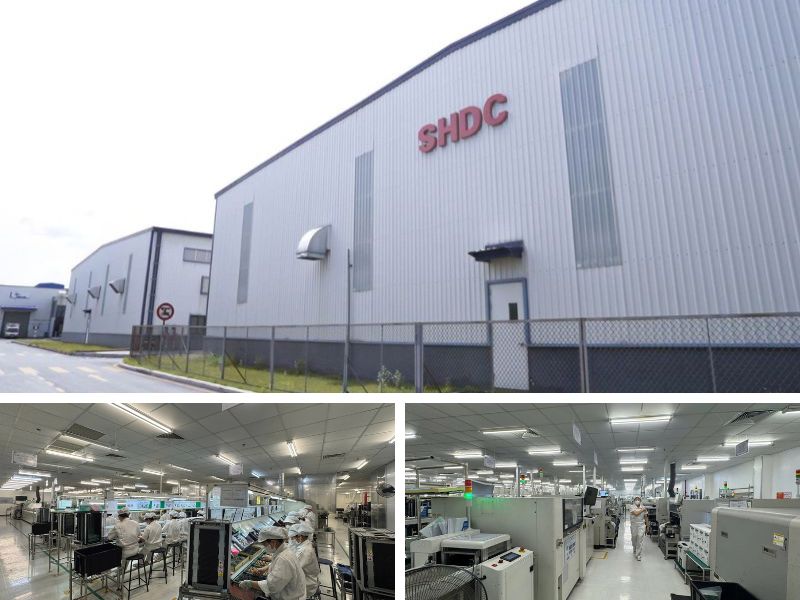
If you’re looking to reduce PCB assembly lead time without compromising quality, partnering with an experienced EMS provider like SHDC can help streamline your entire production process—from sourcing to final delivery.
SHDC ELECTRONICS COMPANY LIMITED
Address: Factory A1-2, Lot 5, Cam Dien-Luong Dien IP, Cam Giang Commune, Hai Phong City, Vietnam
Tel: 02203566686 – 0903443300 – 0906166997
Email: hao@shdc.com.vn – cuongvd@shdc.com.vn