
 Tiếng Việt
 日本語
日本語
Choosing the right PCB fabrication factory is a critical decision for OEMs, hardware startups, and procurement teams. Beyond pricing, a factory’s equipment, certifications, quality systems, and production capabilities directly affect product reliability, compliance, and scalability. This guide outlines a structured framework to help U.S. buyers evaluate PCB manufacturing facilities with confidence.
Why Evaluating a PCB Fabrication Factory Matters
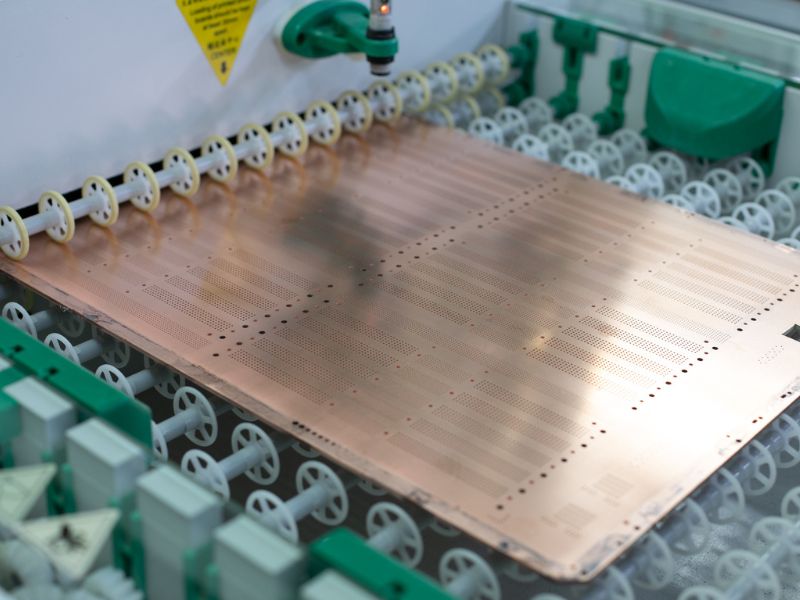
A printed circuit board is the structural and electrical backbone of any electronic product. Defects at the fabrication stage can lead to:
-
Signal integrity issues
-
Thermal instability
-
Field failures
-
Regulatory non-compliance
-
Costly recalls
A professional evaluation process reduces risk and ensures long-term supply chain stability.
How to Evaluate a PCB Fabrication Factory
Step 1: Assess Core Manufacturing Equipment
Equipment defines the technical ceiling of a PCB factory. Ask for details about the production infrastructure—not just general capability statements.
Drilling Systems
-
CNC drilling accuracy (hole tolerance control)
-
Maximum drill hit capacity
-
Laser drilling capability for HDI microvias
Advanced factories use high-speed CNC drilling machines with tight positional accuracy to support multilayer and high-density designs.
Imaging and Etching Lines
-
Automated inner-layer imaging systems
-
Controlled etching lines
-
Cleanroom environment for precision patterning
Automation reduces human variation and improves repeatability.
Lamination Systems
-
Multilayer press capacity
-
Controlled temperature and pressure systems
-
Uniform resin flow management
Lamination consistency directly affects delamination resistance and layer alignment.
Copper Plating Infrastructure
-
Automated plating lines
-
Copper thickness monitoring
-
Process chemistry control
Uniform copper plating ensures reliable via integrity and electrical conductivity.
Electrical Testing Systems
-
Bare board electrical testing
-
Flying probe testers
-
Automated defect detection systems
Testing infrastructure demonstrates a factory’s commitment to zero-defect delivery.
Step 2: Review Technical Capabilities and Production Limits

A professional PCB fabrication factory should provide measurable capability data.
Layer Count Support
-
Standard multilayer capability (e.g., 2L–16L or higher)
-
High-layer-count engineering support
Minimum Trace and Space
Fine-line capability indicates manufacturing precision and suitability for high-density applications.
Via Technology
-
Through-hole vias
-
Blind and buried vias
-
Microvias (HDI support)
Material and Thickness Range
-
FR-4, high-Tg materials
-
Controlled impedance stack-ups
-
Copper weight range
-
Board thickness flexibility
Monthly Production Capacity
Understanding production volume capacity ensures alignment with your forecast. Scalable factories provide both pilot runs and volume production support.
Step 3: Verify Certifications and Compliance
Certifications are not just formalities—they protect buyers legally and technically.
ISO 9001
An ISO-certified quality management system ensures documented processes and controlled operations.
IPC Standards Compliance
Factories should adhere to:
-
IPC-A-600 (Acceptability of Printed Boards)
-
IPC-6012 (Performance and Qualification Specification)
Compliance ensures boards meet internationally recognized workmanship criteria.
UL Certification
UL recognition is essential for products entering the U.S. market.
RoHS and REACH
Environmental compliance is mandatory for global distribution and corporate ESG requirements.
Step 4: Examine Quality Control Systems
Equipment alone does not guarantee reliability. Quality systems define consistency.
Automated Optical Inspection (AOI)
AOI systems detect pattern defects, shorts, and opens before final shipment.
Statistical Process Control (SPC)
SPC monitoring tracks process variation and prevents deviation before defects escalate.
Traceability Systems
Modern factories maintain:
-
Batch tracking
-
Digital production logs
-
Material traceability
Traceability is especially critical for industrial, automotive, and medical electronics.
Non-Conformance Management
A documented corrective and preventive action (CAPA) system demonstrates process maturity.
Step 5: Evaluate Engineering and DFM Support
A true manufacturing partner provides engineering collaboration—not just production.
Design for Manufacturability (DFM) Review
-
Stack-up optimization
-
Trace width validation
-
Via aspect ratio assessment
-
Material selection guidance
Early DFM engagement reduces redesign cycles and yield loss.
Engineering Change Management
Professional factories manage revision control through structured documentation and approval workflows.
>>> Read more: Leading Circuit Board Manufacturing Companies: How to Choose the Right PCB Partner
Step 6: Assess Digital Production Infrastructure
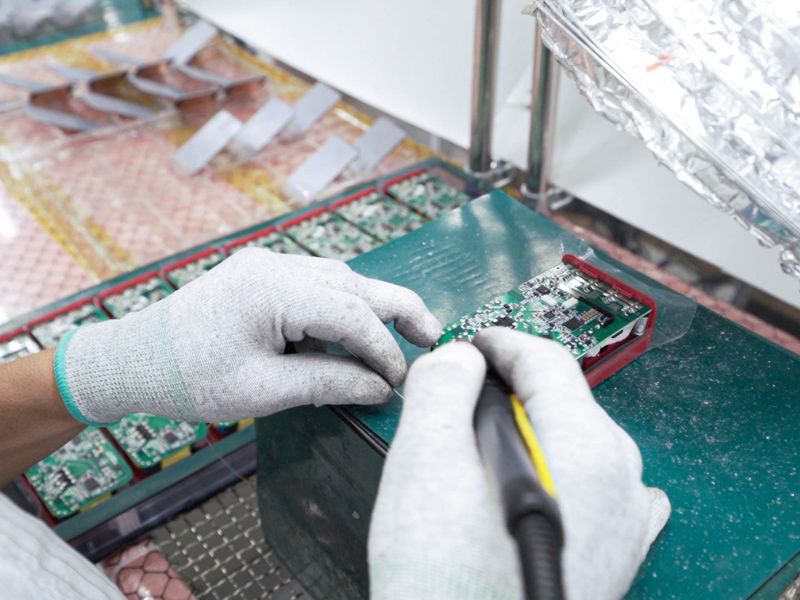
System integration differentiates advanced factories from basic production shops.
ERP Systems
Enterprise Resource Planning systems manage:
-
Procurement
-
Inventory
-
Production scheduling
-
Cost tracking
MES (Manufacturing Execution System)
MES enables:
-
Real-time production monitoring
-
Traceability
-
Quality data capture
PLM Integration
Product Lifecycle Management systems ensure alignment between engineering updates and manufacturing execution.
Digital infrastructure reduces supply chain risk and enhances transparency.
Step 7: Evaluate Communication and Operational Transparency
For U.S. OEMs sourcing overseas, communication quality matters.
Look for:
-
English-speaking engineering support
-
Structured reporting systems
-
Transparent lead time commitments
-
Sample validation and pilot run flexibility
Operational transparency builds trust.
Regional Considerations: Evaluating Overseas PCB Fabrication Factories
Southeast Asia has emerged as a strategic manufacturing region due to:
-
Skilled technical workforce
-
Industrial park infrastructure
-
Competitive cost structures
-
Established logistics networks
However, buyers should prioritize factories with internationally aligned quality systems and digital production control.
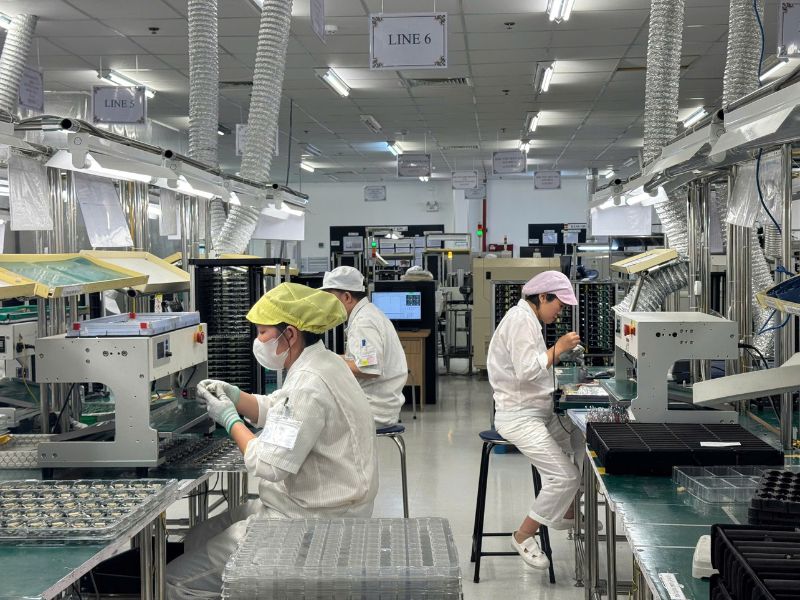
For example, manufacturers such as SHDC, located in VSIP Hai Duong Industrial Park, operate within structured industrial facilities supported by integrated ERP, MES, PLM, and QMS systems. With ISO-certified management, advanced SMT production lines, 3D AOI inspection, ICT and FCT testing capabilities, and fine-pitch placement support down to 0201 components, SHDC represents the type of system-driven, engineering-oriented facility increasingly serving U.S. OEM clients.
Rather than focusing solely on cost, such facilities emphasize process control, traceability, and scalable production systems aligned with international standards.
>>>Read more: SHDC – EMS electronics manufacturing services in Vietnam for US companies
PCB Fabrication Factory Evaluation Checklist
When assessing a PCB fabrication factory, confirm:
- Advanced drilling and lamination equipment
- Defined multilayer and fine-line capability
- ISO and IPC compliance
- UL and environmental certifications
- AOI and electrical testing systems
- Digital traceability (ERP/MES integration)
- Documented DFM review process
- Clear communication and reporting structure
- Scalable production capacity
This structured evaluation approach minimizes risk and supports long-term partnership stability.
Frequently Asked Questions
What certifications should a PCB fabrication factory have?
At minimum, ISO 9001 certification and IPC compliance. UL and RoHS certifications are typically required for U.S. markets.
How do I verify a PCB factory’s production capability?
Request technical capability documentation, equipment lists, layer count limits, trace/space tolerances, and monthly output capacity.
Is overseas PCB fabrication reliable?
Yes—when supported by certified quality systems, advanced inspection infrastructure, digital traceability, and structured engineering collaboration.
What is the difference between fabrication and assembly?
Fabrication produces the bare PCB. Assembly (PCBA) adds electronic components and performs soldering, inspection, and functional testing.
Conclusion
Evaluating a PCB fabrication factory requires more than reviewing price quotes. Buyers must assess equipment sophistication, technical capability limits, certification status, quality control systems, and digital production infrastructure. Factories that combine engineering-led DFM support, internationally recognized certifications, advanced inspection systems, and integrated ERP/MES traceability are best positioned to deliver reliable, scalable production for global OEMs.
A structured evaluation process transforms supplier selection from transactional sourcing into a strategic manufacturing partnership.
