Tiếng Việt
 日本語
日本語
In PCB assembly, quality is not only about meeting specifications—it directly impacts product reliability, lifecycle performance, and brand reputation. For OEM companies and engineers, understanding the standards that govern manufacturing and inspection is essential to avoid costly failures. Two of the most critical standards in electronics manufacturing are IPC J-STD-001 and IPC-A-610. Although they are often mentioned together, they serve fundamentally different roles in the production process. This guide explains the key differences between these standards and how they work together to ensure high-quality PCB assembly.
What Is IPC J-STD-001?
Definition
IPC J-STD-001 is the industry standard that defines the requirements for soldered electrical and electronic assemblies. It focuses on how soldering processes must be performed to achieve reliable and consistent results.
Unlike inspection-based standards, J-STD-001 emphasizes process control, ensuring that every step in soldering—from material selection to execution—is properly managed.
What Does J-STD-001 Cover?
J-STD-001 provides detailed guidelines for soldering materials, process parameters, and workmanship requirements. It specifies how solder joints should be formed, including temperature control, flux usage, and handling procedures.
By standardizing these variables, manufacturers can reduce process variability and ensure consistent solder joint quality across production batches.
Why J-STD-001 Matters
Solder joints are the backbone of any PCB assembly, and even minor process deviations can lead to long-term reliability issues. Poor soldering can result in weak connections, intermittent failures, or complete system breakdowns.
By following J-STD-001, manufacturers can prevent defects at the source, rather than relying solely on inspection to catch problems later.
>>>Read more: ISO Standards for Manufacturing: What OEM Companies Need to Know
What Is IPC-A-610?
Definition
IPC-A-610 is the standard that defines the acceptability of electronic assemblies based on visual inspection criteria. It establishes clear guidelines for determining whether a PCB assembly meets quality requirements.
Instead of focusing on how a product is made, IPC-A-610 evaluates the final result and classifies it as acceptable or defective.
What Does IPC-A-610 Cover?
This standard includes detailed visual criteria for solder joints, component placement, cleanliness, and overall workmanship. It helps inspectors identify defects such as insufficient solder, bridging, or misalignment.
By providing consistent inspection criteria, IPC-A-610 ensures that quality evaluations are standardized across different manufacturers and regions.
Why IPC-A-610 Matters
Without a clear inspection standard, quality control can become subjective and inconsistent. IPC-A-610 eliminates this ambiguity by defining exactly what is acceptable and what is not.
This ensures that products shipped to customers meet consistent quality expectations, regardless of where they are manufactured.
>>>Read more: What Are IPC Standards? Essential Certifications in Electronics Manufacturing
IPC J-STD-001 vs IPC-A-610: Key Differences
Quick Comparison
| Criteria | IPC J-STD-001 | IPC-A-610 |
|---|---|---|
| Focus | Soldering process | Inspection & acceptability |
| Purpose | How to build | What is acceptable |
| Stage | Manufacturing | Quality control |
| Users | Engineers, operators | Inspectors, QA teams |
Core Difference Explained
IPC-A-610 defines what is acceptable, while IPC J-STD-001 defines how to achieve it.
This distinction highlights the complementary nature of the two standards. J-STD-001 ensures that the manufacturing process is controlled and optimized, while IPC-A-610 verifies that the final product meets quality expectations.
Together, they create a closed-loop quality system that covers both prevention and detection.
Process vs Inspection
J-STD-001 is used during production to guide technicians and engineers in executing proper soldering techniques. It focuses on preventing defects by controlling process variables such as temperature, materials, and handling.
In contrast, IPC-A-610 is used after production to inspect finished assemblies. Its role is to identify defects and ensure that only acceptable products are delivered to customers.
Real-World Applications in PCB Assembly
During Production (J-STD-001)
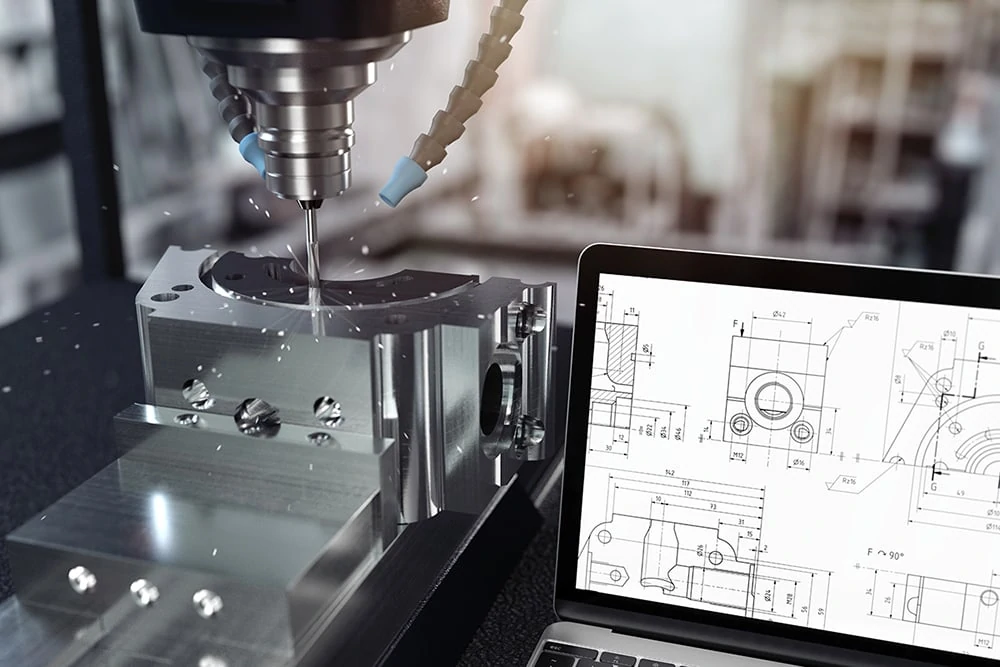
During the manufacturing stage, J-STD-001 is used to train operators and define process requirements. It ensures that soldering is performed consistently, reducing variability and improving overall yield.
By controlling the process at this stage, manufacturers can significantly reduce the likelihood of defects occurring later.
During Inspection (IPC-A-610)
Once assembly is complete, IPC-A-610 is applied to evaluate the final product. Inspectors use this standard to determine whether solder joints and components meet acceptance criteria.
This step acts as a final quality gate, preventing defective products from reaching customers.
Why Both Standards Are Used Together
In real-world manufacturing environments, these two standards are always used together rather than independently. J-STD-001 focuses on preventing defects during production, while IPC-A-610 ensures that any remaining defects are identified during inspection.
This dual approach provides a more robust quality control system, reducing risk and improving product reliability.
Common PCB Assembly Defects and How These Standards Address Them
Cold Solder Joints
Cold solder joints occur when the solder does not fully melt and properly bond with the component lead and PCB pad. This is often caused by insufficient heat or poor temperature control during the soldering process.
J-STD-001 helps prevent this issue by defining proper soldering parameters, while IPC-A-610 helps inspectors identify weak or incomplete joints.
Solder Bridges
Solder bridges form when excess solder unintentionally connects adjacent pads or pins. This defect is typically caused by poor solder paste application or inadequate process control.
While J-STD-001 minimizes the risk through process guidelines, IPC-A-610 ensures that such defects are detected before shipment.
Insufficient Solder Wetting
Insufficient wetting occurs when solder fails to properly spread across the pad surface. This leads to weak mechanical bonding and unreliable electrical connections.
Proper process control under J-STD-001 reduces this risk, while IPC-A-610 provides visual criteria to identify unacceptable wetting conditions.
Voids in BGA Solder Joints
Voids are air pockets trapped within solder joints, especially in BGA components. These can reduce thermal conductivity and weaken the joint over time.
J-STD-001 addresses process conditions to limit void formation, while IPC-A-610 defines acceptable void levels during inspection.
>>>Read more: 7 Mistakes to Avoid When Choosing a Custom PCB Assembly Partner
Which Standard Should OEM Companies Focus On?
OEM companies should not choose between these two standards—they need both. J-STD-001 ensures that manufacturing processes are reliable, while IPC-A-610 ensures that the final product meets quality expectations.
When selecting a contract PCB assembly partner, it is essential to verify compliance with both standards. This includes checking certifications, inspection processes, and engineering capabilities.
Failing to apply either standard can lead to higher defect rates, product failures, and increased costs over time.
How to Ensure Compliance in PCB Assembly
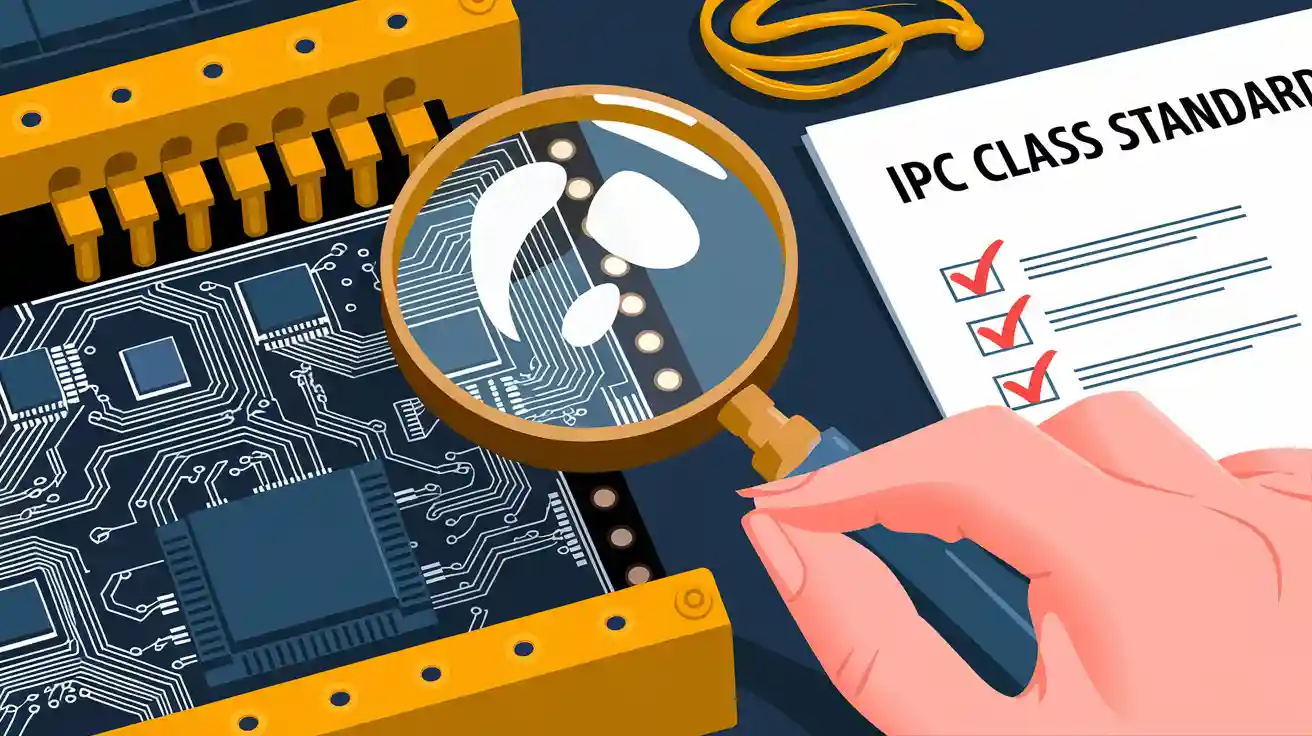
Define IPC Requirements Early: Clearly defining the required IPC class at the design stage ensures that all stakeholders align on quality expectations. This prevents confusion and reduces rework later in the process.
Choose the Right Manufacturer: Working with an experienced PCB assembly manufacturer that follows IPC standards is critical. A qualified partner will have trained engineers, standardized processes, and proper quality control systems.
Verify Inspection Capabilities: Manufacturers should use advanced inspection tools such as AOI and X-ray systems. These technologies help detect defects that may not be visible through manual inspection.
Conduct a DFM Review: Design for Manufacturing analysis ensures that your PCB design is optimized for production. This step helps identify potential issues early and improves overall manufacturability.
Why IPC Standards Matter in Global Manufacturing
IPC standards provide a universal framework that allows manufacturers across different regions to maintain consistent quality. This is especially important for companies working with offshore PCB assembly partners.
By standardizing both process and inspection, IPC standards enable scalable, reliable, and cost-effective production across global supply chains.
Why Choose an IPC-Compliant PCB Assembly Partner Like SHDC
SHDC combines advanced manufacturing capabilities with strict adherence to IPC standards. Their SMT production lines support both prototype and high-volume manufacturing with consistent quality.
Quality control processes follow IPC-A-610 and J-STD-001, supported by AOI and X-ray inspection systems. This ensures that both process control and final inspection meet international standards.
In addition, SHDC provides DFM support to help optimize designs before production, reducing defects and improving efficiency. With experience serving global OEM clients, SHDC delivers reliable and scalable manufacturing solutions.
Conclusion
IPC J-STD-001 and IPC-A-610 play complementary roles in PCB assembly, forming a complete quality framework. While J-STD-001 ensures that soldering processes are properly controlled, IPC-A-610 ensures that the final product meets defined quality standards For OEM companies, applying both standards is essential to reduce risk, improve reliability, and ensure consistent production outcomes.
>>>Read more: EMS Vietnam: Reliable Electronics Manufacturing Services for Global OEMs