Tiếng Việt
 日本語
日本語
In modern electronics manufacturing, the success of a product is rarely determined during mass production. Instead, it is shaped much earlier—during the prototyping phase. For OEM companies, PCB prototyping services are not just a technical requirement. They are a strategic decision point that directly impacts development speed, product reliability, and long-term manufacturing cost. Yet, many teams still evaluate prototyping services based on surface-level metrics such as price per board or quoted lead time. This approach often overlooks the deeper factors that truly determine success: engineering capability, iteration efficiency, and scalability. This article takes a closer look at how experienced OEM teams evaluate PCB prototyping services—not just as a vendor selection process, but as a critical step in building a reliable and scalable product.
What PCB Prototyping Services Actually Include
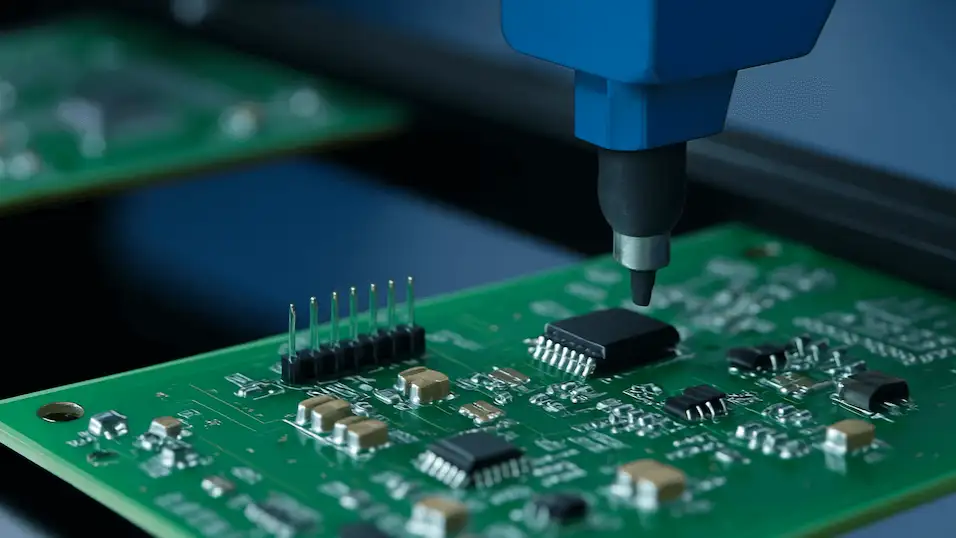
At a glance, PCB prototyping services are often perceived as a combination of fabrication and assembly. In reality, this definition is incomplete. A true prototyping service is a multi-layered process that integrates manufacturing, engineering, and validation into a single workflow.
Beyond PCB Assembly: The Full Scope of Prototyping Services
A comprehensive PCB prototyping service typically includes:
- PCB fabrication (bare board production)
- Component sourcing and supply chain coordination
- Surface-mount and through-hole assembly
- Functional testing and validation
However, the key distinction lies not in the individual steps, but in how they are integrated.
In a fragmented model—where fabrication, sourcing, and assembly are handled by different vendors—coordination becomes a bottleneck. Delays in component availability, mismatches in specifications, and communication gaps can significantly slow down the prototyping cycle.
By contrast, integrated prototyping services streamline these processes, reducing friction and enabling faster iteration.
Industry insight: The efficiency of a prototype build is not determined by how fast each step is completed—but by how well those steps are connected.
Engineering Support as the Real Differentiator
While manufacturing capability is essential, engineering support is what truly differentiates PCB prototyping services.
During prototyping, design files are rarely perfect. Issues related to layout, component selection, thermal performance, and assembly constraints often emerge only when the design is translated into a physical product.
A strong prototyping partner provides:
- DFM (Design for Manufacturability) analysis
- DFA (Design for Assembly) optimization
- Debugging support during validation
This level of involvement transforms the supplier from a production vendor into a technical partner.
Practical insight: The most valuable prototype is not the one that is built fastest—but the one that identifies the most potential issues before production.
Why PCB Prototyping Services Determine Product Success
It is easy to treat prototyping as a preliminary phase, but its impact extends far beyond initial testing.
Impact on Time-to-Market
Every iteration in the prototyping phase adds time to the product development cycle. Inefficient prototyping services can introduce delays through slow feedback, limited flexibility, or repeated errors.
Conversely, a responsive prototyping partner can accelerate development by reducing iteration cycles and resolving issues early.
For OEM companies operating in competitive markets, even a few weeks of delay can affect product launch timing and market positioning.
Impact on Production Cost
Prototype decisions directly influence production cost.
Design issues that go unnoticed during prototyping—such as inefficient layouts or difficult-to-assemble components—can lead to higher defect rates and increased manufacturing costs at scale.
Addressing these issues during prototyping is significantly less expensive than correcting them during mass production.
Impact on Product Reliability
Reliability is often tested during the prototyping phase, but it is defined by the quality of that process.
Inconsistent assembly, insufficient testing, or overlooked design flaws can result in prototypes that pass initial checks but fail under real-world conditions.
Industry insight: A prototype that “works” is not necessarily a reliable product. Reliability comes from a controlled and well-validated prototyping process.
The Real Cost Structure of PCB Prototyping Services
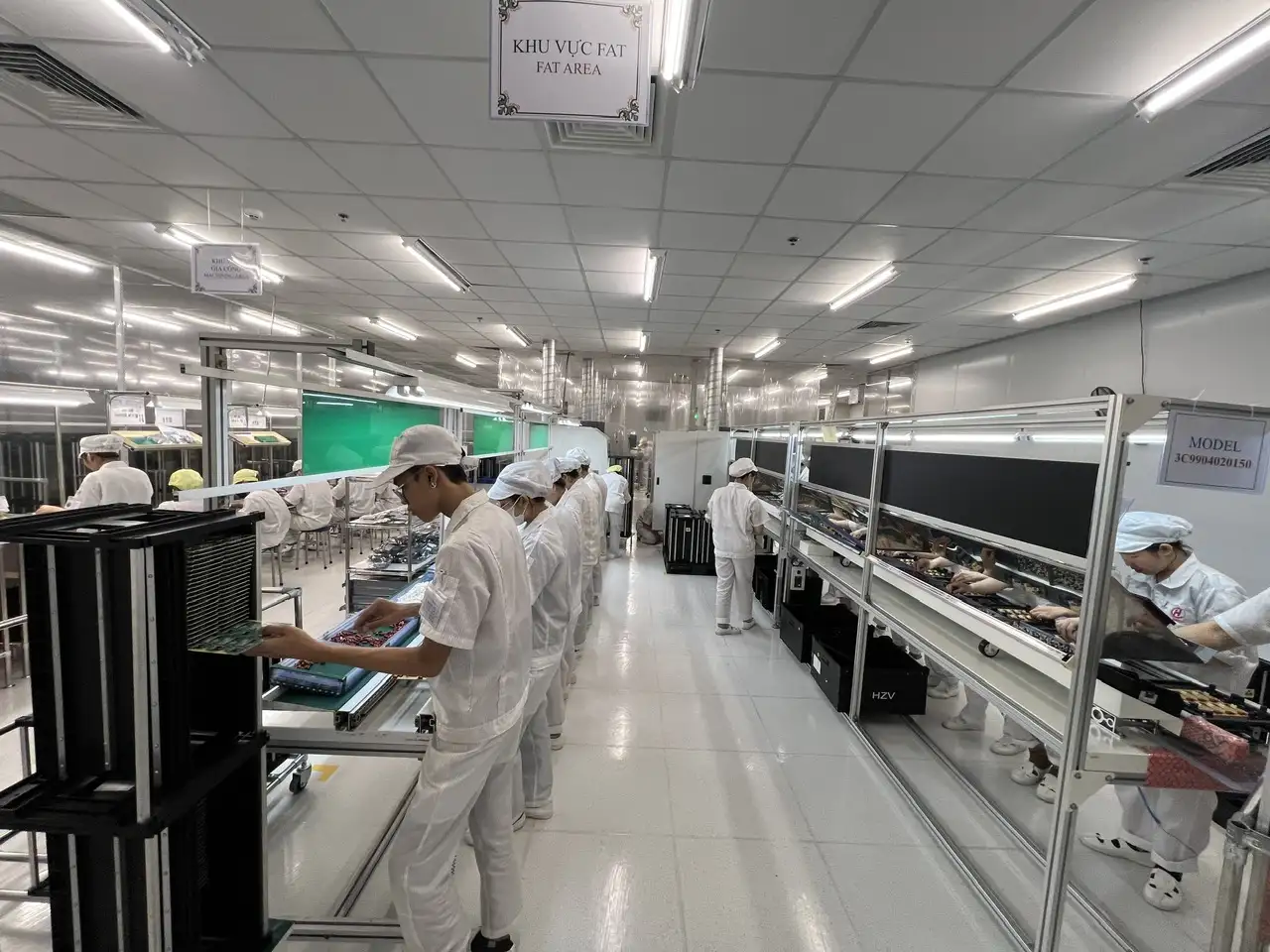
Understanding the cost of PCB prototyping services requires a shift in perspective.
Engineering Cost vs Assembly Cost
In low-volume prototyping, assembly cost is only a fraction of the total expense. Engineering activities—including design review, debugging, and validation—often represent a larger share.
This is particularly true for complex designs where multiple iterations are required.
A prototyping service that includes strong engineering support may appear more expensive upfront but can reduce total project cost by minimizing rework.
Iteration Cost and Hidden Expenses
Each design revision introduces additional cost—not just in manufacturing, but in time and coordination.
Hidden costs include:
- Re-sourcing components
- Reprogramming assembly processes
- Additional testing cycles
Reducing the number of iterations is therefore a key factor in controlling overall cost.
The Cost of Failure
Perhaps the most underestimated cost in prototyping is the cost of failure.
A prototype that fails to identify critical issues can lead to defects being carried into mass production. The resulting impact—product recalls, redesigns, delayed launches—can far exceed the cost of prototyping itself.
Key takeaway: The true value of PCB prototyping services lies in risk reduction, not just cost efficiency.
>>>Read more: Electronics Manufacturing Cost in Vietnam vs China
Lead Time in PCB Prototyping Services: What Actually Matters
Lead time is often treated as a simple metric, but its real significance is more nuanced.
Production Speed vs Iteration Speed
A fast production cycle is valuable, but prototyping rarely involves a single cycle.
Iteration speed—the ability to move quickly from one version to the next—is often more important. This depends on:
- Engineering responsiveness
- Process flexibility
- Communication efficiency
A slightly longer production time per iteration can be offset by fewer total iterations.
Factors That Influence Lead Time
Several variables affect the overall lead time of PCB prototyping services:
- Component availability and sourcing efficiency
- Complexity of the design
- Level of engineering involvement
- Internal process coordination
Understanding these factors helps OEM teams set realistic expectations and select the right partner.
Key Risks in PCB Prototyping Services
Prototyping introduces multiple risks, many of which are not immediately visible.
Design-to-Manufacturing Misalignment
A design that performs well in simulation may encounter issues during manufacturing. Without proper DFM/DFA analysis, these issues can lead to delays and rework.
Limited Engineering Feedback
Some suppliers focus solely on execution, providing minimal feedback on design quality. This shifts the burden of problem-solving entirely onto the OEM team.
Inconsistent Quality Control
Prototype builds often involve manual processes and small batch sizes, which can introduce variability. Without strict quality control, results may be inconsistent.
Scalability Risk
A prototype that works in small quantities may not translate well to mass production. Differences in process, equipment, or material handling can create new challenges at scale.
Industry insight: A successful prototype is not just functional—it must also be manufacturable at scale.
How OEM Companies Evaluate PCB Prototyping Service Providers
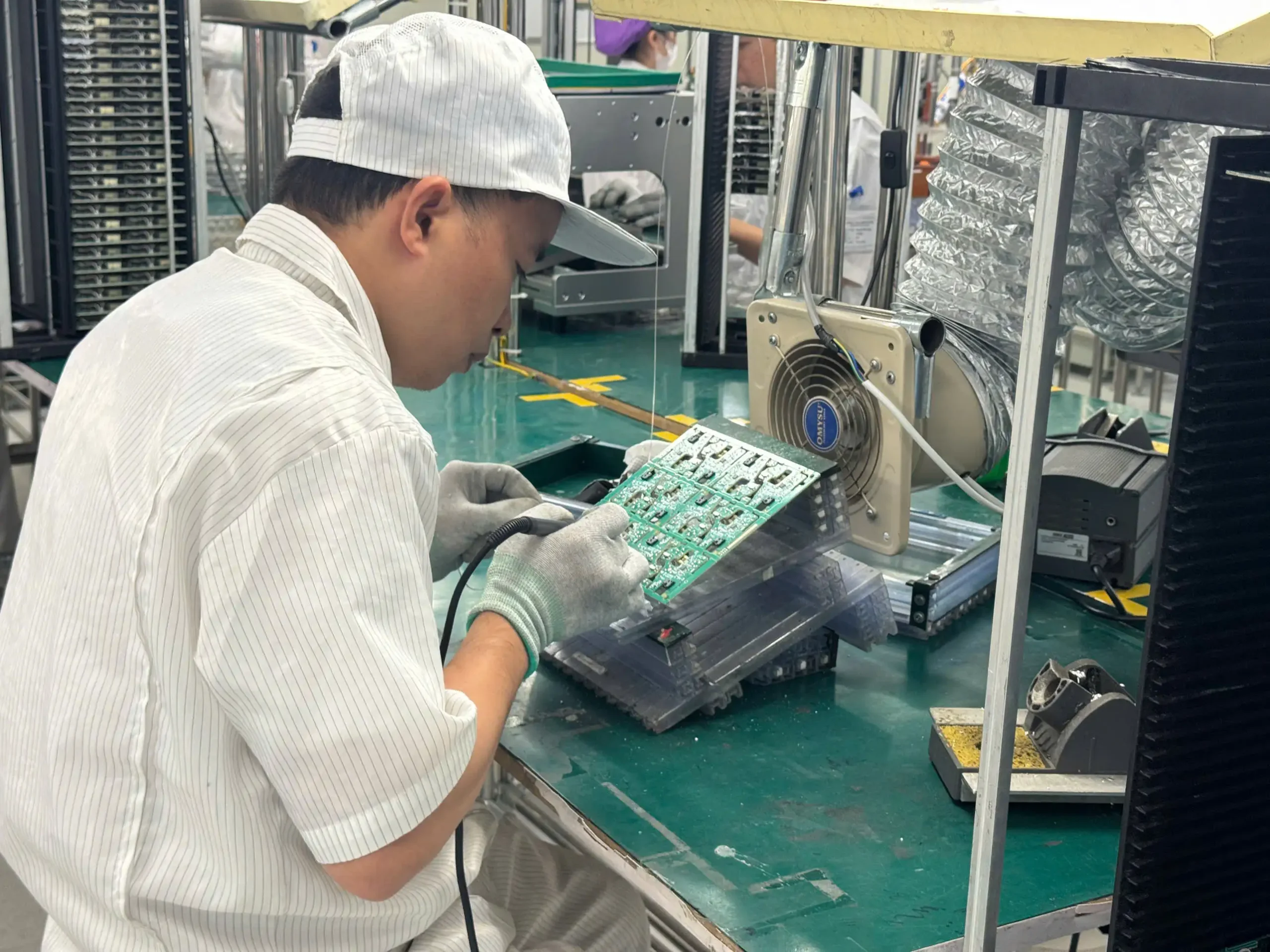
Experienced OEM teams take a structured approach when selecting prototyping partners.
Engineering Capability Over Price
While cost remains important, engineering capability is often the primary criterion.
A partner that can identify and resolve design issues early provides long-term value that outweighs initial cost differences.
Process Control and Quality Systems
Structured quality systems—such as ISO-certified processes—indicate a level of discipline in manufacturing.
These systems help ensure consistency, traceability, and continuous improvement.
Lifecycle Support
The ability to support both prototyping and mass production is a critical advantage.
It reduces the need for supplier transitions and ensures continuity in process and knowledge.
Communication and Technical Alignment
Effective communication is essential for rapid iteration.
OEM teams prioritize partners who can provide clear feedback, respond quickly, and align with technical requirements.
From Prototype to Production: Why Continuity Matters
Switching suppliers between prototyping and production is a common practice, but it introduces risk.
Each transition requires:
- Knowledge transfer
- Process revalidation
- Alignment of specifications
These steps can add time and increase the likelihood of errors.
Maintaining continuity with a single partner allows for a smoother transition, preserving the insights gained during prototyping and applying them directly to production.
A Practical Example of a Full-Service Prototyping Partner
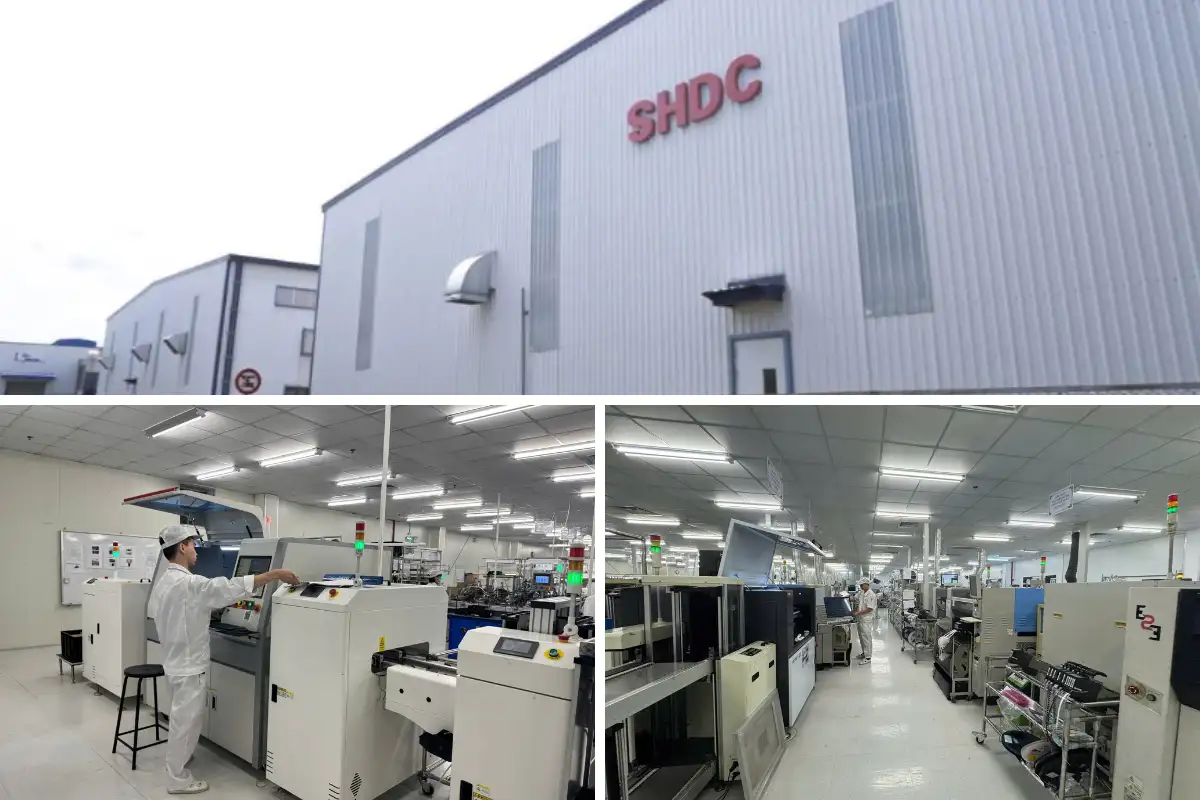
To understand how these principles are applied in practice, it is useful to look at a real-world example.
Integrated Manufacturing and Engineering
SHDC Electronics operates as a full-service electronics manufacturing provider, integrating PCB fabrication, component sourcing, assembly, and testing within a unified workflow.
This integration reduces coordination complexity and enables faster iteration during prototyping.
Its SMT production lines are designed to handle both high-precision assembly and small-batch flexibility, making them suitable for prototype builds as well as pilot production.
Structured Quality and Process Control
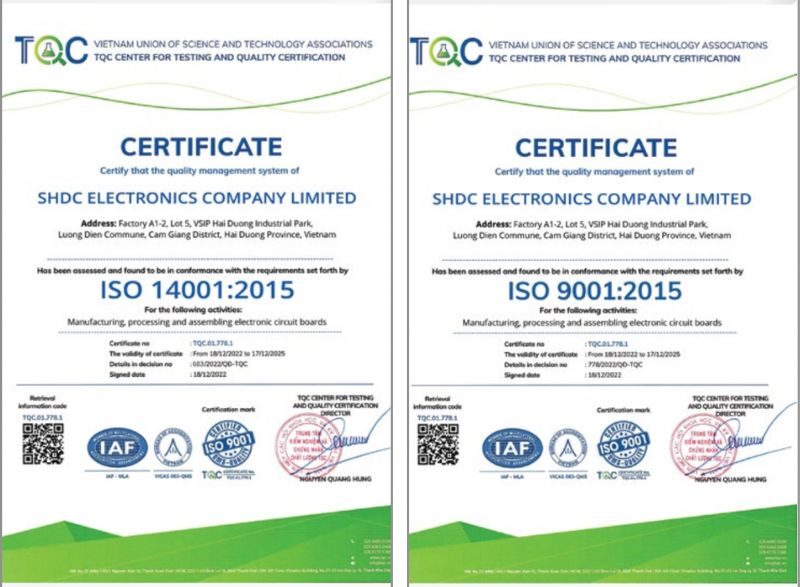
SHDC’s quality management system is built on internationally recognized standards, including ISO 9001:2015 and ISO 14001:2015.
These certifications reflect a structured approach to:
- Process control
- Quality assurance
- Environmental responsibility
In prototyping, where consistency is critical, such systems help ensure reliable results across multiple iterations.
>>>SHDC Contract Electronics Manufacturing Services for OEM Companies in Vietnam
Prototype-to-Mass Production Capability
One of SHDC’s key strengths lies in its ability to support the full product lifecycle.
By providing both prototyping and mass production services, the company enables OEM teams to maintain continuity from initial design validation to large-scale manufacturing.
This reduces the need for supplier transitions and minimizes the risk of inconsistencies between prototype and production stages.
Experience in Global Supply Chains
SHDC has participated in manufacturing supply chains associated with products linked to Apple, demonstrating its ability to meet global standards in quality and reliability.
This level of experience indicates not only technical capability but also the ability to operate within complex international supply chains.
>>>Read more: SHDC – The Vietnamese Component Manufacturer Behind Apple’s Popular PlugBug Charger
Why This Matters for OEM Companies
From a practical perspective, working with a partner like SHDC offers several advantages:
- Reduced development risk through engineering support
- Faster iteration cycles due to integrated processes
- Smoother transition to production
- Alignment with international quality standards
Final insight: In PCB prototyping services, the right partner is not just a supplier—it is a key contributor to product success.
Conclusion
PCB prototyping services play a foundational role in electronics product development. They influence not only the success of the prototype itself but also the efficiency, cost, and reliability of mass production. For OEM companies, selecting the right prototyping partner requires a deeper evaluation of engineering capability, process control, and scalability. While cost and lead time remain important, they should be considered within the broader context of risk reduction and long-term value. Ultimately, the effectiveness of a prototyping strategy is determined not by where the prototype is built, but by how well the process is managed—and how effectively the chosen partner supports the journey from concept to production.
>>>Read more: 10 Reasons to Choose Contract Electronics Manufacturing in Vietnam
FAQs
What are PCB prototyping services?
PCB prototyping services involve the fabrication, assembly, and testing of small quantities of circuit boards to validate design and functionality before mass production.
How much do PCB prototyping services cost?
Costs vary depending on design complexity, component sourcing, and engineering support. In most cases, engineering and iteration costs are more significant than assembly costs.
How long does PCB prototyping take?
Typical lead times range from 5 to 10 working days per iteration, depending on design complexity and component availability.
What is included in PCB prototyping services?
Services typically include PCB fabrication, component sourcing, assembly, testing, and engineering support such as DFM/DFA analysis.
How do OEM companies choose a prototyping partner?
Key factors include engineering capability, process control, communication efficiency, and the ability to support both prototyping and mass production.