
 Tiếng Việt
 日本語
日本語
In electronics product development, the prototyping phase is where ideas are validated—and where costly mistakes are either caught early or amplified later. For OEM companies, the ability to build reliable prototypes quickly is not just a technical requirement; it is a strategic advantage. For years, China has been the default destination for prototype PCB assembly due to its speed and supply chain maturity. However, rising costs and increasing pressure to diversify manufacturing have pushed companies to evaluate alternatives. Among them, Vietnam has emerged as a compelling option. This raises an important question: Can prototype PCBA Vietnam deliver the same speed and reliability while reducing cost and risk? The answer depends not only on geography—but on how prototyping actually works in real-world manufacturing environments.
What Is Prototype PCBA—and Why It Matters More Than Most Teams Realize
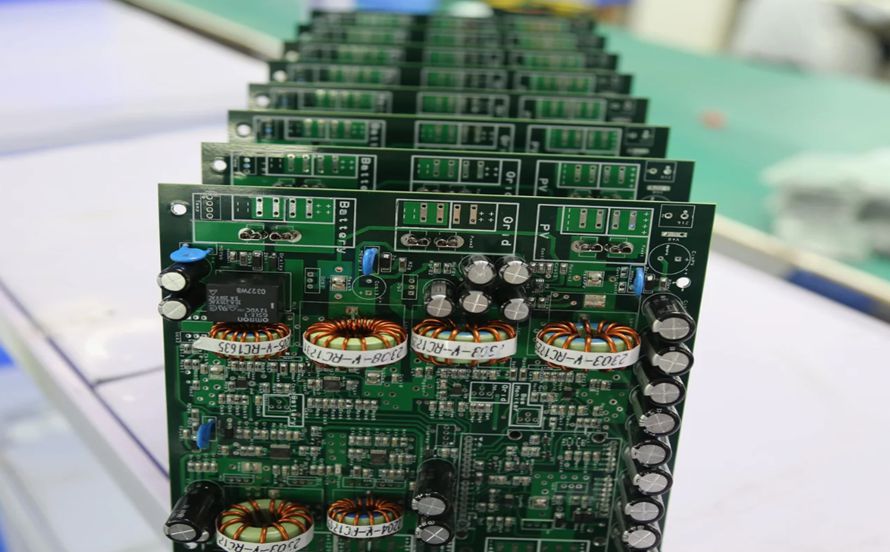
Prototype PCBA refers to the assembly of a limited number of printed circuit boards for testing, validation, and iteration before moving into mass production. While this definition is straightforward, its importance is often underestimated.
In practice, prototype PCBA is not just a preliminary step—it is where the foundation of product quality and manufacturability is established. Every design decision made during this phase affects downstream production cost, yield rate, and time-to-market.
Unlike mass production, which prioritizes efficiency and scale, prototyping is inherently iterative. Designs evolve, components change, and unforeseen issues emerge. As a result, the value of a prototype manufacturing partner lies not in how fast they can assemble a board once, but in how effectively they can support multiple cycles of refinement.
From an engineering perspective, a well-executed prototype build can identify issues related to layout, thermal performance, solderability, and component compatibility. From a business perspective, it reduces the risk of scaling defects into thousands of units.
Industry insight: The cost of prototyping is not measured by the price per board—it is measured by how much risk it removes before mass production begins.
Why Prototype PCBA Vietnam Is Becoming a Strategic Choice

The growing interest in prototype PCBA Vietnam is not simply a reaction to rising costs in China. It reflects a deeper shift in how OEM companies evaluate manufacturing partners.
At first glance, Vietnam’s advantage appears to be cost. Labor and operational expenses are lower, which naturally reduces assembly pricing. However, in prototyping, cost behaves differently than in high-volume manufacturing. Because batch sizes are small, the relative impact of labor cost is limited. What matters more is flexibility, responsiveness, and engineering support.
This is where Vietnam is gaining ground.
Many Vietnamese manufacturers are structured to handle smaller production runs and mixed product portfolios. This operational flexibility allows them to accommodate frequent design changes without the friction often encountered in high-volume environments. In contrast, large factories optimized for scale may be less responsive when dealing with rapid iteration cycles.
Another factor is geographic positioning. Vietnam’s proximity to China enables access to one of the world’s most advanced component ecosystems without requiring full dependency on it. Components can be sourced efficiently, while assembly is performed in a cost-effective and increasingly capable environment.
Practical insight: The value of prototype PCBA Vietnam lies in its ability to balance cost efficiency with engineering flexibility, which is exactly what prototyping demands.
>>>Read more: 10 Reasons to Choose Contract Electronics Manufacturing in Vietnam
Lead Time Is Not Just Speed—It Is Iteration Speed
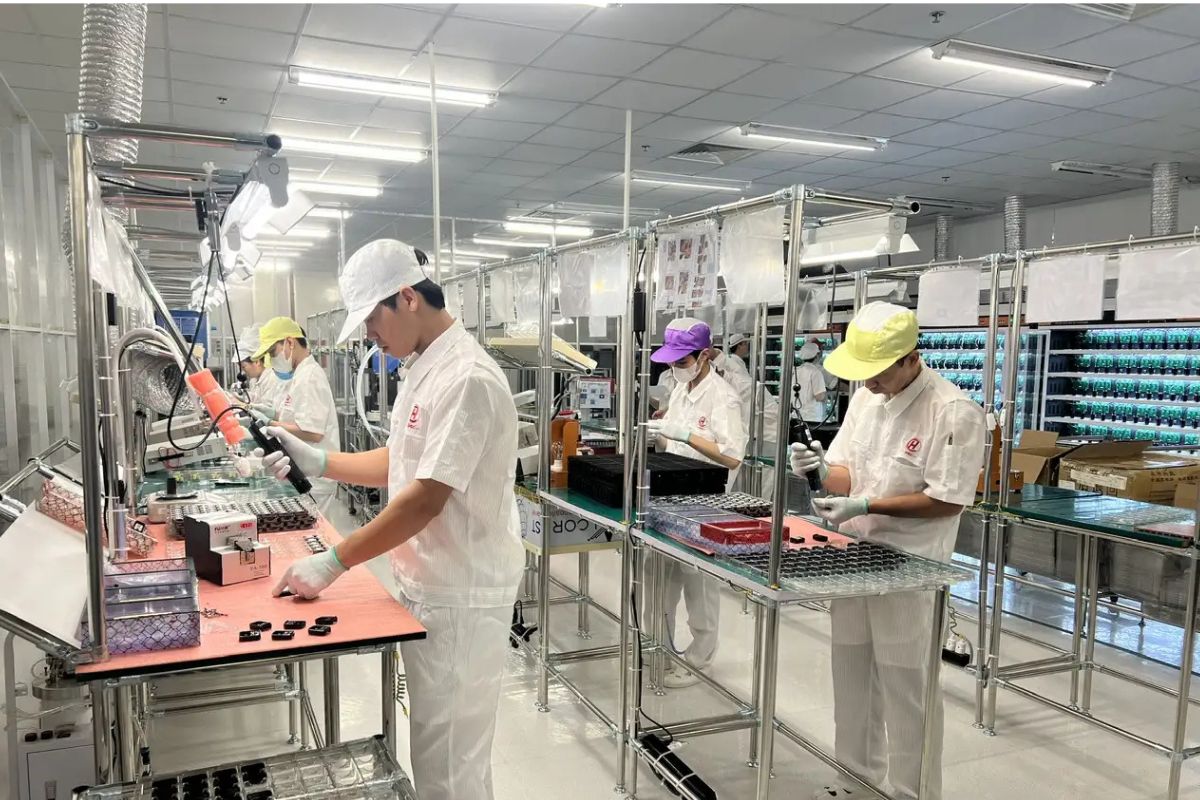
When comparing prototype PCBA Vietnam with China, lead time is often reduced to a simple metric: how many days it takes to deliver boards. This is a narrow view.
China’s advantage in lead time is rooted in its integrated supply chain. Components are widely available, logistics are streamlined, and production lines are optimized for rapid throughput. For a single, stable build, this often results in faster delivery.
However, prototyping rarely involves a single stable build.
Design revisions are common, and each revision requires coordination between engineering and manufacturing. In this context, the ability to adapt quickly becomes more important than raw production speed.
In many cases, prototype PCBA Vietnam providers can offer greater flexibility in scheduling, engineering support, and process adjustments. This means that while a single build may take slightly longer, the total development cycle—from initial prototype to final validated design—can be shorter.
ndustry insight: The real question is not “Which country is faster?” but “Which partner can reduce the number of iterations needed to reach a production-ready design?”
Understanding the True Cost Structure of Prototype PCBA
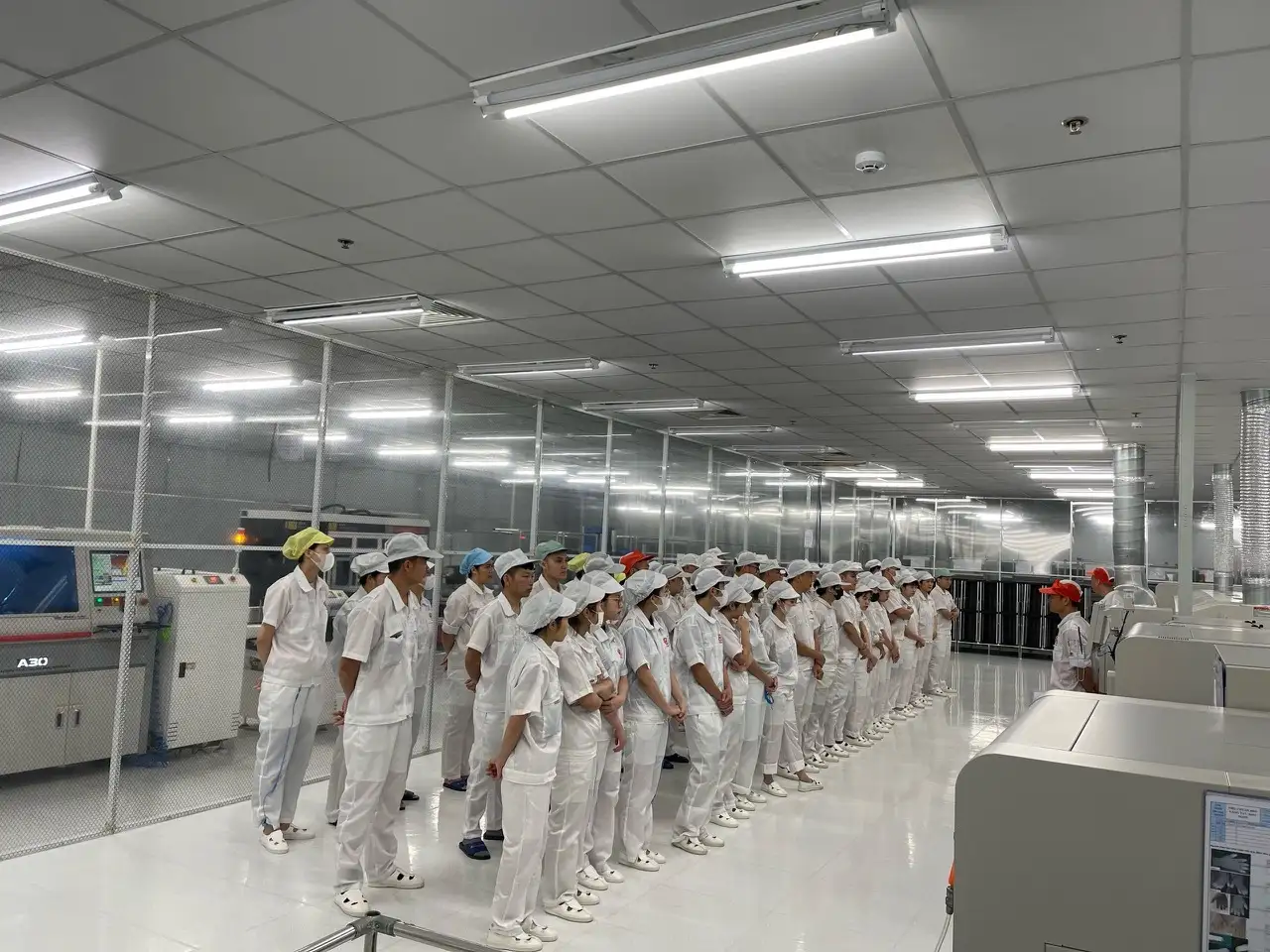
One of the most common misconceptions in electronics manufacturing is that prototype cost is primarily driven by assembly price. In reality, the cost structure is far more complex.
Labor cost, while important, plays a smaller role in low-volume production. Engineering effort, on the other hand, becomes a dominant factor. Activities such as design review, DFM (Design for Manufacturability), debugging, and test validation require time and expertise.
This is where the economics of prototype PCBA Vietnam become particularly interesting.
Because engineering and operational costs are lower in Vietnam, OEM companies can afford to iterate more frequently without significantly increasing their budget. This enables a more thorough validation process, which ultimately reduces risk in mass production.
Another critical factor is the cost of failure. A poorly executed prototype that passes initial testing but fails during scaling can lead to expensive redesigns, delayed product launches, and even reputational damage.
Key takeaway: The most cost-effective prototype is not the cheapest one—it is the one that minimizes downstream risk and accelerates time-to-market.
Challenges in Prototype PCBA Vietnam—and How to Navigate Them
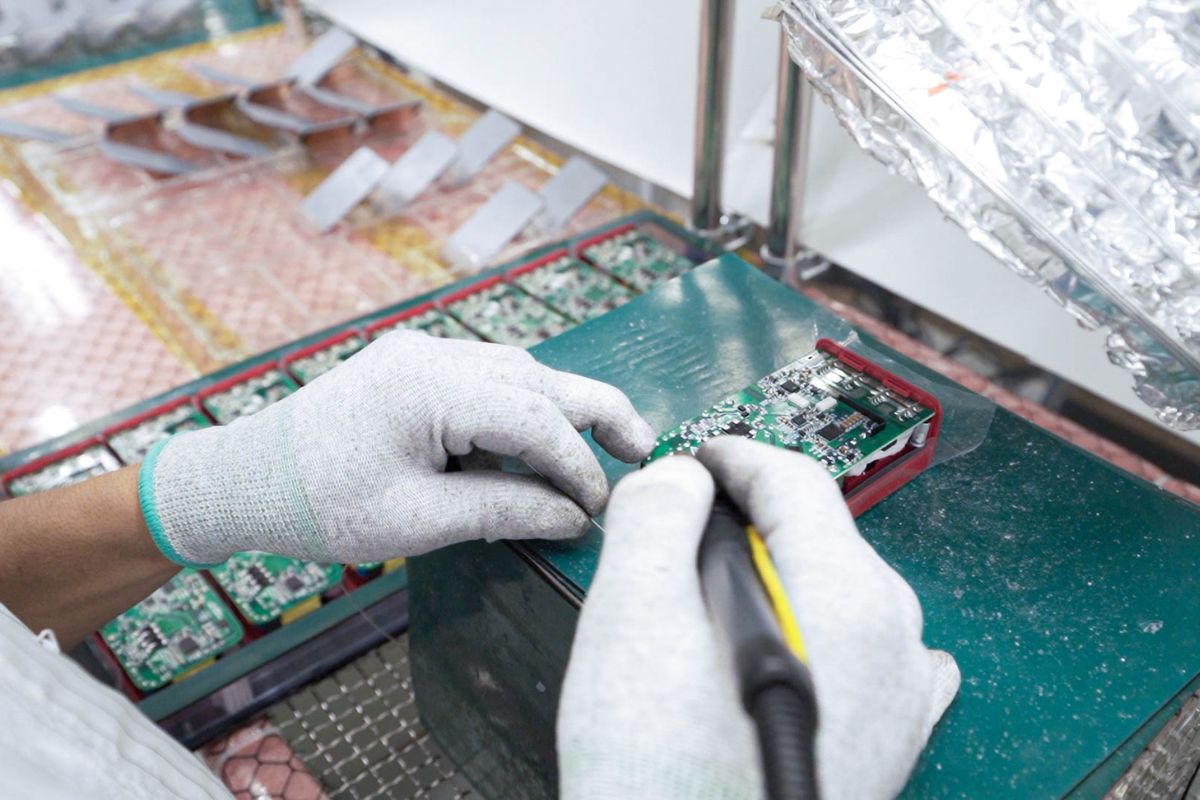
While prototype PCBA Vietnam offers clear advantages, it is not without challenges. Understanding these limitations is essential for making informed decisions.
One of the primary constraints is component availability. Unlike China, Vietnam does not yet have a fully localized electronics supply chain. This means that certain components must be imported, which can introduce delays—especially for specialized or high-demand parts.
Another challenge is variability in engineering capability. The quality of prototype support can differ significantly between manufacturers. Some providers focus primarily on assembly, while others offer deeper engineering collaboration. For complex designs, this difference can have a direct impact on outcome.
Communication also plays a critical role. Prototyping requires rapid feedback and clear alignment between design and manufacturing teams. Delays or misunderstandings can extend development cycles and increase cost.
Finally, quality consistency must be carefully evaluated. In prototype builds, each unit may be used for validation or testing, making consistency more important than in some mass production scenarios.
Industry insight:
The biggest risk in prototype PCBA is not cost—it is uncertainty in execution.
Mitigating that risk depends almost entirely on selecting the right partner.
>>>Read more: Electronics Manufacturing Vietnam: A Complete Guide for Global OEM Companies
What Actually Defines a Strong Prototype PCBA Partner
Choosing a prototype PCBA supplier is often approached as a checklist exercise—equipment, certifications, pricing. While these factors matter, they do not fully capture what differentiates a strong partner.
From a practical standpoint, three capabilities are critical.
- First is engineering integration. A capable partner does not simply assemble boards; they actively contribute to design optimization. This includes identifying potential manufacturing issues, suggesting improvements, and ensuring that the design can scale effectively.
- Second is process flexibility. Prototype builds require rapid adjustments, and the ability to reconfigure production quickly is essential. This is often more important than having the most advanced equipment.
- Third is continuity. The transition from prototype to mass production is where many projects encounter problems. Working with a partner that can support both stages reduces the need for revalidation and ensures consistency.
Practical insight: In prototyping, the best partner is not the one with the lowest quote—but the one that reduces the number of unknowns in your project.
Why SHDC Is a Reliable Choice for Prototype PCBA Vietnam
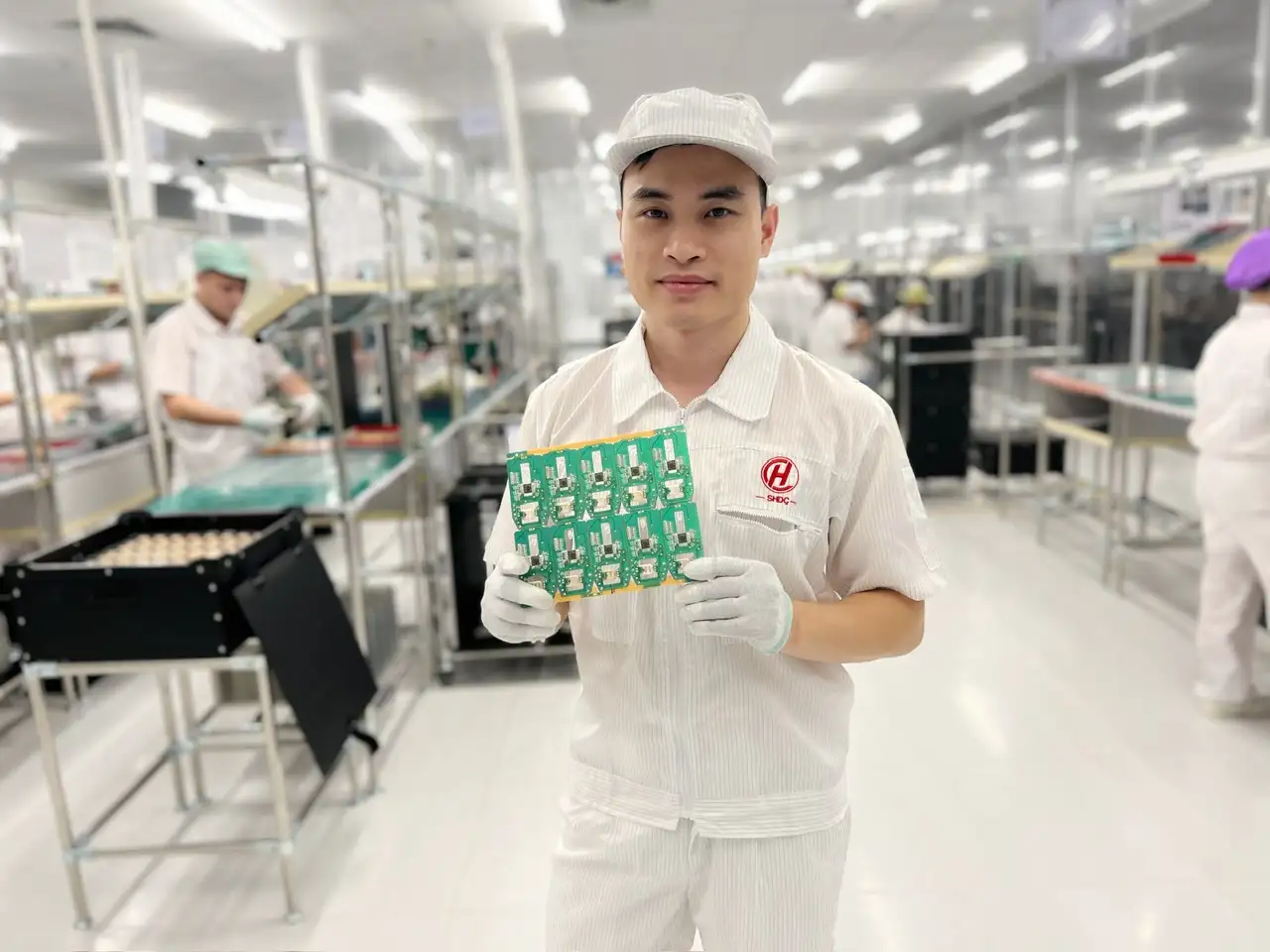
Within the landscape of prototype PCBA Vietnam, manufacturers vary widely in capability and approach. SHDC Electronics Company represents a model that aligns closely with the needs of OEM companies seeking both reliability and scalability.
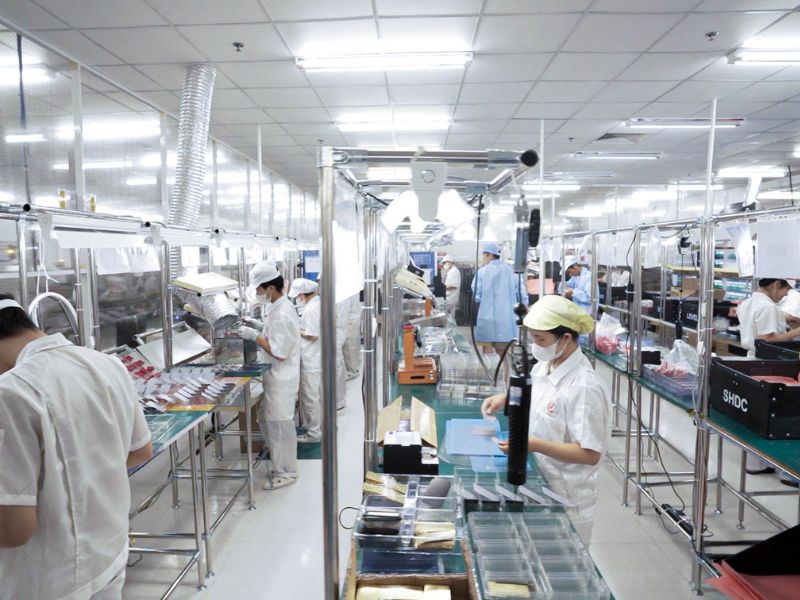
Rather than focusing solely on production capacity, SHDC emphasizes process control and engineering support. Its SMT lines are designed to handle both precision assembly and small-batch flexibility, which is critical for prototyping environments.
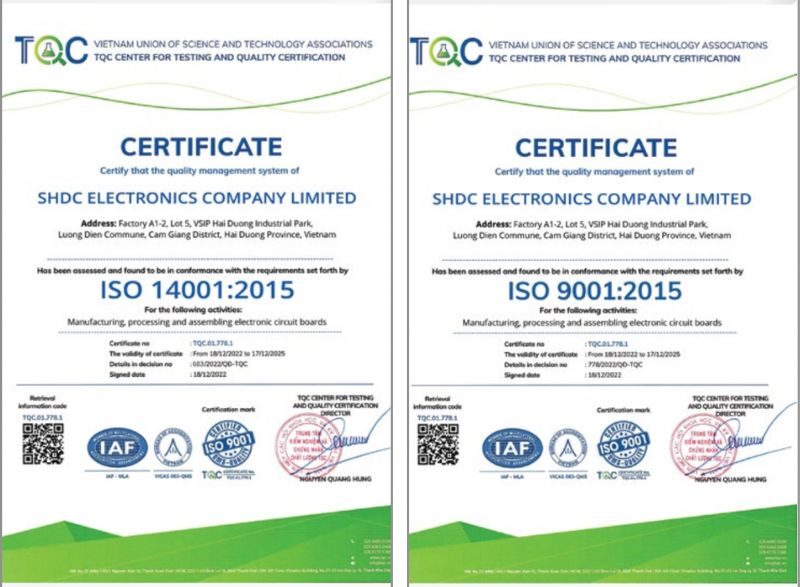
The company’s ISO 9001:2015 and ISO 14001:2015 certifications reflect a structured approach to quality and environmental management. While certifications alone do not guarantee performance, they indicate a level of process discipline that is essential for consistent execution.
More importantly, SHDC’s experience in global supply chains—including projects associated with Apple—demonstrates its ability to meet international standards in both quality and reliability.
From a strategic perspective, one of the most significant advantages of working with SHDC is continuity. By supporting both prototype and mass production, the company enables OEM teams to maintain alignment across the entire product lifecycle. This reduces transition risk and shortens time-to-market.
Final insight: A strong prototype partner does not just build your first boards—they help ensure that your product is ready for production at scale.
>>>Read more: SHDC Contract Electronics Manufacturing Services for OEM Companies in Vietnam
From Prototype to Production: Why Continuity Matters More Than Speed
A common mistake in product development is treating prototyping and mass production as separate phases handled by different suppliers. While this may appear cost-effective initially, it often introduces hidden risks.
Each transition between suppliers requires revalidation, knowledge transfer, and process alignment. Even small differences in equipment or process parameters can lead to inconsistencies.
By contrast, maintaining continuity with a single partner allows for smoother scaling. Lessons learned during prototyping can be directly applied to production, reducing both time and risk.
In this context, prototype PCBA Vietnam becomes more than a cost-saving option—it becomes part of a broader strategy to streamline product development.
Conclusion
Prototype PCBA plays a critical role in determining the success of an electronics product. It is the stage where design meets reality—and where the foundation for scalable manufacturing is established.
Vietnam is increasingly proving itself as a strong destination for prototype PCB assembly, offering a balance of cost efficiency, flexibility, and growing technical capability. While China continues to lead in supply chain maturity and speed, Vietnam provides a compelling alternative for OEM companies seeking agility and risk diversification.
Ultimately, the decision is not just about location. It is about choosing a partner that can support iteration, reduce uncertainty, and ensure a smooth transition to production.
FAQs
What is prototype PCBA?
Prototype PCBA is the process of assembling a small number of printed circuit boards to test and validate a design before mass production.
How long does prototype PCBA take in Vietnam?
Typical turnaround time ranges from 5 to 10 working days, depending on design complexity and component availability.
Is prototype PCBA Vietnam cheaper than China?
Vietnam generally offers lower labor and operational costs, but total cost depends on engineering effort, component sourcing, and project complexity.
What files are required for prototype PCB assembly?
Most manufacturers require Gerber files, a bill of materials (BOM), and pick-and-place data to begin production.
How do I choose the right prototype PCBA partner?
Focus on engineering capability, process flexibility, quality systems, and the ability to support both prototype and mass production.
>>>Read more: China Alternative Electronics Manufacturing: Why Vietnam Is the Top Choice in 2026
