Tiếng Việt
 日本語
日本語
In 2018, the U.S.-China trade war began reshaping the global electronics supply chain. By 2026, with tariffs on Chinese electronics reaching 145%, the question for U.S. procurement teams is no longer whether to diversify — it’s where to go and how fast. This guide breaks down the full tariff impact on electronics manufacturing across China and Vietnam, compares total landed costs, and explains why companies like Apple, Samsung, and hundreds of U.S. SMEs are accelerating their shift to Vietnamese contract manufacturers — including SHDC Electronics, a leading PCBA and consumer electronics manufacturer in Vietnam’s VSIP Hai Duong industrial zone. The article below will provide a detailed analysis of tariff impact China vs Vietnam manufacturing.
The Tariff Timeline: From 2018 to 145% in 2026
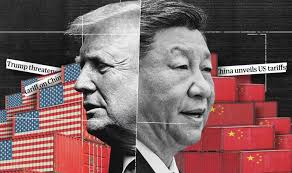
Understanding the tariff impact on China vs. Vietnam manufacturing requires a brief timeline:
- 2018–2019: Section 301 tariffs introduced at 7.5%–25% on Chinese electronics imports
- 2020–2022: COVID disruptions accelerated supply chain diversification conversations
- 2023–2024: Additional tariffs layered on semiconductors, EV batteries, solar panels
- 2025–2026: Tariff rates escalate to 145% on a broad range of Chinese electronic goods
The result: a product that cost $10 to manufacture in China now carries an effective landed cost of $20–$24 in the U.S. — wiping out years of cost advantages that China’s manufacturing ecosystem had built.
Key stat: A 2025 Supply Chain Brain survey found that 78% of U.S. electronics buyers are actively evaluating alternative manufacturing locations, with Vietnam ranked as the #1 preferred destination.
China vs. Vietnam: Full Tariff & Cost Comparison (2026)
The following comparison covers total landed cost for a typical electronics product manufactured for U.S. import:
| Cost Factor | 🇨🇳 China | 🇻🇳 Vietnam (SHDC) |
|---|---|---|
| Factory unit cost | $8.00 | $8.50–$9.00 |
| U.S. import tariff rate | 145% | ~10–20% (MFN rate) |
| Tariff cost per unit | $11.60 | $0.85–$1.80 |
| Freight & logistics | $0.80 | $0.85 |
| Compliance overhead | $1.20 (forced labor audit) | $0.40 |
| Total landed cost (U.S.) | ~$21.60 | ~$11.10–$12.05 |
| Cost savings vs. China | — | 44–49% savings |
Note: Costs are illustrative estimates. Contact SHDC for a custom quote.
5 Key Tariff Risks Still Hitting China Manufacturing in 2026
01. The 145% Tariff Wall Is Not Going Away
The current U.S.-China trade tensions reflect deep structural disagreements over technology transfer, market access, and national security. Bipartisan support in Washington for maintaining China tariffs means the 145% rate is expected to remain in place through at least 2027–2028.
Procurement risk: Companies that haven’t diversified yet are losing 40–50% margin advantage to competitors who have.
02. UFLPA Compliance Adds Hidden Costs to China Sourcing
The Uyghur Forced Labor Prevention Act (UFLPA), effective since 2022, creates a rebuttable presumption that goods from Xinjiang — a major electronics component hub — were made with forced labor. Electronics companies sourcing from China must conduct expensive supply chain audits and risk shipment delays at U.S. ports. These compliance costs add $1–3 per unit on top of existing tariffs.
Vietnam advantage: Vietnamese manufacturers like SHDC source through transparent, auditable supply chains with no Xinjiang exposure — making UFLPA compliance straightforward.
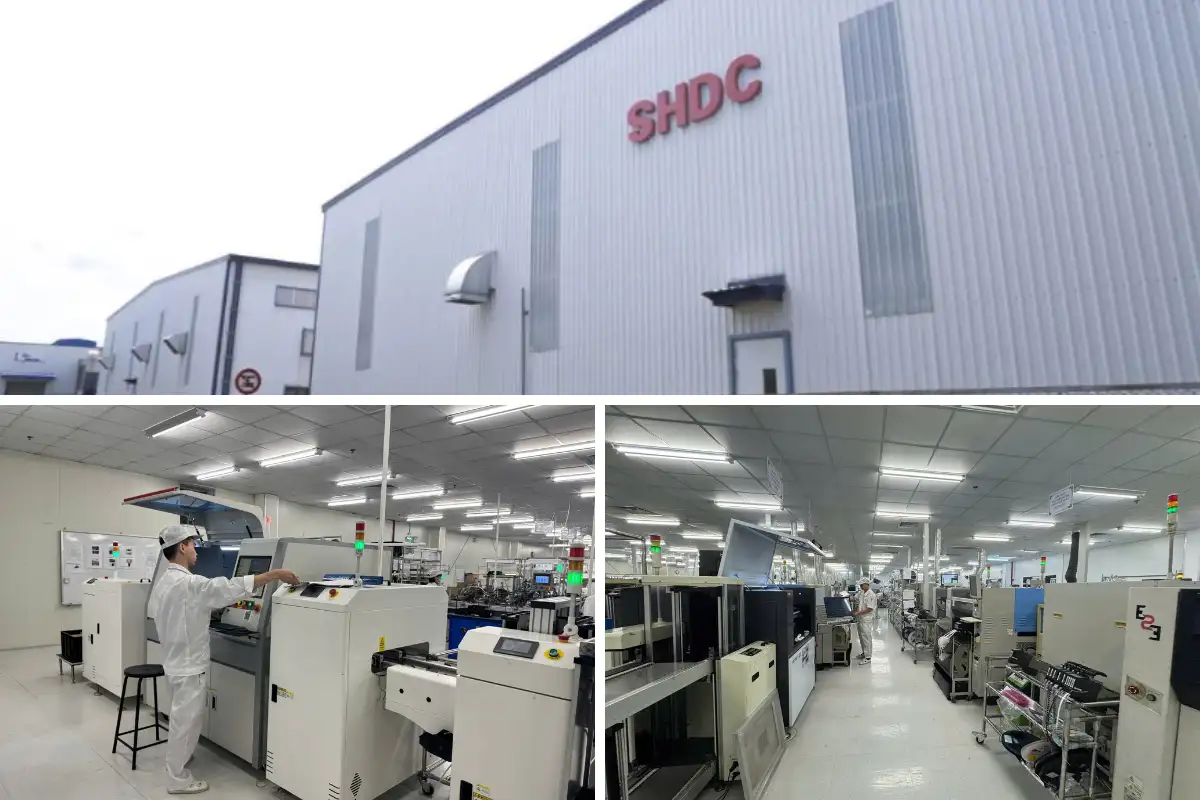
>>>Read more: Profile’s SHDC Company
03. Tariff Exclusions Are Temporary and Unpredictable
Some companies rely on Section 301 tariff exclusions — special waivers for specific product categories. However, these expire regularly, must be renewed through a complex process, and are frequently denied. Building a supply chain strategy around exclusions is high-risk. Vietnam manufacturing offers tariff certainty: stable MFN rates plus preferential access under CPTPP and bilateral agreements.
04. China’s Manufacturing Cost Advantage Is Eroding
Even without tariffs, China’s manufacturing cost edge is narrowing. Factory wages in coastal hubs like Shenzhen have risen 300%+ since 2005. Energy costs, environmental compliance, and land costs further compress margins. Vietnam offers labor costs 30–40% lower than China’s coastal regions, plus a young and growing manufacturing workforce and government incentives for electronics FDI — including in VSIP Hai Duong, where SHDC operates.
>>>Read more: Vietnam vs China PCB Assembly Cost: A Detailed Cost Comparison for U.S. OEMs
05. Currency & Geopolitical Risk Remains Higher in China
Procurement contracts denominated in CNY carry FX risk that Vietnamese USD-denominated contracts largely avoid. Geopolitical escalation scenarios could trigger additional sanctions or supply chain lockdowns with little warning. Supply chain diversification research shows companies with Vietnam-based alternatives weathered 2018–2026 tariff escalation with 35–50% lower total supply chain costs.
Why Vietnam Is the #1 Alternative for U.S. Electronics Buyers
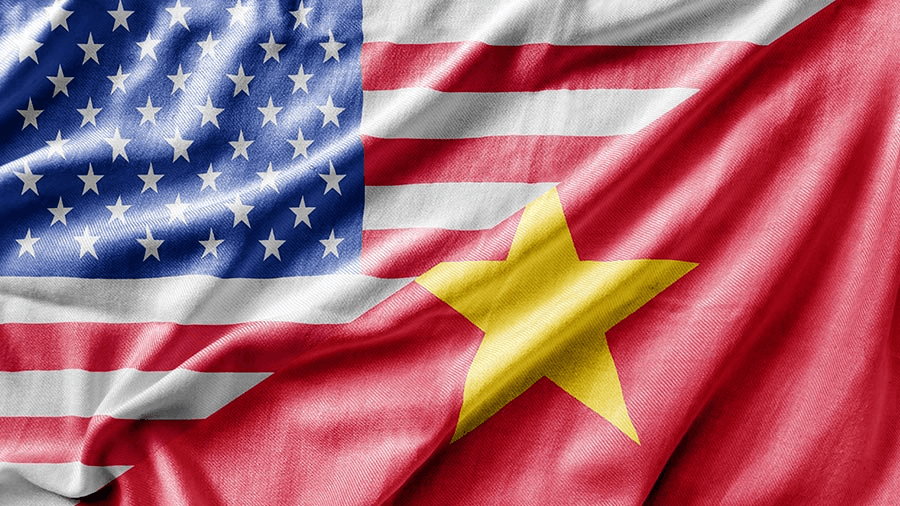
- Tariff advantage: 10–20% MFN rates vs. 145% on China — immediate structural cost savings
- Proven track record: Apple, Samsung, Intel, LG all have major Vietnam manufacturing operations
- Free trade agreements: Vietnam is party to CPTPP, EVFTA, and RCEP
- Infrastructure maturity: Premium industrial zones like VSIP Hai Duong offer world-class factory infrastructure
- UFLPA-clean supply chains: No Xinjiang exposure — straightforward U.S. customs compliance
- English-capable management: Growing pool of English-speaking engineers critical for U.S. client communication
SHDC Electronics: Vietnam PCBA & Electronics Manufacturing for U.S. Clients
SHDC Electronics (NAHACO Group member) is a 100% Vietnamese-owned electronics manufacturer specializing in PCBA assembly, phone charger production, and OEM/ODM consumer electronics — focused on U.S. and international export clients at VSIP Hai Duong.
SHDC offers:
- Full-service PCBA manufacturing (SMT, THT, mixed technology)
- OEM and ODM production for consumer electronics brands
- Phone charger and power adapter manufacturing (USB-A, USB-C, GaN)
- CE, FCC, and RoHS compliance support
- Fully UFLPA-compliant, transparent supply chains
- Rigorous quality control by team with multinational electronics experience
FAQs
What is the current U.S. tariff rate on electronics from China?
As of 2026, Section 301 tariffs on a broad range of Chinese electronics have reached 145%, making most China-sourced electronics significantly more expensive to import into the U.S. than alternatives from Vietnam.
What tariff rate applies to electronics from Vietnam?
Electronics manufactured in Vietnam are subject to U.S. MFN tariff rates of 0–20% depending on product category — compared to 145% on Chinese equivalents. This creates a structural cost advantage of 30–50% for Vietnam-manufactured electronics.
How does manufacturing quality in Vietnam compare to China?
Vietnam’s electronics manufacturing sector has matured significantly, with world-class facilities serving Apple, Samsung, LG, and Intel. SHDC offers full quality control processes, ISO compliance, and export certifications comparable to China’s top-tier manufacturers.
How long does it take to transition from China to Vietnam production?
A typical transition takes 3–9 months depending on product complexity, tooling requirements, and supplier qualification. SHDC’s experienced team can accelerate this with dedicated project management support.
Ready to Reduce Your Tariff Exposure? Talk to SHDC
If your China manufacturing costs are being eroded by 145% tariffs, UFLPA compliance requirements, or geopolitical risk, now is the time to act. Vietnam — and specifically SHDC Electronics — offers a proven alternative with significant structural cost advantages.
📩 Contact SHDC Electronics for a free consultation and quote →
SHDC Electronics | VSIP Hai Duong Industrial Zone, Vietnam | 100% Vietnamese-owned | Exporting to U.S., EU & global markets