
 Tiếng Việt
 日本語
日本語
For decades, China has been the undisputed capital of electronics manufacturing. In 2023 alone, the U.S. imported over $163 billion in electronics and electrical equipment from China. But the landscape is shifting — rapidly, and with serious consequences for U.S. businesses that aren’t prepared. Escalating tariffs now reaching 145%, geopolitical tensions threatening supply chain continuity, forced labor compliance legislation, and a post-pandemic reassessment of single-source risk have forced U.S. procurement leaders to ask a question that once seemed unthinkable: Is manufacturing electronics in China still the right move? This comprehensive guide examines the 7 critical risks of manufacturing electronics in China that every U.S. business leader must understand in 2026 — and presents Vietnam as the proven, immediately available alternative that Fortune 500 companies and agile SMEs alike are rapidly embracing.
China’s Electronics Manufacturing Dominance: A Double-Edged Sword
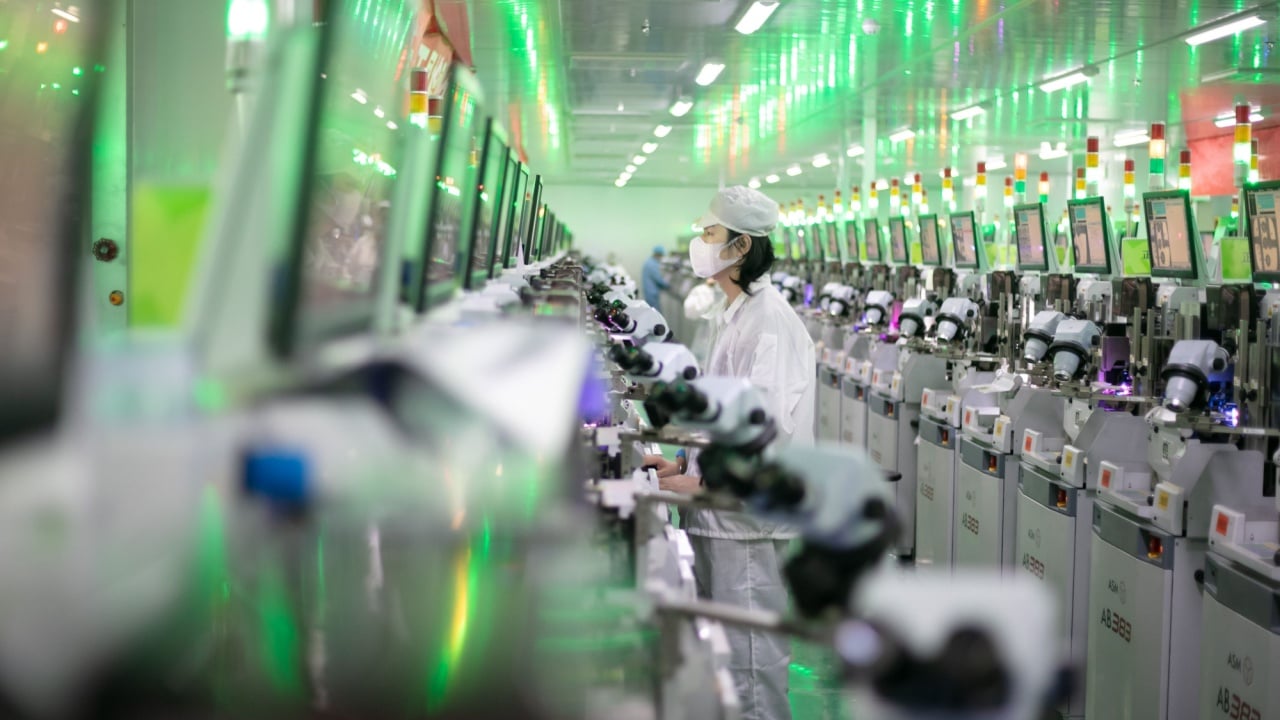
China currently accounts for approximately 28% of global manufacturing output and produces over 70% of the world’s electronics. The country’s manufacturing ecosystem — built over 40 years — offers unmatched infrastructure, a vast supplier network, and the largest electronics manufacturing workforce on earth.
Yet the very depth of this dependency has become a strategic liability. A 2023 McKinsey Global Institute report found that 93% of U.S. supply chain executives plan to make their supply chains more resilient, with geographic diversification as the number one priority. The question is no longer whether to diversify, but how fast.
7 Critical Risks of Manufacturing Electronics in China
Understanding these risks in concrete, financial terms is the first step toward building a more resilient and profitable supply chain strategy.
1. Geopolitical Risk & Escalating U.S.–China Tariffs
Perhaps the most immediate and financially damaging risk for U.S. companies is the tariff burden. Under Section 301 of the Trade Act of 1974, the U.S. has imposed tariffs of 25% on over $250 billion worth of Chinese goods, including most electronics categories. In 2025, additional tariff escalation pushed effective rates on some Chinese electronics to 145% or higher.
Beyond tariffs, the broader U.S.–China decoupling narrative creates deep uncertainty. Export controls on semiconductors, restrictions on Chinese telecoms equipment, and supplier blacklistings have created a compliance minefield that can strand your supply chain overnight — with no warning and no easy remedy.
Business impact: A product that cost $10 to land in the U.S. from China in 2018 now carries $2.50–$14.50 in additional tariff burden alone — fundamentally altering competitive pricing models.
2. Intellectual Property (IP) Theft & Design Vulnerability
The U.S. Intellectual Property Commission estimates that IP theft costs the American economy between $225 billion and $600 billion per year — with China identified as the primary source. For electronics companies, this risk is particularly acute.
Sharing PCB schematics, firmware, component specifications, or product designs with a Chinese manufacturer carries substantial risk. Counterfeit versions of proprietary products often appear in Asian markets within months of production start. Even with contracts and NDAs in place, enforcement through China’s legal system is notoriously difficult and expensive for foreign companies.
Business impact: Loss of competitive differentiation, direct revenue cannibalization from counterfeits, and the legal cost of IP enforcement that often exceeds the value recovered.
3. Quality Control Inconsistencies & Hidden Costs
China’s manufacturing sector spans a vast range of quality tiers — from world-class facilities serving Apple to substandard contract shops cutting corners on components. For electronics companies without permanent on-the-ground QC teams, ensuring consistent quality across production runs is a persistent challenge.
Common issues include unauthorized component substitutions (especially during global shortages), inconsistent soldering quality in PCBA assembly, failure to meet RoHS/CE/FCC compliance standards, and inadequate pre-shipment inspection protocols.
Business impact: The hidden cost of returned goods, rework, customer returns, reputation damage, and product liability claims can easily wipe out — and often exceed — any cost savings achieved through Chinese manufacturing.
4. Supply Chain Disruptions & Single-Source Dependency
COVID-19 exposed what supply chain experts had warned about for years: over-concentration in a single geography is catastrophic. When China’s factory shutdowns rippled through global supply chains between 2020 and 2022, companies with 100% China dependency faced months-long production halts, cancelled customer orders, and lost revenue measured in billions.
Beyond pandemics, China’s supply chain faces ongoing structural risks: port congestion at Shanghai and Ningbo (historically the world’s busiest), severe weather events, labor disputes, and the ever-present risk of sudden regulatory changes from Beijing affecting foreign manufacturers’ operating conditions.
Business impact: A single major disruption event can cost months of recovery time, permanently damage customer relationships, and cede market share to competitors with more resilient supply chains.
5. Rising Labor & Operational Costs Eroding the Price Advantage
The era of ultra-cheap Chinese manufacturing labor is effectively over. Average manufacturing wages in China have increased by over 300% since 2005, with coastal factory workers now earning $800–$1,200/month in major industrial hubs like Shenzhen and Dongguan. Factor in increased energy costs, stricter environmental compliance requirements, rising land costs, and mandatory social contributions, and China’s total manufacturing cost has risen dramatically.
For electronics companies, this shift fundamentally changes the ROI calculation. Many products that were 40–50% cheaper to produce in China a decade ago now carry only a 10–20% cost advantage before accounting for tariffs, quality-related losses, supply chain risk premiums, and the management overhead of operating at distance.
Business impact: When true total cost of ownership is calculated — including tariffs, QC overhead, logistics risk premiums, and IP insurance — China is often no longer the lowest-cost option.
6. Forced Labor Compliance Risk (UFLPA) & ESG Liability
The Uyghur Forced Labor Prevention Act (UFLPA), signed into law in December 2021 and in full enforcement since June 2022, creates a rebuttable presumption that any goods from China’s Xinjiang region — or made by entities on the UFLPA Entity List — are the product of forced labor and are prohibited from U.S. import.
For electronics manufacturers, this is a critical compliance exposure. Many electronics components — including certain metals, chemicals, and packaging materials — have documented Xinjiang supply chain links. Importers bear the full burden of proof to demonstrate their supply chains are forced-labor-free, a complex, costly, and time-consuming process.
Business impact: Non-compliance carries cargo seizure at U.S. ports, significant civil penalties, and reputational damage that can be irreversible — particularly for companies with ESG commitments to institutional investors and B2B customers.
7. Communication Barriers, Time Zone Gaps & Technical Misalignment
Running electronics manufacturing operations across a 12–15 hour time difference creates significant operational friction. Critical decisions about component changes, design revisions, or production defects that should take hours to resolve can drag on for days when real-time communication is impossible.
Language barriers compound this problem. Technical specifications, engineering drawings, and quality standards need to be perfectly translated and interpreted. Miscommunication in PCBA manufacturing — where a single wrong component value can render an entire production batch defective — can have costs running into hundreds of thousands of dollars.
Business impact: Delayed problem resolution accelerates into production line stoppages, missed shipping windows, and customer delivery failures — all of which carry compounding financial and reputational costs.
The China+1 Strategy: How Smart Companies Are Restructuring Their Supply Chains
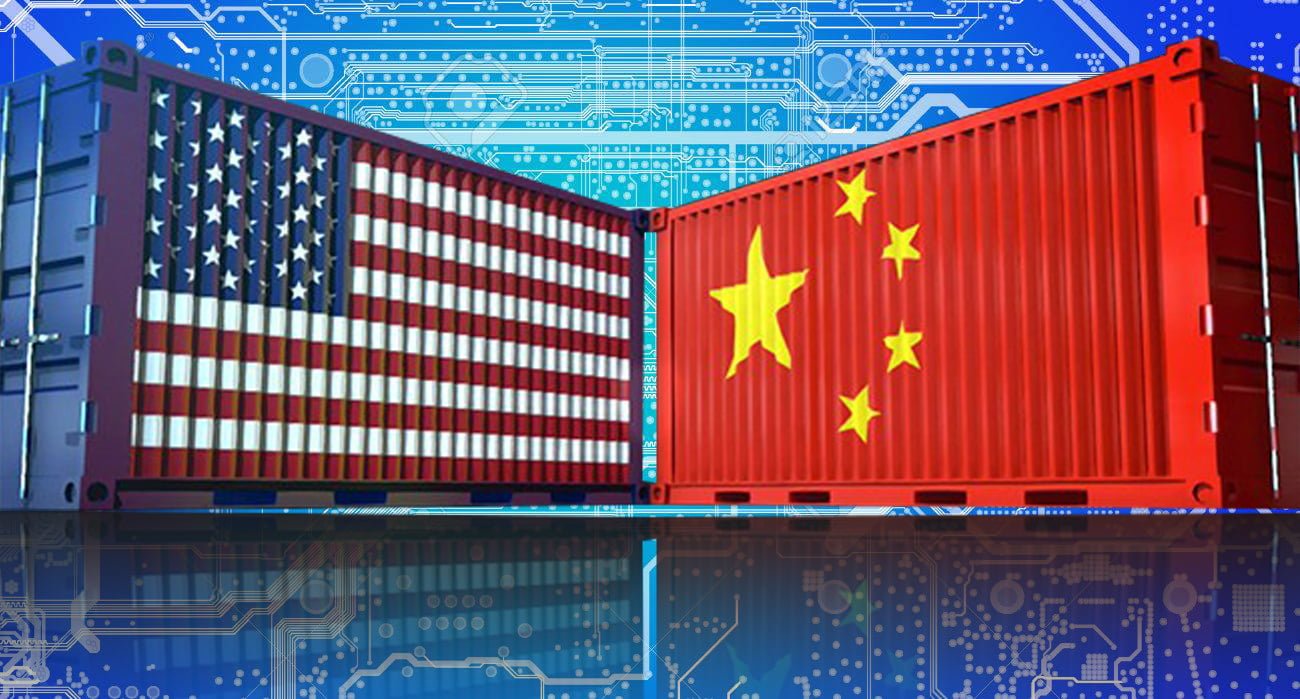
The “China+1” strategy has moved from a niche risk-management approach to mainstream corporate policy. The concept: maintain some manufacturing presence in China where it makes sense, while simultaneously developing manufacturing capacity in at least one alternative country. This dual-source approach hedges against the risks outlined above while preserving access to China’s manufacturing ecosystem where still cost-effective.
Major corporations leading this charge include Apple (shifting iPhone production to India and Vietnam), Samsung (relocating significant capacity to Vietnam), Google (Pixel production in Vietnam), and Intel (semiconductor testing in Vietnam and Malaysia). For SMEs and mid-market companies, this trend presents a significant opportunity to access the same alternative manufacturing ecosystems that Fortune 500 companies are rapidly building out.
Among all China+1 destinations — including India, Mexico, Thailand, and Indonesia — Vietnam has consistently emerged as the premier choice for electronics manufacturing, particularly for PCBA assembly, consumer electronics, and EMS (Electronics Manufacturing Services).
Why Vietnam Is the Smart Alternative for Electronics Manufacturing
Vietnam’s rise as a global electronics manufacturing powerhouse is not accidental — it is the result of strategic government investment, favorable geography, a young and educated workforce, and a highly competitive trade environment.
- Favorable Trade Agreements & Tariff Advantage
Vietnam has signed 15+ Free Trade Agreements, including the CPTPP, EVFTA, RCEP, and benefits from the U.S.–Vietnam Bilateral Trade Agreement. Most electronics exports to the U.S. face 0–12% tariffs — dramatically lower than China’s 25–145% — delivering immediate and sustained landed cost advantages. - Competitive & Stable Labor Costs
Average manufacturing wages in Vietnam range from $300–$500/month — 40–60% lower than equivalent Chinese coastal factories — with a workforce renowned for precision, discipline, and adaptability in electronics production. Unlike China, Vietnam’s labor cost trajectory remains moderate and stable. - Thriving Electronics Ecosystem
Vietnam is already home to Samsung (Vietnam’s #1 exporter), LG, Intel, Foxconn, Luxshare, and dozens of tier-1 electronics suppliers, creating a rapidly maturing component and manufacturing service ecosystem that rivals many established manufacturing hubs. - UFLPA-Compliant Supply Chain
Vietnam’s electronics supply chain does not have documented exposure to Xinjiang forced labor supply chains, providing U.S. importers with significantly cleaner UFLPA compliance profiles and the peace of mind that comes with transparent, traceable sourcing. - World-Class Industrial Infrastructure
Vietnam Singapore Industrial Park (VSIP) locations — among the most prestigious industrial zones in Southeast Asia — offer certified facilities, international-standard infrastructure, and professional management systems that meet the requirements of the world’s most demanding OEM customers.
China vs. Vietnam Electronics Manufacturing: Head-to-Head Comparison
| Criteria | 🇨🇳 China Manufacturing | 🇻🇳 Vietnam / SHDC |
|---|---|---|
| Tariff Rate (to U.S.) | 25–145%+ (Section 301 + 2025 tariffs) | 0–12% (PNTR, BTA — dramatically lower) |
| IP Protection | High risk — rampant counterfeiting | Stronger legal protection, strict NDA enforcement |
| Labor Cost (avg.) | $800–$1,200/month (rising 8–10%/yr) | $300–$500/month (stable & skilled) |
| Supply Chain Risk | High single-source dependency | Diversified, VSIP-certified zones |
| UFLPA Compliance | ⚠️ High exposure — Xinjiang suppliers | ✅ Transparent, traceable supply chain |
| Communication | Language barrier, 12–15hr time difference | English-proficient team, flexible hours |
| Lead Time (to U.S.) | 18–35 days (ocean freight) | 15–28 days (competitive routing) |
| Quality Standard | Inconsistent — varies widely by factory | ISO-aligned, multinational-trained management |
| OEM/ODM Service | Yes (mass market, high MOQ) | Yes — PCB assembly, charger manufacturing, Winsler brand |
| MOQ Flexibility | Typically high MOQ only | Flexible MOQ for SME & enterprise |
SHDC Electronics: Your Trusted Vietnam Manufacturing Partner for U.S. Companies
About SHDC Electronics
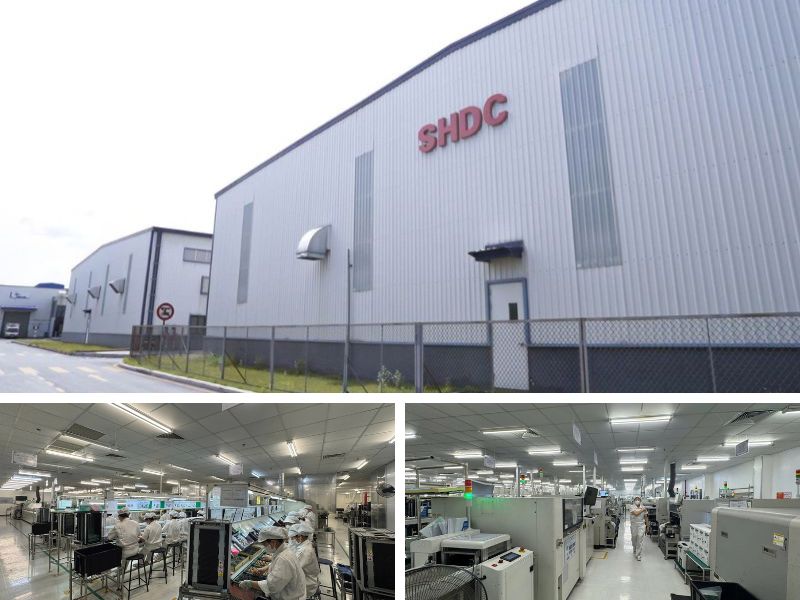
SHDC Electronics Co., Ltd is a member of NAHACO Group — one of Vietnam’s pioneering electronics manufacturing companies — headquartered at Workshop A1-2, Lot 5, VSIP Hai Duong Industrial Park, Cam Giang District, Hai Duong Province. 100% Vietnamese-owned and operated, SHDC combines international-standard manufacturing expertise with the cost efficiency, transparency, and agility that U.S. buyers increasingly demand from their Asian manufacturing partners.
SHDC Core Manufacturing Capabilities
- PCBA Assembly (Printed Circuit Board Assembly)
SHDC’s engineering team brings decades of combined experience from multinational electronics corporations. Our PCBA assembly capabilities cover SMT (Surface Mount Technology), THT (Through-Hole Technology), mixed-assembly processes, and full board-level functional testing — serving both prototype development and high-volume production needs with equal precision. - Phone Charger & Power Adapter Manufacturing
One of Vietnam’s few manufacturers with specialized capability in producing mobile phone chargers and power adapters for export markets. All products meet CE, FCC, and RoHS compliance standards, fully documented for U.S. customs clearance and retail market entry. - OEM/ODM Manufacturing Services
Full-service OEM and ODM capabilities for U.S. and international electronics brands seeking a trusted, confidentiality-first manufacturing partner in Southeast Asia. From design assistance and component sourcing through production, testing, and finished product delivery — we manage the complete manufacturing journey. - Winsler — Our Own Vietnamese Consumer Electronics Brand
Beyond contract manufacturing, SHDC owns the Winsler consumer electronics brand — bringing high-quality, Made-in-Vietnam products to domestic and international markets. Winsler demonstrates our end-to-end capability from design and manufacturing to brand management and market distribution.
Why U.S. Companies Choose SHDC Over Chinese Manufacturers
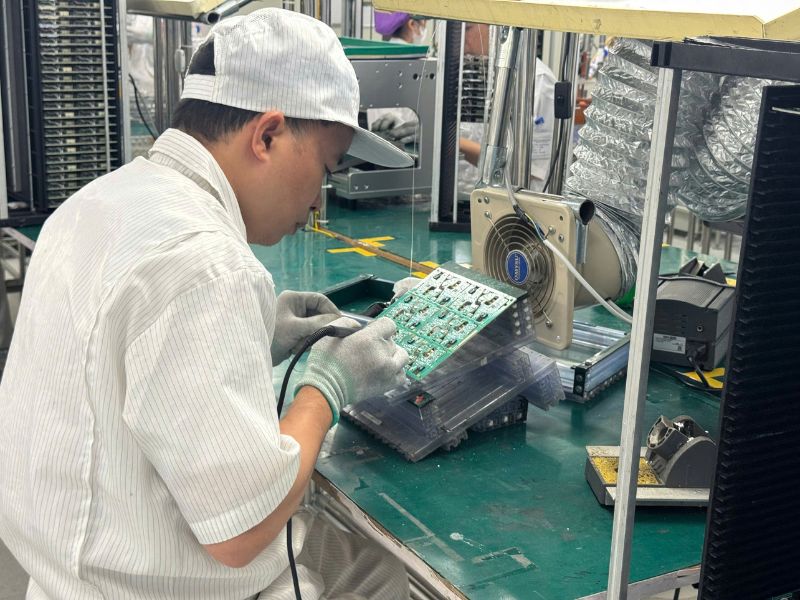
- Zero IP Risk
100% Vietnamese-owned, operating under Vietnam’s strengthened IP protection framework. All client designs, schematics, firmware, and specifications are protected under strict, enforceable NDA agreements — with no exposure to the IP theft risks that plague China-based manufacturing partnerships. - UFLPA-Safe, Fully Traceable Supply Chain
Transparent component sourcing with full supply chain traceability documentation. No Xinjiang-linked supply chain exposure. U.S. customs-ready documentation available for all product categories — making your import compliance process straightforward and auditable. - Direct Tariff Advantage
Electronics exported from Vietnam to the U.S. face significantly lower tariff rates than Chinese-origin goods — directly improving your landed cost, margin structure, and pricing competitiveness in the U.S. market without sacrificing quality. - English-Proficient Technical Team
Direct communication with English-speaking engineers and project managers — no translation intermediaries, no costly miscommunication. Real-time collaboration with manageable time zone overlap for U.S. teams, ensuring fast resolution of technical questions and production issues. - VSIP-Certified Facility
Operating from VSIP Hai Duong — a Vietnam-Singapore co-managed industrial park offering international-standard infrastructure, security, and quality management systems. VSIP’s reputation among Fortune 500 companies provides built-in credibility and operational assurance. - Multinational-Caliber Leadership
SHDC’s leadership team has held senior management positions at leading multinational electronics corporations — bringing Fortune 500 quality standards, rigorous project management methodologies, and global supply chain expertise to every client engagement, regardless of order size.
Ready to Reduce Your China Manufacturing Risk?
Get a free supply chain risk assessment and manufacturing consultation from SHDC’s expert team. Discover how much you could save by moving production to Vietnam.
📧 info@shdc.vn | 🌐 shdc.vn | 📍 VSIP Hai Duong, Vietnam
Conclusion: The Future of Electronics Manufacturing Is Diversified
The risks of manufacturing electronics in China are no longer theoretical — they are actively reshaping global supply chains, profit margins, and regulatory compliance landscapes for U.S. businesses. Geopolitical escalation, record-high tariffs, IP exposure, forced labor compliance requirements, and quality control challenges have collectively made China-only sourcing strategies obsolete for forward-thinking electronics companies.
Vietnam — and specifically SHDC Electronics — offers a compelling, proven, and immediately available alternative that addresses each of these risks directly. With manufacturing expertise honed in multinational environments, world-class VSIP facilities, full UFLPA compliance readiness, and a commitment to IP protection that U.S. companies can trust, SHDC is positioned to be your long-term electronics manufacturing partner in Southeast Asia.
The best time to diversify your electronics supply chain was five years ago. The second best time is today.SHDC Electronics Co., Ltd
