
 Tiếng Việt
 日本語
日本語
PCB assembly cost is one of the most important factors in electronics manufacturing—but also one of the most misunderstood. Many companies either overpay for production or underestimate hidden costs, leading to budget overruns and delays. In reality, PCB assembly pricing can vary significantly depending on volume, complexity, and sourcing strategy. So, how much does PCB assembly cost in 2026? The short answer: it depends. The better answer: it follows a clear structure—and once you understand it, you can control it. In this guide, we break down real-world PCB assembly costs, key pricing factors, and practical ways to reduce your total manufacturing expenses.
How Much Does PCB Assembly Cost in 2026?
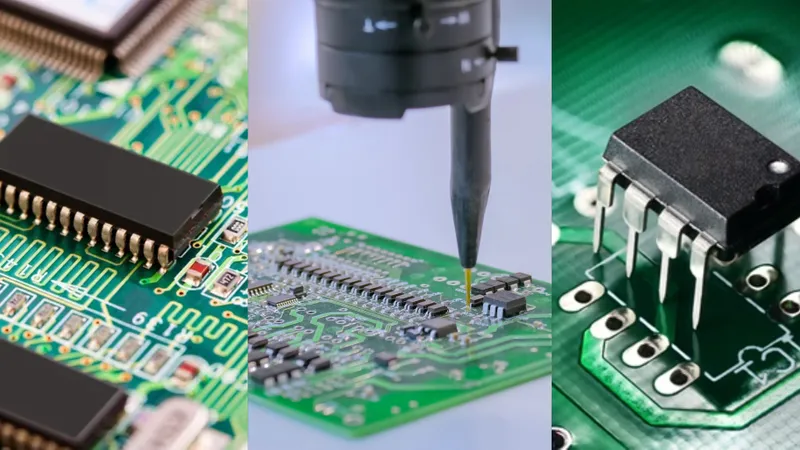
PCB assembly cost can range from just a few dollars per board to over $100, depending on production scale and design complexity.
Average PCB Assembly Cost by Volume
- Prototype (1–10 pcs): $50 – $200+ per board
- Small batch (10–100 pcs): $20 – $80 per board
- Medium volume (100–1,000 pcs): $10 – $50 per board
- Mass production (1,000+ pcs): $2 – $15 per board
These ranges are consistent across industry benchmarks and manufacturing providers, where economies of scale significantly reduce per-unit cost. According to multiple EMS providers such as RayPCB and PCBGoGo, volume is the single biggest factor affecting pricing.
Why Prototype Costs Are So High
At low quantities, fixed costs like setup fees, stencil creation, and programming are distributed across very few units. This is why prototype PCB assembly cost is disproportionately high compared to mass production.
PCB Assembly Cost Breakdown
To understand pricing, you need to know where your money goes. A typical PCB assembly cost structure includes several key components.
PCB Fabrication Cost
This includes the bare board itself. Pricing depends on:
- Board size
- Number of layers
- Material type (FR4, aluminum, etc.)
More complex boards naturally cost more to manufacture.
Component Cost (BOM)
Components often account for 30% to 60% of total PCB assembly cost, depending on the design.
Pricing is influenced by:
- Component type and availability
- Brand and quality level
- Supply chain conditions
Sourcing strategy plays a major role here. Poor component selection can significantly increase total cost.
Assembly Cost (SMT and THT)
Assembly cost depends on:
- Number of components
- Placement complexity
- Technology used (SMT vs through-hole)
SMT assembly is generally more cost-effective due to automation, while through-hole assembly tends to be more labor-intensive.
NRE (Non-Recurring Engineering) Cost
NRE costs typically range from $100 to $300 per project and include:
- Stencil fabrication
- Programming
- Process setup
These are one-time costs but have a major impact on low-volume production.
Testing and Quality Control
Testing ensures product reliability and may include:
- AOI (Automated Optical Inspection)
- ICT (In-Circuit Testing)
- Functional testing
More rigorous testing increases cost but reduces risk.
Additional Costs
Other factors may include:
- Shipping and logistics
- Packaging
- Certifications and compliance
>>>Read more: PCB Prototyping Services: How OEM Companies Evaluate Cost, Risk, and Scalability
Key Factors That Affect PCB Assembly Cost
PCB assembly cost is not fixed—it changes based on several variables.
Production Volume
Volume has the greatest impact on cost. As production increases, unit cost drops significantly due to economies of scale.
PCB Complexity
More complex designs increase cost. Factors include:
- Multi-layer boards
- Fine-pitch components (such as BGA)
- High component density
According to industry sources like Poly Electronics, complex PCB designs require more advanced equipment and longer processing time.
Lead Time
Faster turnaround times usually come at a premium. Rush orders can increase costs by 20% to 30%, depending on urgency.
Assembly Technology
SMT assembly is typically more cost-efficient than through-hole technology, especially for high-volume production.
PCB Assembly Cost by Volume: What to Expect
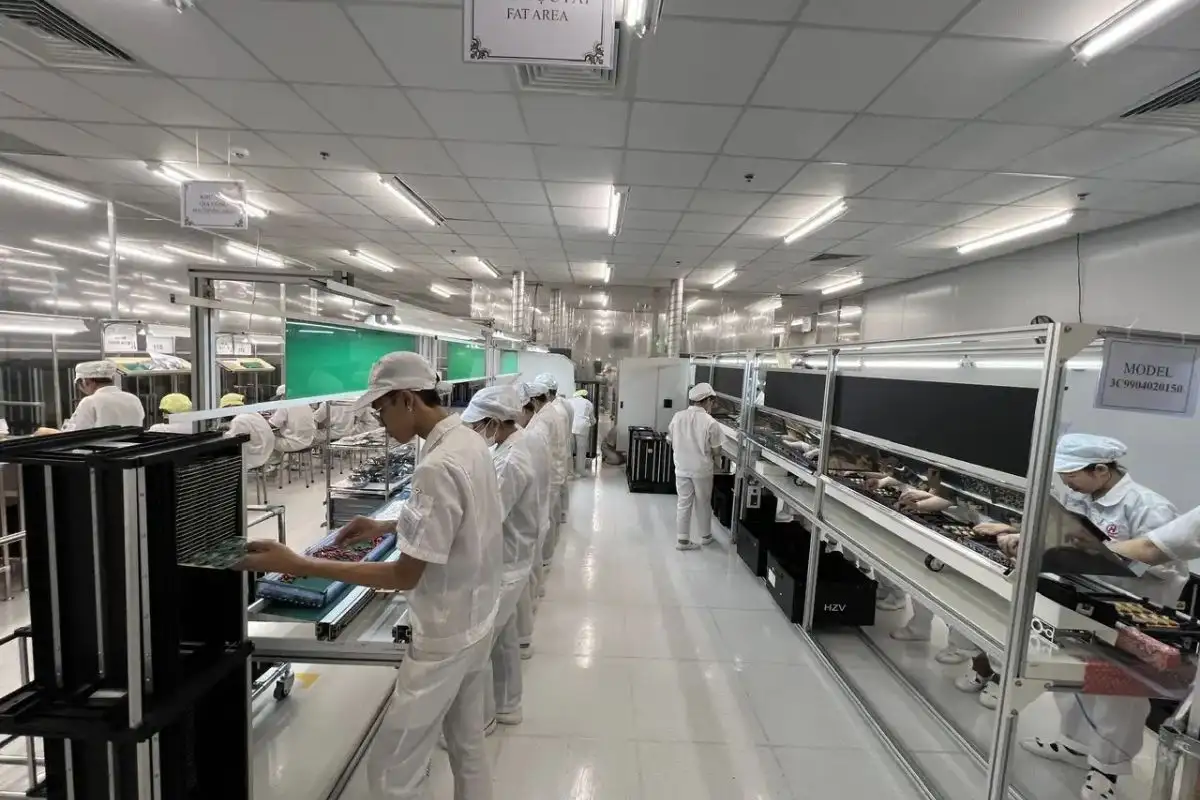
One of the most important insights is that PCB assembly cost is not linear.
At low volumes, costs are driven by setup and engineering. As volume increases, these fixed costs are spread across more units, dramatically reducing per-unit pricing.
For example:
- A prototype board may cost over $100
- The same board in mass production could drop below $10
Understanding this cost curve is critical for planning production strategy.
How to Reduce PCB Assembly Cost
Reducing PCB assembly cost is not just about finding a cheaper supplier—it’s about making smarter decisions.
Optimize Your BOM: Use widely available components and avoid unnecessary variations. This improves sourcing efficiency and reduces cost.
Simplify PCB Design: Reducing layer count and avoiding complex components can significantly lower both fabrication and assembly costs.
Increase Production Volume: Larger production runs reduce per-unit cost by spreading fixed expenses.
Avoid Rush Orders: Planning ahead can save 20–30% in additional fees associated with expedited production.
Work With the Right EMS Provider: An experienced electronics manufacturing partner can optimize sourcing, improve process efficiency, and reduce overall cost.
PCB Assembly Cost: Vietnam vs China
As global supply chains shift, many companies are comparing PCB assembly cost between Vietnam and China.
Vietnam offers:
- Competitive labor costs
- Growing electronics manufacturing capabilities
- Greater flexibility for small to mid-volume production
China still leads in large-scale manufacturing, but Vietnam is becoming an increasingly attractive alternative for companies looking to diversify supply chains.
>>>Read more: Electronics Manufacturing Cost in Vietnam vs China
Common Mistakes That Increase PCB Assembly Cost
Many cost issues come from avoidable mistakes, such as:
- Overcomplicating PCB design
- Choosing hard-to-source components
- Ordering volumes that are too low
- Ignoring long-term scalability
Avoiding these pitfalls can significantly improve cost efficiency.
How to Get an Accurate PCB Assembly Quote
To receive an accurate quote, manufacturers typically require:
- Bill of Materials (BOM)
- Gerber files
- Production quantity
- Testing requirements
The more complete your data, the more accurate and competitive your quote will be.
Conclusion
PCB assembly cost in 2026 depends on a combination of factors, including volume, design complexity, component sourcing, and production strategy. While pricing can vary widely, most projects follow a predictable pattern:
- Higher costs at low volume due to setup fees
- Significant cost reduction at scale
- Additional costs driven by complexity and quality requirements
Understanding these factors allows you to make better decisions and avoid unnecessary expenses.
>>>Read more: Prototype PCBA Vietnam: Fast, Cost-Effective PCB Assembly for OEM Projects
Looking for a Reliable PCB Assembly Partner?
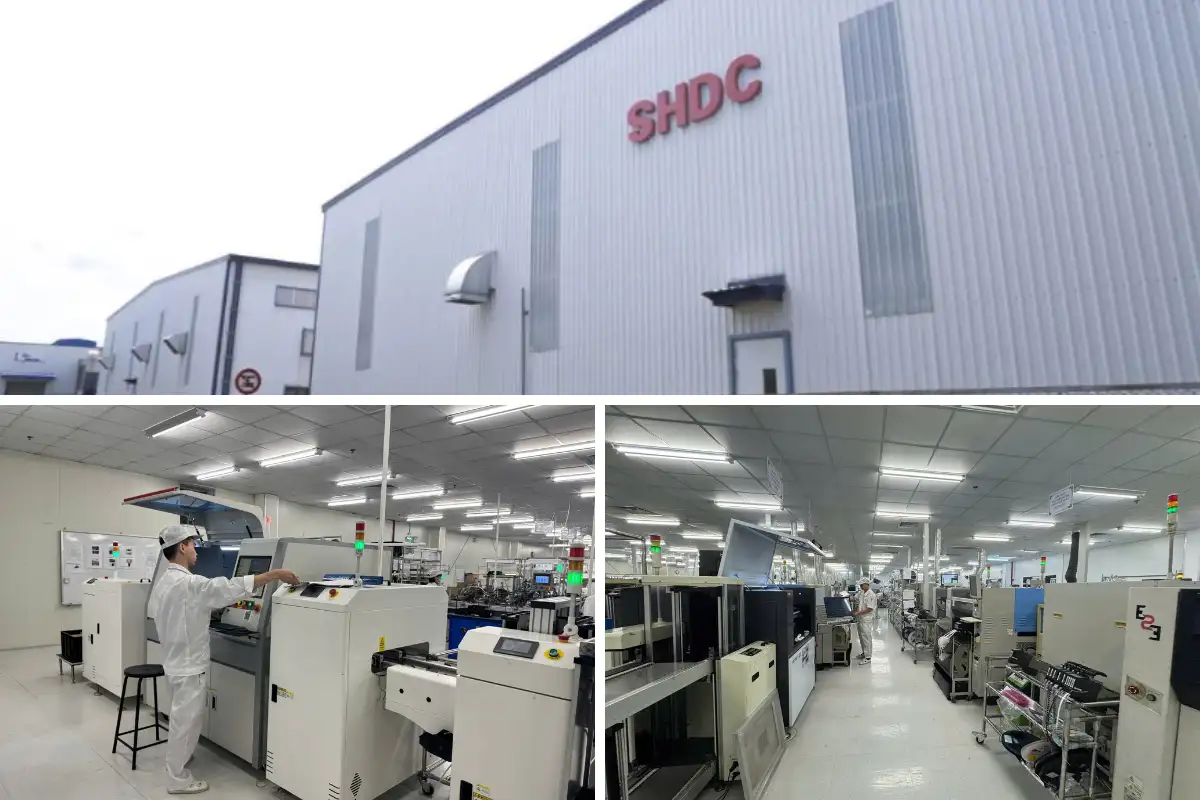
If you are evaluating PCB assembly cost and looking for a cost-effective manufacturing solution, working with the right partner can make a significant difference. SHDC is a Vietnam-based electronics manufacturer specializing in SMT assembly, PCB assembly, and full-service EMS solutions. With experience in both prototype and mass production, SHDC helps clients optimize cost, improve quality, and accelerate time to market.
Contact SHDC today to get a customized PCB assembly quote tailored to your project requirements.
Address: Factory A1-2, Lot 5, Cam Dien-Luong Dien IP, Cam Giang Commune, Hai Phong City, Vietnam
Tel: 02203566686 – 0903443300 – 0906166997
Email: hao@shdc.com.vn – cuongvd@shdc.com.vn
