
 Tiếng Việt
 日本語
日本語
In modern electronics manufacturing, SMT Assembly is no longer just a production method — it is the backbone of high-volume, high-reliability electronic product manufacturing. From consumer electronics and industrial control systems to automotive modules and medical devices, Surface Mount Technology (SMT) enables compact design, fast throughput, and scalable production.
However, when moving from prototype or mid-volume runs to high-volume electronics manufacturing, the rules change. The focus shifts from “can we assemble it?” to:
-
Can we maintain consistent yield above 99%?
-
Can we control defects at scale?
-
Can we reduce cost per unit without sacrificing reliability?
-
Can we sustain throughput across multiple SMT lines?
The answer lies in mastering advanced SMT Assembly techniques — process optimization, automation, data-driven control, and yield-focused engineering.
This article explores the most important SMT assembly techniques used in high-volume electronics manufacturing, how they impact productivity and quality, and how manufacturers scale operations efficiently.
Overview of SMT Assembly in High-Volume Manufacturing
What Is SMT Assembly?
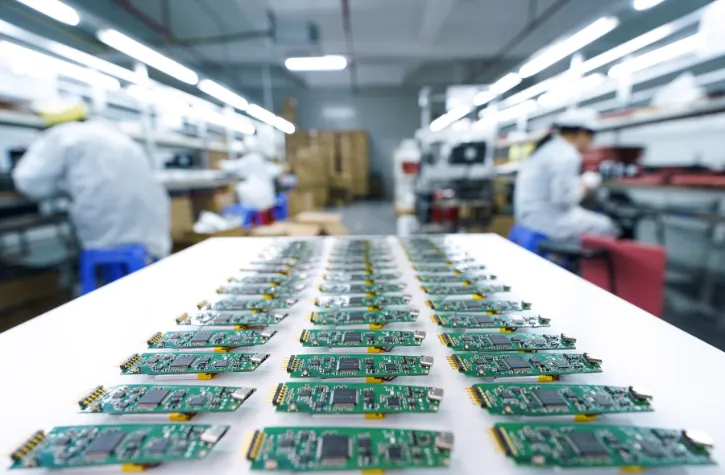
SMT Assembly refers to the process of mounting electronic components directly onto the surface of a printed circuit board (PCB). Unlike through-hole technology, SMT components are soldered onto pads using solder paste and reflow soldering.
A standard SMT assembly process includes:
-
Solder paste printing
-
Solder Paste Inspection (SPI)
-
Pick and place component mounting
-
Reflow soldering
-
Automated Optical Inspection (AOI)
-
Testing (ICT / Functional testing)
While the process flow remains similar across production types, high-volume SMT manufacturing introduces stricter demands for speed, consistency, and automation.
What Changes in High-Volume SMT Assembly?
High-volume production is not simply running the same process longer. It requires:
-
Higher placement speed (tens of thousands of components per hour)
-
Line balancing to eliminate bottlenecks
-
Reduced changeover time
-
Advanced inspection systems
-
Real-time process monitoring
-
Material management automation
-
MES and traceability integration
In high-volume electronics manufacturing, small inefficiencies multiply quickly. A 0.5% yield loss on 10,000 boards is manageable. On 500,000 boards, it becomes a serious financial issue.
That is why SMT assembly techniques become critical.
>>>Read more: SMT Processing vs Through-Hole Assembly
Core SMT Assembly Techniques for High-Volume Production
Precision Solder Paste Printing Optimization
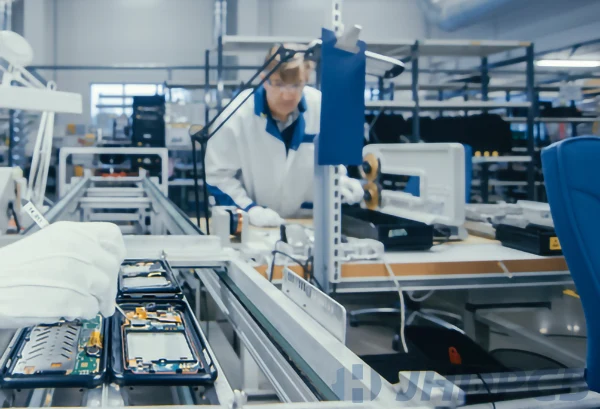
Many experts agree that 60–70% of SMT defects originate during solder paste printing. Therefore, optimizing this stage is foundational.
Stencil Design Optimization
-
Proper stencil thickness selection (typically 0.10–0.15 mm depending on component density)
-
Step stencils for mixed component sizes
-
Laser-cut apertures with smooth wall finish
-
Nano-coating to reduce paste sticking
Squeegee Pressure and Speed Control
-
Too much pressure causes paste smearing
-
Too little pressure leads to insufficient deposition
-
Controlled print speed improves repeatability
Closed-Loop SPI Feedback
Modern high-volume SMT lines use:
-
3D SPI systems
-
Automatic feedback correction to printer
-
Volume measurement, height, and area monitoring
Closed-loop control significantly improves consistency across large production runs.
High-Speed Pick and Place Optimization
Pick and place machines define the throughput of an SMT line. In high-volume assembly, optimization focuses on both speed and accuracy.
Multi-Head Placement Systems
Modern machines use:
-
High-speed chip shooters
-
Flexible placement heads
-
Simultaneous multi-nozzle operation
Placement rates can exceed 100,000 CPH (components per hour).
Feeder Optimization Strategy
-
Component grouping by frequency of use
-
Short travel distance programming
-
Smart feeder carts
-
Offline feeder preparation
Placement Sequence Programming
-
Intelligent sequencing to reduce head movement
-
Balanced distribution of components across machines
-
Optimization software simulation before production
Reducing placement cycle time by even 5% can significantly improve overall throughput.
>>>Read more: SMT Line Process Explained: How an SMT Production Line Works
Reflow Soldering Profile Optimization
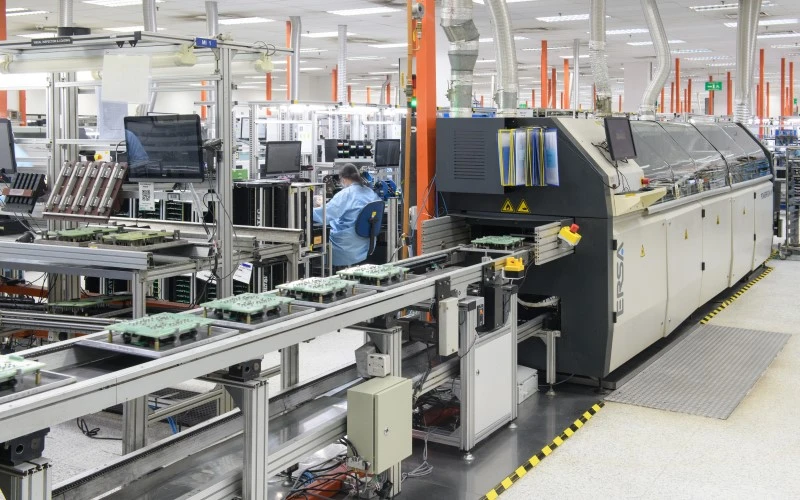
Reflow soldering is where electrical and mechanical bonds are permanently formed. In high-volume SMT assembly, temperature control consistency is essential.
Techniques Include
-
Ramp rate
-
Soak zone temperature
-
Time Above Liquidus (TAL)
-
Peak temperature
-
Cooling rate
Lead-Free Reflow Optimization
With RoHS compliance:
-
Peak temperatures typically range 240–250°C
-
Precise profiling prevents:
-
Tombstoning
-
Voiding
-
Head-in-pillow defects
-
Nitrogen Reflow Systems
In high-reliability industries (automotive, medical):
-
Nitrogen reduces oxidation
-
Improves wetting
-
Reduces solder balling
Thermal profiling should be validated using real-time thermocouples and repeated under mass production conditions.
Inline Inspection and Defect Prevention Systems
High-volume SMT assembly cannot rely on manual inspection.
3D Solder Paste Inspection (SPI)
-
Detects insufficient paste
-
Identifies excessive volume
-
Prevents bridging before placement
Automated Optical Inspection (AOI)
-
Detects misalignment
-
Checks polarity
-
Identifies missing components
-
Solder joint evaluation
X-Ray Inspection
Especially critical for:
-
BGA
-
QFN
-
Hidden solder joints
Modern SMT factories integrate inspection data into MES systems to identify defect trends early.
Automated Material Handling Systems
Material control becomes complex in high-volume electronics manufacturing.
Techniques Include
-
RFID-based reel tracking
-
Smart storage towers
-
Moisture-sensitive device (MSD) cabinets
-
Automated reel change systems
-
Real-time inventory monitoring
Proper material management reduces:
-
Wrong component placement
-
Line downtime
-
Traceability risks
Advanced Techniques for Yield Improvement
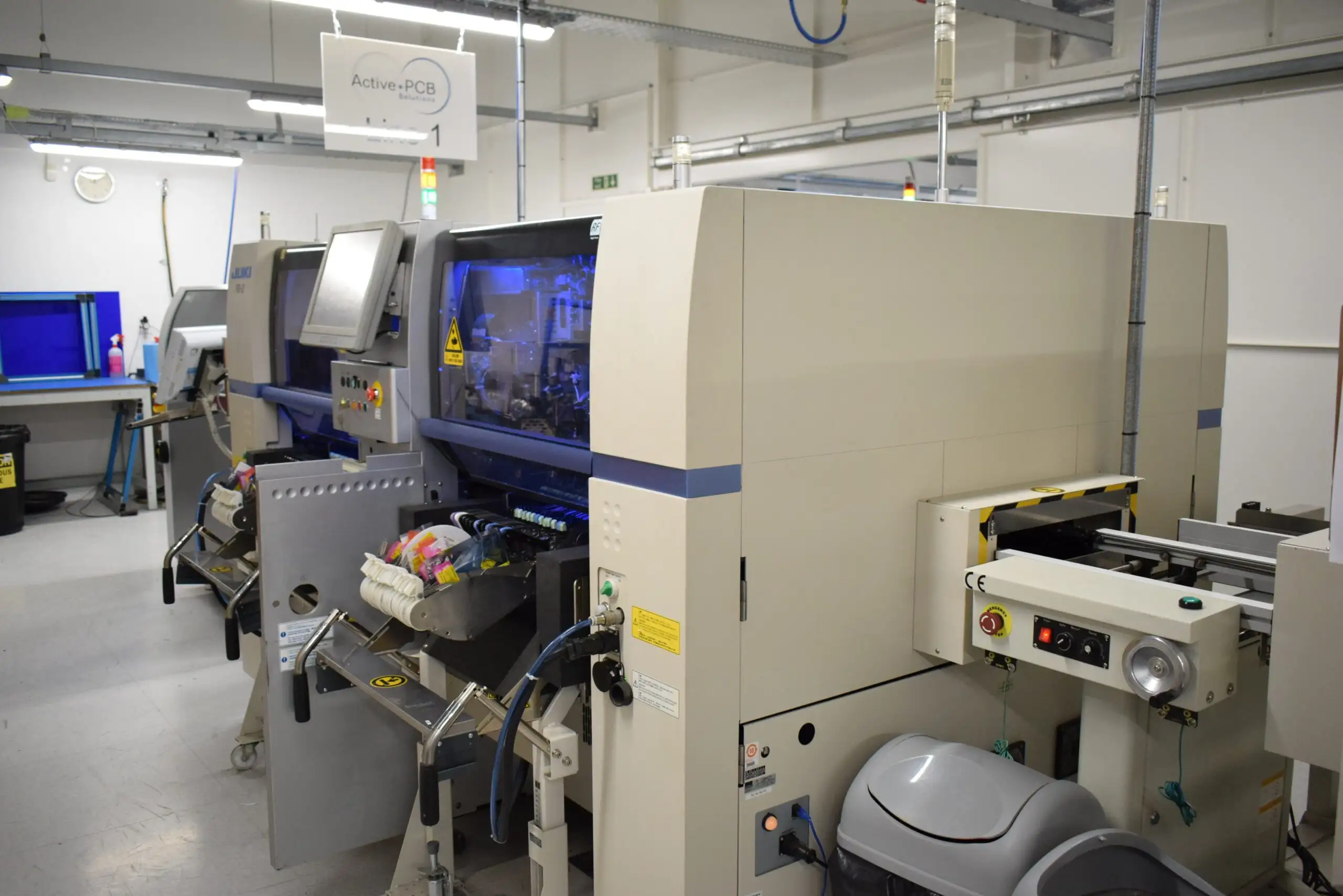
Yield improvement is the ultimate goal in high-volume SMT assembly.
Design for Manufacturability (DFM)
Good SMT assembly starts before production.
DFM Guidelines:
-
Adequate pad spacing
-
Thermal balance for small components
-
Avoid mixed pad geometries
-
Correct stencil aperture ratios
-
BGA pad optimization
Involving manufacturing engineers during PCB design significantly reduces future defects.
Statistical Process Control (SPC)
High-volume manufacturers rely on data.
Common SPC Metrics:
-
Cp and Cpk values
-
Control charts
-
Defect rate tracking
-
First-pass yield (FPY)
SPC allows early detection of process drift before large-scale failures occur.
Line Balancing Strategy
An unbalanced SMT line causes bottlenecks.
Techniques:
-
Takt time calculation
-
Machine capacity analysis
-
Parallel machine deployment
-
Bottleneck elimination
For example:
-
If placement is slower than printing → add a second placement module.
-
If reflow capacity is insufficient → upgrade oven length or conveyor speed.
Balanced lines maximize productivity.
Changeover Time Reduction (SMED Concept)
In high-volume environments producing multiple SKUs, fast changeover is critical.
Techniques:
-
Offline feeder setup
-
Quick-release feeder carts
-
Barcode verification
-
Pre-programmed machine recipes
Reducing changeover time improves overall equipment efficiency (OEE).
Common SMT Defects in High-Volume Production and Prevention Techniques
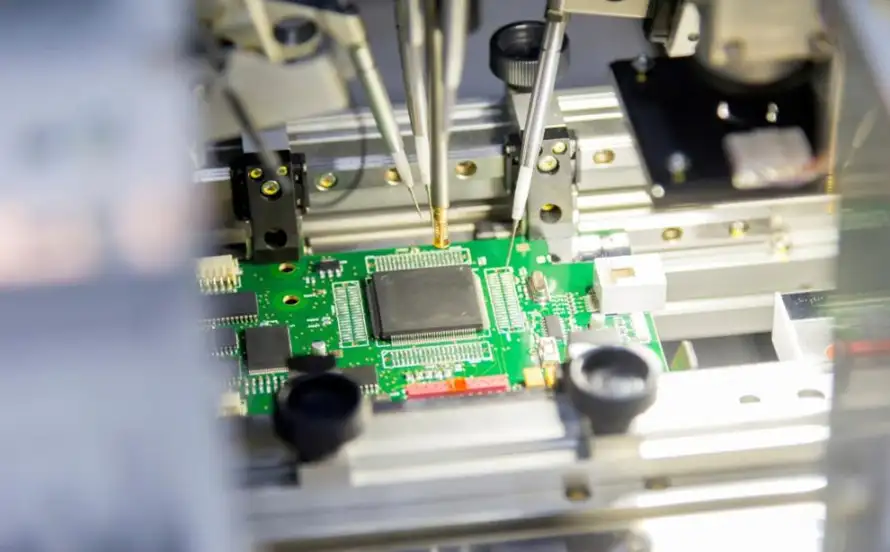
| Defect | Root Cause | Prevention Technique |
|---|---|---|
| Solder Bridging | Excess paste, misalignment | Optimize stencil, SPI feedback |
| Tombstoning | Uneven heating, pad imbalance | Thermal profile optimization |
| Insufficient Solder | Poor printing | Stencil design improvement |
| BGA Voiding | Improper reflow | Nitrogen reflow, profile tuning |
| Head-in-Pillow | Incomplete wetting | Improved TAL, controlled cooling |
| Component Misalignment | Placement accuracy issues | Machine calibration, AOI |
Preventive control is more cost-effective than post-production repair.
Scaling SMT Assembly from Mid-Volume to High-Volume
Transitioning to high-volume electronics manufacturing requires structured scaling.
Capacity Planning
-
Monthly output forecasting
-
Machine redundancy planning
-
Operator shift planning
Equipment Upgrade Strategy
-
High-speed placement systems
-
3D AOI systems
-
MES integration
Quality System Enhancement
-
ISO 9001
-
IATF 16949 (automotive)
-
IPC-A-610 compliance
Scaling without upgrading control systems leads to instability.
Data-Driven SMT Assembly in Industry 4.0
Modern high-volume SMT assembly integrates:
-
MES systems
-
Real-time machine data collection
-
AI-based defect prediction
-
Cloud analytics
-
Traceability down to component level
Data transparency enables predictive maintenance and continuous improvement.
Industry 4.0 transforms SMT assembly from reactive troubleshooting to proactive optimization.
Choosing the Right SMT Assembly Partner for High-Volume Production
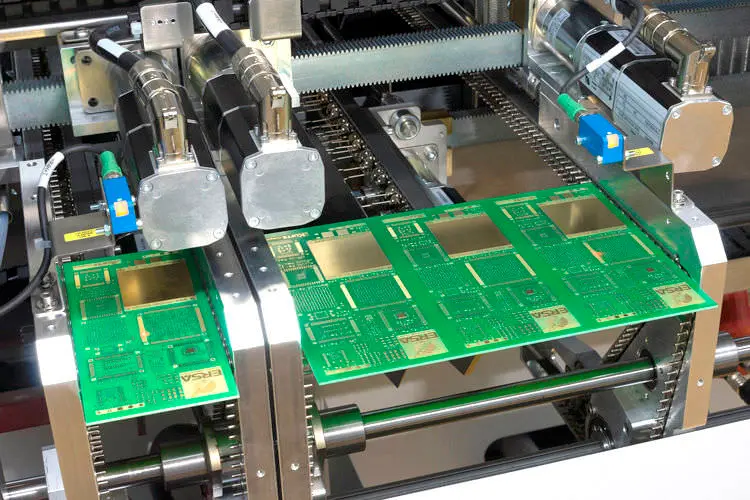
For OEMs and product companies, selecting the right SMT assembly manufacturer is crucial.
Evaluation Criteria:
-
Monthly production capacity
-
Machine capability (CPH, placement accuracy)
-
Quality certifications
-
Engineering support team
-
DFM review capability
-
Traceability system
-
Yield performance record
A reliable high-volume SMT partner should demonstrate stable yield, controlled processes, and scalable infrastructure.
Conclusion: Why SMT Assembly Techniques Define High-Volume Success
In today’s competitive electronics market, SMT Assembly is more than a process — it is a strategic capability.
High-volume electronics manufacturing requires:
-
Precision solder paste control
-
High-speed placement optimization
-
Accurate reflow profiling
-
Advanced inline inspection
-
Automated material management
-
Data-driven yield control
The difference between average and world-class SMT manufacturing lies in technique, automation, and process discipline.
Companies that invest in advanced SMT assembly techniques gain:
-
Higher yield
-
Lower defect rates
-
Faster throughput
-
Lower cost per unit
-
Stronger market competitiveness
As product complexity increases and production volumes grow, mastering SMT assembly techniques becomes essential for sustainable success in electronics manufacturing.
