
 Tiếng Việt
 日本語
日本語
At 145% tariff, a $9.50 charger built in China lands in the US at $23.28. The same charger built in Vietnam — the leading china tariff charger alternative in 2026 — lands at $10.19. That $13 gap is not a sourcing preference. It is a margin survival question. Section 301 tariffs escalated to 145% on Chinese electronics in April 2025. HTS 8504.40 — the classification covering USB chargers, AC/DC power adapters, and GaN chargers — is fully in scope. For US brands running charger programs, the math no longer works from China. This guide covers every viable china tariff charger alternative, what the real options look like on equipment and certification, and which location has the documented production proof already shipping to the US market.
What the 145% Tariff Actually Does to Charger Economics
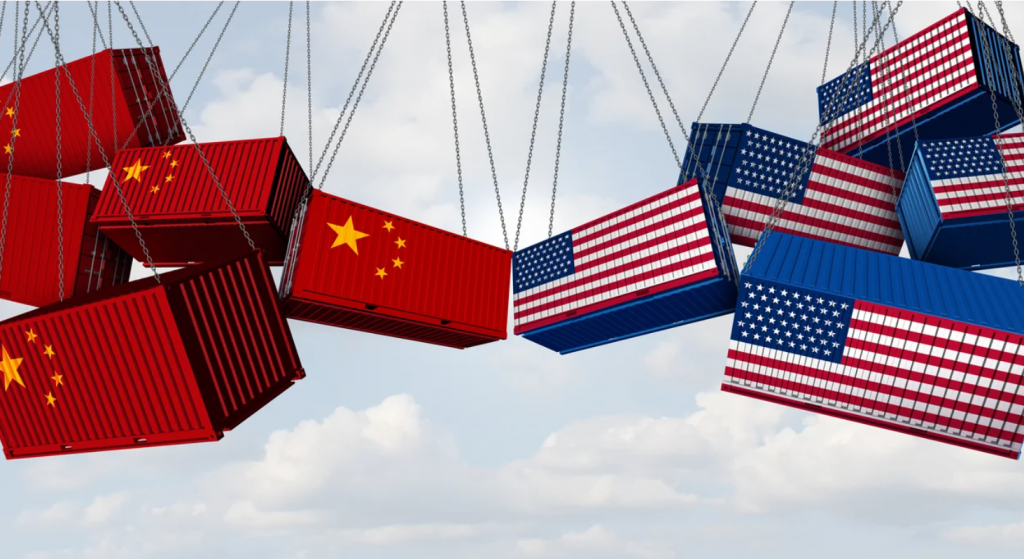
The tariff impact on charger programs is not abstract — it shows up directly in landed cost, gross margin, and retail price competitiveness. Understanding the numbers is the starting point for evaluating any china tariff charger alternative seriously.
The Landed Cost Math
Chargers and power adapters classified under HTS 8504.40 are subject to the full Section 301 tariff stack: 25% base rate plus 120% additional = 145% total. On a $9.50 factory cost unit, that adds $13.78 in tariff alone.
| Scenario | Factory Cost | Tariff | Landed Cost (US) |
|---|---|---|---|
| China — pre-2025 | $9.50 | 25% ($2.38) | $11.88 |
| China — post April 2025 | $9.50 | 145% ($13.78) | $23.28 |
| Vietnam — 2026 | $9.50 | 0% MFN | ~$10.19 |
Vietnam landed cost includes freight differential estimate. Factory cost assumed equivalent for comparison.
The retail math is equally stark. A charger retailing at $29.99 with a China-origin landed cost of $23.28 leaves $6.71 gross margin before Amazon fees, returns, and marketing. The same product from Vietnam at $10.19 landed leaves $19.80 — nearly three times the margin.
On a 50,000-unit program, the per-unit delta of $13.08 compounds to a $654,000 cost swing. That is not a rounding error. It is the difference between a viable program and one that cannot be priced competitively in the US market.
Why This Is Not a Temporary Situation
Section 301 tariffs are not executive discretion items that reverse by policy memo. Modifying them requires either a Presidential executive order with formal USTR review, or Congressional legislation — neither of which is on the near-term calendar as of May 2026.
The UFLPA (Uyghur Forced Labor Prevention Act) adds a separate compliance layer on top of the tariff. Under UFLPA, goods with any connection to Xinjiang supply chains carry a rebuttable presumption of forced labor — meaning CBP can detain shipments at the port of entry. For electronics with China-origin components, documenting a clean supply chain is increasingly difficult and resource-intensive.
The combined effect is cost risk + compliance risk + supply chain concentration risk. Brands treating the China tariff situation as temporary are building programs on an assumption the evidence does not support. Finding a viable china tariff charger alternative is not optional planning — it is execution-critical for 2026 programs.
For the full cost model including freight, duty drawback, and component sourcing scenarios, see: Tariff Impact: China vs Vietnam Electronics Manufacturing.
Which Charger Categories Are Most Affected
Not all charger programs carry equal tariff exposure. The impact scales with factory cost and volume:
- GaN chargers (USB-C PD, 30W–140W): Highest margin compression. Premium retail price, but factory cost already higher than standard chargers. The $13/unit tariff hits hardest here.
- Multi-port desktop chargers (65W–200W): High BOM cost amplifies tariff impact. A $22 factory cost unit carries $31.90 in tariff at 145%.
- Standard 5W–20W USB-A/C: Lower absolute dollar impact per unit — but volume-sensitive. A 500,000-unit program carries $6.5M in tariff exposure.
- Wireless charging pads: Fall under HTS 8504.40 overlap — same tariff classification, same exposure.
The 4 China Tariff Charger Alternatives US Brands Are Evaluating
With China economics broken, four locations are being seriously evaluated by US hardware and procurement teams. Here is an objective assessment of each china tariff charger alternative — equipment capability, certification track record, and unit economics included.
Alternative 1: Vietnam
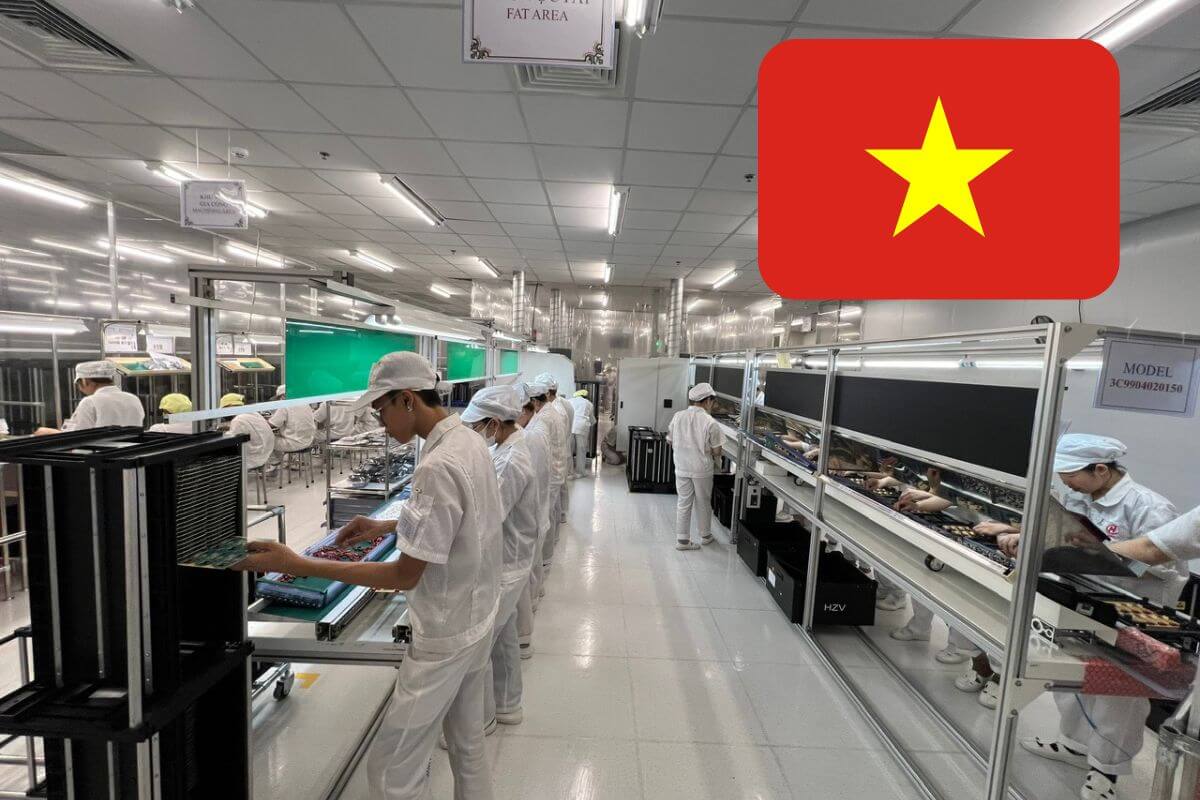
Vietnam is the leading china tariff charger alternative in 2026 — not because of marketing claims, but because of documented production proof that no other location can match at this stage.
Why it leads:
- 0% MFN tariff on HTS 8504.40 — zero Section 301 exposure
- Existing electronics manufacturing ecosystem: SMT lines, component supply chain, in-country certification lab coordination
- Engineering teams with direct experience in US compliance requirements — UL 62368-1, FCC Part 15, ETL
- CPTPP and EVFTA trade agreements provide preferential access to EU and Asia-Pacific markets alongside the US
- ETL-certified, FCC-compliant GaN chargers already shipping to the US market from Vietnam — not a pilot, not a capability claim
Limitations:
- Component supply chain less mature than China — some passive components still sourced from regional distributors rather than domestic manufacturers
- Fewer tier-1 EMS options than China — factory capability due diligence is critical before committing a program
Best for: GaN chargers 30W–140W, multi-port USB-C PD, premium consumer and enterprise programs requiring US market certification.
Alternative 2: Mexico (Nearshore)
Mexico appears frequently in nearshoring discussions — but the reality for charger programs is more limited than the headline suggests.
Why brands consider it:
- USMCA: 0% tariff, no Section 301 exposure
- Geographic proximity — shorter lead time, easier factory visits, same-day flights from the US
- Shared time zone with US operations
Limitations:
- Electronics manufacturing ecosystem is strong in automotive, shallow in consumer power electronics
- Very few SMT factories with GaN charger capability — nitrogen reflow ovens and 3D X-ray inspection are rare in Mexico’s electronics sector
- Labor cost is higher than Vietnam: $4.50–6.00/hr vs $2.80–3.50/hr
- No documented ETL-certified GaN charger programs from Mexico EMS on public record
As a china tariff charger alternative for GaN programs, Mexico does not yet have the production infrastructure to deliver. The tariff advantage is real; the manufacturing capability is not.
Best for: Simple, low-complexity power accessories — cable assemblies, basic USB-A chargers. Not the right location for GaN charger programs requiring UL 62368-1 certification.
Alternative 3: India
India is a long-term strategic play — but not a viable china tariff charger alternative for programs needing tariff relief in 2026.
Why brands consider it:
- PLI (Production Linked Incentive) scheme: government subsidies for electronics manufacturing reduce effective production cost
- Large labor pool, growing SMT ecosystem concentrated in Tamil Nadu and Telangana
- Strategic diversification value — reduces Asia concentration risk over a 3–5 year horizon
Limitations:
- GSP (Generalized System of Preferences) for India is currently suspended — India does not have a clear tariff advantage over Vietnam for US imports as of May 2026
- GaN charger PCB assembly capability is nascent — very few factories with nitrogen reflow + 3D X-ray + 100% hi-pot testing
- Certification support for UL/ETL/FCC is limited; most programs require third-country lab coordination adding 4–6 weeks to the timeline
- Infrastructure reliability adds program risk for time-sensitive NPI schedules
Best for: 3–5 year strategic manufacturing diversification. Not a viable china tariff charger alternative for brands needing certified production in 2026.
Alternative 4: Taiwan
Taiwan has strong engineering capability but does not compete on volume production economics for charger programs.
Why brands consider it:
- Home to major GaN IC designers — deep engineering knowledge of GaN power electronics
- High-quality SMT ecosystem with strong IPC compliance culture
- Established relationships with US certification labs
Limitations:
- Labor cost significantly higher than Vietnam — not competitive on unit economics for volume production above 10,000 units
- Geopolitical risk: Taiwan Strait tension is now an explicit supply chain risk factor in US procurement policy frameworks — many hardware teams are actively reducing Taiwan concentration, not increasing it
- Best positioned as a design and NPI partner, not a volume production location
Best for: Prototype, NPI, low-volume high-complexity programs. The common pattern is design in Taiwan, transfer volume production to Vietnam as the china tariff charger alternative for scale.
China Tariff Charger Alternative Comparison
| Location | Tariff (HTS 8504.40) | GaN Capability | Certified Programs on Record | Unit Cost vs China |
|---|---|---|---|---|
| Vietnam | 0% MFN | Documented | ETL + FCC | −$13.08/unit |
| Mexico | 0% USMCA | Limited | None documented | Tariff parity, higher labor |
| India | ~0% (GSP suspended) | Nascent | Limited | Variable |
| Taiwan | ~0% | Strong | Yes | Higher labor cost |
| China | 145% | Mature | Yes | Baseline |
The comparison makes the decision straightforward for most programs. Vietnam is the only china tariff charger alternative combining 0% tariff, documented GaN capability, and certified products already on the US market.
Why Vietnam Is Winning the China Tariff Charger Alternative Race
The comparison above points to Vietnam — but the more important question is why Vietnam has pulled ahead of every other china tariff charger alternative, and whether that lead is durable.
The Infrastructure That Already Exists
Vietnam’s electronics export infrastructure was not built for this moment — it was built over the past decade by Samsung, LG, Intel, and Foxconn establishing large-scale operations. The downstream effect is a functional ecosystem for smaller charger programs:
- Industrial zones: VSIP, Amata, Deep C — bonded warehouse, customs clearance, and logistics infrastructure already operational for electronics export
- Component supply chain: Passive components available through established regional distributors. GaN ICs from Navitas, GaN Systems, and Infineon sourced directly — not China-dependent
- Freight: Hai Phong and Ho Chi Minh City ports offer direct container service to US West Coast (Long Beach) in 18–22 days — comparable to China transit times
The Certification Ecosystem
Intertek (ETL), Bureau Veritas, and TÜV SÜD all have Vietnam offices or regional lab access. Pre-compliance EMC scanning is available in-country — reducing lab submission failure rates and avoiding the cost of shipping units to Singapore or Hong Kong for pre-scan. FCC-accredited lab coordination from Vietnam is established practice, not an exception.
The Production Proof at SHDC
Two certified programs already shipping to the US market from SHDC’s Hai Duong facility. These are the most important data points when evaluating Vietnam as a china tariff charger alternative — not factory brochures, but products with certificate numbers on the US market.
Winsler 70W Ultra Slim
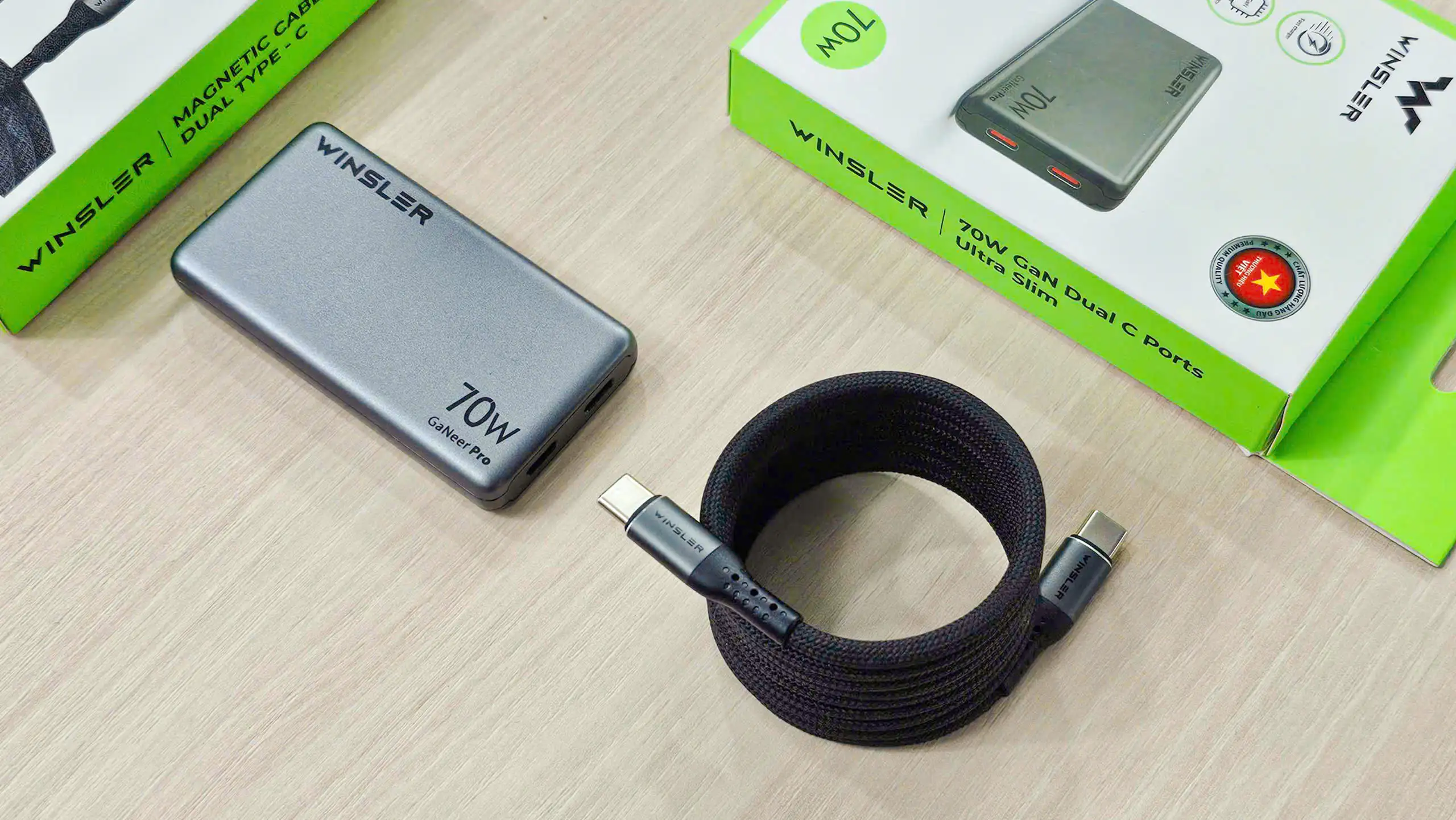
SHDC’s own-brand GaN charger. ETL certified (Intertek), FCC Part 15 compliant, 12.8mm thickness with dual USB-C output. Shipping to the US market. Covered by VnExpress and Thanh Nien.
PlugBug for Twelve South
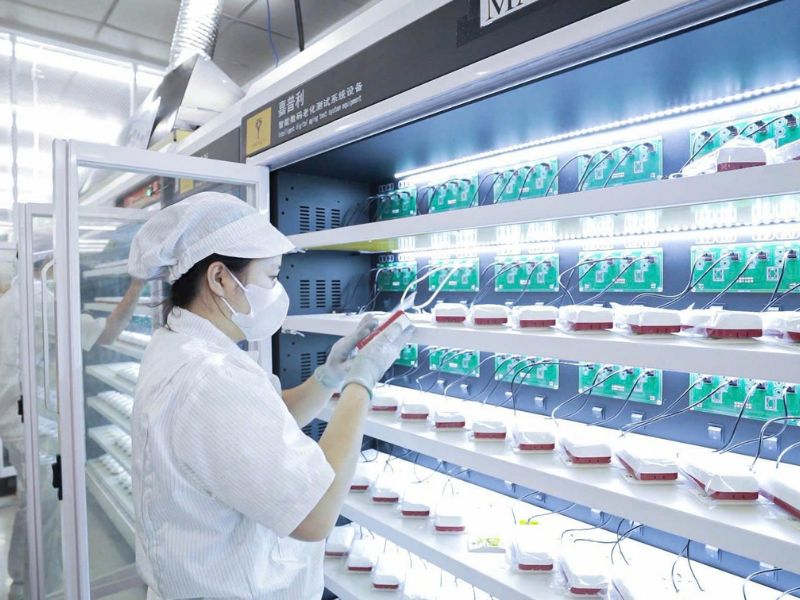
SHDC manufactured the PlugBug GaN charger line for Twelve South — a US accessories brand distributed through Apple retail channels. The program includes a 120W 4-port and 50W 2-port GaN charger, both exported to the US market. Apple supply chain qualification is among the most stringent in consumer electronics. Source: VietnamNet, February 2025.
The factory that built these products — ETL certified, FCC compliant, Apple supply chain qualified — is available for OEM programs. The learning curve for this china tariff charger alternative has already been paid for.
For the full technical breakdown of GaN charger PCB assembly requirements in Vietnam, see: GaN Charger PCB Assembly in Vietnam.
The Production Transfer Timeline
Moving production to a china tariff charger alternative is not instant. Brands that started Vietnam qualification in Q1 2025 are shipping now. Brands starting today are targeting Q4 2026 first shipment.
| Phase | Activity | Duration |
|---|---|---|
| Supplier qualification | Factory audit, DFM review, sample evaluation | 3–4 weeks |
| Prototype & NPI | First article build, pre-compliance EMC scan | 4–6 weeks |
| Certification | ETL/UL lab + FCC lab (parallel submission) | 8–12 weeks |
| Production qualification | First production lot, QC sign-off | 2–3 weeks |
| Total | Design transfer to first shipment | 17–25 weeks |
For programs adapting an existing certified platform — building on SHDC’s Winsler platform for a custom form factor, for example — the timeline compresses to 12–16 weeks.
What to Look For in a China Tariff Charger Alternative Manufacturer
Not every Vietnam EMS factory can build GaN chargers to US market standards. Evaluating a china tariff charger alternative manufacturer requires looking past the sales deck and into the production floor.
The Non-Negotiable Equipment Stack
For GaN charger programs targeting US market certification, the following equipment is non-negotiable:
- Nitrogen reflow oven — void control per IPC-7093; standard air reflow produces 35–50% void in QFN thermal pads, exceeding the 25% maximum
- 3D X-ray inspection — QFN thermal pad void measurement; 2D X-ray detects void presence but cannot measure percentage
- 100% in-line hi-pot testing at 3000VAC — UL 62368-1 isolation verification; sampling-based hi-pot is not acceptable for US retail programs
- AOI post-reflow — component placement and solder joint verification
- Pre-compliance EMC scan — reduces FCC lab failure rate before formal submission
For the full technical explanation of why each requirement matters, see: GaN Charger PCB Assembly in Vietnam.
The DFM Review as a Capability Test
Submit a Gerber package and BOM before committing to any china tariff charger alternative supplier. A factory with real GaN capability returns a DFM report in 3–5 business days with specific comments on creepage distance (minimum 6.4mm per UL 62368-1), GaN power loop area (target < 0.5cm²), thermal via density beneath QFN pad, and PCB material specification (UL 94 V-0 required).
A factory without real GaN capability returns “no issues found” within a few hours. The review was not performed — it was acknowledged. This test costs nothing and eliminates the wrong china tariff charger alternative partners before any financial commitment.
For the full supplier qualification framework, see: PCBA Vietnam — High Reliability PCB Assembly Partner for US OEMs.
FAQs
Is Vietnam subject to any US tariffs on chargers?
Vietnam-origin chargers classified under HTS 8504.40 currently carry a 0% MFN (Most Favored Nation) tariff rate. There is no Section 301 action against Vietnam. The reciprocal tariff announced in April 2025 was paused for 90 days and has not been reinstated as of May 2026. Vietnam-origin goods remain at 0% MFN — making Vietnam the cleanest china tariff charger alternative from a trade compliance standpoint.
What is the HTS code for chargers and power adapters?
The primary HTS classification for USB chargers and AC/DC power adapters is 8504.40 — Static converters. This classification is subject to the full 145% Section 301 tariff when imported from China. Vietnam-origin goods under the same HTS code carry 0% MFN. For tariff classification questions, the USITC HTS database is the authoritative reference.
How long does it take to move charger production from China to Vietnam?
For a GaN charger program: 17–25 weeks from supplier qualification to first production shipment. This includes DFM review (3–4 weeks), prototype build and pre-compliance EMC scan (4–6 weeks), ETL/UL and FCC certification run in parallel (8–12 weeks), and production qualification (2–3 weeks). Programs adapting an existing certified platform compress to 12–16 weeks. Brands that started Vietnam qualification in Q1 2025 are shipping now — this china tariff charger alternative transition is not theoretical.
Does Vietnam have the component supply chain for GaN chargers?
GaN ICs from Navitas, GaN Systems, and Infineon are sourced directly from authorized distributors — not China-dependent. Passive components are available through established Vietnam-based and regional distributors. PCB fabrication is available domestically. The supply chain is functional and proven for GaN charger programs in the 30W–140W range.
What certifications can a Vietnam manufacturer support for US market chargers?
ETL (Intertek), UL 62368-1, FCC Part 15 Class B, USB-IF TID. Pre-compliance EMC scanning is available in-country. Certification timelines from Vietnam are equivalent to China — 8–12 weeks for ETL/UL, 4–6 weeks for FCC with parallel submission possible.
Is the 145% China tariff permanent?
Section 301 tariffs require either a Presidential executive order following formal USTR review or Congressional legislation to modify. As of May 2026, no reversal is in progress. Planning assumptions for 2026–2027 charger programs should treat 145% as the baseline scenario and qualify a china tariff charger alternative accordingly.
Conclusion
The 145% tariff on China chargers is not a negotiating position — it is a structural cost that has permanently reset the economics of US charger programs. Every viable china tariff charger alternative has been evaluated here: Vietnam leads on tariff rate, GaN capability, certification track record, and production proof. Mexico and India have the tariff advantage but not the manufacturing infrastructure. Taiwan has the engineering depth but not the volume economics.
The brands moving fastest are the ones that started Vietnam qualification six months ago and are shipping now. The brands starting today are looking at Q4 2026 first shipment. The window to capture the $13/unit china tariff charger alternative advantage on 2026 programs is open — but it closes as qualification timelines run.
