
 Tiếng Việt
 日本語
日本語
Vietnam has become a serious destination for electronics manufacturing, especially as US OEMs rethink supply chain strategies. PCBA Vietnam offers a balance of cost efficiency, technical capability, and production flexibility that few regions can match today. However, for most US companies, the decision is no longer about whether Vietnam is viable. That question has already been answered. The real challenge is identifying which PCBA partner in Vietnam can deliver consistent, high-reliability performance over time—not just in prototypes, but across full production cycles.
Why PCBA Vietnam Is a Strategic Choice for US OEMs
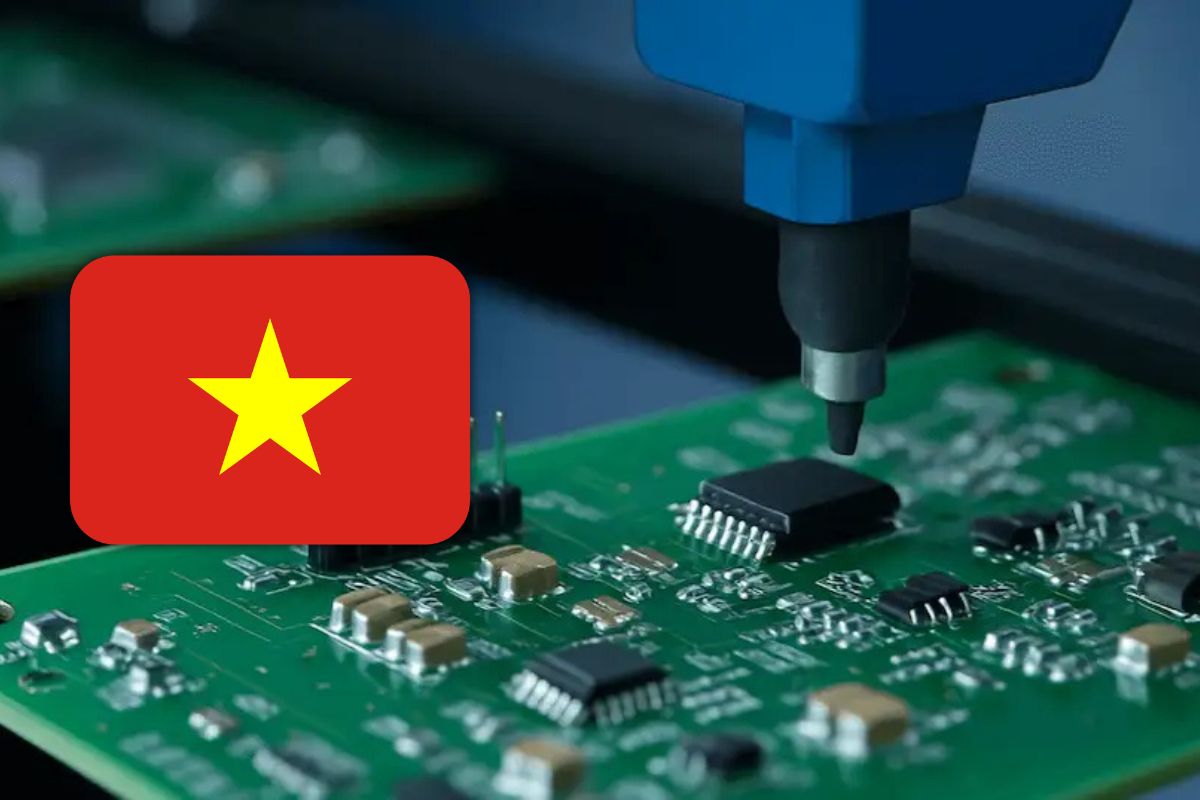
Vietnam’s growth in electronics manufacturing is driven by structural advantages, but what matters is how those advantages translate into real production outcomes.
Cost Efficiency That Supports Long-Term Planning
Vietnam remains cost-competitive, but the more important factor is predictability. Compared to other regions, pricing in Vietnam tends to be more stable, allowing OEMs to plan production without constant cost fluctuations. This is particularly valuable for long lifecycle products where margin control is critical.
Supply Chain Diversification Beyond China
For US OEMs, the shift toward Vietnam is closely tied to China+1 strategies. The goal is not to replace China entirely, but to reduce dependency. Vietnam provides a practical way to split production while maintaining regional proximity and logistics efficiency.
Maturing Manufacturing Ecosystem
Vietnam’s EMS sector has improved significantly in terms of SMT capability, workforce skill, and factory infrastructure. Many suppliers now operate modern production lines and follow international standards, making them capable of supporting mid- to high-complexity assemblies.
Faster Response for Prototyping and NPI
Compared to more saturated markets, some Vietnam-based manufacturers offer greater flexibility in scheduling. This allows faster iteration during prototyping and early-stage production, which is critical for reducing time-to-market.
However, these advantages only translate into value if execution is consistent—and that’s where the real challenge begins.
The Biggest Risk in PCBA Vietnam: Inconsistent Quality & Execution
Despite its advantages, Vietnam is not a uniform manufacturing environment. The difference between suppliers is often not visible at the surface level.
Capability Does Not Equal Consistency
Many suppliers have similar equipment and certifications, but their ability to maintain stable processes varies widely. Without tight control over parameters such as soldering profiles or placement accuracy, small inconsistencies can lead to measurable quality issues over time.
Component Sourcing Is a Hidden Risk Layer
Component sourcing is one of the most underestimated risks in PCBA. A supplier may deliver acceptable assembly quality, but if components come from unstable or unverified sources, reliability issues can appear later in the product lifecycle. This is particularly critical for US OEMs with strict quality requirements.
Process Control Gaps Lead to Long-Term Issues
Inconsistent inspection coverage, lack of traceability, or weak documentation practices may not cause immediate failures, but they reduce the ability to detect and resolve issues early. Over time, this leads to increased defect rates and unpredictable performance.
Communication Impacts Execution Quality
Even technically capable suppliers can underperform if communication is weak. Misalignment in specifications, unclear documentation, or delayed responses can create friction that affects timelines and quality.
The key takeaway is simple:
The primary risk in PCBA Vietnam is not lack of capability—it is lack of consistency.
>>>Read more: SHDC SMT Vietnam: A Leading SMT Assembly Partner for Global OEM Electronics
How to Choose a High-Reliability PCBA Vietnam Supplier
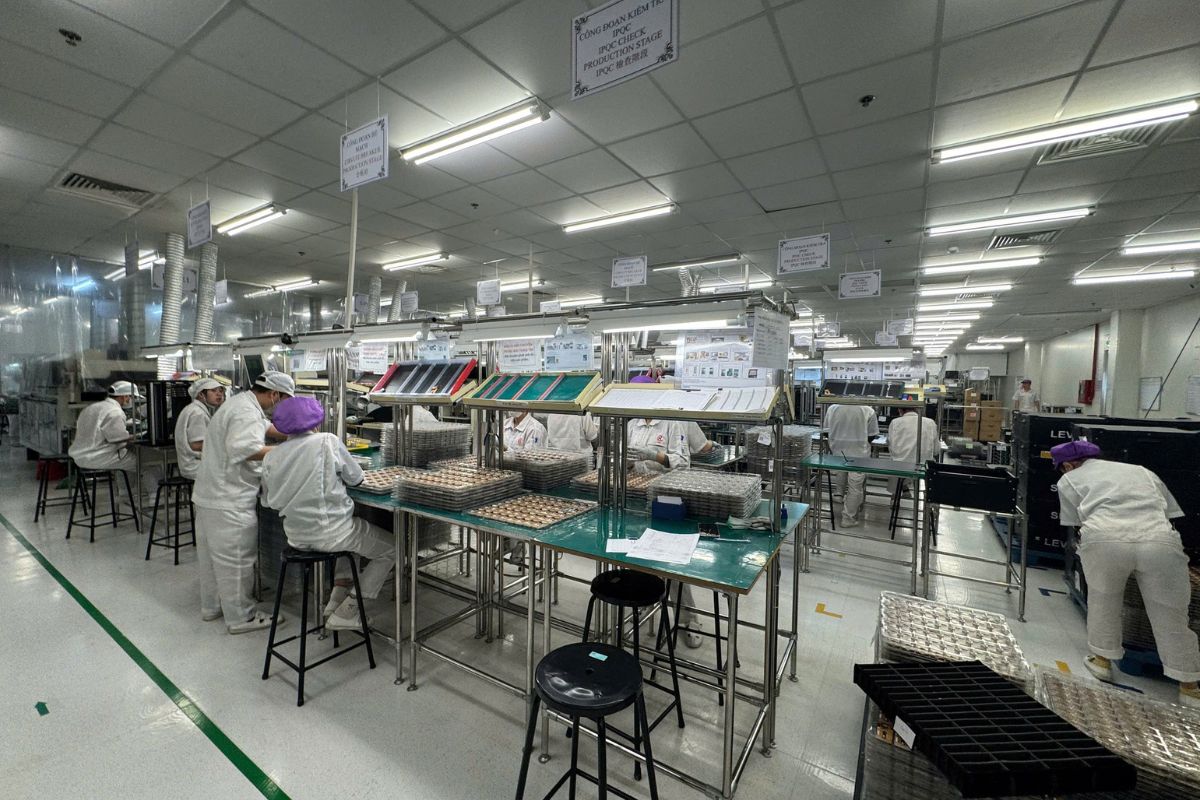
For US OEMs, selecting a supplier requires more than comparing quotes. It involves evaluating how well a partner can control risk across the entire production process.
Engineering Capability & DFM Support
A reliable supplier contributes early in the process. DFM (Design for Manufacturability) feedback helps identify potential production issues before they occur, reducing the likelihood of costly revisions later.
Suppliers that engage actively at this stage tend to deliver more stable outcomes because they understand the product beyond assembly instructions.
Quality Systems & Certifications
Certifications such as IPC-A-610 or ISO 9001 are baseline requirements, but they should not be the final deciding factor. What matters is how these standards are implemented in daily operations.
A strong supplier demonstrates:
- Clear process documentation
- Defined inspection criteria
- Consistent quality reporting
These elements indicate that quality is managed systematically, not reactively.
>>>Read more: ISO Standards for Manufacturing: What OEM Companies Need to Know
Manufacturing Capability and Scalability
Capability should be evaluated in terms of flexibility, not just capacity. A supplier must be able to handle both low-volume prototypes and scale efficiently to mass production without compromising quality.
This requires not only equipment, but also process stability and workforce consistency.
Testing and Validation Strategy
Testing should be integrated into the production process rather than treated as a final checkpoint. AOI, ICT, and functional testing work best when they are part of a feedback loop that continuously improves manufacturing quality.
Suppliers that rely heavily on end-of-line inspection often compensate for upstream process weaknesses.
Supply Chain Control and Component Management
Reliable PCBA manufacturing depends heavily on component sourcing. A supplier with strong supply chain control can maintain consistent quality and lead times even in volatile market conditions.
This includes:
- Verified supplier networks
- BOM validation processes
- Risk mitigation strategies for shortages
Communication and Project Management
Execution quality is directly tied to communication. A supplier that can respond quickly, clarify requirements, and manage changes effectively reduces the likelihood of delays and errors.
For US OEMs, this often becomes a deciding factor, especially in complex or time-sensitive projects.
What Defines a High-Reliability PCBA Vietnam Partner?
The concept of “high reliability” is often misunderstood. It is not about eliminating defects entirely, but about controlling them within predictable limits.
- Consistent Yield Performance: High first-pass yield indicates stable processes. More importantly, consistency across multiple production runs shows that the system is repeatable.
- Low and Controlled Defect Rates: Defect rates should be low, but also well-documented and traceable. This allows for continuous improvement and faster issue resolution.
- Process Repeatability Across Volumes: A reliable supplier can maintain quality when transitioning from prototype to mass production. This is where many suppliers struggle, as scaling introduces new variables.
- Traceability and Transparency: Traceability ensures that issues can be identified and resolved efficiently. It also supports compliance with industry requirements and reduces long-term risk.
End-to-End PCBA Vietnam Capabilities
An integrated approach to PCBA can significantly reduce operational complexity.
- From Prototype to Production: Handling both prototyping and mass production within the same system improves continuity. Engineering insights gained during early stages can be applied directly to production.
- Turnkey PCB Assembly: Turnkey services simplify coordination by consolidating sourcing, fabrication, and assembly. This reduces the number of handoffs and potential points of failure.
- Box Build and System Integration: For OEMs producing complete products, integrating box build services can streamline the supply chain and improve overall efficiency.
The advantage of end-to-end capability is not just convenience—it is control. Fewer variables lead to more predictable outcomes.
A Trusted PCBA Vietnam Partner for US OEMs
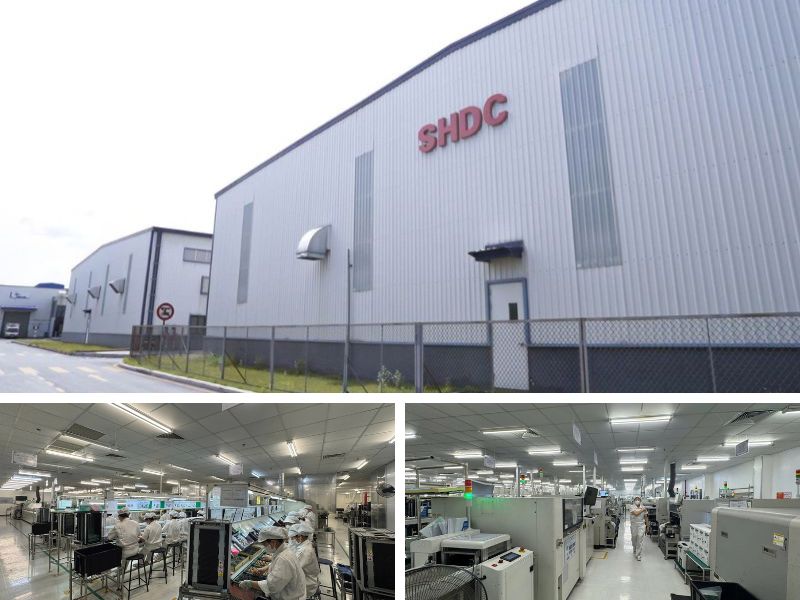
For US companies, a reliable PCBA partner in Vietnam should function as an extension of their manufacturing operations.
This means aligning not only on technical capability, but also on:
- Quality expectations
- Communication standards
- Long-term scalability
A strong partner demonstrates consistency in execution, transparency in communication, and the ability to adapt as project requirements evolve.
Rather than focusing solely on cost, successful OEMs prioritize partners who can deliver stable performance over time.
>>>Read more: SHDC – Turnkey PCBA Manufacturer in Vietnam
PCBA Vietnam for Different Industry Applications
Vietnam-based PCBA suppliers are now supporting a wide range of industries, each with different requirements.
- Industrial Electronics: Industrial applications require durability and long lifecycle support. Reliability is critical, as failures can lead to operational downtime.
- Consumer Electronics: Speed and cost efficiency are key drivers, but quality must remain consistent across large production volumes.
- IoT and Connected Devices: These products often involve rapid iteration and complex integration, requiring flexible manufacturing processes.
- Automotive and Specialized Applications: For higher-reliability sectors, stricter standards and traceability requirements apply, making supplier selection even more critical.
How to Start Your PCBA Vietnam Project
Moving from evaluation to execution requires clear preparation.
- Preparing for an Accurate RFQ: Providing complete documentation—such as Gerber files, BOM, and assembly drawings—ensures accurate quoting and reduces delays.
- Aligning Expectations Early: Defining quality standards, testing requirements, and timelines at the beginning helps prevent misalignment later in the process.
- Evaluating Supplier Responsiveness: The RFQ stage itself is an opportunity to assess a supplier’s capability. The quality of their questions and feedback often reflects their level of expertise.
Request a Quote for PCBA Vietnam
Selecting a PCBA partner is a strategic decision that affects product quality, cost, and scalability.
A well-qualified supplier should be able to:
- Provide detailed technical feedback
- Offer transparent pricing
- Identify potential risks early
For US OEMs, the goal is not just to find a manufacturer—but to establish a partnership that supports long-term growth.
Final Thought
PCBA Vietnam offers clear advantages, but those advantages depend entirely on execution.
The right partner does more than assemble boards—they help you build a manufacturing system that is stable, scalable, and reliable over time.
And in today’s competitive environment, that level of reliability is not optional—it’s essential.
FAQs
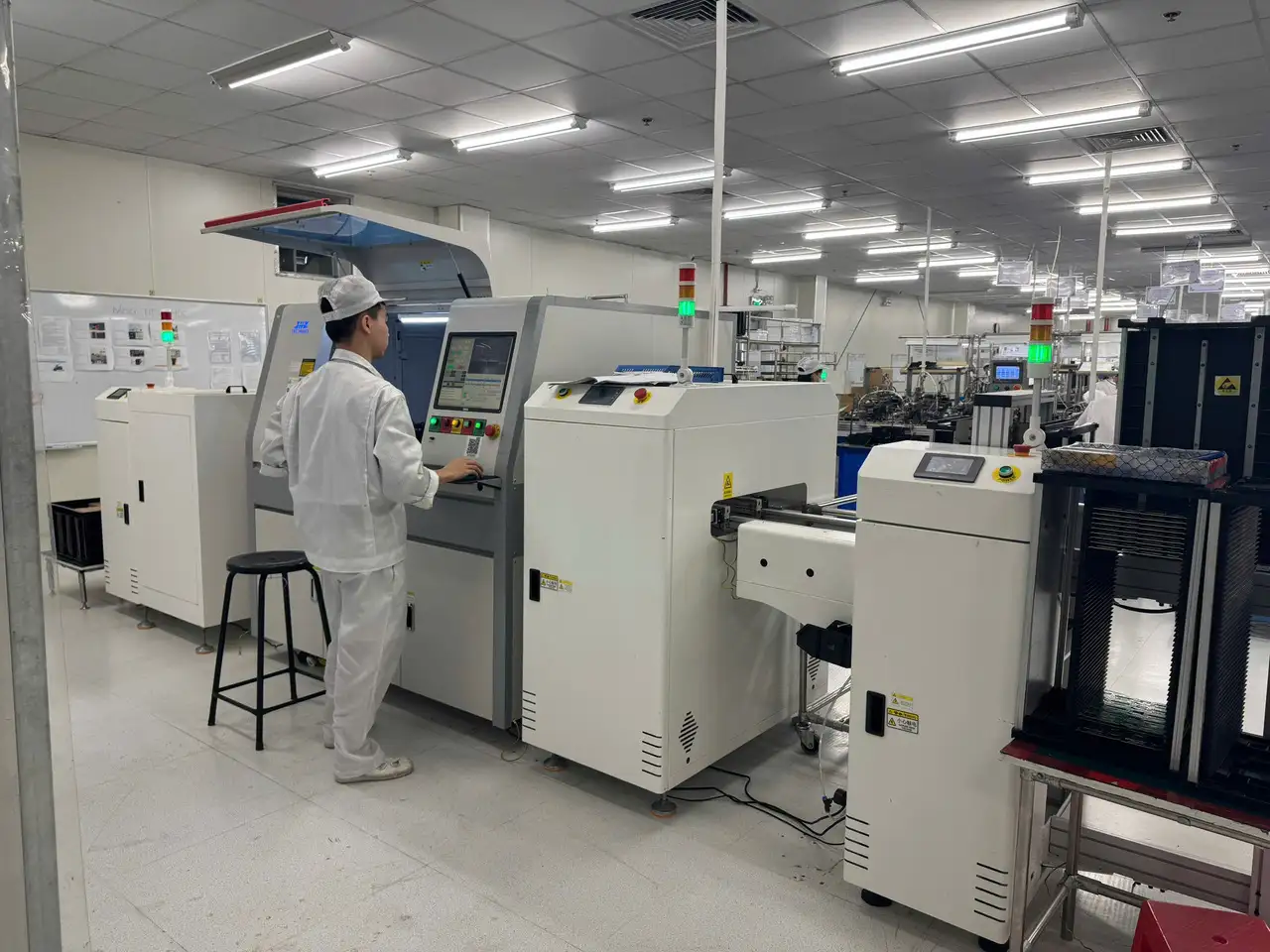
What is PCBA Vietnam and why are US OEMs choosing it?
PCBA Vietnam refers to printed circuit board assembly services provided by manufacturers based in Vietnam. US OEMs are increasingly choosing Vietnam due to cost efficiency, supply chain diversification (China+1 strategy), and improving manufacturing capabilities. However, the key advantage depends on selecting a reliable supplier that can maintain consistent quality.
How do I choose a reliable PCBA supplier in Vietnam?
A reliable PCBA supplier should demonstrate strong engineering support (DFM), structured quality systems (IPC, ISO), stable manufacturing processes, and effective communication. US OEMs typically evaluate suppliers based on their ability to maintain consistent yield, manage component sourcing, and scale production without quality degradation.
Is PCBA Vietnam cheaper than China?
In many cases, PCBA Vietnam offers lower labor and operational costs than China. However, the more important factor is cost stability and overall value. A slightly higher unit cost may still be more efficient if the supplier delivers better quality, fewer defects, and more predictable lead times.
What are the main risks of outsourcing PCBA to Vietnam?
The primary risks include inconsistent quality between suppliers, unstable component sourcing, weak process control, and communication gaps. These risks can be mitigated by selecting a supplier with strong quality systems, traceability, and proven experience with international OEMs.
What certifications should a PCBA Vietnam manufacturer have?
Common certifications include IPC-A-610 for assembly quality and ISO 9001 for quality management. Depending on the industry, additional certifications such as ISO 13485 (medical) or IATF 16949 (automotive) may be required. However, implementation of these standards is more important than certification alone.
What is the typical lead time for PCBA in Vietnam?
Prototype lead times typically range from 3 to 10 days depending on complexity. Mass production can take 2 to 6 weeks. Lead time depends on factors such as component availability, production capacity, and testing requirements.
Can PCBA Vietnam suppliers handle both prototype and mass production?
Yes, many PCBA suppliers in Vietnam offer end-to-end services, from prototyping to mass production. However, not all suppliers can maintain consistent quality when scaling. It is important to verify process stability and scalability before committing to long-term production.
What information is needed to get a PCBA quote?
To receive an accurate quote, you typically need to provide Gerber files, a bill of materials (BOM), assembly drawings, and testing requirements. Clear documentation helps suppliers evaluate manufacturability and reduce quoting errors.
>>>Read more: Top 4 SMT Assembly Companies in Vietnam in 2026
