
 Tiếng Việt
 日本語
日本語
Electronics manufacturing outsourcing is often positioned as a straightforward way to reduce production costs. Lower labor rates, scalable capacity, and access to global supply chains make it an attractive option for OEMs and product companies. But here’s the reality many teams discover too late: The quoted price is rarely the true cost. After working with multiple EMS providers across different regions, many OEMs realize that the lowest quote can lead to higher total expenses once production begins. Hidden costs—often overlooked during vendor selection—can significantly impact margins, timelines, and even product quality This article breaks down the real, often invisible costs behind electronics manufacturing outsourcing, and how to evaluate the true total cost before committing to a supplier.
Why Outsourcing Quotes Often Don’t Reflect the Real Cost
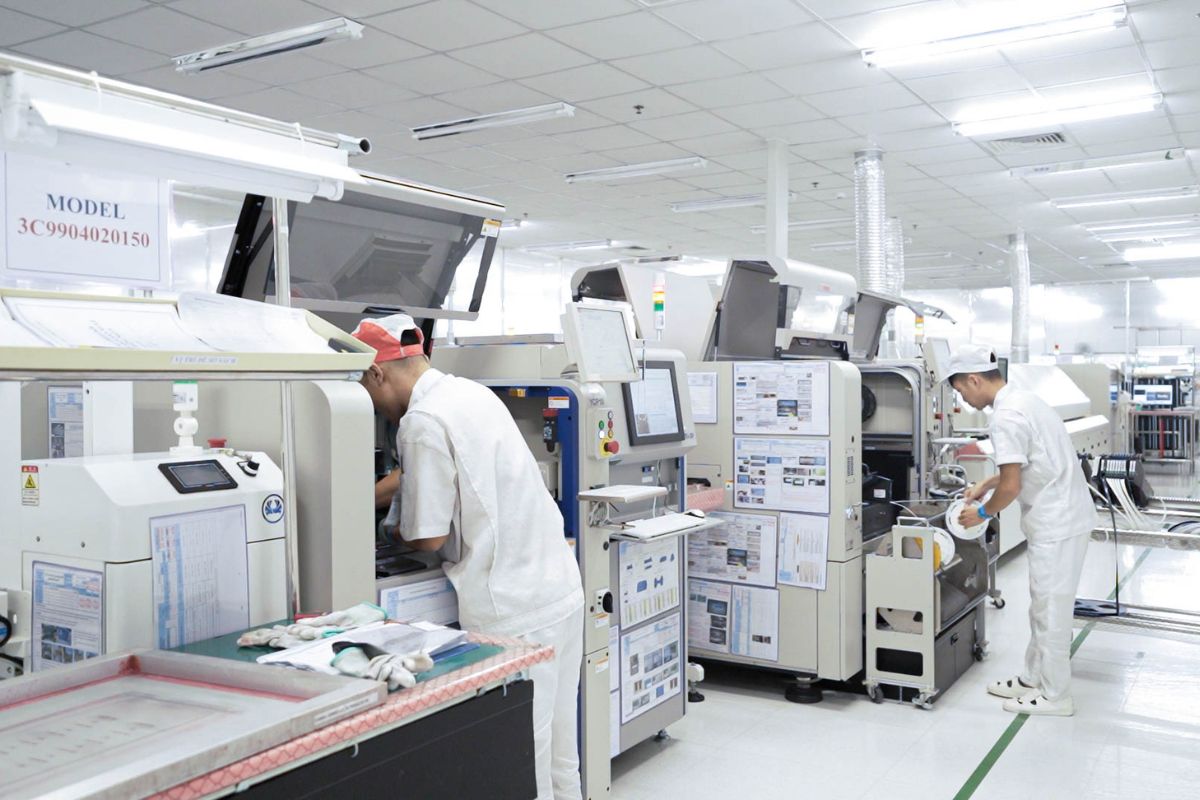
Most outsourcing quotes focus on unit price—the cost to produce a single PCB assembly or finished product. While this number is easy to compare across suppliers, it represents only a fraction of the total cost.
In practice, production involves a complex system of engineering, quality control, logistics, and communication. Each of these layers introduces potential costs that may not be included—or even mentioned—in the initial quote.
A common mistake OEMs make is assuming:
“If Supplier A is 15% cheaper per unit, the total project cost will also be 15% lower.”
In reality, the opposite often happens.
Low-cost quotes frequently shift costs downstream rather than eliminating them.
What Is Total Cost in Electronics Manufacturing Outsourcing?
To make informed decisions, OEMs need to move beyond unit pricing and adopt a Total Cost of Ownership (TCO) mindset.
Total cost in electronics manufacturing outsourcing typically includes:
- Unit cost (quoted price per unit)
- Engineering and setup costs
- Quality-related costs (defects, rework, returns)
- Supply chain and logistics costs
- Time-related costs (delays, missed opportunities)
When these factors are considered together, the “cheapest” supplier often turns out to be far from the most cost-effective.
The Hidden Costs Most OEMs Overlook
This is where most outsourcing decisions go wrong. Below are the key hidden cost categories that directly impact your total production cost.
Engineering and NRE Costs
Non-recurring engineering (NRE) costs are one of the most underestimated factors in outsourcing.
These include:
- Design for Manufacturability (DFM) adjustments
- Tooling and fixture setup
- Process engineering
- Design revisions during pilot runs
Many low-cost suppliers minimize upfront engineering involvement to keep quotes attractive. However, without proper DFM review early on, issues surface later in production—when changes are far more expensive.
Insight from experience: Projects that skip deep DFM analysis early often pay for it 3–5× later in rework, delays, or redesign.
Yield Loss and Defect Costs
Yield—the percentage of defect-free units produced—is a critical but often hidden cost driver.
Lower-tier manufacturers may offer competitive pricing but lack:
- Stable process control
- Advanced inspection systems
- Skilled operators
This leads to:
- Higher defect rates
- Increased scrap
- More rework cycles
Even a small drop in yield can significantly increase total cost at scale.
For example:
- A 95% yield vs 98% yield difference may seem minor
- But at volume, it translates into thousands of wasted units
Key takeaway: Yield is not just a quality metric—it’s a cost multiplier.
Quality Failures and Returns
This is where hidden costs become most painful.
Poor manufacturing quality can result in:
- Field failures
- Warranty claims
- Product recalls
- Damage to brand reputation
Unlike unit cost differences, these costs are:
- Hard to predict
- Difficult to quantify
- Extremely expensive when they occur
In many cases, a single quality issue can erase all savings from choosing a lower-cost supplier.
Logistics and Supply Chain Costs
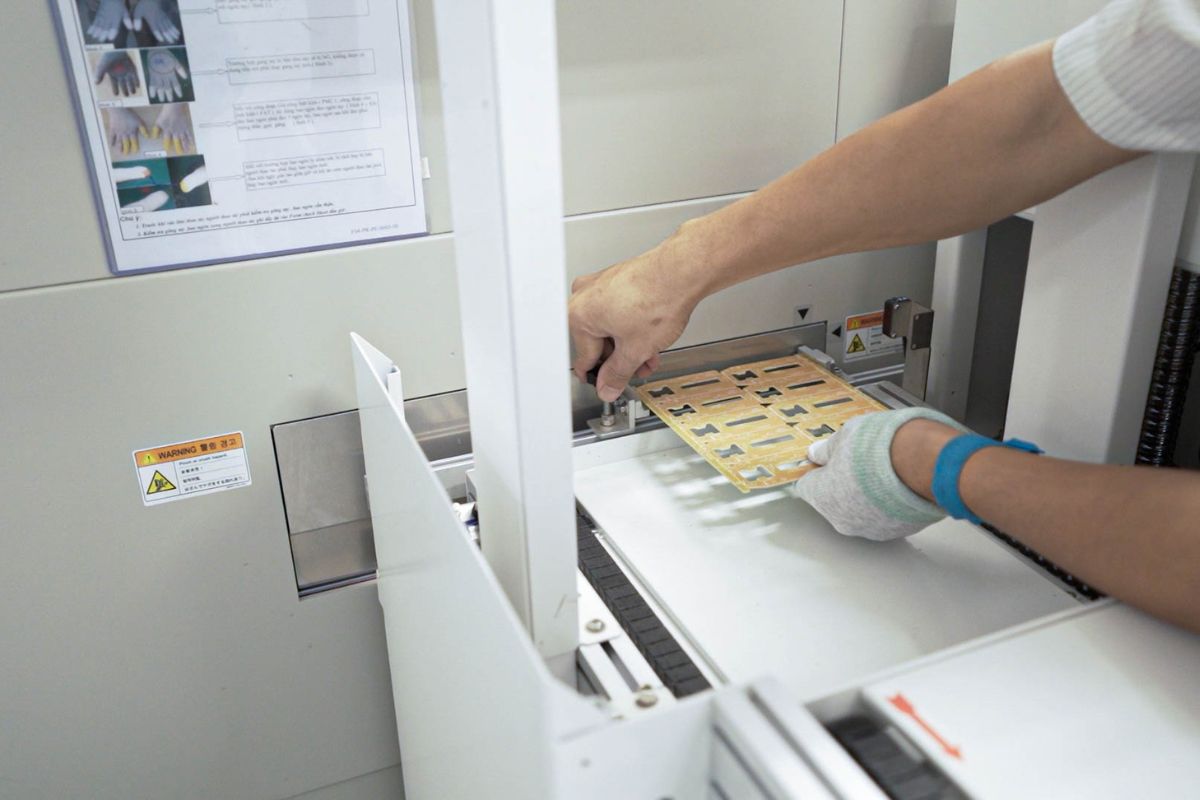
Outsourcing introduces supply chain complexity that often isn’t reflected in initial pricing.
Hidden logistics costs may include:
- Expedited shipping due to delays
- Air freight replacing sea freight
- Inventory holding costs
- Component shortages and sourcing premiums
Additionally, global disruptions (lead time fluctuations, supplier instability) can further increase costs unexpectedly.
Communication and Management Costs
One of the least discussed—but highly impactful—costs in electronics manufacturing outsourcing is communication overhead.
Challenges include:
- Time zone differences
- Language barriers
- Misalignment in technical expectations
- Slow response times
These issues can lead to:
- Project delays
- Incorrect builds
- Additional engineering cycles
From a cost perspective, this translates into internal resource drain—your team spends more time managing the supplier instead of focusing on product development.
Lead Time and Opportunity Cost
Time is often the most expensive hidden cost.
Delays in production can result in:
- Missed product launch windows
- Lost market opportunities
- Revenue delays
For fast-moving industries, being late to market can be more costly than any manufacturing inefficiency.
Real-world perspective: A 4-week delay in launching a product can outweigh the savings of a lower unit price supplier.
>>>Read more: PCB Assembly Cost: How Much Does It Cost in 2026? (Full Breakdown)
Why Low-Cost Suppliers Can Become High-Cost Partners
At first glance, selecting the lowest-cost supplier seems logical. However, in electronics manufacturing outsourcing, cost and capability are deeply connected.
Low-cost suppliers often:
- Reduce engineering support
- Operate with less process control
- Have limited quality assurance systems
As a result, costs don’t disappear—they shift to:
- Rework
- Delays
- Quality issues
- Internal management overhead
In short:
Cheap manufacturing often shifts cost—it doesn’t eliminate it.
How to Evaluate the True Cost of Outsourcing
To avoid hidden costs, OEMs need a structured approach when evaluating manufacturing partners.
Look Beyond Unit Price
Unit price is only the starting point. Always evaluate:
- Total lifecycle cost
- Cost impact of defects and delays
- Scalability over time
Evaluate Engineering Capability
A strong EMS partner should provide:
- DFM/DFA support
- Process optimization
- Early-stage design feedback
This reduces downstream costs significantly.
Check Quality Systems
Ask about:
Reliable quality systems directly reduce hidden costs.
Assess Communication Efficiency
Evaluate:
- Response time
- Technical clarity
- Project management structure
Efficient communication reduces both time and cost.
Cost Optimization Strategies for OEMs
Beyond supplier selection, there are practical ways to control outsourcing costs.
Start with DFM Early: Engaging manufacturing expertise early helps eliminate costly redesigns later.
Choose Capability Over Price: A slightly higher unit cost often results in lower total cost due to better efficiency and fewer issues.
Run Pilot Builds: Small production runs help identify risks before scaling.
Standardize Documentation: Clear, complete documentation reduces errors and miscommunication.
Why the Right EMS Partner Reduces Hidden Costs
The right manufacturing partner doesn’t just produce your product—they actively reduce risk and optimize cost.
A capable EMS provider offers:
- Strong engineering support
- Stable and controlled processes
- Transparent cost structures
- End-to-end manufacturing capabilities
Instead of focusing only on price, experienced OEMs look for partners who can reduce uncertainty and prevent costly issues before they happen.
>>>Read more: EMS Vietnam: Reliable Electronics Manufacturing Services for Global OEMs
How the Right Manufacturing Approach Reduces Hidden Costs in Practice
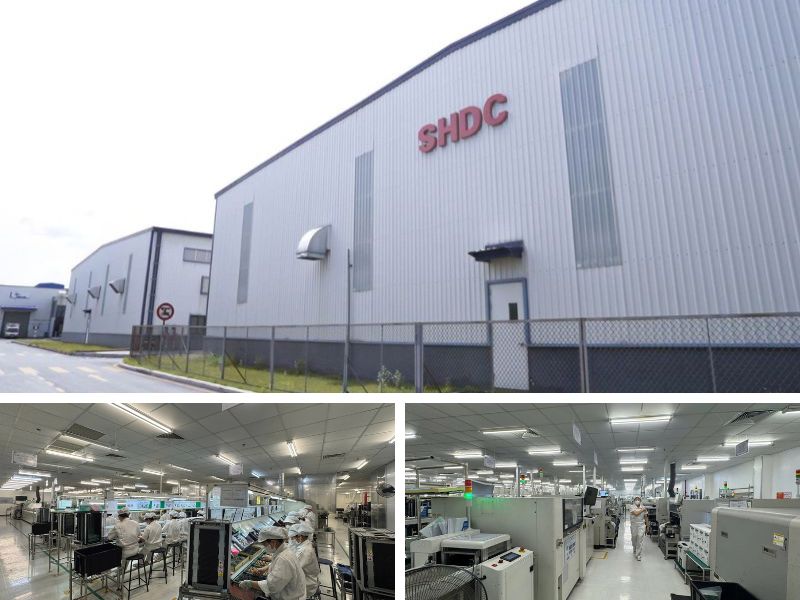
In real-world production, reducing hidden costs is not about a single factor—it’s about how engineering, process control, and communication work together throughout the project lifecycle.
For example, in several OEM projects transitioning from prototype to mass production, one common issue is the gap between initial design and manufacturability. Designs that appear cost-efficient at the prototype stage often introduce inefficiencies when scaled—leading to yield loss, rework, and longer lead times.
In these cases, early-stage engineering involvement makes a measurable difference.
At SHDC, manufacturing projects are typically approached with a strong focus on DFM (Design for Manufacturability) from the beginning. Instead of treating production as a downstream step, engineering teams work alongside customers to:
- Identify potential yield risks before production
- Optimize component selection based on availability and cost stability
- Improve layout decisions to support automated SMT processes
- Reduce unnecessary process complexity
This approach helps prevent the kind of downstream issues that often drive hidden costs—particularly in high-mix or scaling production environments.
From Quotation to Production: Where Hidden Costs Are Controlled
Another critical phase where hidden costs emerge is the transition from quotation to actual production.
In many outsourcing scenarios, discrepancies appear because:
- The initial quote does not fully reflect engineering requirements
- Process assumptions change during production
- Communication gaps lead to revisions
A more controlled approach aligns quoting, engineering, and production early.
For instance, instead of quoting based purely on BOM and Gerber files, experienced EMS providers integrate:
- DFM feedback into the quoting phase
- Process validation before mass production
- Pilot builds to confirm assumptions
At SHDC, this alignment is used to minimize unexpected cost shifts during production. By validating both design and process early, OEMs can better predict total cost rather than reacting to issues after they occur.
>>>Read more: SHDC SMT Vietnam: A Leading SMT Assembly Partner for Global OEM Electronics
Scaling Production Without Cost Surprises
As production scales, hidden costs tend to amplify—especially in areas like yield, supply chain stability, and quality consistency.
A structured manufacturing approach focuses on:
- Stable SMT line performance
- Consistent quality control across batches
- Supply chain planning to avoid component shortages
- Clear communication channels throughout the project
These factors are often overlooked during supplier selection but play a decisive role in long-term cost efficiency.
Manufacturers with experience in handling both prototype and high-volume production are better positioned to manage these transitions without introducing unexpected cost increases.
A Practical Takeaway for OEMs
For OEMs evaluating electronics manufacturing outsourcing, the key takeaway is this:
Hidden costs are not random—they are typically the result of gaps in engineering, process control, or communication.
Working with a manufacturing partner that addresses these areas early can significantly reduce total cost, even if the initial unit price is not the lowest.
>>>Read more: Electronics Manufacturing Cost in Vietnam vs China
FAQs
What are hidden costs in electronics manufacturing outsourcing?
Hidden costs include engineering changes, defect-related expenses, logistics issues, communication overhead, and delays that are not reflected in the initial quote.
Why is the lowest quote not the cheapest option?
Because it often excludes costs related to quality, yield, and project management, which increase total expenses over time.
How can OEMs reduce outsourcing costs?
By focusing on total cost, selecting capable partners, and optimizing design and manufacturing processes early.
What is total cost of ownership in EMS?
It refers to the full cost of manufacturing, including production, quality, logistics, and time-related factors.
How do you evaluate a manufacturing partner?
Assess engineering capability, quality systems, communication efficiency, and ability to scale production reliably.
Final Thoughts
Electronics manufacturing outsourcing can deliver significant cost advantages—but only when evaluated correctly. Focusing solely on unit price is one of the most common—and costly—mistakes OEMs make. The real cost of manufacturing lies in the details: engineering quality, process control, communication, and execution. The most successful companies don’t choose the cheapest supplier. They choose the one that delivers the lowest total cost over the entire product lifecycle.
>>>Read more: PCB Prototyping Services Cost: What Affects Your Prototype Price?
