Tiếng Việt
 日本語
日本語
When evaluating Electronic Product Manufacturing Vietnam, many OEMs focus heavily on one number: the quoted unit price. At first glance, comparing manufacturing partners based on cost seems straightforward. A supplier offering a lower quotation appears to be the obvious choice. However, experienced procurement teams understand that the lowest quote rarely represents the true cost of manufacturing an electronic product. In reality, production costs extend far beyond PCB assembly, labor, and materials. Engineering changes, production yield, component shortages, quality failures, logistics disruptions, and scalability limitations can significantly impact the total cost of ownership (TCO) throughout a product’s lifecycle. For companies developing consumer electronics, power electronics, industrial devices, medical products, and IoT devices, these hidden costs often exceed the savings gained from selecting the lowest-priced supplier. This article explores seven hidden costs that OEMs frequently overlook when choosing an electronic product manufacturing partner in Vietnam—and how identifying these risks early can improve profitability, product quality, and time-to-market.
Why the Lowest Manufacturing Quote Can Be Misleading
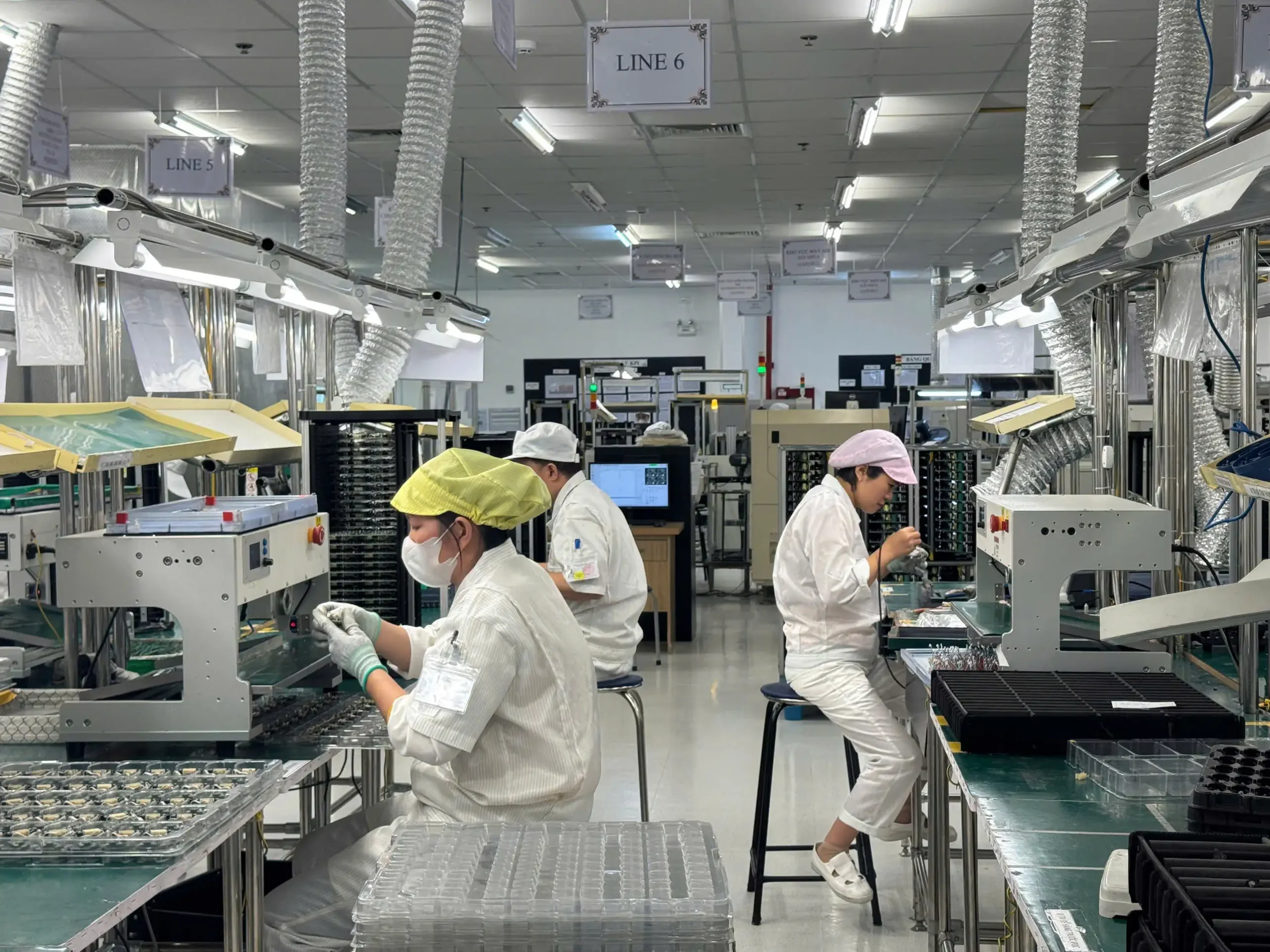
One of the most common mistakes in electronic product manufacturing is evaluating suppliers solely on unit price.
A manufacturing quotation typically reflects direct production costs such as materials, labor, assembly processes, and testing requirements. While these figures are important, they do not reveal the broader operational costs that may emerge after production begins.
For example, two suppliers may quote nearly identical products with a price difference of 5%. However, if the lower-cost supplier experiences quality issues, sourcing delays, or poor production yields, the overall project cost can quickly exceed the initial savings.
This is why experienced OEMs increasingly evaluate suppliers based on Total Cost of Ownership (TCO) rather than piece-price alone.
Unit Cost vs. Total Manufacturing Cost
Unit cost measures the price of producing a single product.
Total manufacturing cost includes:
- Engineering support
- Product validation
- Yield losses
- Component sourcing risks
- Inventory management
- Logistics expenses
- Warranty claims
- Product returns
- Production delays
- Supply chain disruptions
A supplier with slightly higher pricing may ultimately deliver lower overall costs through stronger engineering support, better process control, and more reliable production performance.
Hidden Cost #1 – Engineering Changes After Production Starts
Engineering Change Orders (ECOs) are among the most common sources of unexpected manufacturing expenses.
Many products enter production before design optimization is fully completed. While prototypes may function correctly, manufacturing often reveals issues that were not visible during development.
Why Design Problems Appear After RFQ Approval
Common issues include:
- PCB layout constraints
- Thermal management problems
- Component placement challenges
- Mechanical fit issues
- Insufficient test coverage
When these problems emerge during pilot runs or mass production, engineering teams must revise the design.
The Cost of Late Engineering Changes
Late-stage modifications can create:
- PCB redesign costs
- New tooling expenses
- Additional engineering hours
- Revalidation testing
- Delayed product launches
- Inventory write-offs
In some cases, a single design revision can postpone product launch schedules by several weeks.
How Experienced Manufacturers Reduce This Risk
Manufacturers with strong Design for Manufacturing (DFM) and New Product Introduction (NPI) processes can identify risks before production begins.
Early engineering collaboration often prevents expensive changes later in the project.
Hidden Cost #2 – Low First Pass Yield (FPY)
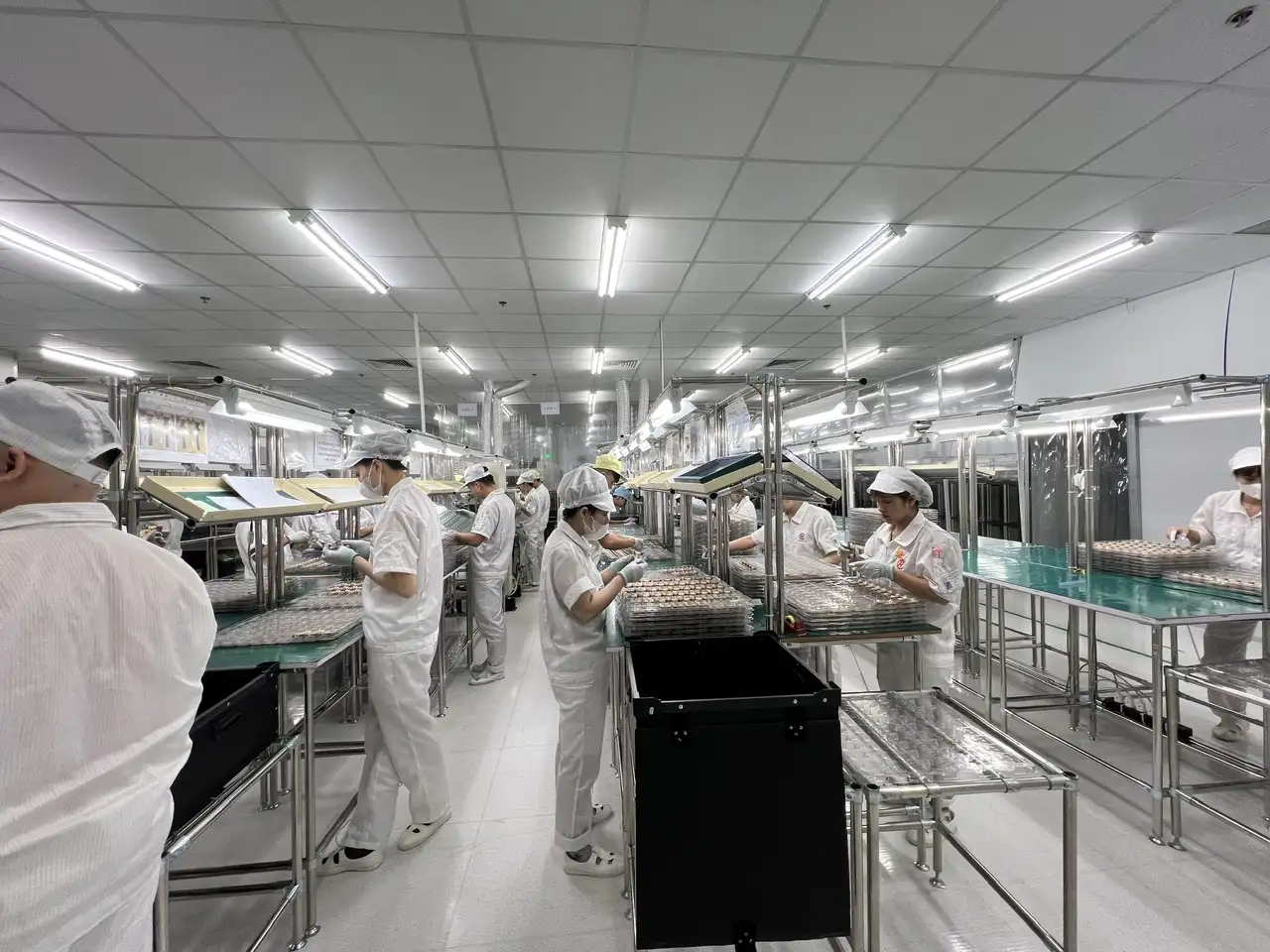
Many OEMs focus on unit pricing but overlook one of the most important manufacturing performance indicators: First Pass Yield (FPY).
FPY measures the percentage of products that successfully pass through production without requiring rework or repair.
What Is First Pass Yield?
For example:
- 98% FPY means 98 out of 100 products pass the first time.
- 90% FPY means 10 products require additional work.
While the difference may seem small, the financial impact can be substantial.
How Poor Yield Increases Manufacturing Costs
Low yield often creates:
- Additional labor costs
- More testing requirements
- Increased scrap rates
- Production bottlenecks
- Delayed deliveries
These expenses are rarely visible in an initial quotation.
Why Yield Matters More Than Unit Price
A supplier offering a lower quote but operating with poor yield may ultimately cost more than a supplier with slightly higher pricing and better process control.
For many OEMs, manufacturing yield has a greater impact on profitability than minor differences in unit cost.
Hidden Cost #3 – Component Sourcing Problems
Component sourcing has become one of the most critical factors in electronics manufacturing.
Even well-designed products can experience delays and cost overruns if components are unavailable or poorly managed.
Common Sourcing Risks
- Long lead times
- Component shortages
- Price volatility
- Obsolescence
- Counterfeit components
The Financial Impact
When critical components become unavailable, OEMs may face:
- Production interruptions
- Emergency purchases
- Expedited shipping fees
- Product redesign costs
A robust sourcing strategy can significantly reduce these risks.
Hidden Cost #4 – Quality Failures in the Field
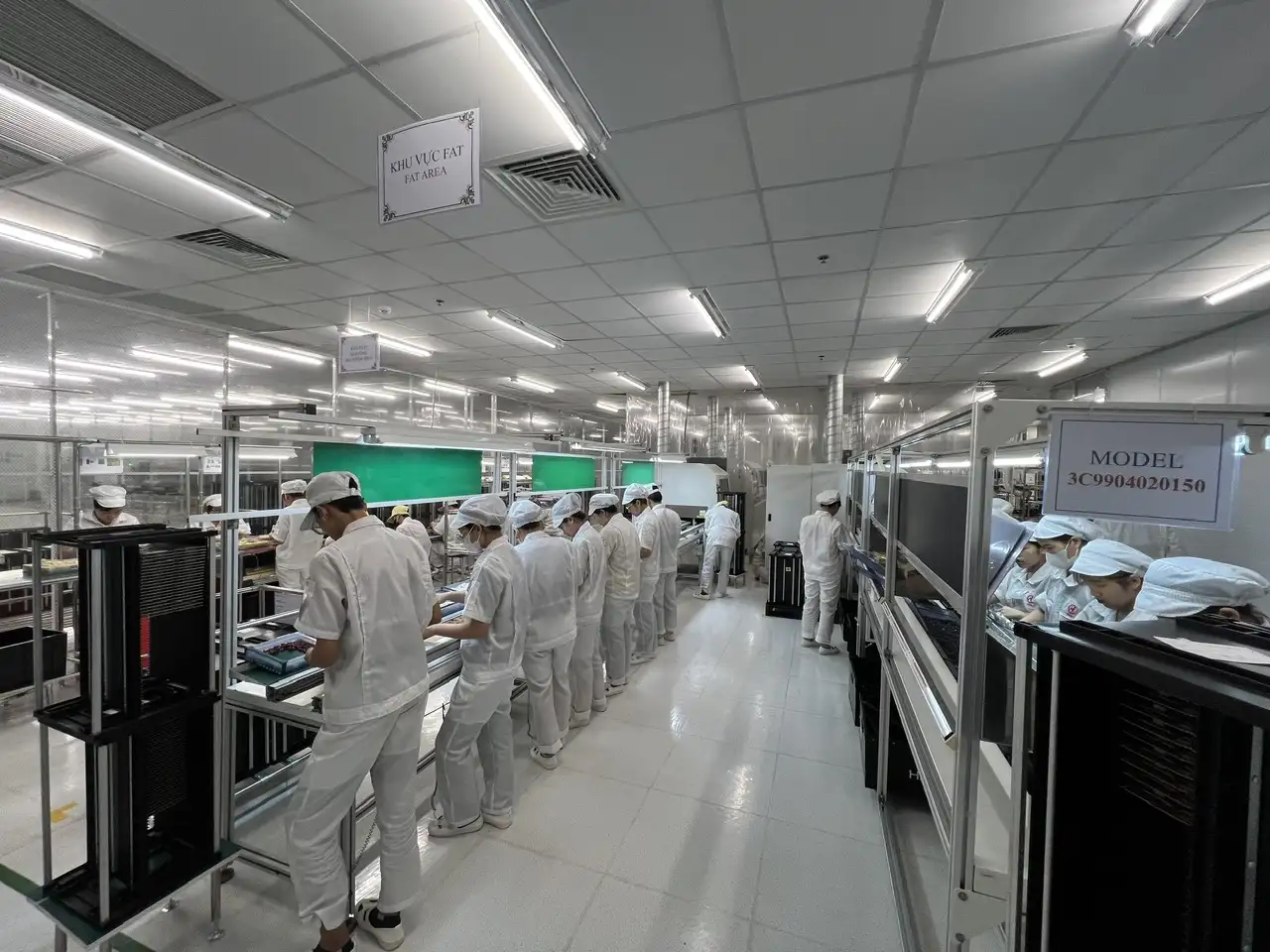
The cost of a manufacturing defect does not end when a product leaves the factory.
Field failures often create expenses that far exceed any savings generated during production.
Hidden Costs of Poor Quality
- Warranty replacements
- Product returns
- Technical support costs
- Customer dissatisfaction
- Brand reputation damage
For consumer and industrial electronics, a small manufacturing defect can lead to substantial downstream costs.
Why Prevention Is Cheaper Than Correction
Investments in inspection, testing, and process control are often less expensive than dealing with failures after products reach customers.
>>>Read more: Electronics Manufacturing Cost in Vietnam vs China
Hidden Cost #5 – Poor Manufacturing Documentation
Manufacturing documentation rarely receives much attention during supplier selection, but it plays a major role in production consistency.
Examples of Critical Documentation
- Work instructions
- Assembly procedures
- Test procedures
- Quality control plans
- Process specifications
What Happens Without Proper Documentation?
Poor documentation often results in:
- Process variation
- Inconsistent quality
- Training difficulties
- Higher defect rates
Well-documented processes improve repeatability and reduce production risk.
Hidden Cost #6 – Supply Chain and Logistics Disruptions
Even the best manufacturing operation can be affected by supply chain challenges.
Common Disruption Sources
- Inventory shortages
- Shipping delays
- Customs issues
- Transportation constraints
The Cost of Urgency
When schedules slip, companies often resort to:
- Emergency freight
- Expedited production
- Premium component purchases
These costs can quickly exceed the savings gained from selecting a lower-cost supplier.
Why Supply Chain Resilience Matters
Experienced manufacturers develop sourcing and logistics strategies that reduce vulnerability to disruptions.
Hidden Cost #7 – Choosing a Manufacturer That Cannot Scale
A supplier may perform well during prototyping but struggle to support production growth.
This often becomes apparent only after demand increases.
Prototype Success Does Not Guarantee Production Success
Scaling production requires:
- Manufacturing capacity
- Process control
- Supply chain management
- Quality systems
- Production planning
The Cost of Outgrowing a Supplier
If a manufacturer cannot support growth, OEMs may face:
- Production delays
- Capacity shortages
- Quality issues
- Costly manufacturing transfers
Changing suppliers after product launch is often one of the most expensive decisions a company can make.
How to Evaluate the True Cost of Electronic Product Manufacturing Vietnam
Rather than focusing exclusively on piece-price, OEMs should evaluate manufacturing partners based on total project value.
Key evaluation criteria include:
Engineering Support
Can the supplier identify manufacturability risks early?
Quality Systems
How are defects prevented, detected, and corrected?
Supply Chain Management
Does the supplier have a strategy for managing sourcing risks?
Production Scalability
Can the supplier support future growth?
Total Cost of Ownership (TCO)
Will the supplier help reduce costs across the entire product lifecycle?
These factors often have a greater impact on profitability than small differences in quoted pricing.
Why Manufacturing Experience Matters
Manufacturing expertise is difficult to quantify but often becomes visible through project execution.
Experienced manufacturers understand how engineering, sourcing, quality, testing, and production interact throughout the product lifecycle.
This experience helps reduce:
- Production risk
- Cost overruns
- Launch delays
- Quality issues
More importantly, it enables manufacturers to solve problems before they become expensive.
Conclusion
Choosing a manufacturing partner based solely on unit price can be an expensive mistake.
In Electronic Product Manufacturing Vietnam, the true cost of production extends far beyond the initial quotation. Engineering changes, low production yields, component sourcing challenges, quality failures, logistics disruptions, and scalability limitations can significantly affect project timelines, product quality, and overall profitability.
The most successful OEMs evaluate manufacturing partners through the lens of Total Cost of Ownership rather than piece-price alone.
By considering engineering capability, quality systems, supply chain expertise, and production scalability, companies can reduce risk, improve reliability, and achieve more predictable manufacturing outcomes.
As Vietnam continues to strengthen its position as a global electronics manufacturing hub, selecting the right manufacturing partner remains one of the most important decisions in bringing a successful electronic product to market.
Looking for an Electronic Product Manufacturing Partner in Vietnam?
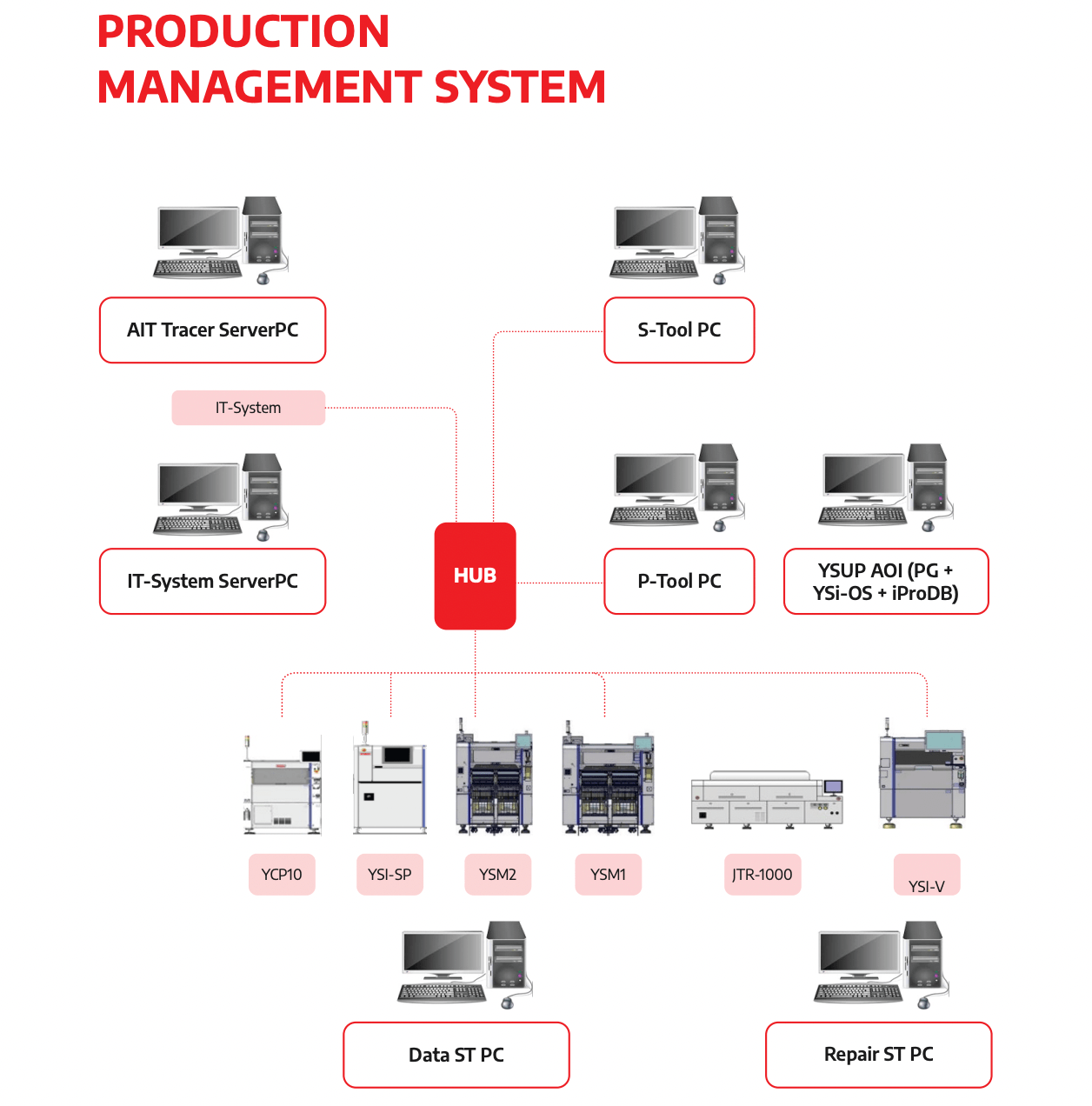
SHDC provides end-to-end electronics manufacturing services for OEMs, startups, and global brands, supporting projects from prototype development to mass production.
Our capabilities include:
- PCB Assembly (PCBA)
- SMT and DIP Manufacturing
- Product Testing and Validation
- Box Build Assembly
- Supply Chain Management
- New Product Introduction (NPI)
- Mass Production Support
With experience in consumer electronics, power electronics, and high-reliability manufacturing, SHDC helps customers reduce production risks while improving quality, scalability, and time-to-market.
Whether you are launching a new product or transferring an existing project to Vietnam, SHDC can support your journey from concept to commercial production.
Frequently Asked Questions
What is Electronic Product Manufacturing?
Electronic product manufacturing is the process of transforming electronic product designs into finished products through PCB assembly, testing, product assembly, and mass production.
Why is the lowest manufacturing quote not always the cheapest option?
Lower quotations may hide costs related to poor yield, quality issues, engineering changes, supply chain disruptions, or production delays.
What is Total Cost of Ownership (TCO) in manufacturing?
TCO measures the complete cost of a manufacturing project, including production, quality, logistics, sourcing, and lifecycle-related expenses.
What is First Pass Yield (FPY)?
FPY is the percentage of products that pass manufacturing processes without requiring rework or repair.
How can OEMs reduce hidden manufacturing costs?
By selecting experienced manufacturing partners, investing in DFM reviews, evaluating quality systems, and focusing on Total Cost of Ownership rather than unit price alone.
Why is Vietnam becoming a preferred electronics manufacturing destination?
Vietnam offers a growing electronics ecosystem, skilled workforce, competitive manufacturing costs, and increasing supply chain capabilities.