
 Tiếng Việt
 日本語
日本語
For hardware startups, transforming an idea into a working electronic product requires reliable manufacturing. One of the most important steps in this process is PCB assembly. However, startups often face challenges such as limited budgets, tight timelines, and limited manufacturing experience. Understanding the key factors involved in PCB assembly for startups can help avoid costly mistakes and ensure a smoother transition from prototype to production.
Why PCB Assembly Is Critical for Hardware Startups
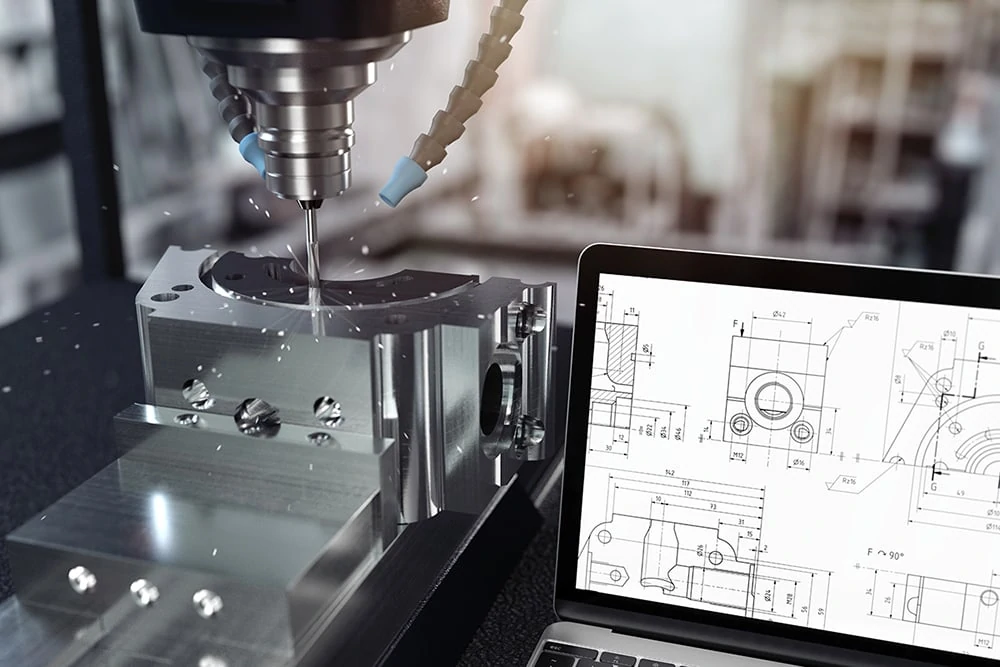
Printed circuit boards are the foundation of almost every electronic product. From consumer electronics and IoT devices to industrial equipment, the PCB serves as the central platform that connects all electronic components.
For startups, PCB assembly plays a crucial role in determining product performance, reliability, and scalability. Poor assembly quality or design mistakes can lead to serious problems, including:
-
product malfunction or failure
-
delays in product launch
-
increased manufacturing costs
-
reliability issues in the field
Because early-stage companies often have limited resources, avoiding manufacturing errors becomes even more important. Proper planning and collaboration with an experienced PCB assembly partner can help startups ensure their products are built correctly from the beginning.
Key Things Startups Should Consider Before PCB Assembly
Launching an electronic product involves more than simply designing a circuit board and sending it to a manufacturer. Startups need to carefully consider several technical and manufacturing factors to ensure their designs are suitable for production.
Below are the most important aspects of PCB assembly for startups.
1. Design for Manufacturability (DFM)
Design for Manufacturability, commonly known as DFM, refers to designing a PCB in a way that makes it easier and more efficient to manufacture.
Many hardware startups focus heavily on product functionality during the design stage but overlook manufacturing constraints. This can create problems when the design moves into production.
Common DFM issues include:
-
incorrect component spacing
-
unsuitable pad sizes
-
complex routing layouts
-
poor thermal management
When these issues appear during production, manufacturers may need to redesign parts of the PCB or adjust the assembly process, leading to delays and increased costs.
Working with a manufacturer that offers DFM review services can help startups identify potential design problems early and optimize their PCB design for efficient manufacturing.
2. Choosing the Right PCB Assembly Partner
Selecting the right PCB assembly manufacturer is one of the most important decisions a startup will make during product development.
Not all manufacturers are equally suited to support startup projects. Some factories focus only on large-scale production and may not provide the flexibility or engineering support that startups require.
When evaluating potential PCB assembly partners, startups should consider several factors, including:
-
manufacturing experience
-
engineering support capabilities
-
modern SMT assembly technology
-
quality management systems
-
communication and responsiveness
A reliable PCB assembly partner can provide valuable technical guidance during the early stages of production and help ensure the product meets quality standards.
Startups should also look for manufacturers that offer flexible production services, including prototype assembly and low-volume manufacturing.
>>>Read more: Top 4 SMT Assembly Companies in Vietnam in 2026
3. Prototype vs Production Manufacturing
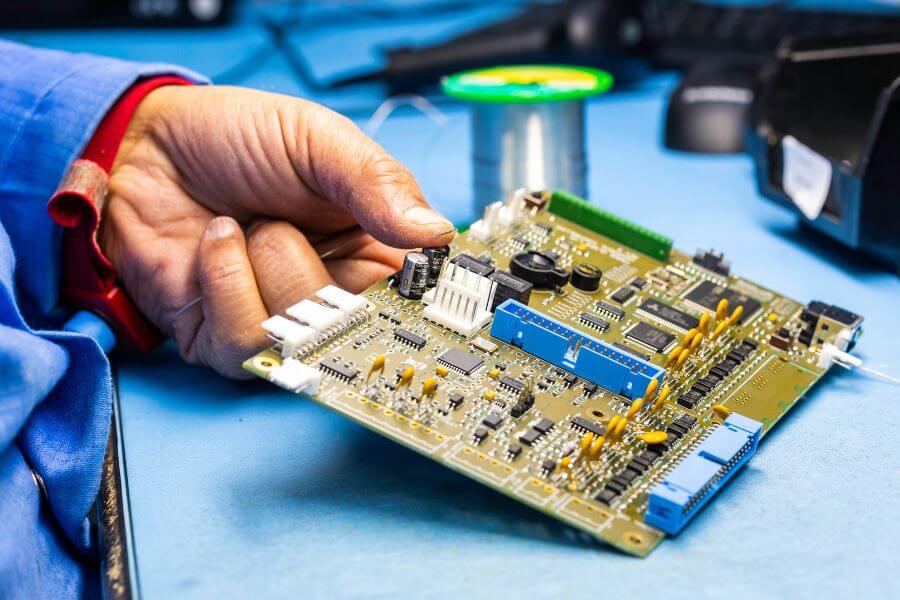
Hardware startups typically move through several manufacturing stages before reaching full-scale production.
These stages often include:
-
Prototype development
-
Small batch production
-
Mass production
During the prototype stage, engineers test and validate the product design. This stage may involve several design revisions before the final version of the PCB is ready for production.
Small batch production allows startups to manufacture limited quantities of the product for testing, pilot launches, or early customers.
Once the product proves successful, the manufacturing process can scale to large-volume production.
Understanding these stages helps startups plan their manufacturing strategy more effectively and select the appropriate PCB assembly services for each phase of development.
4. Component Sourcing and BOM Management
Another critical aspect of PCB assembly for startups is managing the bill of materials (BOM) and sourcing electronic components.
The BOM contains all components required for the PCB assembly, including:
-
integrated circuits
-
resistors and capacitors
-
connectors
-
sensors and other electronic parts
Component sourcing can be particularly challenging for startups due to supply chain fluctuations, component shortages, and price variations.
Incorrect or incomplete BOM information can cause production delays and increase costs.
To avoid these issues, startups should ensure that their BOM is accurate and up-to-date before starting production. Working with a PCB assembly provider that offers component sourcing support can also simplify the procurement process and improve supply chain reliability.
5. Testing and Quality Control
Testing and quality control are essential parts of the PCB assembly process. Even a well-designed PCB can experience issues during assembly if quality control procedures are not properly implemented.
Reliable PCB manufacturers typically use multiple testing methods to ensure product quality, including:
-
automated optical inspection (AOI)
-
functional testing
-
electrical testing
These tests help detect manufacturing defects such as soldering issues, component misalignment, or electrical faults.
For startups, strong quality control procedures are particularly important because early product failures can damage a brand’s reputation and delay market entry.
Ensuring that the PCB assembly partner follows strict testing standards can significantly reduce these risks.
6. Scalability for Future Production
One common mistake startups make is focusing only on prototype manufacturing without considering future production scalability.
If the product becomes successful, production volume may increase rapidly. In such cases, the startup needs a manufacturing partner capable of scaling production without compromising quality.
Factors that influence manufacturing scalability include:
-
production line capacity
-
supply chain stability
-
component availability
-
logistics and distribution capabilities
By choosing a PCB assembly partner with scalable production capabilities, startups can avoid the need to switch manufacturers later in the product lifecycle.
>>>Read more: 7 Mistakes to Avoid When Choosing a Custom PCB Assembly Partner
Common PCB Assembly Challenges for Startups
While developing an electronic product can be rewarding, startups often encounter several challenges during the PCB assembly process.
Some of the most common challenges include:
Limited manufacturing experience: Many startup teams have strong engineering or product design skills but limited knowledge of electronics manufacturing.
Budget constraints: Startups usually operate under strict budgets, which can limit their ability to invest in extensive testing or manufacturing optimization.
Component sourcing difficulties: Global component shortages can make it difficult to secure critical parts, especially for small production volumes.
Frequent design changes: During product development, design revisions are common. These changes can complicate manufacturing planning and increase production costs.
By understanding these challenges in advance, startups can better prepare for the manufacturing process and reduce potential risks.
How SHDC Supports Hardware Startups
For startups looking to bring their electronic products to market, partnering with an experienced PCB assembly manufacturer can provide significant advantages.
SHDC Electronics Company offers comprehensive PCB assembly services designed to support both startups and established electronics companies.
The company provides capabilities including:
-
advanced SMT PCB assembly
-
prototype manufacturing support
-
scalable production for growing products
-
strict quality control processes
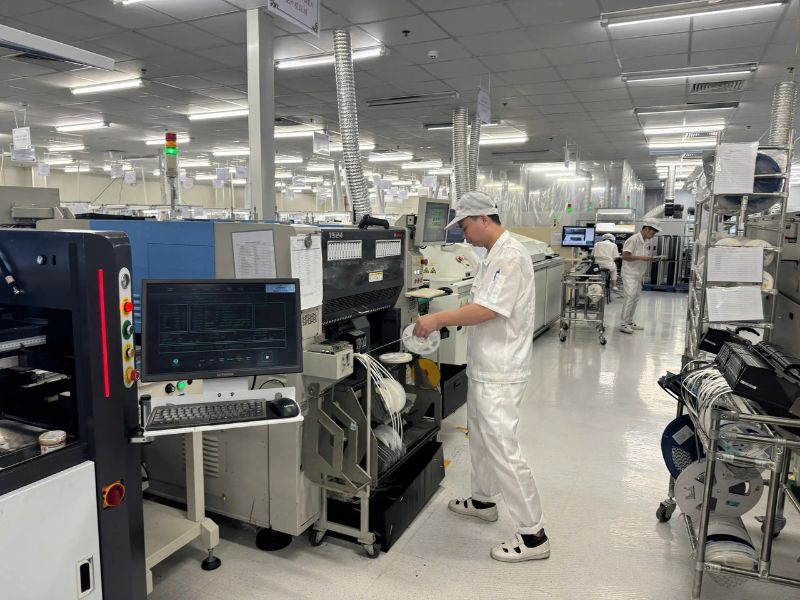
With modern manufacturing equipment and experienced engineering teams, SHDC helps customers transform electronic designs into reliable finished products.
For hardware startups, having access to both engineering support and flexible production capacity can make the transition from prototype to mass production significantly smoother.
>>>Read more: SHDC – Reliable PCBA Assembly Vietnam for Global Electronics Brands
Conclusion
For startups developing electronic products, PCB assembly is a critical step that directly impacts product quality and time to market. By considering factors such as design for manufacturability, component sourcing, testing, and scalability, startups can reduce manufacturing risks.
Working with an experienced PCB assembly partner also helps simplify the production process and ensures that innovative ideas can successfully become reliable products in the market.
