Tiếng Việt
 日本語
日本語
In PCB assembly, soldering is one of the most critical processes that directly impacts product performance and reliability. Even minor defects in solder joints can lead to electrical failure, reduced lifespan, or costly recalls. The IPC J Standard 001 is widely recognized as the global benchmark for soldering in electronics manufacturing. It defines how soldering should be performed to ensure consistency, quality, and reliability across different applications. For OEM manufacturers, understanding this standard is essential—not only to meet quality expectations but also to remain competitive in high-reliability industries.
What Is IPC J Standard 001?
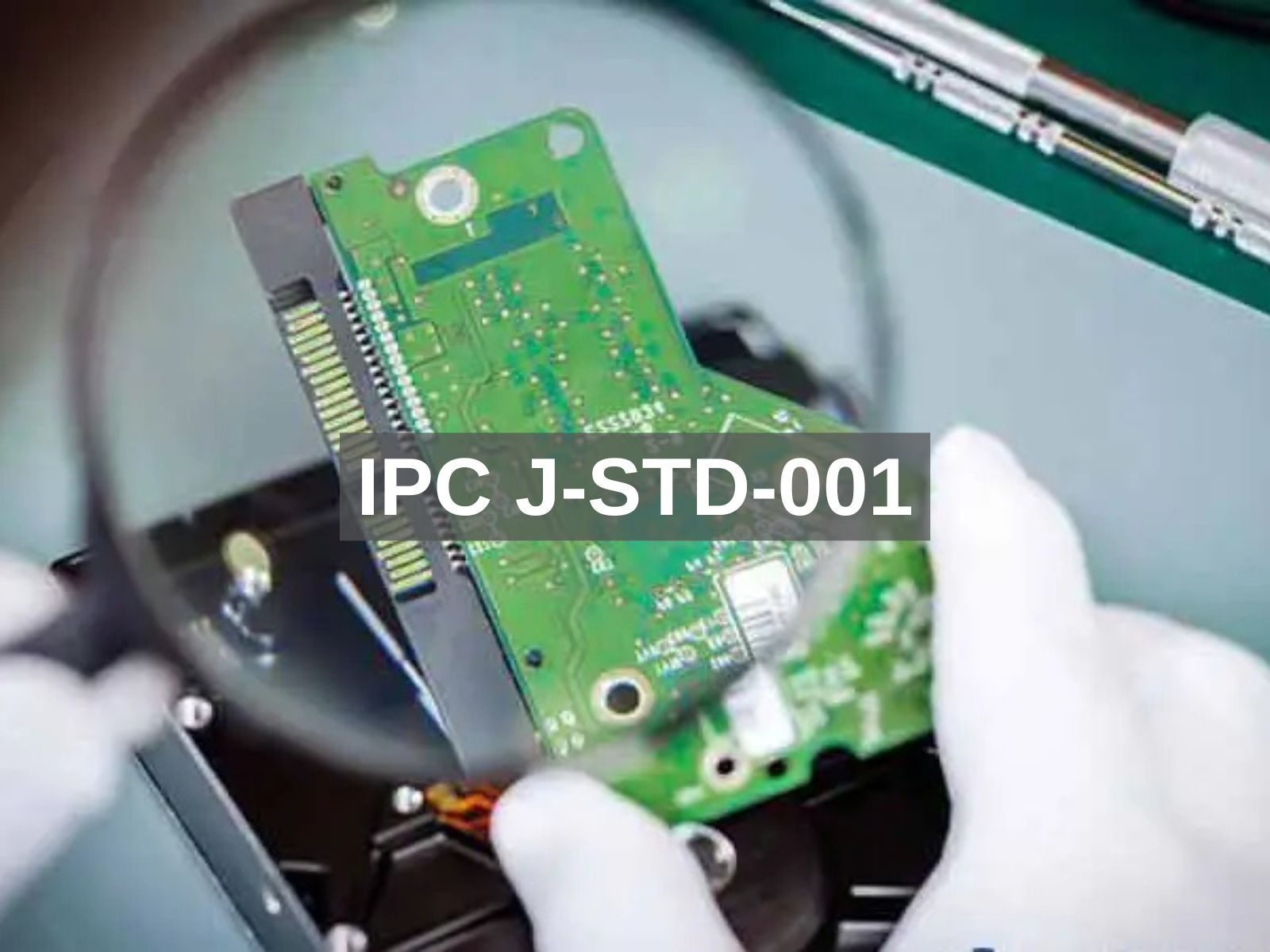
Definition and Purpose
The IPC J Standard 001, developed by the IPC, establishes the requirements for soldered electrical and electronic assemblies. It is one of the most important process standards used in PCB manufacturing worldwide.
Unlike inspection-focused standards, IPC J-STD-001 is designed to ensure that soldering is done correctly from the beginning. It provides detailed guidance on materials, processes, and workmanship to help manufacturers achieve consistent results.
Its core objectives include:
- Ensuring strong and reliable solder joints
- Standardizing manufacturing processes
- Reducing defects and variability
By focusing on process control, the standard helps manufacturers build quality into the product rather than relying on inspection alone.
Scope of the Standard
IPC J-STD-001 covers the entire soldering process in PCB assembly, from material selection to final inspection. This includes:
- Solder alloys and flux types
- Surface preparation and cleanliness
- Soldering techniques and temperature control
- Inspection and testing methods
- Documentation and traceability
Because of this broad scope, the standard serves as a complete framework for soldering quality control. It ensures that every stage of the assembly process contributes to a reliable final product.
Industries That Use IPC J-STD-001
The standard is widely adopted in industries where product failure is not acceptable. These include aerospace, medical devices, automotive electronics, and industrial control systems.
For example, in aerospace applications, a single solder joint failure can compromise an entire system. Similarly, in medical devices, reliability is critical for patient safety. IPC J-STD-001 provides the level of control needed to meet these high standards.
>>>Read more: What Is IPC-A-610 Standard? A Complete Guide to PCB Assembly Acceptability
Key Requirements of IPC J Standard 001
Soldering Materials Requirements
IPC J-STD-001 defines strict requirements for materials used in soldering processes, as these directly affect joint reliability and performance.
Manufacturers must use approved solder alloys, such as lead-free options like SAC305, which are commonly required due to environmental regulations. However, these materials require tighter process control due to higher melting points.
Flux selection is equally important. The standard specifies different flux types based on activity levels and residue characteristics. Choosing the wrong flux can result in poor wetting, contamination, or long-term corrosion.
Proper storage and handling of materials are also emphasized. Moisture exposure or contamination can degrade material performance, leading to defects such as weak solder joints or voiding.
Process Control and Workmanship
Process control is a central pillar of IPC J-STD-001. The standard requires manufacturers to maintain consistent soldering conditions to ensure repeatable results.
Key factors include:
- Accurate temperature profiles during soldering
- Proper handling of components and PCBs
- Clean working environments to prevent contamination
Workmanship standards define how a proper solder joint should be formed. This includes criteria such as wetting angle, solder coverage, and joint geometry.
Without proper process control, even high-quality materials cannot guarantee reliable results. This is why IPC J-STD-001 places strong emphasis on disciplined manufacturing practices.
Inspection and Testing Criteria
Although IPC J-STD-001 is primarily a process standard, it also includes inspection and testing requirements to verify product quality.
Manufacturers are expected to perform:
- Visual inspection to identify defects such as bridging or insufficient solder
- Electrical testing to ensure circuit functionality
- Additional verification methods when required for high-reliability products
These inspections help confirm that the soldering process has been executed correctly and that the final assembly meets performance expectations.
Documentation and Traceability
Traceability is essential for quality assurance, especially in OEM manufacturing. IPC J-STD-001 requires detailed documentation of:
- Materials used in production
- Process parameters
- Inspection results
This information allows manufacturers to track issues back to their source and implement corrective actions quickly.
For OEM companies, traceability also supports compliance with regulatory requirements and provides transparency throughout the supply chain.
>>>Read more: ISO Standards for Manufacturing: What OEM Companies Need to Know
IPC J-STD-001 Classes Explained
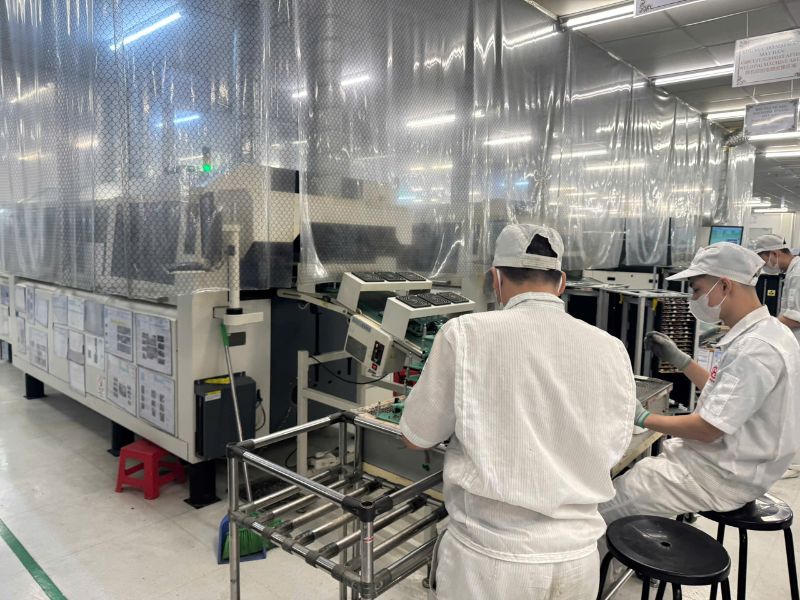
– Class 1 – General Electronics: Class 1 applies to consumer products where reliability is not critical, such as toys or basic household electronics. The requirements are relatively relaxed, as occasional failure is acceptable.
– Class 2 – Dedicated Service Electronics: Class 2 includes products that require reliable performance over time, such as industrial equipment or communication systems. These assemblies must meet higher quality standards compared to Class 1.
– Class 3 – High-Reliability Electronics: class 3 represents the highest level of quality and reliability. It is used in applications such as aerospace, medical devices, and critical industrial systems.
In these environments, failure is not an option. IPC J-STD-001 imposes strict requirements on materials, processes, and inspection to ensure maximum reliability.
Why IPC J-STD-001 Matters for PCB Assembly Quality
Ensures Consistent Soldering Quality
One of the biggest challenges in PCB assembly is maintaining consistency across production batches. IPC J-STD-001 provides standardized guidelines that help manufacturers achieve uniform soldering results.
This consistency is essential for scaling production while maintaining quality.
Reduces Defects and Rework
By clearly defining acceptable processes and materials, the standard helps reduce common soldering defects such as cold joints, bridging, and insufficient wetting.
Reducing defects not only improves product quality but also lowers production costs by minimizing rework and scrap.
Improves Product Reliability
Reliable solder joints are critical for the long-term performance of electronic products. IPC J-STD-001 ensures that solder connections can withstand mechanical stress, thermal cycling, and environmental conditions.
This is especially important for high-reliability applications where failure can have serious consequences.
Meets OEM and Regulatory Requirements
Many OEM companies require their manufacturing partners to comply with IPC standards. Following IPC J-STD-001 demonstrates a commitment to quality and helps manufacturers meet customer expectations.
It also supports compliance with international regulations, making it easier to enter global markets.
Supports High-Reliability Applications
In industries such as aerospace and medical devices, reliability is a top priority. IPC J-STD-001 provides the level of control needed to meet these stringent requirements, ensuring that products perform reliably under demanding conditions.
IPC J-STD-001 vs IPC-A-610
Although closely related, IPC J-STD-001 and IPC-A-610 serve different roles in PCB assembly.
IPC J-STD-001 focuses on how soldering should be performed, providing detailed process requirements. In contrast, IPC-A-610 focuses on how finished assemblies are evaluated, defining acceptance criteria for inspection.
In practice, manufacturers use both standards together—one to guide production and the other to verify quality.
>>>View details: IPC J-STD-001 vs IPC-A-610: Key Differences in PCB Assembly Standards
How OEM Manufacturers Use IPC J-STD-001 in PCB Assembly
- Supplier Qualification: OEM companies often require suppliers to demonstrate compliance with IPC J-STD-001 before approving them. This ensures that manufacturing partners have the capability to meet quality expectations.
- Manufacturing Process Control: The standard provides a structured framework for controlling production processes. By following IPC J-STD-001, manufacturers can reduce variability and improve consistency.
- Quality Assurance Systems: IPC J-STD-001 is often integrated into broader quality management systems, helping manufacturers maintain high standards across all operations.
- Compliance for Global Markets: For companies targeting international markets, compliance with IPC standards is often expected. It enhances credibility and builds trust with global customers.
Best Practices to Comply with IPC J Standard 001
- Use Certified Technicians: Proper training ensures that operators understand and follow correct soldering techniques, reducing the risk of defects.
- Maintain Controlled Soldering Environment: Environmental factors such as temperature and humidity must be controlled to ensure consistent soldering performance.
- Implement Strict Quality Control: Regular inspections and testing help identify issues early and maintain product quality.
- Continuous Training and Improvement: Standards evolve over time, so ongoing training is essential to stay compliant and competitive.
Choosing a PCB Assembly Partner That Meets IPC J-STD-001

What to Look For in a PCBA Manufacturer
OEM companies should evaluate potential partners based on their certifications, experience, and manufacturing capabilities. A reliable partner should demonstrate consistent quality and adherence to industry standards.
Why Compliance Matters for OEM Companies
Working with an IPC-compliant manufacturer reduces risk, improves product reliability, and ensures long-term cost efficiency.
Choosing the right partner is not just about price—it’s about ensuring the success of your product in the market.
FAQs
What is IPC J-STD-001 used for?
It defines the requirements for soldering processes in electronic assemblies.
What is the difference between IPC J-STD-001 and IPC-A-610?
J-STD-001 focuses on process control, while IPC-A-610 focuses on inspection and acceptance.
What is Class 3 in IPC J-STD-001?
It refers to high-reliability electronics with the strictest quality requirements.
Is IPC J-STD-001 certification required?
While not mandatory, it is often required by OEM customers and high-reliability industries.
Conclusion
The IPC J Standard 001 plays a critical role in ensuring high-quality soldering in PCB assembly. By defining materials, processes, and workmanship requirements, it helps manufacturers deliver reliable and consistent products. For OEM companies, compliance with IPC J-STD-001 is more than a technical requirement—it is a strategic advantage that supports quality, reliability, and competitiveness in global markets.
>>>Read more: Reliable Box Build Assembly Services for US OEMs