Tiếng Việt
 日本語
日本語
For many OEM companies, selecting an SMT manufacturer in Vietnam often starts with one key factor: price. However, in real-world electronics manufacturing, the lowest quote rarely leads to the lowest total cost. SMT assembly involves far more than component placement—it requires engineering alignment, process control, and supply chain coordination. Understanding what truly drives cost and performance is critical to choosing the right manufacturing partner.
Why Price Becomes the First Filter in SMT Sourcing
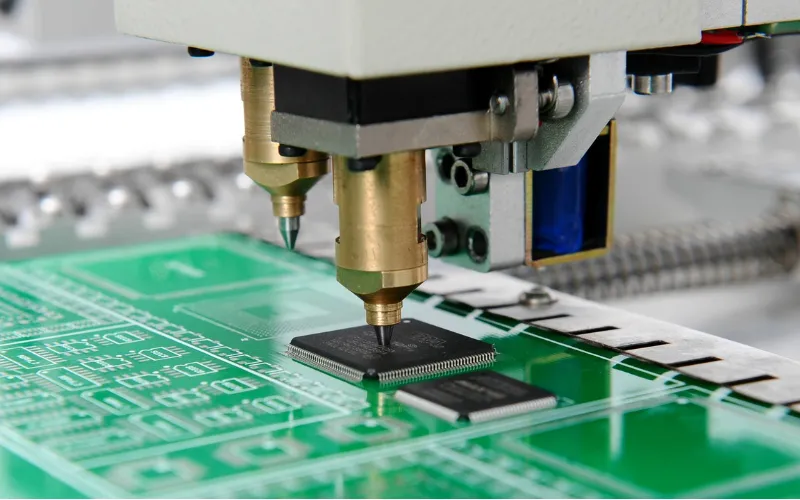
In most sourcing processes, procurement teams are under pressure to reduce cost. As a result, supplier selection often begins with comparing quotations. From a surface level, this approach seems logical. Quotes are easy to compare, measurable, and directly tied to budget targets. But this simplicity can be misleading when applied to SMT manufacturing.
The Simplicity of Quotation Comparison
When evaluating multiple suppliers, pricing tables provide a quick way to shortlist options. Unit cost, tooling fees, and setup charges can all be aligned side by side.
However, these numbers rarely capture the full scope of manufacturing complexity. They reflect assumptions—not actual execution conditions.
The Risk of Treating SMT as a Commodity
Unlike basic manufacturing processes, SMT assembly is not a commodity service.
Each project depends on variables such as:
- PCB design complexity
- Component sourcing stability
- Process capability
- Testing requirements
Treating all SMT manufacturers as interchangeable based on price alone often leads to unexpected issues during production.
The Hidden Costs Behind Low-Cost SMT Manufacturing
Choosing a low-cost SMT manufacturer in Vietnam may appear beneficial initially, but hidden costs often emerge during execution.
Engineering Gaps and Design Issues
Without proper Design for Manufacturability (DFM) review, design-related issues can surface during assembly.
Common problems include:
- Component spacing conflicts
- Thermal imbalance
- Soldering challenges
Addressing these issues later in the process is significantly more expensive than resolving them early.
Yield Loss and Rework
First-pass yield is one of the most important indicators of manufacturing efficiency.
A supplier offering low pricing but lacking process control may produce:
- Higher defect rates
- Increased rework
- Scrap losses
These factors directly increase total production cost.
Delays Caused by Poor Coordination
Manufacturing delays are often linked to communication gaps, unclear responsibilities, or inefficient workflows.
Even small delays in:
- BOM confirmation
- Engineering approval
- Production scheduling
can extend overall lead time and impact product launch timelines.
Supply Chain Instability
Component sourcing remains a critical risk factor in SMT manufacturing.
Many suppliers in Vietnam still rely on regional supply chains, including parts sourced from China.
Without strong sourcing management, fluctuations in availability and lead time can disrupt production plans.
What Actually Drives Total Cost in SMT Manufacturing

To make informed decisions, OEM teams must look beyond unit pricing and evaluate total cost.
First-Pass Yield and Process Stability
High yield rates reduce the need for rework and minimize material waste. Stable processes ensure consistent quality across production batches, which is essential for long-term cost control.
Engineering Involvement Early in the Project
Early engineering engagement allows manufacturers to:
- Identify design risks
- Optimize assembly processes
- Improve manufacturability
This proactive approach reduces costly changes later in the project lifecycle.
Production Consistency Across Batches
Consistency is critical in electronics manufacturing.
Variations between batches can lead to:
- Quality issues
- Customer complaints
- Warranty costs
Reliable SMT manufacturers prioritize process standardization to avoid these risks.
Time-to-Market Impact
Delays in production can have a direct financial impact.
Missing a product launch window may result in:
- Lost revenue opportunities
- Reduced market competitiveness
A slightly higher manufacturing cost may be justified if it ensures faster and more reliable delivery.
SMT Manufacturing in Vietnam: Opportunity and Reality
Vietnam has become a strategic destination for electronics manufacturing, but understanding both its strengths and limitations is essential.
Cost Advantage Compared to China
Vietnam offers competitive labor costs and favorable manufacturing conditions compared to China.
This has attracted many OEM companies seeking to optimize production costs.
Growing but Uneven Supplier Capability
While the industry is growing rapidly, supplier capability is not uniform.
Some SMT manufacturers in Vietnam offer advanced engineering and process control, while others operate with more limited capabilities.
This variation makes supplier evaluation critical.
Supply Chain Dependencies
Despite local growth, Vietnam’s electronics ecosystem still depends on regional suppliers for components and materials.
OEM companies must consider how these dependencies affect lead times and risk.
Why Vietnam Is Still a Strategic Choice
Despite these challenges, Vietnam remains an attractive option due to:
- Supply chain diversification
- Competitive cost structure
- Expanding manufacturing infrastructure
>>>Read more: Electronics Manufacturing Cost in Vietnam vs China
How OEM Teams Evaluate an SMT Manufacturer Beyond Price
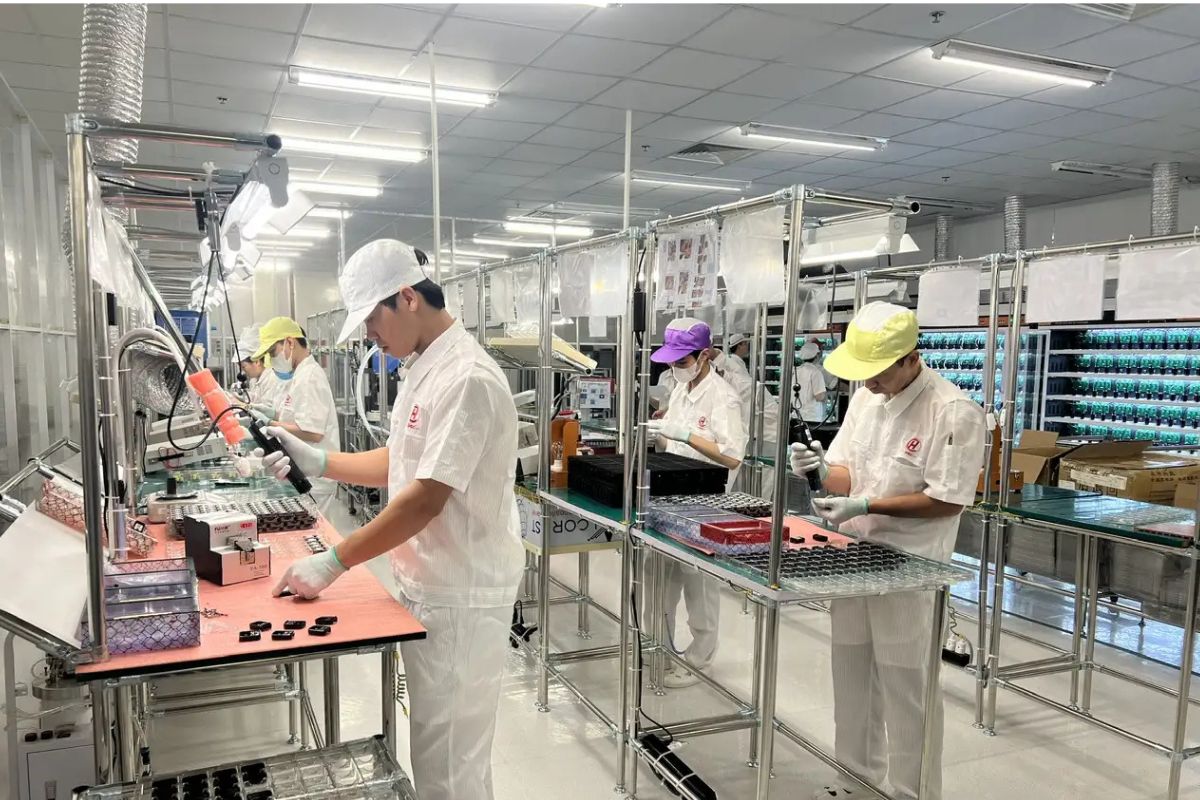
Selecting the right SMT manufacturer in Vietnam requires a broader evaluation framework.
Engineering Capability Over Equipment Lists
Modern SMT equipment is widely available, but engineering expertise varies significantly.
OEM teams should prioritize suppliers who can:
- Provide DFM feedback
- Solve manufacturing challenges
- Support design optimization
Process Control and Quality Systems
Strong process control ensures repeatable and reliable production.
Key indicators include:
- Standardized workflows
- Inspection systems
- Quality certifications
Communication and Responsiveness
Effective communication is essential, especially for international projects.
Reliable suppliers provide:
- Clear updates
- Fast response times
- Transparent issue reporting
Ability to Scale from Prototype to Mass Production
A capable SMT manufacturer should support the full production lifecycle.
This reduces the need to switch suppliers and ensures continuity in quality and process.
What a Reliable SMT Manufacturer Looks Like in Practice
Understanding these principles is easier when applied to a real-world example.
Integrated Manufacturing Approach
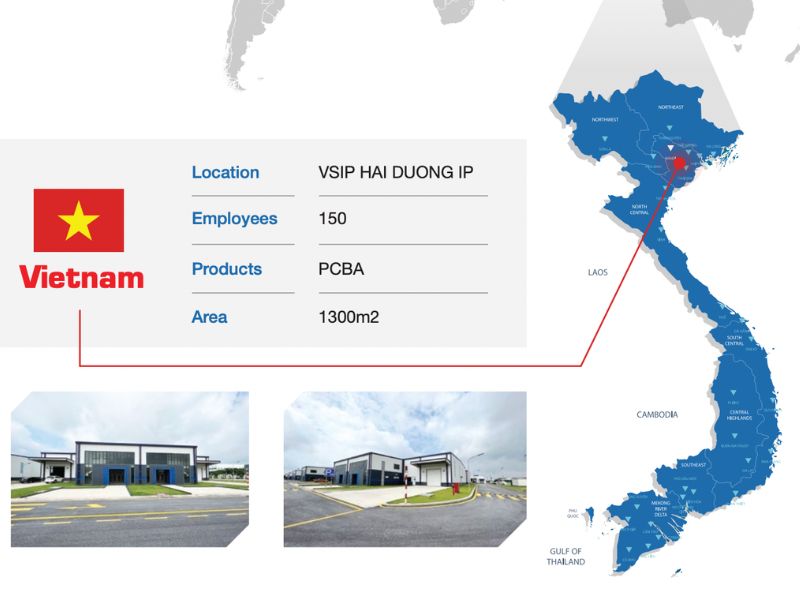
SHDC operates with an integrated manufacturing model that includes:
- Component sourcing
- SMT assembly
- Testing and quality control
This approach reduces complexity and improves coordination across the production process.
Engineering Support in Real Projects
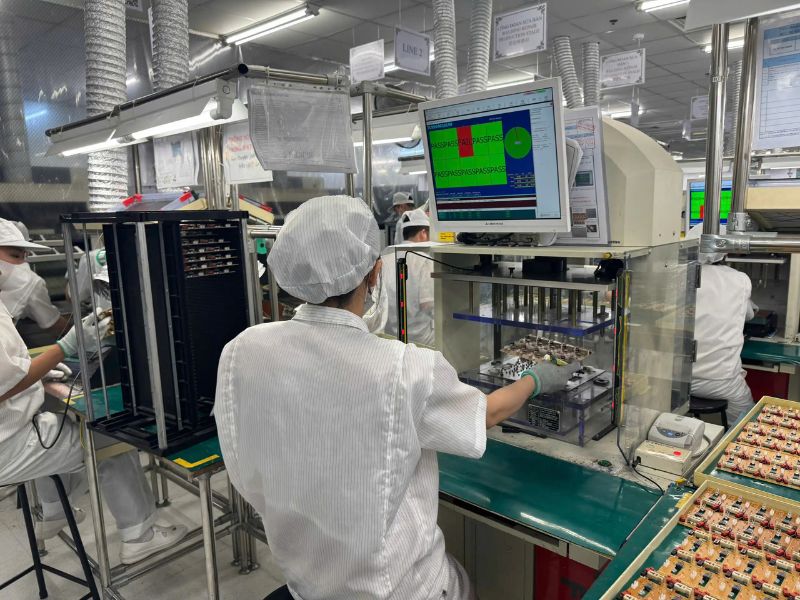
SHDC collaborates with OEM teams to:
- Review designs
- Optimize manufacturability
- Address production challenges
This level of involvement helps prevent issues before they impact production.
>>>Read more: SHDC SMT Vietnam: A Leading SMT Assembly Partner for Global OEM Electronics
Structured Quality Systems
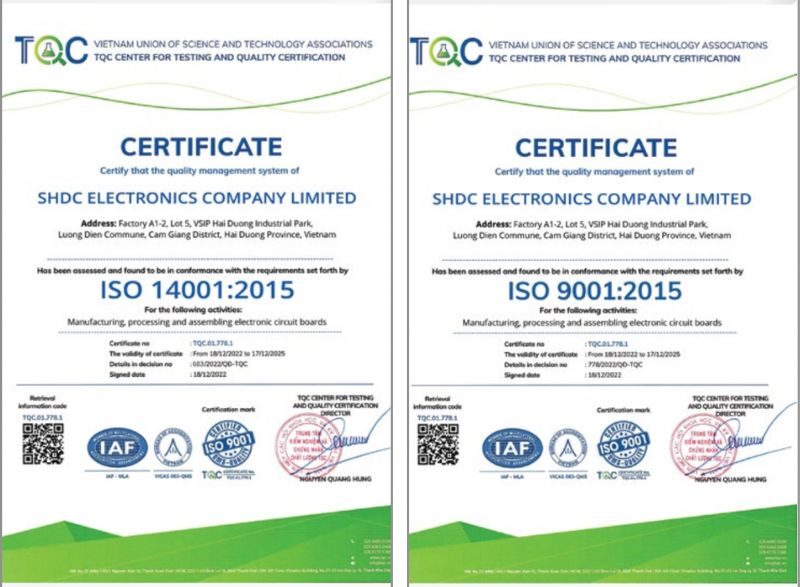
SHDC follows internationally recognized standards such as ISO 9001 and ISO 14001.
These systems ensure consistent process control and product quality.
Experience in Global Supply Chains
SHDC has participated in manufacturing programs associated with products linked to Apple.
This demonstrates the company’s ability to meet high expectations in quality and reliability.
A Practical Framework for Choosing the Right SMT Manufacturer
To make a more effective decision, OEM teams can follow a structured evaluation approach.
Step 1: Validate Engineering Capability
Assess whether the manufacturer can provide meaningful technical feedback and support.
Step 2: Review Process Stability
Evaluate how well the supplier maintains consistency across different production runs.
Step 3: Assess Communication and Support
Ensure the supplier can respond quickly and communicate clearly throughout the project.
Step 4: Consider Long-Term Partnership Fit
Look beyond the initial project and evaluate the supplier’s ability to support future growth.
Conclusion
Choosing an SMT manufacturer in Vietnam is not simply a matter of finding the lowest price. Total cost is influenced by engineering quality, process stability, supply chain management, and communication efficiency. For OEM companies, the most effective approach is to evaluate manufacturing partners based on long-term value rather than short-term savings.
FAQs
Is the cheapest SMT manufacturer always the best option?
No. Lower pricing often comes with hidden costs such as defects, delays, and rework.
What hidden costs should OEMs consider?
Hidden costs include yield loss, engineering issues, supply chain delays, and quality inconsistencies.
How do you evaluate SMT suppliers effectively?
Focus on engineering capability, process control, communication, and scalability.
Why is Vietnam a popular SMT manufacturing destination?
Vietnam offers competitive costs, a growing manufacturing ecosystem, and supply chain diversification benefits.
What makes a reliable SMT manufacturer?
A reliable manufacturer combines technical expertise, stable processes, strong communication, and long-term scalability.
>>>Read more: PCB Prototyping Services: How OEM Companies Evaluate Cost, Risk, and Scalability