Tiếng Việt
 日本語
日本語
Production readiness is the process of confirming that a product, manufacturing process, supply chain, equipment, quality system, and production team are fully prepared for mass production. It is not just about whether a prototype works. A product may pass engineering tests but still fail in mass production if suppliers are not ready, work instructions are incomplete, equipment is not validated, or testing coverage is weak. For OEMs, startups, and manufacturing teams, production readiness helps answer one critical question: Can this product be manufactured repeatedly, at scale, with stable quality, controlled cost, and reliable delivery?
If the answer is not clearly yes, the product may not be ready for mass production.
Why Production Readiness Matters
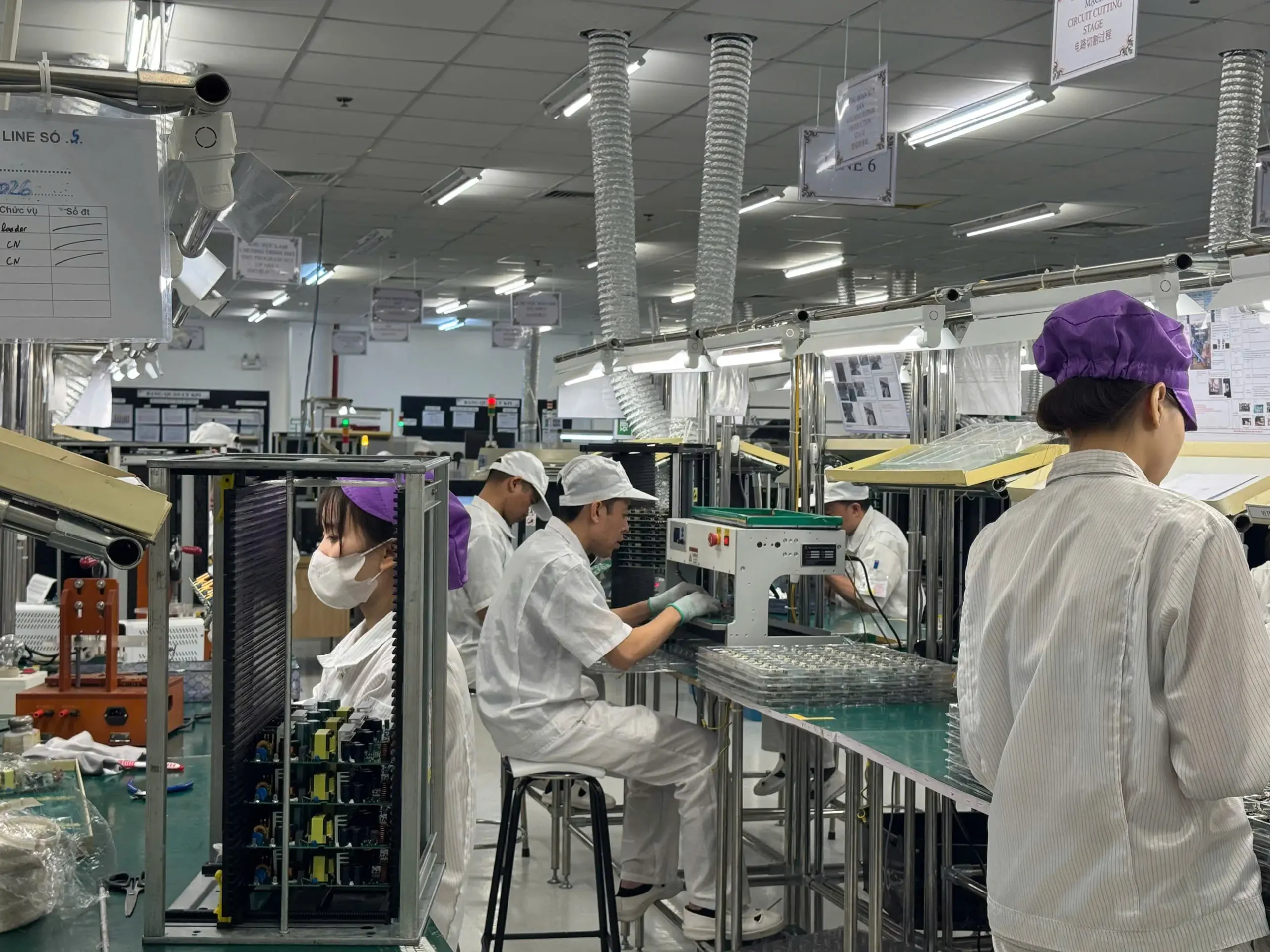
Production problems often become expensive when they are discovered too late. A small design issue, supplier delay, missing inspection standard, or unclear assembly instruction can create rework, scrap, shipment delays, and customer complaints.
A strong production readiness process helps manufacturers:
- Reduce manufacturing risk
- Improve first-pass yield
- Prevent production delays
- Validate supplier and material readiness
- Improve quality control
- Support better go / no-go decisions
- Reduce costly engineering changes during production
For electronics manufacturing, production readiness is especially important because one product may involve PCB fabrication, SMT assembly, DIP assembly, firmware loading, functional testing, final assembly, packaging, and logistics.
Production Readiness vs Related Concepts
Production Readiness vs Production Readiness Review
Production readiness is the overall state of being prepared for production.
A Production Readiness Review is the formal meeting or decision-making process where stakeholders evaluate whether the product can proceed to mass production.
In simple terms:
- Production readiness = the condition
- Production readiness review = the approval process
Production Readiness vs Production Readiness Assessment
A Production Readiness Assessment measures how ready the product and manufacturing system are. It evaluates gaps, risks, and readiness levels across areas such as design, process, suppliers, testing, and quality.
The assessment provides evidence. The review uses that evidence to make a decision.
Production Readiness vs Production Readiness Checklist
A Production Readiness Checklist is a practical tool used to verify specific items before mass production. It may include design freeze, BOM approval, supplier qualification, tooling readiness, testing validation, and packaging approval.
The checklist supports the broader production readiness process.
Production Readiness vs Production Validation Testing
Production Validation Testing (PVT) verifies that the manufacturing process can consistently produce products that meet defined requirements.
PVT is one part of production readiness, but production readiness is broader. It also includes suppliers, documentation, quality systems, equipment, logistics, and workforce readiness.
When Should Production Readiness Start?
Production readiness should not begin right before mass production. It should start during the New Product Introduction process and continue through engineering validation, design validation, pilot production, PVT, and final launch approval.
The earlier teams evaluate readiness, the easier and cheaper it is to correct problems.
Key milestones include:
- During New Product Introduction
- Before Engineering Validation Testing
- Before Design Validation Testing
- Before pilot production
- Before Production Validation Testing
- Before mass production
- Before manufacturing transfer
- Before supplier changes
Waiting until the final production approval stage often leaves little time to fix critical issues.
>>>Read more: Engineering Change Orders (ECO): Reducing Manufacturing Risks in PCB Assembly Projects
Key Elements of Production Readiness
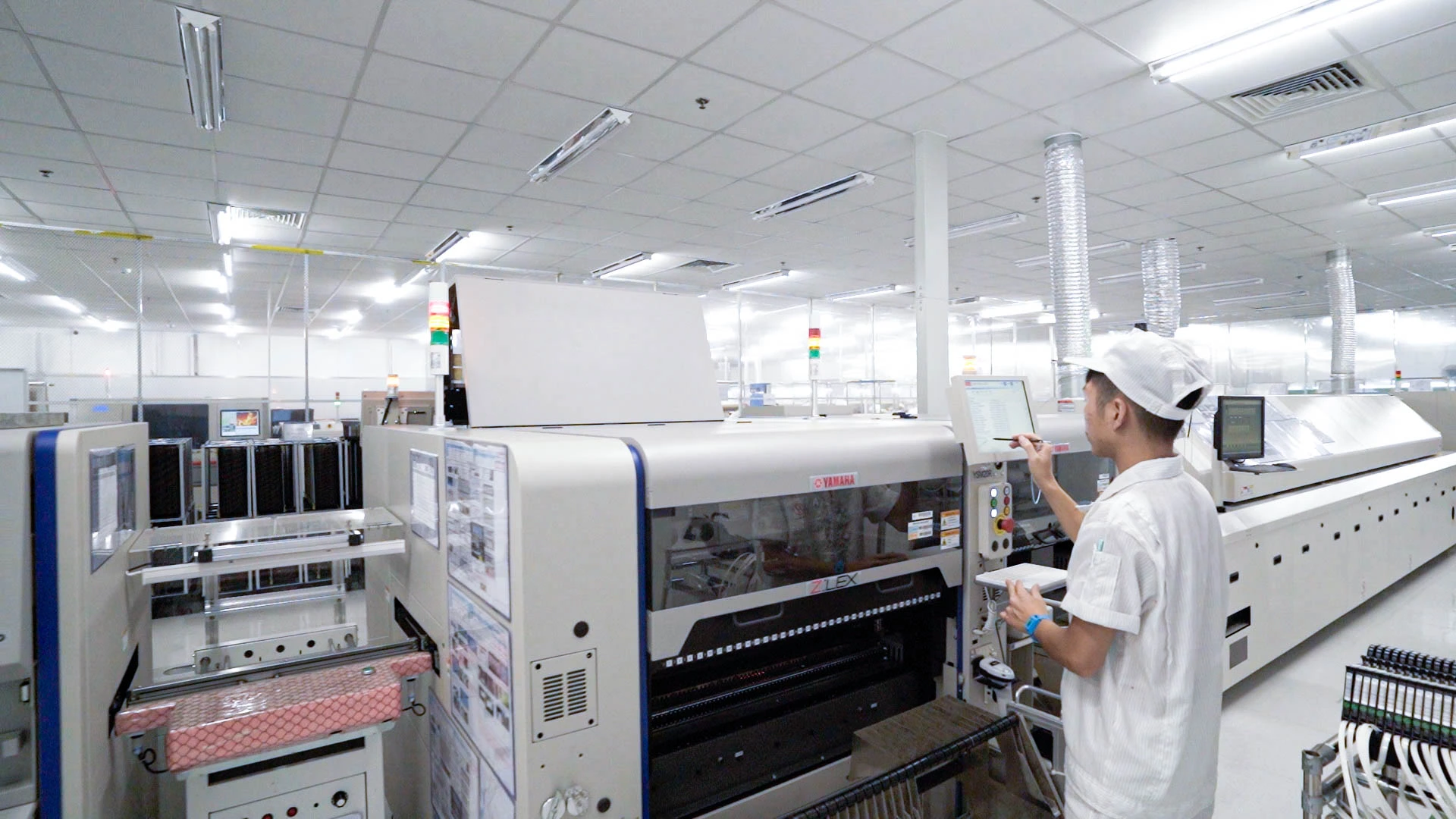
1. Product Design Readiness
The first element is confirming that the product design is stable and approved.
Review:
- Design freeze status
- Product specifications
- Engineering drawings
- Bill of Materials
- Firmware or software versions
- Engineering change control
- DFM review results
If the design is still changing frequently, the product is not ready for mass production. A clear engineering change process is essential to prevent outdated drawings, incorrect materials, or uncontrolled revisions from reaching the production floor.
2. Manufacturing Process Readiness
Manufacturing teams must confirm that the production process is clearly defined, repeatable, and capable of meeting output and quality targets.
Review:
- Manufacturing process flow
- Assembly sequence
- Work instructions
- Standard operating procedures
- Line layout
- Cycle time
- Process capability
- Bottlenecks
For electronics products, this may include SMT, DIP, hand assembly, testing, final inspection, and packaging. Each process step should have defined inputs, outputs, quality checks, and responsible operators.
3. Equipment and Tooling Readiness
Production equipment must be ready before volume manufacturing begins.
Review:
- Machine qualification
- Fixture and jig readiness
- Tooling validation
- Calibration records
- Preventive maintenance plans
- Spare parts availability
- Equipment capacity
Unqualified or unstable equipment can create repeat defects across large production batches. This is why tooling, fixtures, test systems, and production machines must be verified before approving mass production.
4. Supplier and Material Readiness
Supplier readiness is one of the most important parts of production readiness. Even if the factory is prepared, production can fail if materials are unavailable or suppliers cannot meet quality and delivery requirements.
Review:
- Approved supplier list
- Component availability
- Material lead times
- Supplier capacity
- Supplier quality history
- Alternative sourcing options
- Incoming inspection requirements
For U.S. companies sourcing overseas, supplier readiness is especially important because long logistics lead times can make recovery from material shortages much more difficult.
>>>Read more: How AI Is Transforming Medical Device Electronics Manufacturing in Vietnam
5. Quality Control Readiness
Quality should be built into the manufacturing process, not left until final inspection.
Review:
- Incoming Quality Control
- In-Process Quality Control
- Outgoing Quality Control
- Inspection standards
- Acceptance criteria
- Defect classification
- Sampling plans
- Rework procedures
A strong quality control plan defines what should be inspected, when inspection should happen, who performs it, and how defects are classified and handled.
6. Testing and Validation Readiness
Testing verifies that products meet functional, electrical, mechanical, and reliability requirements before shipment.
For electronics manufacturing, testing may include:
- Automated Optical Inspection
- In-Circuit Testing
- Functional Testing
- High-voltage testing
- Aging or burn-in testing
- Reliability testing
- Final product testing
Testing equipment should be validated, calibrated, and capable of supporting planned production volume. Test coverage should also be reviewed to ensure critical product functions are verified.
7. Documentation Readiness
Accurate documentation is essential for consistent manufacturing.
Review:
- BOM
- SOP
- Work instructions
- Assembly drawings
- Inspection criteria
- Test procedures
- Packaging specifications
- Labeling requirements
- Engineering change records
Only the latest approved document revisions should be available to production teams. Poor document control can lead to wrong components, incorrect assembly methods, and quality disputes.
8. Risk Management Readiness
Every production launch includes risk. The goal is not to eliminate every possible issue, but to identify and control the most important risks before mass production.
Review:
- Design risks
- Process risks
- Supplier risks
- Equipment risks
- Quality risks
- Logistics risks
- Regulatory risks
Many teams use DFMEA, PFMEA, control plans, and CAPA systems to identify, prioritize, and reduce production risks.
9. Logistics and Packaging Readiness
Production readiness also includes the ability to package, store, and ship finished products correctly.
Review:
- Packaging design
- Carton strength
- Labeling accuracy
- Barcode verification
- Warehouse readiness
- Shipping documentation
- Pallet configuration
- Export requirements
Packaging issues can result in shipping damage, customer complaints, and unnecessary logistics costs.
10. Workforce and Operational Readiness
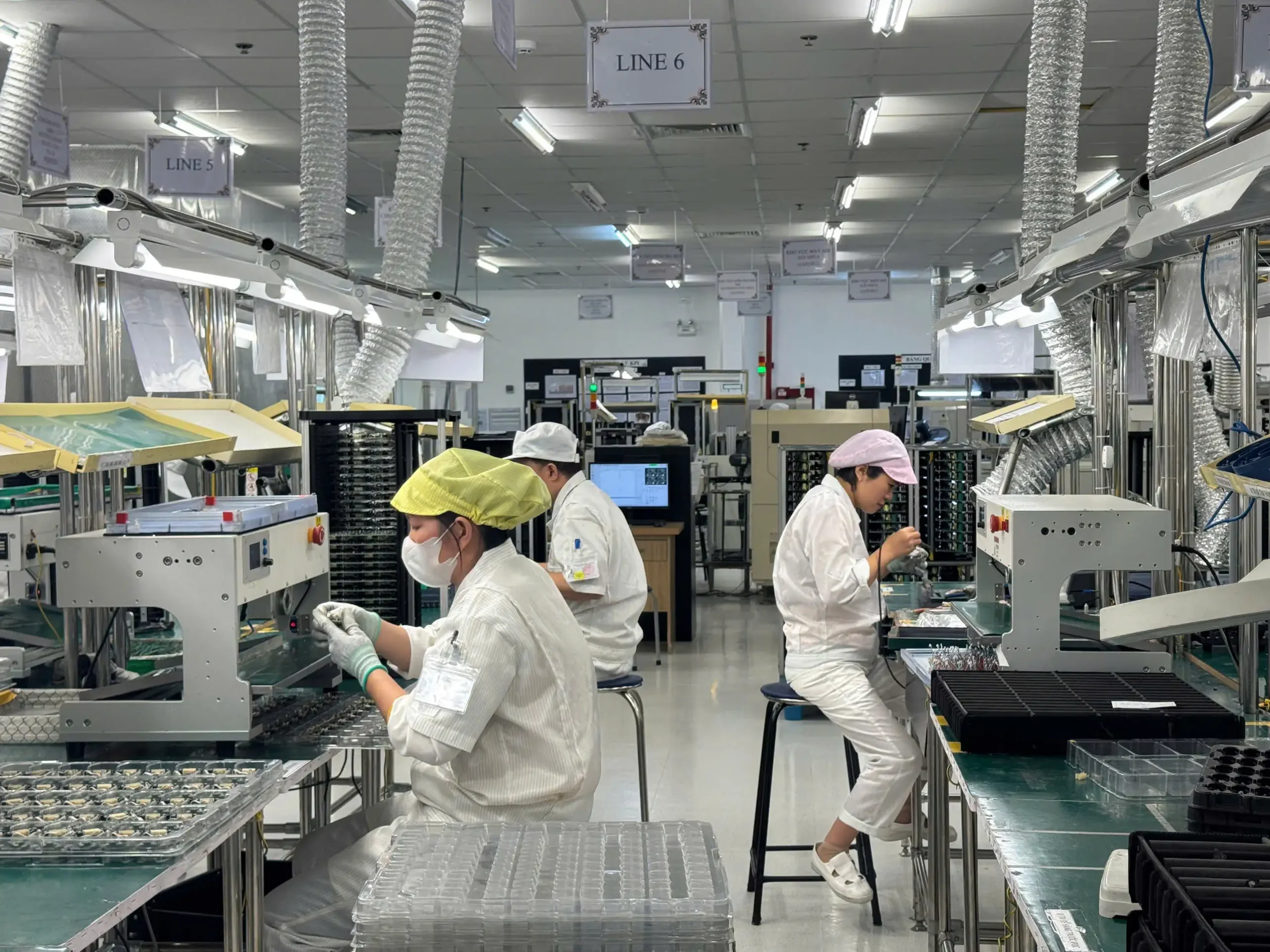
People are a major part of production readiness.
Review:
- Operator training
- Shift planning
- Production scheduling
- Maintenance support
- Safety procedures
- Production KPIs
- Escalation process
Well-trained operators reduce variation, improve efficiency, and respond more effectively when production issues occur.
>>>Read more: Consumer Electronics Assembly in Vietnam — The US Brand’s China+1 Playbook
Production Readiness Process: Step-by-Step
Step 1: Define Production Requirements
Start by defining production targets, quality requirements, delivery schedules, cost expectations, and customer requirements.
The clearer the production requirements, the easier it is to evaluate readiness.
Step 2: Complete Design and DFM Review
Before production begins, the design should be reviewed for manufacturability. A DFM review helps identify design features that may increase cost, reduce yield, or create assembly problems.
Step 3: Validate Suppliers and Materials
Confirm that all critical materials are available, approved, and supported by qualified suppliers. Long lead-time components should be reviewed early to avoid production delays.
Step 4: Build and Test Pilot Units
Pilot production gives teams an opportunity to validate the production process before committing to full volume.
During pilot production, teams should observe assembly issues, operator errors, test failures, process bottlenecks, and quality trends.
Step 5: Conduct Production Validation Testing
PVT confirms whether the manufacturing process can repeatedly produce products that meet requirements.
This step is especially important before approving high-volume production.
Step 6: Complete Production Readiness Assessment
A production readiness assessment evaluates all readiness areas, including design, process, equipment, suppliers, quality, testing, documentation, logistics, and operations.
Any gaps should be documented and assigned to responsible owners.
Step 7: Conduct Production Readiness Review
The review brings cross-functional stakeholders together to evaluate assessment results and determine whether production can proceed.
Participants usually include engineering, manufacturing, quality, procurement, supply chain, production management, and customer representatives when needed.
Step 8: Approve Go / No-Go for Mass Production
The final decision should be based on objective evidence, not assumptions.
If critical issues remain unresolved, the team should delay production until corrective actions are completed.
Step 9: Monitor Early Production Performance
Production readiness does not end when mass production starts. Early production performance should be monitored closely.
Track:
- First-pass yield
- Defect rate
- Test failure rate
- Supplier delivery
- Equipment downtime
- Customer feedback
Early monitoring helps identify issues before they become large-scale problems.
Production Readiness Checklist
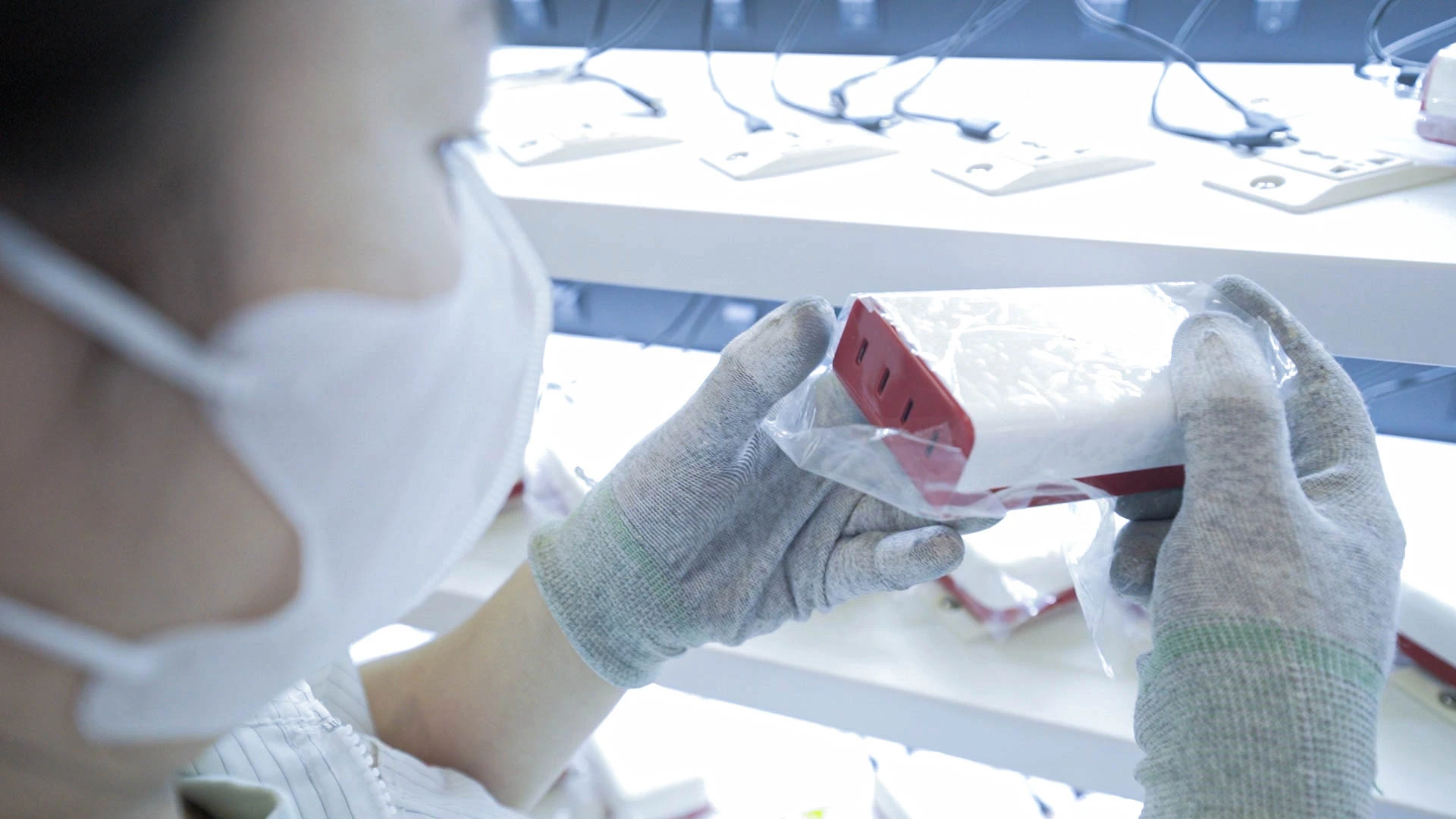
Use this simplified checklist before mass production:
| Area | Key Question |
|---|---|
| Design | Is the design frozen and approved? |
| BOM | Are all components approved and available? |
| Suppliers | Are suppliers qualified and capable? |
| Equipment | Are machines, fixtures, and test systems ready? |
| Process | Are work instructions and process flow approved? |
| Quality | Are inspection standards and acceptance criteria defined? |
| Testing | Are test procedures validated? |
| Documentation | Are all production documents controlled? |
| Logistics | Is packaging and shipping readiness confirmed? |
| Workforce | Are operators trained and production resources ready? |
Common Production Readiness Mistakes
Starting Too Late
Production readiness should begin during product development, not just before mass production.
Moving to Production Before Design Freeze
Uncontrolled design changes during production can create material waste, rework, and quality issues.
Ignoring Supplier Readiness
A weak supplier can delay production even when the internal factory is fully prepared.
Weak Testing Coverage
Visual inspection alone is not enough for most electronics products. Functional and process-level testing are often required.
Poor Documentation Control
Outdated documents are one of the most common causes of production mistakes.
No Clear Go / No-Go Criteria
Without clear approval criteria, production decisions may become subjective and risky.
Best Practices for Production Readiness
To improve production readiness, organizations should:
- Start early during NPI.
- Involve cross-functional teams.
- Use standardized readiness criteria.
- Validate suppliers before production.
- Base decisions on production data.
- Track corrective actions until verified.
- Reassess readiness before scaling volume.
- Monitor early production performance.
Production readiness should be treated as a repeatable system, not a one-time task.
Production Readiness in Electronics Manufacturing
Electronics manufacturing requires special attention because products often involve complex components, multiple process steps, and strict quality requirements.
Key readiness areas include:
- SMT process readiness
- DIP assembly readiness
- PCBA testing readiness
- Box build assembly readiness
- Traceability systems
- Functional testing capability
- Quality data management
For electronics OEMs, working with an experienced EMS partner can help reduce risk by connecting engineering, manufacturing, testing, quality control, and supply chain management in one coordinated process.
How SHDC Supports Production Readiness
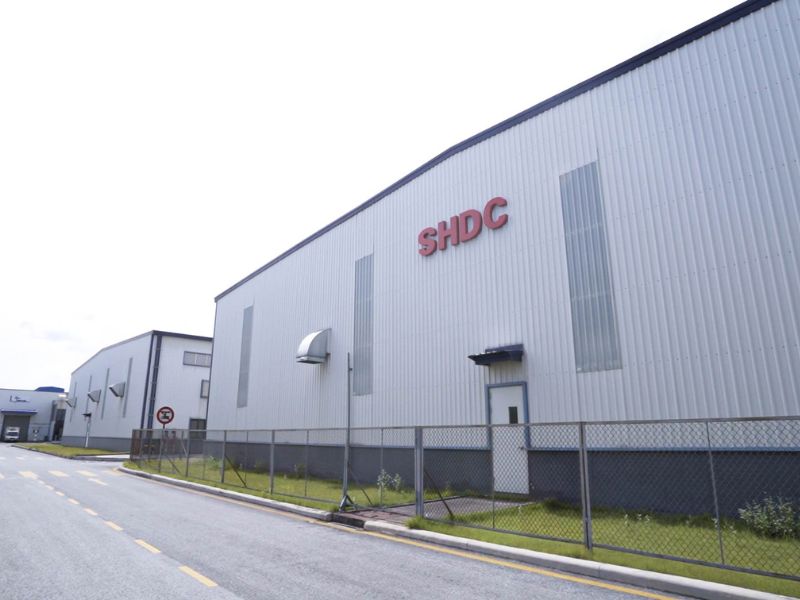
SHDC Electronics supports production readiness through comprehensive Electronics Manufacturing Services, including component soldering, assembly, testing, and final packaging. The company profile highlights SHDC’s focus on quality, efficiency, collaboration, automation, and process improvement.
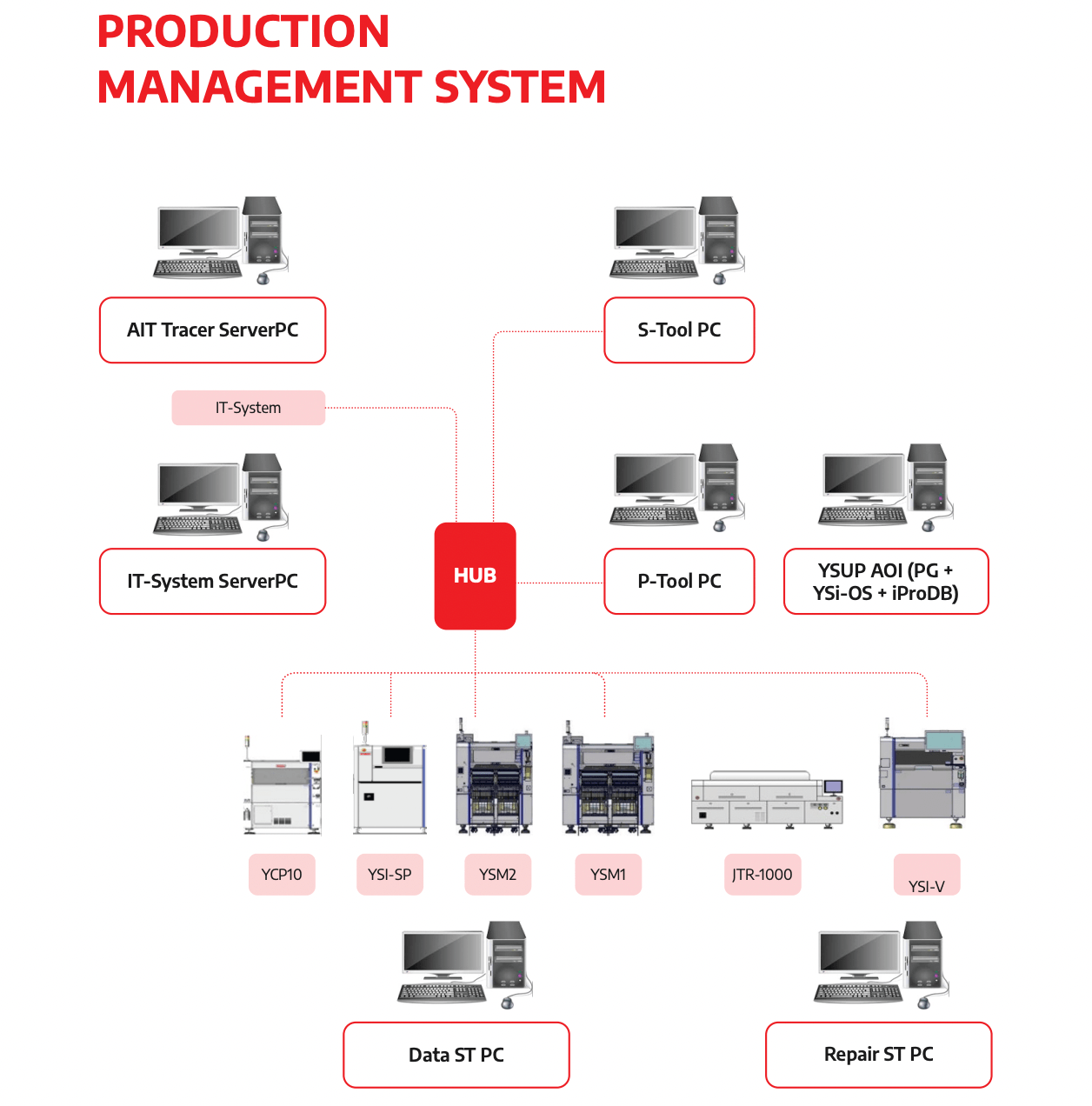
SHDC’s capabilities include SMT, DIP, assembly, testing, packaging, AOI, ICT, functional testing, aging tests, and production process management. Its production management systems include ERP, PLM, SCM, and MES/QMS, supporting better visibility, traceability, quality control, and operational efficiency.
For OEMs preparing for mass production, this end-to-end manufacturing capability helps reduce launch risks, improve product consistency, and support stable production scale-up.
>>>Read more: Industrial Electronics Manufacturing in Vietnam: Capabilities, Certifications & EMS Services at SHDC
Frequently Asked Questions
What is production readiness?
Production readiness is the process of confirming that a product, production process, supplier base, quality system, documentation, equipment, logistics, and workforce are ready for mass production.
Why is production readiness important?
Production readiness helps reduce manufacturing risk, improve product quality, prevent delays, and support successful mass production.
When should production readiness start?
Production readiness should start during New Product Introduction and continue through pilot production, PVT, and mass production approval.
What are the key elements of production readiness?
Key elements include product design readiness, manufacturing process readiness, equipment readiness, supplier readiness, quality control, testing, documentation, risk management, logistics, and workforce readiness.
Who is responsible for production readiness?
Production readiness is a cross-functional responsibility involving engineering, manufacturing, quality, procurement, supply chain, production management, and operations.
What is the difference between production readiness and production readiness review?
Production readiness is the overall state of being ready for manufacturing. A Production Readiness Review is the formal process used to evaluate readiness and approve production.
Conclusion
Production readiness is one of the most important factors in successful mass production. It ensures that product design, manufacturing processes, suppliers, equipment, quality systems, documentation, logistics, and operations are fully prepared before production begins.
For manufacturers and OEMs, a structured production readiness process reduces risk, improves quality, and supports more predictable product launches.
Instead of treating production readiness as a final checkpoint, companies should integrate it throughout the product development and manufacturing lifecycle. When done correctly, production readiness creates a stronger foundation for stable, scalable, and successful mass production.
>>>Read more: Charger PCBA Vietnam: How SHDC Manufactures Winsler GaN Chargers