
 Tiếng Việt
 日本語
日本語
In PCB assembly projects, change is inevitable. Components become obsolete, suppliers discontinue parts, engineers optimize designs, and customers request product improvements. While these changes are often necessary, they can also introduce significant manufacturing risks if they are not properly controlled. A revised BOM, a new firmware version, or a last-minute component substitution may seem like a small adjustment on paper. However, when changes are implemented without a structured process, the consequences can include production delays, excess inventory, quality issues, certification problems, and costly rework.
This is why successful OEMs and electronics manufacturers rely on Engineering Change Orders (ECOs). A well-managed ECO process ensures that every approved change is reviewed, documented, communicated, and validated before reaching the production floor. In this article, we’ll explore how Engineering Change Orders reduce manufacturing risks in PCB assembly projects, common mistakes companies make when managing design changes, and the best practices used by high-reliability electronics manufacturers.
What Are Engineering Change Orders (ECOs)?

An Engineering Change Order (ECO) is a formal process used to control and document changes to a product, manufacturing process, or related documentation after the initial design has been released.
In electronics manufacturing, ECOs are commonly used to manage:
- Bill of Materials (BOM) revisions
- PCB layout modifications
- Gerber file updates
- Component substitutions
- Firmware revisions
- Test procedure changes
- Manufacturing process improvements
The purpose of an ECO is simple: ensure that everyone involved in production is working from the same approved version of the product.
Without a formal ECO process, engineering may release a design update while purchasing continues ordering old components and production continues building from outdated documentation. The result is confusion, production errors, and increased manufacturing costs.
Many organizations also use Engineering Change Requests (ECRs). An ECR proposes a change and evaluates its impact, while an ECO authorizes and controls implementation of the approved change.
Think of it this way:
- ECR = Should we make this change?
- ECO = How do we implement this change correctly?
For OEMs manufacturing complex electronics products, ECOs serve as a critical link between design engineering and manufacturing execution.
Manufacturing Risks Caused by Uncontrolled Design Changes
Engineering changes are not inherently risky. The real risk comes from poor change management.
Incorrect Components Installed on Production Builds
One of the most common manufacturing issues occurs when BOM revisions are not properly communicated.
Consider a scenario where engineering replaces a voltage regulator with a newer revision to improve thermal performance. The updated BOM is approved internally, but procurement continues purchasing the previous component because the change was not formally released through an ECO.
Production begins using outdated inventory, and hundreds of boards are assembled before the discrepancy is discovered.
At that point, the manufacturer may need to:
- Stop production
- Quarantine inventory
- Rework completed assemblies
- Delay customer shipments
A structured ECO process prevents this by ensuring every department receives and implements the same approved revision.
Production Delays and Rework Costs
When changes are communicated through emails, spreadsheets, or informal conversations, critical information can easily be missed.
For example, a PCB layout revision may require updates to assembly drawings, test fixtures, programming procedures, and inspection criteria. If only part of the documentation is updated, production teams may unknowingly build products using conflicting instructions.
The result is often:
- SMT line downtime
- Increased inspection time
- Rework labor costs
- Delayed customer deliveries
For high-volume PCB assembly programs, even a single day of production disruption can create significant financial losses.
Supply Chain and Inventory Problems
Supply chain challenges continue to affect the electronics industry.
Component shortages, end-of-life notifications, and extended lead times frequently force manufacturers to identify alternate parts.
Without a formal ECO process, organizations risk:
- Purchasing obsolete components
- Ordering incorrect part numbers
- Building excess inventory based on outdated revisions
- Introducing unapproved substitutes into production
These mistakes can impact both manufacturing efficiency and product reliability.
Product Quality and Reliability Issues
Every design change has the potential to affect product performance.
A component that appears electrically equivalent may behave differently under real-world operating conditions. A firmware update may introduce unexpected software interactions. A layout modification may affect thermal performance or electromagnetic compatibility.
Without proper validation and documentation, these changes can lead to:
- Increased defect rates
- Customer complaints
- Product returns
- Warranty claims
- Field failures
For industries such as medical devices, industrial controls, and power electronics, these risks can be particularly costly.
Compliance and Certification Risks
Many electronic products sold in global markets must comply with regulatory and certification requirements.
Examples include:
- UL
- ETL
- FCC
- CE
- RoHS
An uncontrolled design change may invalidate previous test results or certification approvals.
For example, replacing a critical power supply component without proper review could affect safety certification requirements. If the change is not documented and evaluated through an ECO process, the manufacturer may face compliance issues during audits or customer inspections.
How the ECO Process Reduces Manufacturing Risk
The primary purpose of an ECO is to create a controlled framework for implementing change.
Improved Traceability
Traceability is one of the most important benefits of a structured ECO process.
A properly managed ECO answers critical questions:
- What changed?
- Why was the change made?
- Who approved the change?
- When was the change implemented?
- Which products were affected?
This information becomes invaluable during audits, quality investigations, and root-cause analysis.
Without traceability, identifying the source of a production issue can take days or even weeks.
Better Communication Across Teams
Manufacturing involves multiple departments working together.
Engineering develops the design.
Procurement sources materials.
Production builds the product.
Quality verifies compliance.
An ECO serves as a central communication mechanism that keeps all teams aligned.
Rather than relying on emails or verbal instructions, everyone works from the same approved documentation package.
Reduced Risk During Component Substitutions
Component substitutions are increasingly common due to supply chain volatility.
A mature ECO process ensures that alternate components undergo proper evaluation before implementation.
This evaluation may include:
- Electrical compatibility reviews
- Form-fit-function analysis
- Reliability assessments
- Validation testing
As a result, manufacturers can respond to supply chain disruptions without introducing unnecessary quality risks.
Lower Scrap and Rework Rates
Every production error creates waste.
Scrapped PCBs, unused inventory, and rework labor all impact profitability.
Because ECOs reduce documentation errors and communication gaps, they help lower:
- Scrap rates
- Rework costs
- Production downtime
- Material waste
Over time, these savings can be substantial, particularly for complex PCB assembly programs.
Higher Product Quality
When every change is reviewed, documented, approved, and validated, product quality becomes more consistent.
This disciplined approach helps manufacturers maintain:
- Stable production processes
- Reliable product performance
- Consistent customer experience
For OEMs competing in demanding markets, quality consistency is often a key competitive advantage.
Common ECO Mistakes That Lead to Costly Manufacturing Problems
Even organizations with established ECO systems can make mistakes.
Relying on Email Instead of Formal Change Control
Many companies still manage engineering changes through email threads.
While convenient, emails are difficult to track, audit, and control.
Critical information can easily be overlooked, especially when multiple departments are involved.
Formal ECO workflows provide significantly better visibility and accountability.
Poor Revision Management
Revision control failures are among the most common causes of manufacturing errors.
If production, purchasing, and engineering teams are working from different document versions, mistakes are almost inevitable.
Every ECO should include strict revision control procedures for:
- BOMs
- Gerber files
- Assembly drawings
- Test procedures
- Firmware releases
Implementing Changes During Active Production
Some companies attempt to introduce design changes in the middle of a production run.
Without careful planning, this can create confusion regarding:
- Which units use the old revision
- Which units use the new revision
- Inventory allocation
- Traceability records
Effective ECO processes define clear implementation dates and transition plans.
Skipping Validation Testing
A design change should never be considered complete until it has been validated.
Unfortunately, organizations under schedule pressure sometimes skip testing.
This may save time initially, but it often results in larger problems later.
Pilot builds, first-article inspections, and functional testing help identify issues before they reach customers.
Best Practices for Managing ECOs in PCB Assembly Projects
Successful manufacturers treat ECO management as a core business process rather than an administrative task.
Establish a Formal Change Control Procedure
Every organization should define:
- Approval requirements
- Review responsibilities
- Documentation standards
- Implementation processes
A standardized workflow reduces ambiguity and improves consistency.
Maintain Strict Document Control
Only approved documents should be released to production.
This includes:
- BOMs
- Gerber files
- Assembly instructions
- Test procedures
- Quality records
Centralized document management systems can help prevent version-control issues.
Involve Cross-Functional Teams
Engineering changes affect more than engineering.
Procurement, quality, manufacturing, and supply chain teams should participate in change reviews whenever appropriate.
Cross-functional evaluation helps identify risks that might otherwise be overlooked.
Validate Before Full Production Release
Pilot builds and verification testing provide an opportunity to identify issues before mass production begins.
This step is particularly important when:
- Introducing alternate components
- Modifying PCB layouts
- Updating firmware
- Changing manufacturing processes
Integrate ECO Management With ERP and Manufacturing Systems
Leading electronics manufacturers increasingly integrate ECO processes with:
- ERP systems
- PLM platforms
- MES systems
This integration helps ensure that approved changes are automatically reflected throughout the organization.
What OEMs Should Look for in a PCB Assembly Partner’s ECO Process
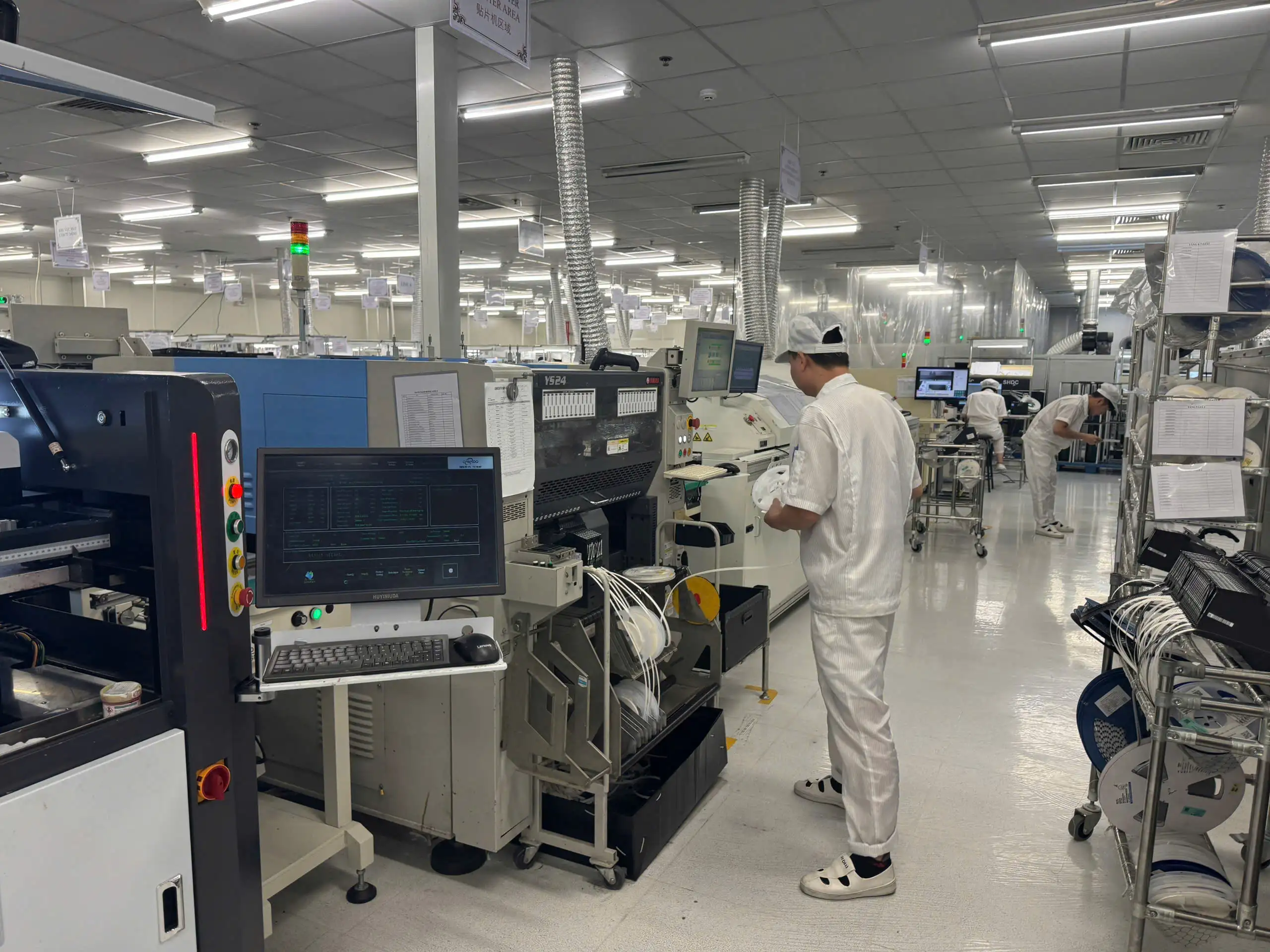
When selecting a PCB assembly partner, OEMs should evaluate the manufacturer’s approach to change management.
Key questions include:
- Is there a documented ECO process?
- How are BOM revisions controlled?
- Who participates in change reviews?
- How are alternate components qualified?
- What validation procedures are required before implementation?
- Can the manufacturer provide complete revision traceability?
A supplier with a mature ECO process is generally better equipped to support complex products, manage supply chain disruptions, and maintain consistent product quality over time.
>>>Read more: SHDC – EMS electronics manufacturing services in Vietnam for US companies
Conclusion
Engineering Change Orders are far more than administrative paperwork. They are a critical risk-management tool that helps OEMs maintain control over product revisions throughout the manufacturing lifecycle. In PCB assembly projects, even small design changes can create significant consequences if they are not properly managed. A structured ECO process ensures that changes are reviewed, approved, documented, communicated, and validated before implementation. The result is reduced production risk, improved traceability, lower rework costs, stronger quality control, and more reliable products. For OEMs seeking long-term manufacturing success, partnering with a PCB assembly provider that has a disciplined ECO process is just as important as evaluating manufacturing capabilities, quality certifications, or production capacity.
