
 Tiếng Việt
 日本語
日本語
If you’re an OEM company planning to outsource production, one question comes up quickly: Vietnam or China? For years, China has been the default choice for electronics contract manufacturing. But that’s changing. More companies are now evaluating Vietnam—not just as a backup option, but as part of a long-term manufacturing strategy. The challenge is that most comparisons oversimplify the decision. It’s not just about cost. It’s about how your product, your scale, and your supply chain strategy fit into each location. This guide breaks that down in practical terms—so you can make the right call.
What Electronics Contract Manufacturing Really Means for OEMs
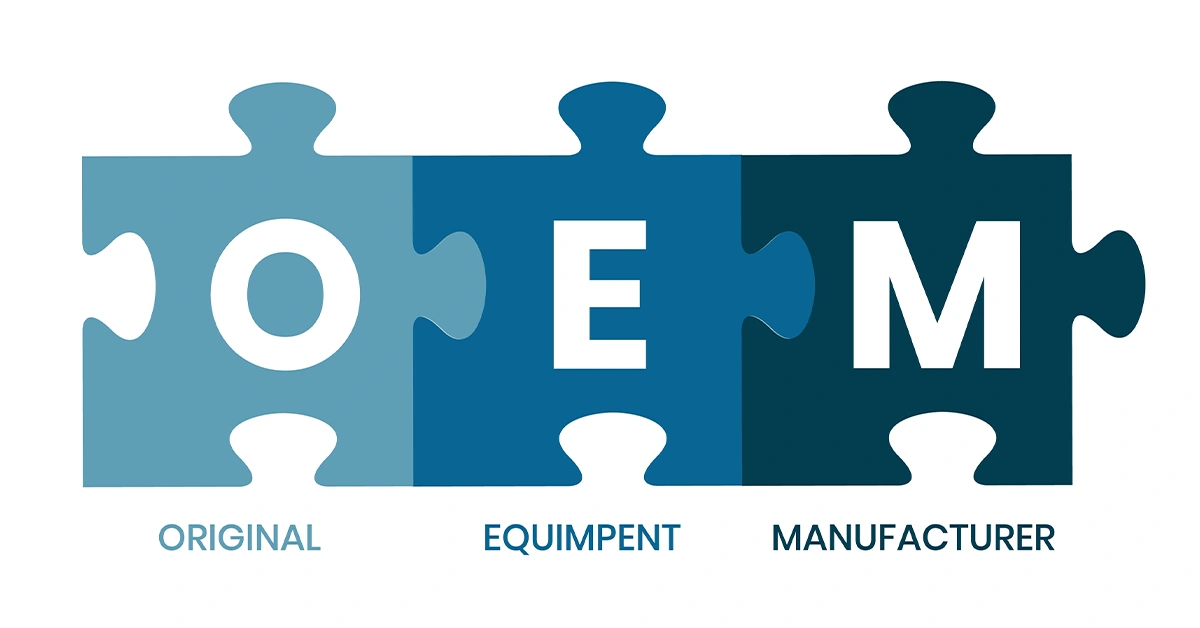
On paper, electronics contract manufacturing sounds simple: you outsource production to a third party.
In reality, it’s a strategic decision.
A good manufacturing partner doesn’t just assemble your product. They influence:
-
how efficiently your design can be produced
-
how stable your supply chain is
-
how quickly you can scale
-
and how well your product performs in the field
That’s why choosing where to manufacture—and who to work with—matters just as much as the product itself.
Vietnam vs China: It’s Not Just About Cost
One of the biggest misconceptions is that companies move to Vietnam purely to save money.
Cost matters—but it’s rarely the only driver.
What companies are really comparing is this:
-
China: highly optimized, deeply integrated manufacturing system
-
Vietnam: flexible, growing, and strategically positioned alternative
Each comes with trade-offs. And those trade-offs matter more as your product scales.
A Practical Comparison: Vietnam vs China
| Factor | Vietnam | China |
|---|---|---|
| Cost | Generally lower | Increasing in key regions |
| Supply chain | Still developing | Highly mature |
| Production scale | Mid to high volume | Extremely high volume |
| Flexibility | High | Moderate |
| Speed | Improving | Very fast |
| Risk exposure | Lower (diversified) | Higher (concentrated) |
What this means in practice
-
China gives you speed and scale
-
Vietnam gives you control and flexibility
And depending on your product, one of those will matter more.
Where China Still Dominates
China remains the strongest option for companies that need large-scale, high-efficiency production.
Its biggest advantage is the supply chain. Everything—from components to tooling to logistics—is already in place and tightly connected.
That translates into:
-
faster production cycles
-
easier sourcing for complex BOMs
-
better support for high-volume runs
If you’re building millions of units and need consistency at scale, China is still hard to replace.
Where Vietnam Is Becoming the Smarter Choice
Vietnam is not trying to replace China—it’s filling the gaps China doesn’t optimize for.
It’s a strong fit if you:
-
don’t need ultra-mass production
-
want more flexibility in production planning
-
need a partner that can adapt quickly
-
are actively reducing reliance on China
Many manufacturers in Vietnam are also more open to supporting custom requirements and engineering adjustments, which can be critical for growing companies.
The Real Reason Companies Are Moving: Risk, Not Just Cost
Over the past few years, one thing has become clear: relying on a single manufacturing location is risky
That’s why many OEM companies are shifting to a China+1 strategy.
Instead of choosing between China or Vietnam, they use:
-
China for scale
-
Vietnam for flexibility and risk diversification
Vietnam’s role in this strategy is growing quickly because it offers a practical balance between cost, capability, and stability.
>>>Read more: China Alternative Electronics Manufacturing: Why Vietnam Is the Top Choice in 2026
Choosing the Right Manufacturing Partner Matters More Than Location
One mistake companies often make is focusing too much on the country—and not enough on the partner.
In reality, a strong manufacturing partner can offset many location limitations.
When evaluating partners, OEM companies should look at:
-
engineering capability (not just production)
-
ability to support design for manufacturing (DFM)
-
quality control systems
-
experience with similar products
In Vietnam, companies like SHDC Electronics Company are increasingly working with global OEM customers, offering PCB assembly and full electronics manufacturing support from prototype to mass production.
>>>Read more: SHDC – Reliable PCBA Assembly Vietnam for Global Electronics Brands
When Vietnam Makes the Most Sense
Vietnam is often the better choice if:
-
you’re scaling gradually (not instantly to mass production)
-
your product still evolves after launch
-
you need responsive manufacturing support
-
you want to optimize cost without sacrificing quality
It’s particularly attractive for startups and mid-sized OEMs.
When China Is Still the Better Option
China is still the right call if:
-
your product is already stable and fully optimized
-
you need very high production volumes
-
your supply chain depends heavily on local component ecosystems
In these cases, China’s infrastructure gives you an edge.
A Smarter Approach: You Don’t Have to Choose Just One
More companies are moving away from “either/or” thinking.
Instead, they’re building multi-location manufacturing strategies.
For example:
-
prototyping and early production in Vietnam
-
large-scale manufacturing in China
This approach reduces risk while keeping production efficient.
Conclusion
Electronics contract manufacturing is no longer just about finding the lowest cost—it’s about building a production strategy that can scale and adapt.
China and Vietnam both play important roles, but in different ways.
-
China excels at scale and efficiency
-
Vietnam offers flexibility and strategic diversification
The best choice depends on your product, your growth stage, and how you manage risk in your supply chain.
FAQs
What is electronics contract manufacturing?
It is the process of outsourcing electronic product manufacturing to specialized companies that handle assembly, sourcing, and production.
Is Vietnam a good alternative to China for manufacturing?
Yes, Vietnam offers competitive costs, growing manufacturing capabilities, and strong export advantages.
Why are companies moving manufacturing from China to Vietnam?
Companies are seeking lower costs, reduced risk, and diversified supply chains.
Can Vietnam handle high-volume electronics manufacturing?
Vietnam can support medium to high-volume production, though extremely large-scale manufacturing is still more common in China.
How do I choose a contract manufacturing partner?
Evaluate manufacturing capabilities, quality systems, engineering support, and supply chain reliability.
>>>Read more: Top 4 SMT Assembly Companies in Vietnam in 2026
