
 Tiếng Việt
 日本語
日本語
As global competition intensifies, OEM companies are under constant pressure to reduce costs, accelerate time-to-market, and scale production efficiently. One of the most effective strategies to achieve these goals is offshore electronics manufacturing. However, outsourcing production overseas is not simply about finding lower labor costs. It is a strategic decision that impacts product quality, supply chain resilience, intellectual property, and long-term business performance. Choosing the wrong offshore partner can lead to delays, quality issues, and hidden costs that outweigh any initial savings. This guide explores the key considerations OEM companies must evaluate before outsourcing electronics manufacturing.
What Offshore Electronics Manufacturing Really Means Today
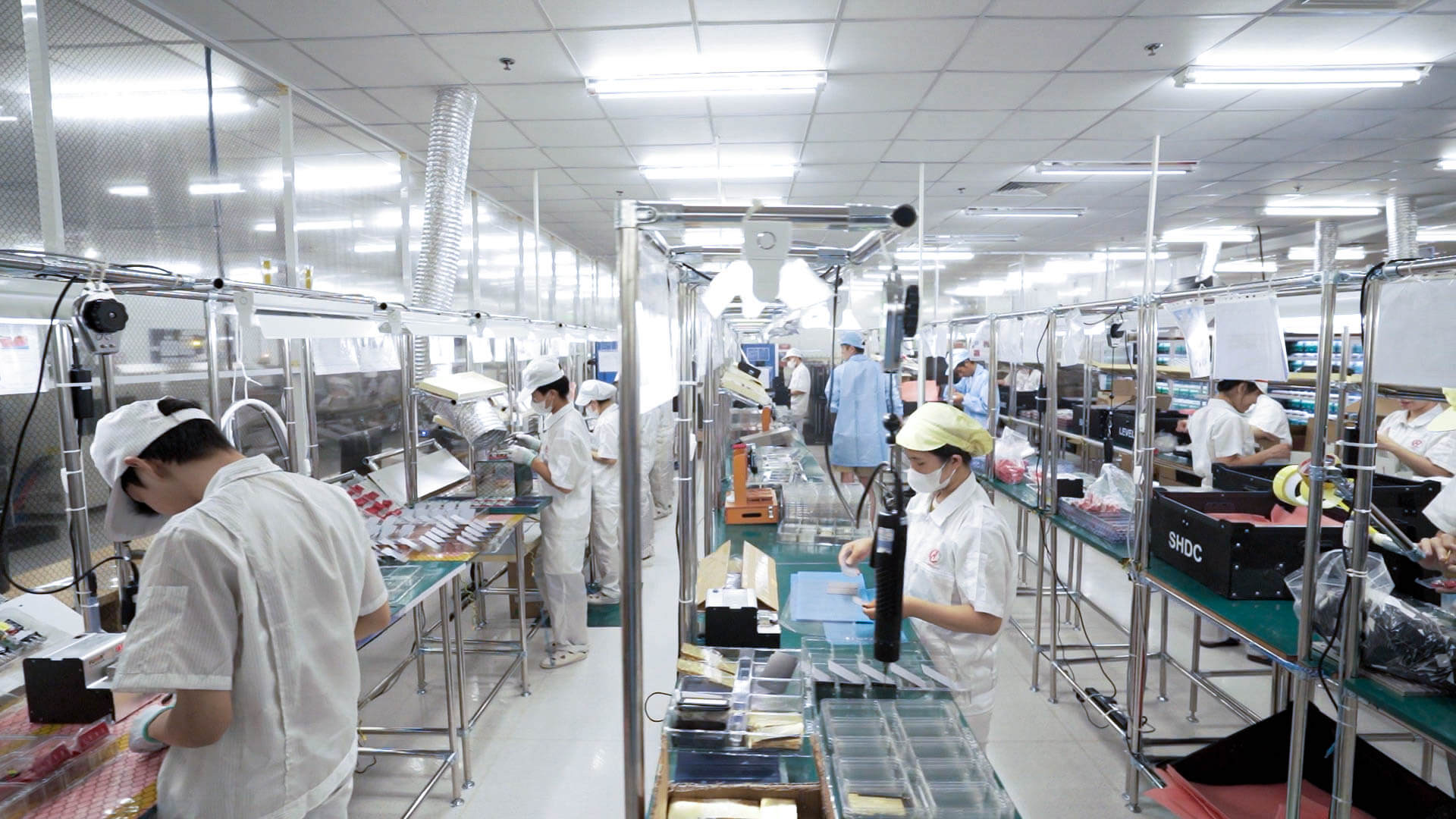
Offshore electronics manufacturing has evolved far beyond basic contract assembly.
Today, it typically includes:
- PCB assembly (SMT & through-hole)
- Box build assembly
- Full turnkey manufacturing
- Testing and quality assurance
- Supply chain and component sourcing
Unlike simple contract PCB assembly, offshore manufacturing often involves end-to-end production responsibility, where a manufacturing partner manages everything from procurement to final product delivery.
This shift means companies are no longer outsourcing just production—they are outsourcing a significant part of their operational capability.
>>>Read more: Domestic vs Offshore PCB Assembly: Which Manufacturing Option Is Right for Your Business?
Why Global OEMs Choose Offshore Manufacturing
Cost Optimization Beyond Labor
While labor cost is a factor, the real advantage lies in the total manufacturing ecosystem:
- Lower component sourcing costs
- Established supplier networks
- Economies of scale in high-volume production
Scalability and Production Flexibility
Offshore manufacturers are often better equipped to:
- Scale from prototype to mass production
- Handle high-mix, high-volume orders
- Adjust production capacity quickly
Access to Specialized Capabilities
Many offshore regions offer:
- Advanced SMT lines
- Automated testing systems
- Industry-specific expertise (automotive, IoT, consumer electronics)
Supply Chain Diversification
Global OEMs increasingly use offshore manufacturing to:
- Reduce dependence on a single country
- Build multi-region supply chains
- Improve resilience against disruptions
The Hidden Risks of Offshore Electronics Manufacturing
Despite its advantages, offshore manufacturing comes with risks that must be carefully managed.
Supply Chain Disruptions
Relying on overseas suppliers can expose companies to:
- Shipping delays
- Component shortages
- Geopolitical instability
Quality Control Challenges
Distance makes it harder to:
- Monitor production in real time
- Enforce quality standards
- Respond quickly to defects
Intellectual Property (IP) Risks
Sharing design files and technical data introduces:
- Risk of IP leakage
- Unauthorized replication
- Weak legal enforcement in some regions
Communication Barriers
Differences in:
- Language
- Time zones
- Engineering standards
can lead to misunderstandings and costly errors.
Regulatory and Compliance Issues
Different countries may have:
- Varying quality certifications
- Environmental regulations
- Export/import restrictions
>>>Read more: Electronics Manufacturing Vietnam: A Complete Guide for Global OEM Companies
Key Considerations Before You Outsource Electronics Manufacturing
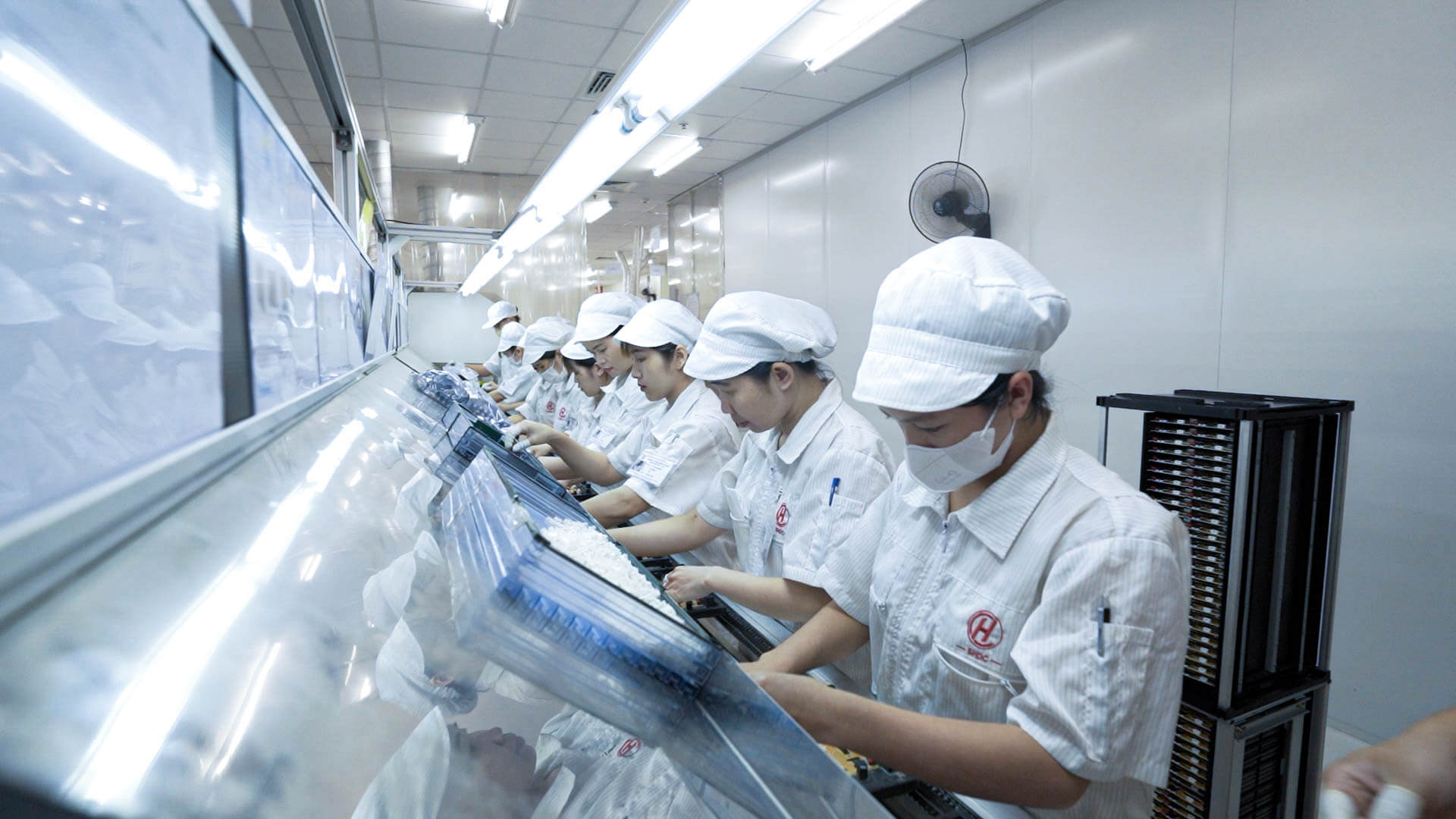
This is the most critical part of your decision-making process.
1. Total Cost of Ownership (TCO)
Do not focus only on unit price.
You must evaluate:
- Tooling and setup costs
- Logistics and shipping
- Import duties and tariffs
- Rework and defect rates
A cheaper quote can become more expensive when hidden costs are included.
2. Manufacturing Capabilities and Scope
Ensure the partner can support your full requirements:
- SMT and through-hole assembly
- Box build and system integration
- Testing (AOI, ICT, functional testing)
- Prototype and mass production
A mismatch in capabilities leads to delays and outsourcing fragmentation.
3. Supplier Reliability and Experience
Look for:
- Proven track record with international clients
- Experience serving US or global OEMs
- Long-term customer relationships
Reliability is often more important than price.
4. Quality Assurance Systems
Strong manufacturers invest heavily in quality control:
- Automated Optical Inspection (AOI)
- In-Circuit Testing (ICT)
- Functional testing systems
- Process control and traceability
Consistency in quality is what protects your brand.
5. Supply Chain and Component Sourcing
Evaluate how your partner handles:
- Authorized component sourcing
- Supplier relationships
- Inventory management
- Component shortages
A strong supply chain can prevent production delays.
6. Intellectual Property Protection
Before outsourcing, ensure:
- NDAs are in place
- Design files are securely managed
- Access control systems are implemented
Protecting your IP is critical, especially for innovative products.
7. Location Strategy and Country Selection
Different regions offer different advantages.
For example:
- Some countries focus on cost efficiency
- Others excel in advanced manufacturing
- Emerging markets offer a balance of both
Your choice should align with your:
- Product complexity
- Volume requirements
- Risk tolerance
Offshore vs Domestic Manufacturing: Strategic Trade-offs
Offshore manufacturing offers cost and scalability advantages, while domestic manufacturing provides greater control and faster communication.
Key trade-offs include:
- Cost vs control
- Speed vs flexibility
- Proximity vs scalability
Rather than choosing one over the other, many companies adopt a hybrid strategy, combining offshore production with domestic oversight.
How to Choose the Right Offshore Manufacturing Partner
Selecting the right partner is the most important decision in your outsourcing strategy.
Evaluate at the System Level
Do not assess only PCB assembly capabilities.
Look at:
- Full EMS capabilities
- Engineering support
- Production scalability
>>>Read more: EMS Vietnam: Reliable Electronics Manufacturing Services for Global OEMs
Conduct Audits and Verification
Whenever possible:
- Visit the factory
- Review certifications
- Assess production lines
If onsite visits are not feasible, request:
- Virtual audits
- Detailed documentation
- Sample production runs
Start with a Pilot Project
Before committing to large volumes:
- Run a small batch
- Evaluate quality and communication
- Identify potential issues early
Assess Communication and Support
A strong partner should provide:
- Clear communication channels
- Engineering support
- Fast response times
Good communication reduces risk significantly.
Why Vietnam Is Emerging as a Leading Offshore Manufacturing Hub
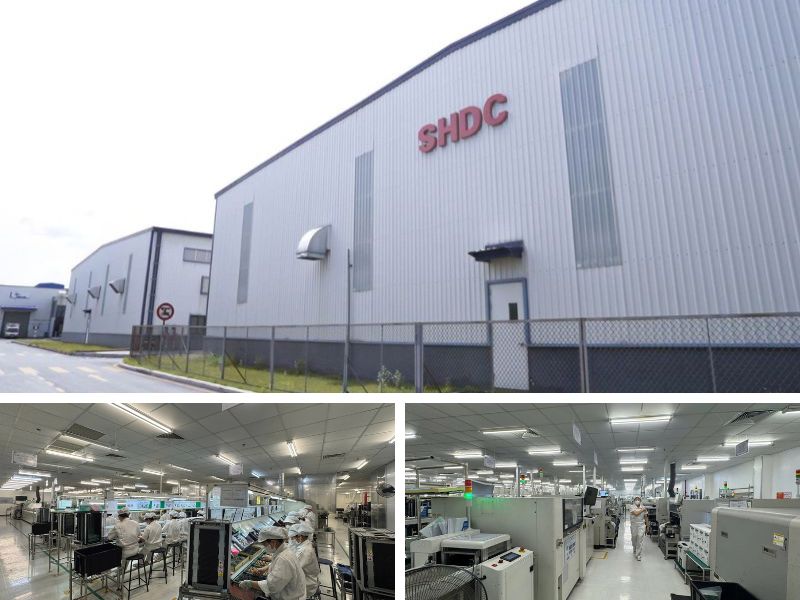
Vietnam has become an increasingly attractive destination for offshore electronics manufacturing.
Competitive Cost Structure
Compared to traditional manufacturing hubs, Vietnam offers:
- Competitive labor costs
- Lower operational expenses
- Attractive manufacturing incentives
Growing Electronics Ecosystem
Vietnam’s manufacturing sector has rapidly expanded, with:
- Strong supplier networks
- Increasing investment in technology
- Skilled technical workforce
Strategic Location and Stability
Vietnam provides:
- Access to global shipping routes
- Political and economic stability
- Favorable trade agreements
Ideal for OEM Diversification
Many companies are shifting production to Vietnam to:
- Reduce reliance on a single country
- Improve supply chain resilience
- Access new manufacturing opportunities
>>>Read more: Electronics Contract Manufacturing in Vietnam vs China: Which Is Better for OEM Companies?
Conclusion: Offshore Manufacturing Is a Strategic Decision
Offshore electronics manufacturing is not just about reducing costs—it is about building a scalable, resilient, and competitive production strategy.
Companies that succeed in offshore outsourcing:
- Carefully evaluate total cost, not just pricing
- Choose partners based on reliability and capability
- Implement strong quality and risk management systems
Ultimately, the right offshore partner can become a long-term extension of your business—driving efficiency, innovation, and global growth.
>>>Read more: Contract Electronics Manufacturing in Vietnam: A Complete Guide for US Companies 2026
