Tiếng Việt
 日本語
日本語
Contract electronics manufacturing has become a strategic solution for many US companies as global supply chains continue to evolve. Instead of investing heavily in their own factories and production lines, OEMs and hardware startups are partnering with specialized manufacturers to reduce costs, accelerate time to market, and improve operational flexibility.
In this article, we explore what contract electronics manufacturing is, why Vietnam is emerging as a competitive manufacturing destination, and how US companies can choose the right partner for long-term success.
What Is Contract Electronics Manufacturing?
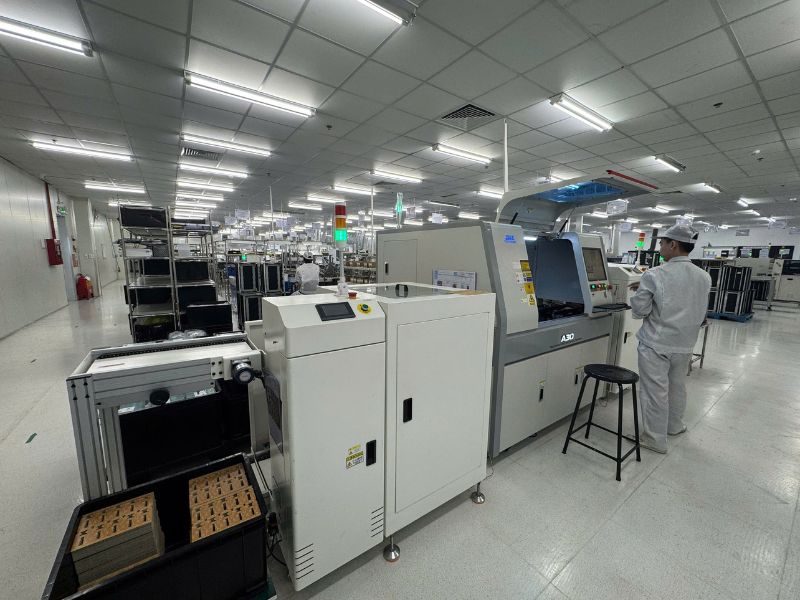
Contract electronics manufacturing refers to outsourcing the production of electronic products to a specialized third-party manufacturer. Instead of building and operating their own factory, OEMs partner with a CEM company that handles:
-
PCB assembly (SMT & THT)
-
Component sourcing
-
Box build assembly
-
Testing and quality control
-
Final packaging and logistics
In this model, the OEM retains ownership of the product design and intellectual property, while the contract manufacturer executes production according to agreed specifications.
This approach allows companies to focus on:
-
Product development
-
Branding and marketing
-
Distribution and sales
-
Customer support
Meanwhile, manufacturing operations are handled by experts with established infrastructure, trained personnel, and quality systems.
>>>Read more: Prototype PCBA Manufacturing: From Concept to First Working Board
Contract Electronics Manufacturing vs. EMS: What’s the Difference?
The terms “contract electronics manufacturing” and “electronics manufacturing services (EMS)” are often used interchangeably. However, there are subtle distinctions in how they’re positioned in the market.
-
Contract Electronics Manufacturing (CEM) typically refers to the core outsourcing relationship for electronics production.
-
EMS (Electronics Manufacturing Services) is broader and may include additional services such as design support, engineering validation, and lifecycle management.
In practice, most modern CEM providers operate as full-service EMS companies—offering turnkey solutions from component sourcing to final product delivery.
For US companies evaluating suppliers, the key question isn’t terminology. It’s capability. Can the partner support your product from prototype to mass production while maintaining quality, traceability, and compliance?
Why US Companies Outsource Contract Electronics Manufacturing
Cost Efficiency Without Compromising Quality
Building an in-house electronics manufacturing facility requires:
-
SMT production lines
-
Skilled technicians and engineers
-
Quality inspection systems
-
Inventory management infrastructure
Outsourcing eliminates major capital expenditure while converting fixed costs into variable production costs.
Experienced contract manufacturers benefit from economies of scale in component sourcing and operational efficiency—advantages that are difficult for smaller OEMs to replicate internally.
Access to Advanced Manufacturing Technology
Electronics manufacturing is capital-intensive and technology-driven. High-speed SMT lines, automated optical inspection (AOI), X-ray inspection, and functional testing equipment require continuous upgrades.
By partnering with a qualified CEM provider, US companies gain access to advanced equipment and process expertise without ongoing reinvestment.
Faster Time to Market
Speed matters—especially in competitive markets such as IoT, industrial automation, and consumer electronics.
Established contract manufacturers have:
-
Mature supplier networks
-
Experienced engineering teams
-
Proven production workflows
This reduces onboarding time and shortens production ramp-up cycles, helping OEMs launch products faster.
Focus on Core Competencies
Most product companies are not manufacturing specialists. Their strengths lie in innovation, user experience, and market expansion.
Contract electronics manufacturing enables leadership teams to focus on growth, while manufacturing operations are managed by professionals dedicated to process control and efficiency.
Why Vietnam Is a Strategic Location for Contract Electronics Manufacturing
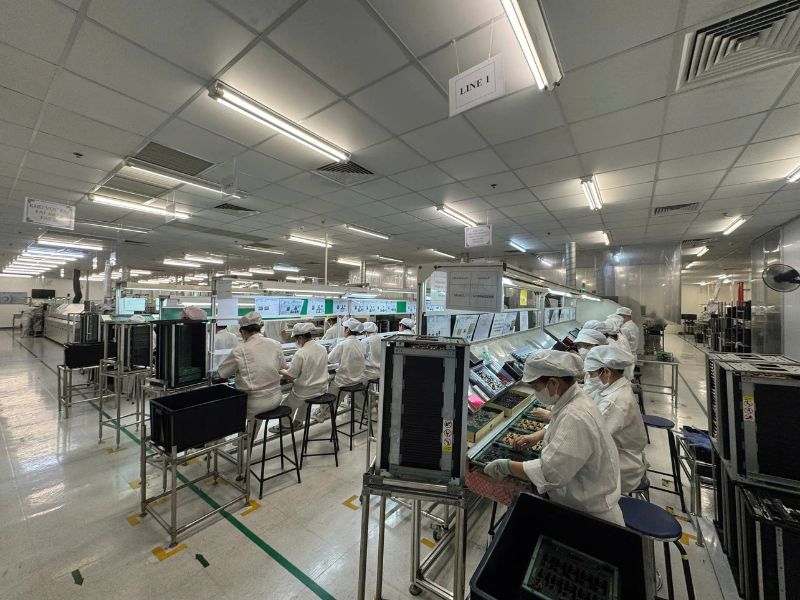
Over the past decade, Vietnam has emerged as one of the most attractive alternatives to traditional manufacturing hubs.
Several factors make Vietnam particularly appealing to US companies:
Competitive Production Costs
Labor costs remain competitive compared to China and Mexico, while skill levels in electronics assembly have steadily improved.
China +1 Supply Chain Strategy
Many US companies are implementing a “China +1” strategy to diversify manufacturing risk. Vietnam offers geographic proximity to major Asian component suppliers while reducing dependency on a single country.
Growing Electronics Ecosystem
Vietnam’s electronics sector has expanded rapidly, supported by government investment, international manufacturers, and infrastructure development.
Trade Advantages
Vietnam maintains strong trade relationships with the United States, supporting smoother export processes for electronics products.
For US OEMs seeking cost control, supply chain resilience, and long-term scalability, Vietnam presents a compelling option.
What Services Are Included in Contract Electronics Manufacturing?
While capabilities vary by provider, a comprehensive CEM partner typically offers:
PCB Assembly (SMT & THT)
Surface Mount Technology (SMT) enables high-speed automated component placement for modern electronics. Through-Hole Technology (THT) supports components requiring mechanical strength.
A qualified manufacturer should support:
-
Multi-layer PCBs
-
Fine-pitch components
-
BGA assembly
-
Mixed-technology boards
Component Sourcing & Supply Chain Management
Reliable sourcing is critical. Experienced manufacturers maintain vetted supplier networks and implement strict incoming inspection processes.
Effective supply chain management reduces:
-
Component shortages
-
Counterfeit risk
-
Production delays
Box Build Assembly
Beyond PCB assembly, many OEMs require full product integration, including:
-
Enclosure assembly
-
Cable harness integration
-
Mechanical sub-assembly
-
Final product configuration
This “box build” capability streamlines logistics and reduces the need for multiple vendors.
Testing & Quality Control
Quality assurance is fundamental in electronics manufacturing. Robust CEM partners implement:
-
AOI (Automated Optical Inspection)
-
In-Circuit Testing (ICT)
-
Functional Testing
-
Burn-in testing when required
-
Traceability systems
Certifications such as ISO 9001 and compliance with IPC standards signal structured quality management processes.
Packaging & Logistics
Full-service manufacturers can also manage export packaging and coordinate international shipping—simplifying the supply chain for US clients.
Industries That Rely on Contract Electronics Manufacturing
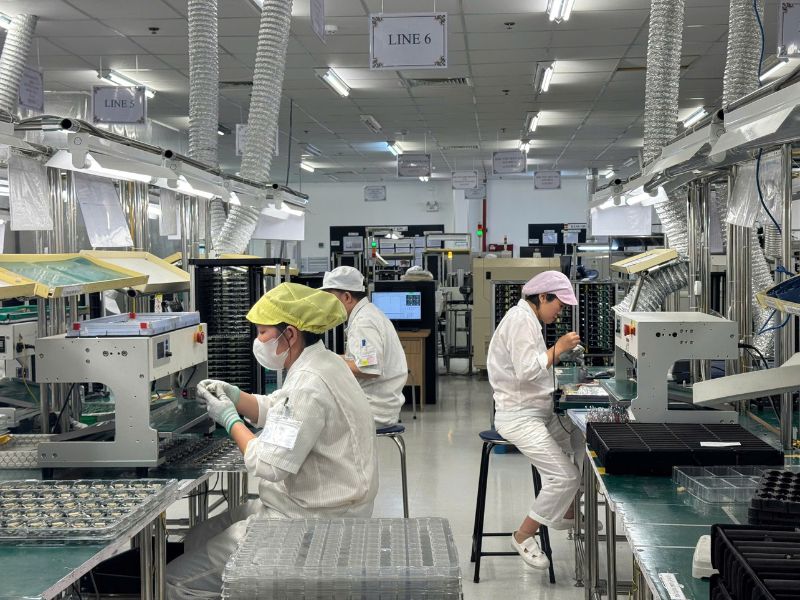
Contract electronics manufacturing supports a wide range of industries, including:
-
Industrial automation and control systems
-
Medical devices (non-invasive electronics)
-
IoT and smart devices
-
Consumer electronics
-
Automotive electronics (non-safety-critical systems)
Each sector requires different compliance standards, traceability systems, and quality documentation. Selecting a partner with relevant industry experience is essential.
How to Choose the Right Contract Electronics Manufacturing Partner
Choosing a CEM provider is a strategic decision. Beyond pricing, US companies should evaluate:
Certifications & Standards
-
ISO 9001 quality management
-
IPC-A-610 workmanship standards
-
RoHS compliance
-
UL-related assembly familiarity (if applicable)
Engineering Support
A capable partner offers Design for Manufacturability (DFM) feedback to optimize production efficiency and reduce defects before mass production begins.
Communication & Project Management
Clear English communication, structured reporting, and transparent timelines are critical for cross-border collaboration.
Production Flexibility
Can the manufacturer support:
-
Low-volume prototyping?
-
Pilot runs?
-
Medium- to high-volume production?
Scalability ensures long-term partnership potential.
Quality Culture
Beyond certifications, assess process discipline:
-
Document control systems
-
Traceability
-
Corrective and preventive action (CAPA) processes
Why Many US Companies Partner with SHDC in Vietnam
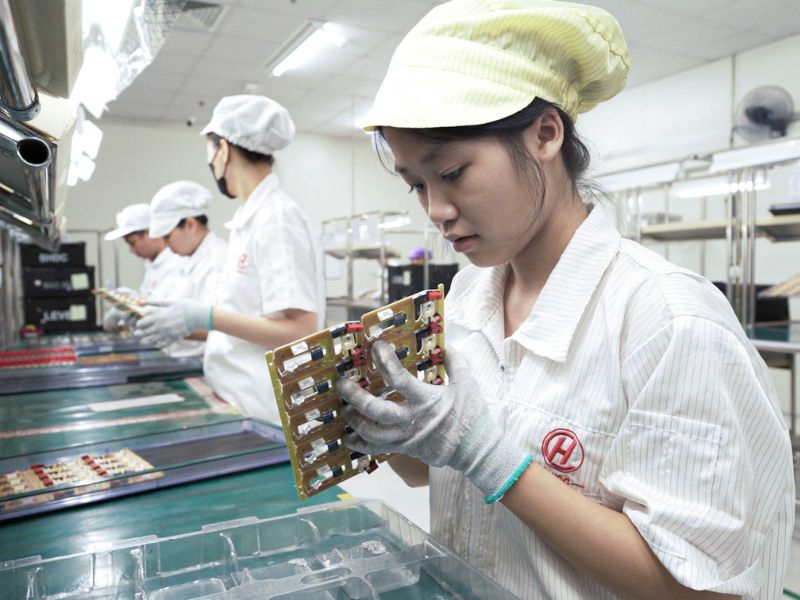
For US OEMs seeking a reliable contract electronics manufacturing partner in Vietnam, SHDC provides:
-
Modern SMT production lines
-
Experienced engineering support
-
Structured quality control systems
-
Flexible production volumes for startups and established brands
With experience supporting international clients, SHDC emphasizes transparent communication, process consistency, and long-term collaboration.
For companies exploring manufacturing diversification or launching new electronics products, working with a structured and responsive partner can significantly reduce operational risk.
>>>Read more: Profile’s SHDC Company
Frequently Asked Questions
What is the difference between OEM and contract manufacturing?
An OEM designs and owns the product. A contract manufacturer produces the product according to the OEM’s specifications.
Is Vietnam suitable for electronics manufacturing?
Yes. Vietnam offers competitive labor costs, a growing electronics ecosystem, and strong export capabilities—making it increasingly attractive to US companies.
How much does contract electronics manufacturing cost?
Costs vary based on:
-
Product complexity
-
Component pricing
-
Production volume
-
Testing requirements
A detailed bill of materials (BOM) and production forecast are necessary for accurate quotations.
Can contract manufacturers handle low-volume production?
Many modern CEM providers support low- to medium-volume production, particularly for startups and industrial electronics companies.
Final Thoughts
Contract electronics manufacturing is no longer just a cost-saving measure—it is a strategic decision that impacts product quality, supply chain resilience, and speed to market.
For US companies evaluating global manufacturing options, Vietnam has emerged as a strong contender. With the right partner, outsourcing electronics production can reduce risk, improve scalability, and support long-term growth.
If your organization is assessing new manufacturing partnerships or expanding production capacity, a structured evaluation of contract electronics manufacturing in Vietnam may be the next logical step.