Tiếng Việt
 日本語
日本語
For OEMs and product companies, choosing the right manufacturing location is no longer a simple cost decision. While many still search for PCB assembly services USA to ensure quality and proximity, the reality of modern electronics production is more complex. Domestic manufacturing offers speed and control—but offshore manufacturing provides scalability and cost efficiency that many companies cannot ignore. So the real question is not USA vs offshore. It’s when to choose each—and how to combine both effectively.
What OEMs Expect from PCB Assembly Services in the USA
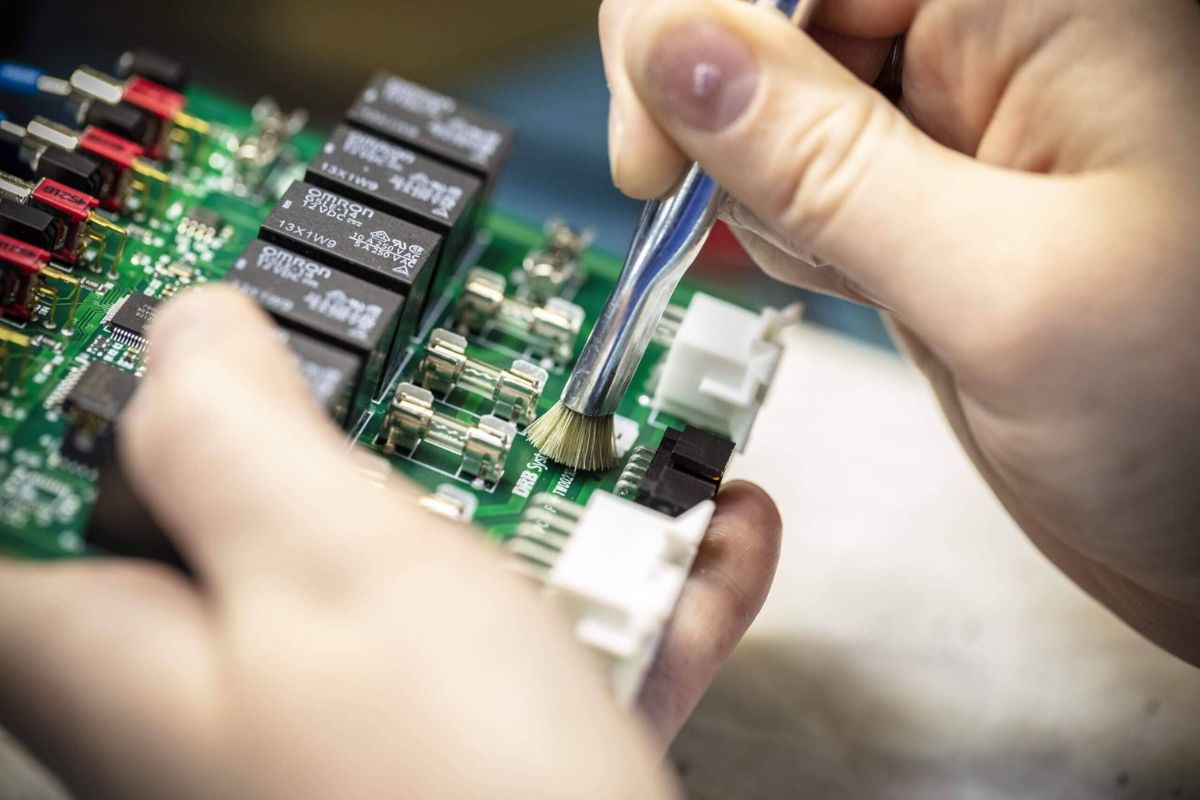
When companies look for PCB assembly services USA, they typically expect:
- High and consistent quality standards
- Faster communication with local teams
- Shorter logistics distances
- Stronger intellectual property protection
These expectations are valid. In many cases, domestic manufacturing delivers a smoother collaboration experience—especially during early product development.
However, expectations and real-world performance don’t always align, particularly when projects move beyond prototyping.
The Advantages of Domestic PCB Assembly in the USA
Domestic PCB assembly remains a strong option in specific scenarios.
- Faster turnaround for urgent builds: Local manufacturing can significantly reduce lead time for urgent prototypes or engineering validation builds.
- Easier communication and collaboration: Working within the same time zone simplifies coordination, especially for design revisions or troubleshooting.
- Regulatory and compliance alignment: For industries such as medical, aerospace, or defense, domestic production may be required to meet compliance standards.
- Ideal for prototyping and low-volume production: Small batch production benefits from close engineering collaboration and rapid iteration.
In these situations, pcb assembly services usa provide clear advantages.
>>>Read more: PCB Assembly Manufacturer: How to Choose the Right Partner
The Limitations of PCB Assembly Services in the USA
Despite these strengths, domestic manufacturing comes with trade-offs that become more visible as production scales.
- Higher labor and operational costs: Manufacturing in the U.S. typically involves higher labor, facility, and compliance costs. These costs are directly reflected in unit pricing.
- Limited scalability for high-volume production: Many domestic facilities are optimized for low-to-medium volume production. Scaling to large volumes can be challenging or cost-prohibitive.
- Global supply chain dependencies: Even when assembly is done in the U.S., most electronic components are sourced globally. This reduces the advantage of “fully domestic” production.
- Longer lead times for complex builds: For certain complex or high-mix projects, domestic suppliers may face capacity constraints, leading to longer production timelines.
Key takeaway: Domestic manufacturing offers control—but not always cost efficiency or scalability.
Domestic vs Offshore PCB Assembly: Key Differences
Understanding the differences between domestic and offshore manufacturing helps OEMs make better decisions.
Cost
- USA: Higher unit cost due to labor and overhead
- Offshore: Lower cost through optimized production and economies of scale
Lead Time
- USA: Faster for prototypes
- Offshore: Competitive for production when planned correctly
Production Capacity
- USA: Limited scalability in many cases
- Offshore: Built for high-volume manufacturing
Supply Chain Integration
- USA: Often still dependent on global sourcing
- Offshore: More integrated with component ecosystems
Offshore manufacturing is not simply a cheaper alternative—it is a different operational model designed for scale.
>>>Read more: Trusted Electronics Manufacturing Services Company for US OEMs
When to Choose PCB Assembly Services in the USA
There are clear cases where domestic manufacturing is the better option.
Choose pcb assembly services usa when:
- You are developing prototypes or early-stage products
- You need rapid turnaround for engineering validation
- Your product requires strict regulatory compliance
- Close collaboration with engineers is critical
In these scenarios, speed and proximity outweigh cost considerations.
When Offshore PCB Assembly Makes More Sense
As production moves beyond early stages, offshore manufacturing often becomes the more efficient choice.
Choose offshore when:
- You are scaling from prototype to mass production
- Cost optimization becomes a priority
- Your product requires medium to high production volumes
- You need a more flexible and scalable supply chain
For many OEMs, offshore manufacturing is not a replacement for domestic production—but a natural next step in the product lifecycle.
Why Many OEMs Are Moving to Offshore Manufacturing
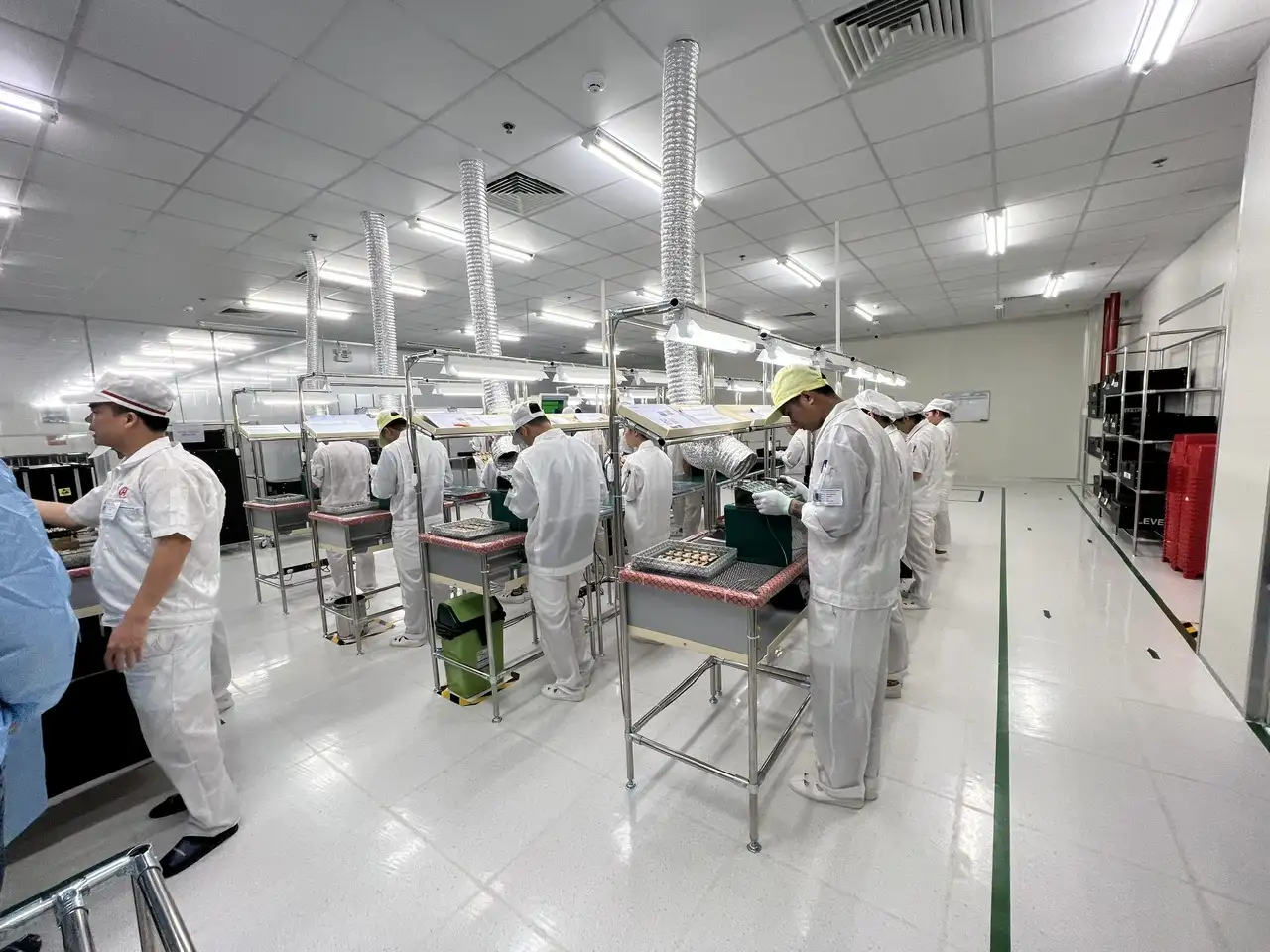
Global manufacturing strategies have shifted significantly in recent years.
Key drivers include:
- Increasing cost pressure in competitive markets
- The need for supply chain diversification
- Demand for scalable production capacity
- Global sourcing of electronic components
As a result, many companies adopt a hybrid model:
- Prototype domestically
- Scale production offshore
This approach balances speed, cost, and efficiency.
Offshore Doesn’t Mean Low Quality: What Matters Most
One of the biggest misconceptions about offshore manufacturing is that lower cost equals lower quality.
In reality, quality depends on execution—not geography.
Engineering capability: Strong DFM (Design for Manufacturability) support reduces defects and improves yield.
Process control: Stable SMT processes and quality control systems ensure consistent output.
Quality assurance systems: Inspection methods such as AOI, ICT, and functional testing are critical for reliability.
Communication and project management: Clear communication reduces errors and improves efficiency.
A well-managed offshore partner can match—or even exceed—domestic quality standards.
A Practical Example: From US-Based Prototyping to Offshore Production
A common production model among OEMs looks like this:
- Prototype developed using pcb assembly services usa
- Design validated and optimized
- Production scaled offshore
This approach allows companies to:
- Move quickly during development
- Control costs during mass production
- Maintain flexibility across the product lifecycle
In practice, this hybrid model often delivers the best overall results.
Choosing the Right Offshore Partner to Reduce Risk
Not all offshore manufacturers are the same. Selecting the right partner is critical to avoiding hidden costs and production issues.
Key factors to evaluate:
- Proven experience in EMS and PCBA
- Strong engineering support and DFM capability
- Transparent communication and project management
- Stable production processes and quality systems
The goal is not just to reduce cost—but to reduce risk.
>>>Read more: PCB Prototyping Services: How OEM Companies Evaluate Cost, Risk, and Scalability
How a Structured Manufacturing Approach Improves Cost and Efficiency
Cost efficiency in manufacturing is not achieved by price alone. It comes from how the entire production process is managed.
A structured approach includes:
- Early DFM analysis to prevent design-related issues
- Alignment between quotation, engineering, and production
- Process optimization to improve yield and reduce waste
- Continuous quality control throughout production
This approach minimizes unexpected costs and improves long-term efficiency.
A Manufacturing Approach Focused on Cost Efficiency and Scalable Production
Reducing total manufacturing cost is not simply about choosing a lower-cost location—it depends on how well engineering, process control, and production systems are integrated.
In practice, manufacturers that can align these elements early are able to prevent the hidden costs that typically appear during scaling: yield loss, rework, delays, and supply chain inefficiencies.
At SHDC, this integration is built into the production model from the beginning.
Engineering-Led Manufacturing to Prevent Downstream Costs
One of the most common sources of hidden cost in PCB assembly is the gap between design and manufacturability.
Rather than treating production as a downstream step, SHDC’s workflow emphasizes early engineering involvement, including:
- Design for Manufacturability (DFM) optimization
- Component selection aligned with supply chain stability
- Layout adjustments to improve SMT efficiency and yield
- Process planning before pilot and mass production
This approach reduces the likelihood of costly design revisions, rework, and production inefficiencies later in the lifecycle.
>>>Read more: SHDC – Reliable PCBA Assembly Vietnam for Global Electronics Brands
Scalable SMT and PCBA Capability for High-Volume Production
For OEMs transitioning from prototype to mass production, scalability is often where hidden costs emerge.
SHDC operates a production system designed for both flexibility and volume, including:
- 4 high-speed SMT lines with advanced placement systems
- 3 DIP lines for through-hole assembly
- Dedicated assembly, testing, and packaging lines
- Monthly SMT capacity reaching tens of millions of placement points
This infrastructure enables stable production scaling without the typical cost spikes associated with capacity constraints or process instability.
Process Control and Quality Systems That Protect Yield
Yield loss is one of the most underestimated cost drivers in electronics manufacturing outsourcing.
To address this, SHDC integrates multiple layers of inspection and control throughout the production process:
- Automated Optical Inspection (AOI) after SMT and assembly
- In-Circuit Testing (ICT) and Functional Testing (FCT)
- Visual inspection at multiple stages
- Final quality control before packaging
The full production flow—from incoming quality control (IQC) to outgoing quality control (OQC)—is structured to maintain consistency and minimize defects .
This level of process control directly reduces:
- Scrap rates
- Rework cycles
- Field failure risks
Data-Driven Production Management for Efficiency
Another major source of hidden cost is inefficiency in decision-making and process visibility.
SHDC’s production environment integrates systems such as:
- ERP, PLM, and SCM platforms
- MES/QMS for manufacturing execution and quality management
These systems enable:
- Real-time production tracking
- Faster decision-making
- Reduced defective inventory
- Improved overall operational efficiency
According to internal benchmarks, process system integration can reduce decision-making time and improve workflow efficiency significantly .
>>>Read more: High Volume PCB Assembly Services in Vietnam – Why Global Brands Choose SHDC
End-to-End EMS Capability from Assembly to Final Product
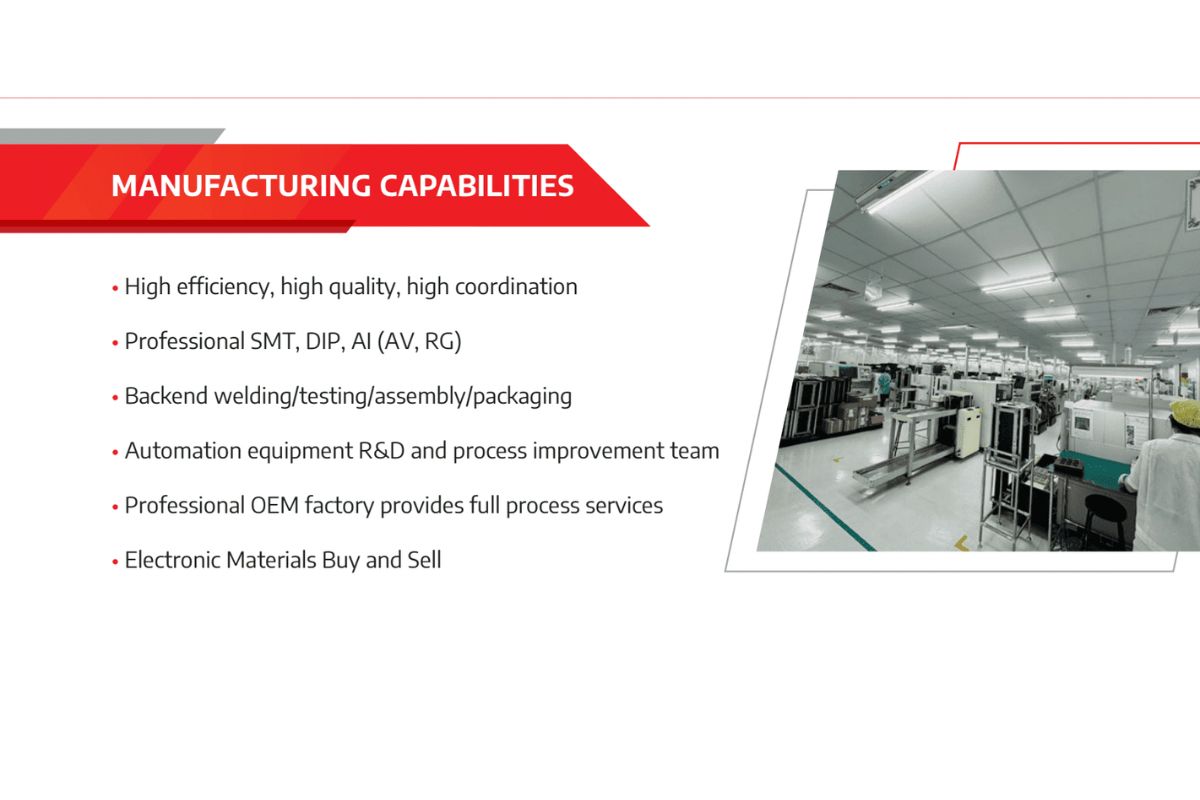
Beyond PCB assembly, SHDC provides a full EMS scope, including:
- SMT and DIP assembly
- Backend processes (soldering, testing)
- Final product assembly
- Packaging and logistics
This end-to-end capability reduces the need for multiple vendors—one of the most common sources of hidden cost in outsourced manufacturing.
A Practical Advantage for OEMs Scaling Production
For OEMs using pcb assembly services usa in early stages, the transition to offshore manufacturing often introduces uncertainty.
A structured EMS partner can reduce that risk by:
- Aligning engineering and production early
- Maintaining stable quality at scale
- Providing transparent communication throughout the process
- Supporting both low-volume and high-volume production
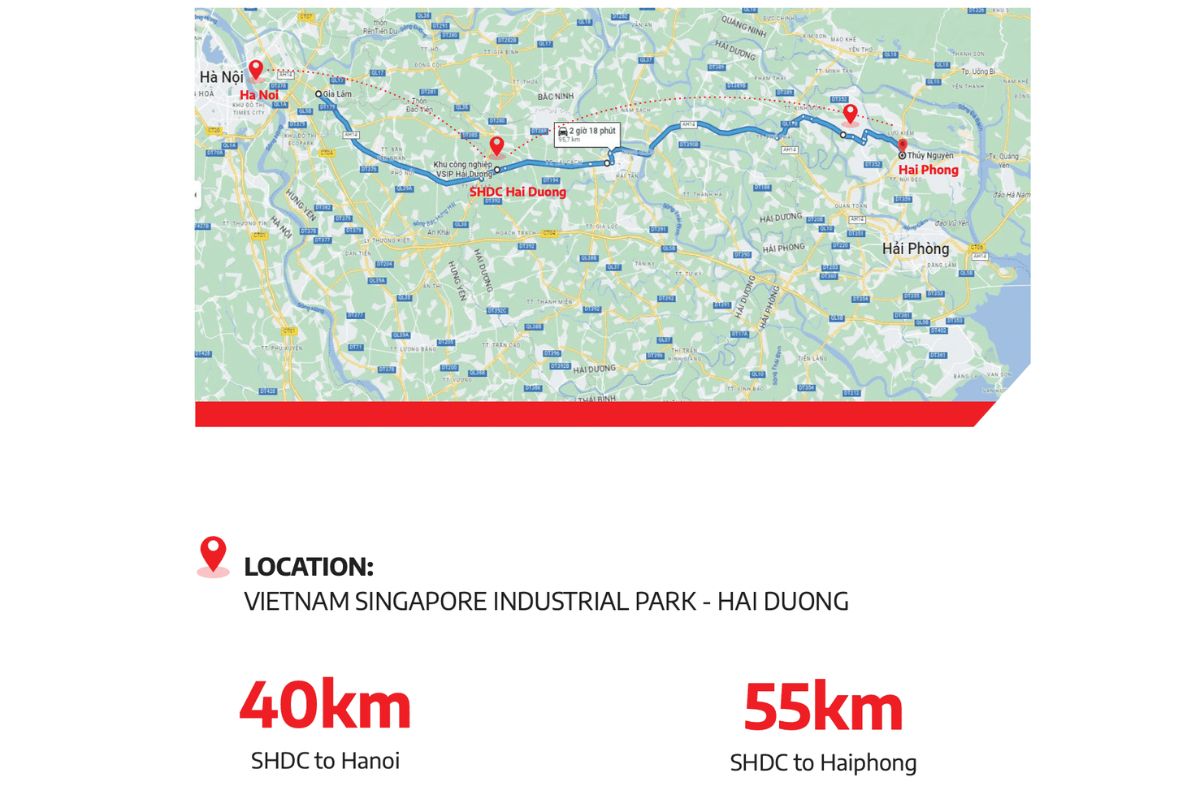
With a facility located in Vietnam’s key industrial zone and close proximity to major logistics hubs, SHDC is positioned to support global OEM supply chains efficiently .
FAQs
What are PCB assembly services in the USA?
They refer to PCB manufacturing and assembly services performed within the United States, typically focused on prototyping and low-volume production.
Is PCB assembly cheaper overseas?
In most cases, offshore PCB assembly offers lower unit costs, especially for medium to high-volume production.
When should I choose offshore manufacturing?
When scaling production, optimizing cost, or building a flexible supply chain, offshore manufacturing becomes a strong option.
Does offshore manufacturing reduce quality?
Not necessarily. Quality depends on the manufacturer’s engineering capability, process control, and quality systems.
How do OEMs manage domestic vs offshore production?
Many use a hybrid approach—developing prototypes domestically and scaling production offshore.
Final Thoughts
Choosing between domestic and offshore manufacturing is not about picking one over the other. PCB assembly services USA provide speed, control, and convenience—especially during early development. Offshore manufacturing offers cost efficiency, scalability, and supply chain flexibility. The most effective strategy is to understand when to use each—and how to integrate them into a cohesive production plan. For OEMs looking to stay competitive, the future is not domestic or offshore. It’s a combination of both, executed strategically.
>>>Read more: Electronics Manufacturing Outsourcing: Hidden Costs That Impact Your Total Cost