
 Tiếng Việt
 日本語
日本語
One of the most common surprises U.S. OEMs encounter when sourcing electronics manufacturing in Asia is the MOQ conversation — and it usually happens after the RFQ has already been sent. A procurement team that has spent weeks preparing a design package sends it to three EMS partners in Vietnam or China, and receives three completely different MOQ numbers with no explanation of why they differ. One says 500 units. Another says 5,000. A third says “no MOQ” — which, as this guide will explain, is almost never true.
Electronics manufacturing MOQ is not a fixed number. It is a function of product complexity, production stage, EMS business model, component sourcing structure, and — increasingly for U.S. buyers — the tariff environment that determines your landed cost. Understanding how MOQ works before you send an RFQ is the difference between a negotiation you control and a conversation where the factory holds all the leverage.
Here is a practical breakdown of electronics manufacturing MOQ — from prototype stage through mass production ramp — designed specifically for U.S. OEMs evaluating EMS partners in Asia.
What Is MOQ in Electronics Manufacturing?
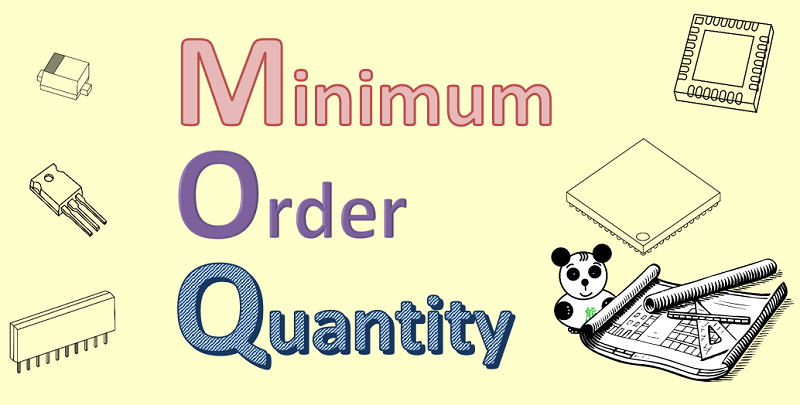
Before negotiating MOQ, U.S. OEMs need to understand what it actually represents in an EMS context — because electronics manufacturing MOQ is more nuanced than the simple “minimum units” definition that appears in most procurement glossaries.
MOQ Definition in an EMS Context
MOQ (Minimum Order Quantity) in electronics manufacturing is the minimum number of units that an EMS provider will produce in a single production run, given the fixed costs associated with setting up and running that production.
In a professional EMS environment, electronics manufacturing MOQ actually exists at two distinct levels — and both affect your program:
- Component MOQ: The minimum quantity a component supplier (distributor or manufacturer) will sell. A specific microcontroller may only be available in reels of 2,500 units, regardless of how many boards you want to build.
- Assembly MOQ: The minimum quantity your EMS partner will assemble in a single run, based on their fixed setup costs, line scheduling, and process economics.
These two numbers interact. An EMS partner may technically be willing to assemble 200 boards — but if a key component on your BOM is only available in reels of 1,000, the effective electronics manufacturing MOQ for your program becomes 1,000 units, whether you want it to be or not.
Why MOQ Exists: The Economics Behind the Number
The most pervasive myth in hardware development is that EMS providers set high MOQs because they prefer large customers. The reality is purely mechanical: electronics manufacturing MOQ exists because of setup cost amortization.
Every production run — regardless of volume — incurs fixed costs that must be spread across the order quantity:
| Fixed Cost Item | Typical Cost Range | MOQ Impact |
|---|---|---|
| SMT stencil fabrication | $150–$400 | Amortized across run |
| Feeder loading & machine programming | $200–$800 | Per production run |
| AOI program setup | $100–$300 | One-time per design |
| First-article inspection | $150–$500 | Per run |
| ICT fixture (if required) | $2,000–$8,000 | Amortized across NPI |
According to industry data, traditional SMT line setup — changing feeders, nozzles, and program parameters for a new PCB design — takes an average of 2–4 hours. If an EMS spends 3 hours setting up a line and runs only 50 units, they lose money on the run even at a significant price premium. This is not a policy decision; it is a mechanical reality of how SMT assembly processes work.
A good manufacturer will point out areas in your product design that can be adjusted to reduce setup complexity — and potentially lower your electronics manufacturing MOQ. The earlier these conversations happen, the easier it is to make adjustments before tooling is committed.
DFM vs. Standard Prototype Review: The MOQ Connection
There is a direct relationship between DFM quality and MOQ. A design that passes a thorough DFM for electronics manufacturing review before the first build requires less manual intervention on the production line — which reduces setup time, reduces the fixed cost per run, and gives the EMS partner more flexibility to accept lower MOQ. Designs with unresolved DFM issues require manual rework at every stage, which makes low-MOQ runs economically unviable.
Electronics Manufacturing MOQ by Production Stage
Electronics manufacturing MOQ is not a single number that applies to your entire program. It changes — significantly — at each stage of the product lifecycle. U.S. OEMs who understand this structure can plan their volume commitments strategically rather than being surprised at each transition.
Prototype Stage MOQ (1–50 Units)
Prototype builds typically do not have a rigid MOQ — but they have a minimum build cost. The distinction matters.
An EMS partner may be willing to build 5 prototype boards, but the minimum charge for that run may be $800–$2,000 regardless of quantity. This covers engineering time, stencil setup, component procurement at cut-tape pricing, and first-article inspection. The unit cost at prototype stage is typically 3–10× higher than production unit cost — this is normal and expected, not a red flag.
What U.S. OEMs need to know at prototype stage:
- Manual assembly is acceptable — automated pick-and-place is not required for 5–50 units, which reduces setup cost and MOQ threshold
- Component packaging matters — components ordered as cut tape (vs. tape-and-reel) incur additional fees; Mouser Electronics, for example, charges a $7.00 fee to create custom machine-ready reels from cut tape
- Quick-turn vs. standard timeline — quick-turn prototype PCBA manufacturing carries a premium but can compress lead time from 3–4 weeks to 5–7 business days
- NRE charges — stencil, fixture, and engineering costs are typically billed separately at prototype stage; clarify whether these are included in the unit price or itemized
Pilot Run MOQ (50–500 Units)
The pilot run (PVT stage in the NPI process) is where electronics manufacturing MOQ begins to have real commercial impact. Most EMS partners require 100–500 units for a pilot run.
Why pilot MOQ is higher than prototype:
- Production-intent processes are active — automated placement, reflow soldering, AOI, and ICT are all running, each with setup costs
- Yield data collection requires a statistically meaningful sample size — 50 units is not sufficient to establish process capability
- Full tooling is committed — ICT fixtures, FCT jigs, and AOI programs are all developed and validated at this stage
The most important MOQ issue at pilot stage is component excess ownership. If your pilot run requires 300 boards but the key IC on your BOM is only available in reels of 1,000 units, your EMS partner must purchase 1,000 units. The 700 excess units represent inventory that someone must own and pay for. Clarify this upfront: does excess component inventory belong to the OEM or the EMS? How is it priced? Is it held for future runs?
Mass Production MOQ (1,000+ Units)
Mass production electronics manufacturing MOQ typically starts at 1,000–5,000 units per run, depending on EMS partner scale and product complexity.
At this stage, MOQ is the entry point to the pricing tier structure. Understanding MOQ at MP stage means understanding the volume discount curve:
| Volume Tier | Typical MOQ | Unit Cost vs. Prototype |
|---|---|---|
| Prototype | 1–50 units | Baseline (highest) |
| Pilot run | 50–500 units | 30–50% lower |
| Low-volume MP | 500–5,000 units | 50–70% lower |
| High-volume MP | 5,000–50,000 units | 70–85% lower |
| Strategic volume | 50,000+ units | 85%+ lower |
For high-volume PCB assembly, the MOQ per run becomes less relevant than the annual volume commitment — EMS partners will often accept lower per-run MOQ if the OEM commits to a minimum annual purchase volume through a blanket order structure.
Factors That Determine Electronics Manufacturing MOQ

Five variables determine the electronics manufacturing MOQ that an EMS partner will quote. Understanding each one gives U.S. OEMs the leverage to influence the number before the RFQ is sent.
Factor 1 — Product Complexity
The more complex the product, the higher the electronics manufacturing MOQ — because setup costs scale with complexity.
Key complexity drivers:
- BOM size: A product with 500+ components requires more feeder positions, longer setup time, and more complex AOI programming than a 50-component board. Managing and organizing all these components requires significant time on the manufacturer’s behalf — time that must be amortized across the order quantity.
- Fine-pitch and BGA components: Specialized feeder setup, stencil aperture design, and X-ray inspection requirements add fixed costs that push MOQ higher
- Mixed SMT + through-hole: Dual-side assembly with wave or selective soldering requires two separate production passes — effectively doubling setup cost per run
- Custom components: Custom-wound transformers, custom magnetics, and specialty mechanical parts often carry their own supplier MOQ that is independent of the assembly MOQ
Factor 2 — EMS Partner Business Model
Not all EMS providers structure electronics manufacturing MOQ the same way — and the difference often comes down to their target market and facility configuration.
- Turnkey vs. consignment: In a turnkey PCB assembly model, the EMS partner purchases all components — taking on procurement risk that justifies a higher MOQ. In a consignment model (OEM supplies components), the EMS partner’s risk is lower and MOQ can be more flexible.
- Facility scale: Large EMS providers with high-speed lines optimized for 10,000+ unit runs need higher MOQ to justify line changeover time. Smaller EMS providers with flexible, mixed-use lines can accommodate lower MOQ without dedicating a full production line.
- Target market positioning: EMS providers targeting prototype and NPI programs have lower MOQ by design; those targeting high-volume production have higher MOQ as a deliberate qualification filter.
When evaluating EMS partners, ask directly: “What is your minimum build quantity for SMT assembly, and what is the minimum build cost?” These are two different numbers — and both matter.
Factor 3 — Component Sourcing and Lead Time
Component availability is one of the most underestimated drivers of electronics manufacturing MOQ — and one of the most important to address before sending an RFQ.
- Distributor MOQ: Standard components from Digi-Key, Mouser, and Arrow typically have low or no MOQ at the component level. Components ordered direct from manufacturer typically have MOQ of 1,000–10,000 units.
- Tape-and-reel vs. cut-tape: Pick-and-place machines are fed by components on continuous tape wound into reels. Breaking a reel to fulfill a small order incurs fees and manual labor — costs that get passed to the OEM through higher unit price or higher MOQ requirements.
- Long-lead components: Components with 20+ week lead times must be ordered before the production run is confirmed. If the manufacturer’s MOQ is 5,000 units, your program’s effective electronics manufacturing MOQ is 5,000 — regardless of what the EMS partner’s assembly MOQ is.
- EOL components: End-of-life components are often only available in large quantities from broker markets at unpredictable MOQ and pricing. A thorough electronics supply chain review at design stage identifies these risks before they become production crises.
Factor 4 — Testing Requirements
The amount and type of testing required directly influences electronics manufacturing MOQ — a factor that many U.S. OEMs overlook when structuring their RFQ.
- AOI-only inspection: Lowest test infrastructure cost — AOI program setup is a one-time cost that amortizes quickly, minimal MOQ impact
- ICT (In-Circuit Test): ICT fixture development costs $2,000–$8,000 and takes 4–8 weeks. This fixed cost must be amortized across the production volume — at low MOQ, the per-unit ICT cost becomes prohibitive. See in-circuit testing (ICT) for a detailed breakdown of ICT economics.
- FCT (Functional Test): Custom FCT jig development adds further fixed cost — similar amortization dynamics to ICT
- X-ray inspection: Required for BGA and QFN hidden solder joints — adds per-unit cost but minimal MOQ impact
Factor 5 — Geographic Location and Tariff Environment
For U.S. OEMs, the geographic location of the EMS partner now has a direct and significant impact on the effective electronics manufacturing MOQ — because tariffs change the landed cost calculation.
- China-based EMS: Historically offered the lowest MOQ due to scale and component ecosystem density. Post-2025, 145% U.S. tariffs on Chinese electronics manufacturing have fundamentally changed the landed cost equation. A China EMS with a lower unit price and lower MOQ may deliver a higher landed cost than a Vietnam EMS with a slightly higher unit price and comparable MOQ.
- Vietnam-based EMS: Significantly lower tariff exposure. U.S. OEMs sourcing from Vietnam can accept a somewhat higher MOQ than China and still achieve a lower total landed cost when tariffs are factored in. See why Vietnam is the top choice for electronics manufacturing in 2026 for a full tariff impact analysis.
- Domestic U.S. assembly: Lowest MOQ (often 25–100 units) but unit cost 40–70% higher than Asia-based EMS — viable for ultra-low volume or highly regulated programs only.
Low MOQ Electronics Manufacturing: What’s Actually Possible
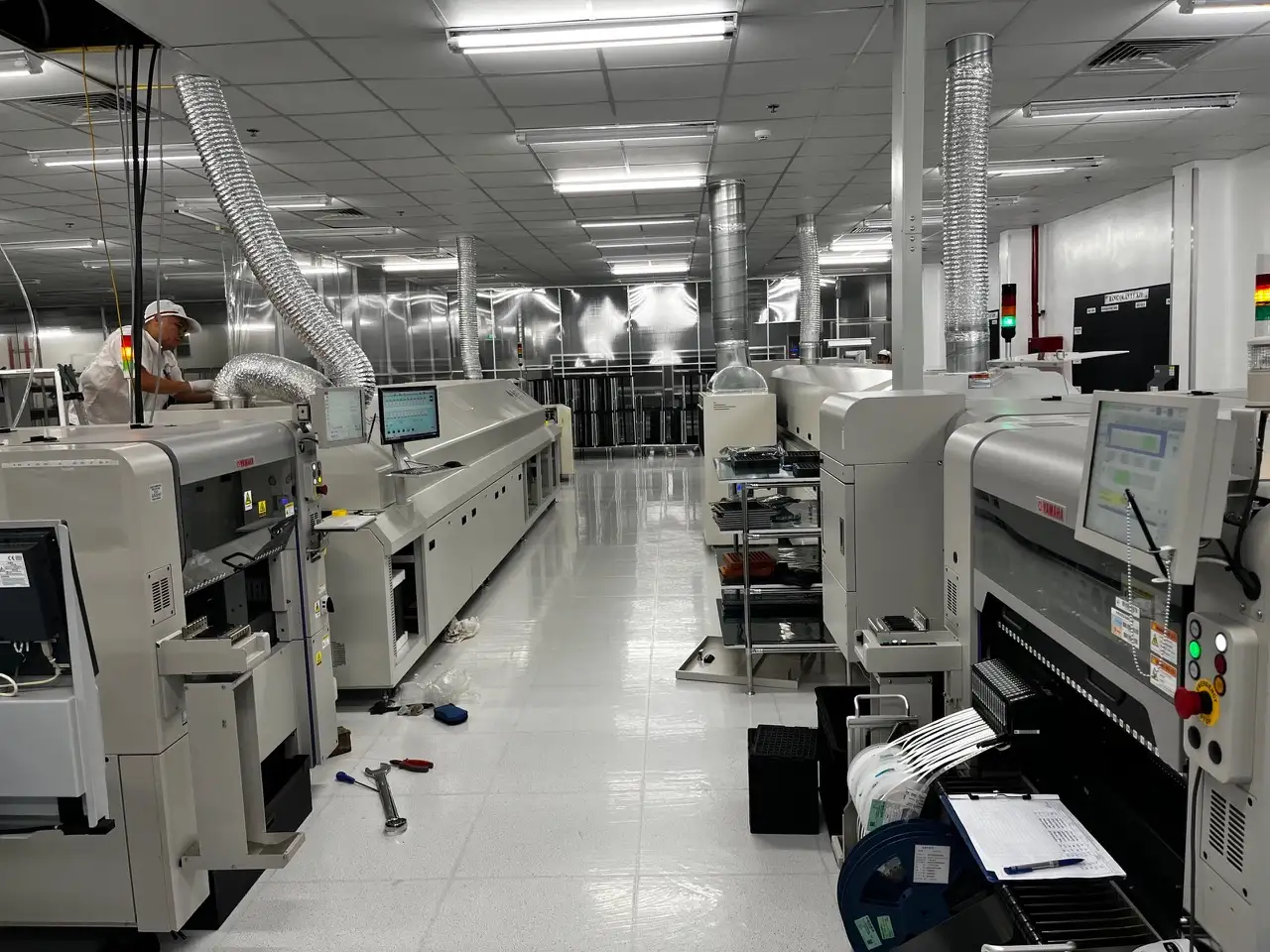
“Low MOQ” is one of the most misused phrases in electronics manufacturing marketing. Here is what it actually means — and what to watch for.
What “Low MOQ” Really Means in EMS
“Low MOQ” is a relative term. 100 units is low MOQ for a large EMS optimized for 50,000-unit runs. It is the standard minimum for a mid-size EMS focused on NPI programs. And it is high MOQ for a prototype house that regularly builds 5–10 units.
The critical distinction is between low MOQ and no MOQ:
- No EMS provider has zero MOQ — what they have is a minimum build cost, not a minimum unit quantity. An EMS that claims “no MOQ” is either building the minimum build cost into an inflated unit price, charging undisclosed NRE fees, or cutting corners on setup and inspection to make small runs economically viable.
- Red flags for “no MOQ” claims: no transparent NRE structure, unit price significantly above market rate, no first-article inspection process, no AOI on small runs.
How EMS Partners Enable Low MOQ Without Sacrificing Quality
Professional EMS providers use several structural mechanisms to enable lower electronics manufacturing MOQ while maintaining production quality:
- Blanket order / Kanban structure: The OEM commits to an annual volume (e.g., 5,000 units/year), and the EMS releases production in smaller batches (e.g., 500 units/month). The per-run MOQ drops significantly because the annual commitment provides the economic foundation the EMS needs.
- Component buffering: EMS partners that stock common components in bulk can offer lower assembly MOQ because they are not breaking reels for every small run. SHDC’s turnkey model includes component pre-stocking for repeat customers.
- Shared stencil programs: For standard board sizes, stencil costs can be shared across multiple customers — reducing the fixed cost per run and enabling lower MOQ.
- Flexible line scheduling: Smaller EMS providers with mixed-use lines can schedule low-MOQ runs during line changeover windows — a scheduling flexibility that large, high-volume EMS facilities cannot offer.
“Design for Low MOQ” (DFLM): Engineering Your Way Out of Minimums
MOQ is not just a procurement negotiation — it is an engineering choice. Hardware founders who apply Design for Low MOQ (DFLM) principles during the design phase can organically reduce their electronics manufacturing MOQ before the first RFQ is sent:
- Standardize BOM with “jellybean” parts: Highly available, standardized components (common resistor/capacitor values, standard IC packages) are stocked in bulk by distributors and EMS partners — eliminating the tape-and-reel breaking problem entirely.
- Avoid single-source components: Components available from only one manufacturer create MOQ risk. If that manufacturer’s reel MOQ is 5,000 units, your program MOQ is 5,000 units. Qualifying alternates at design stage eliminates this constraint.
- Reversible PCB design: Engineering the same board to serve multiple functions doubles your effective order volume for a single design — cutting NRE tooling costs in half and helping hit the EMS’s minimum threshold faster.
For low volume PCB assembly programs, applying DFLM principles at the design stage is the single most effective way to reduce electronics manufacturing MOQ without negotiating against the EMS partner’s cost structure.
MOQ vs. NRE vs. Unit Price: Understanding the Full Cost Structure
U.S. OEMs who optimize for the lowest electronics manufacturing MOQ without understanding the full cost structure frequently end up paying more per unit than if they had accepted a higher MOQ with a lower unit price. Here is how the three components interact.
The Three-Part Cost Structure of Electronics Manufacturing
Every electronics manufacturing program has three distinct cost components — and electronics manufacturing MOQ is the variable that determines how each one is calculated:
| Cost Component | One-Time or Recurring | MOQ Impact | Negotiable? |
|---|---|---|---|
| NRE (stencil, fixtures, engineering) | One-time | Amortized over MOQ | Yes — can be itemized separately |
| Component cost | Recurring | Decreases with volume | Yes — volume pricing tiers |
| Assembly labor + overhead | Recurring | Decreases with volume | Limited |
| Test & inspection | Recurring | Fixed per unit | Limited |
NRE (Non-Recurring Engineering) covers all one-time costs: DFM review, stencil fabrication, ICT fixture development, FCT jig, AOI programming, and first-article inspection. At low MOQ, NRE per unit is high. At high MOQ, NRE per unit approaches zero. This is why unit price drops dramatically as volume increases — it is not that assembly labor gets cheaper, it is that NRE is being spread across more units.
Total Cost of Ownership: MOQ Is Not the Only Number
The most common U.S. OEM mistake in electronics manufacturing MOQ negotiations is optimizing for the lowest MOQ without calculating total cost of ownership (TCO).
Consider two scenarios for a 2,000-unit annual program:
Scenario A — Low MOQ, high unit price:
- MOQ: 200 units/run × 10 runs/year
- Unit price: $45.00
- NRE per run: $800 × 10 = $8,000/year
- Annual cost: (2,000 × $45) + $8,000 = $98,000
Scenario B — Higher MOQ, lower unit price:
- MOQ: 500 units/run × 4 runs/year
- Unit price: $38.00
- NRE per run: $800 × 4 = $3,200/year
- Annual cost: (2,000 × $38) + $3,200 = $79,200
Scenario B has a 2.5× higher MOQ per run — but saves $18,800/year on the same annual volume. Understanding this math before the RFQ is sent is what separates strategic procurement from reactive purchasing.
For a full breakdown of PCB assembly cost components and how to compare quotes across EMS partners, see SHDC’s guide to electronics manufacturing cost in Vietnam.
Tariff Impact on MOQ Decisions for U.S. OEMs
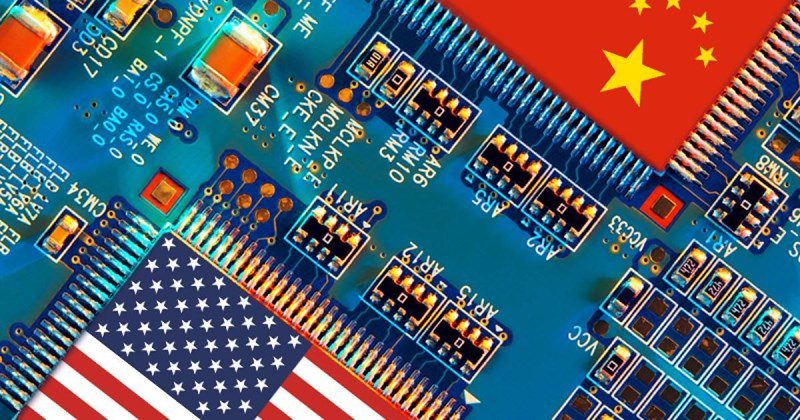
The post-2025 tariff landscape has fundamentally changed the electronics manufacturing MOQ calculus for U.S. buyers.
With 145% tariffs on Chinese electronics manufacturing, a China EMS with a lower unit price and lower MOQ may deliver a significantly higher landed cost than a Vietnam EMS with comparable MOQ:
| Cost Factor | China EMS | Vietnam EMS |
|---|---|---|
| Unit price (example) | $32.00 | $35.00 |
| U.S. import tariff | 145% → +$46.40 | ~10–20% → +$3.50–$7.00 |
| Landed cost | $78.40 | $38.50–$42.00 |
| MOQ | 500 units | 500 units |
At equivalent MOQ, Vietnam EMS delivers 46–51% lower landed cost in this scenario. For U.S. OEMs evaluating a China alternative, the tariff impact on landed cost now outweighs the MOQ advantage that China EMS historically offered.
How to Structure Your RFQ to Get the Best MOQ Terms
The way a U.S. OEM structures their RFQ directly determines the electronics manufacturing MOQ they receive. Most OEMs send incomplete RFQs that force EMS partners to quote conservatively — which means higher MOQ and higher unit price as a risk buffer.
What to Include in Your RFQ for MOQ Clarity
A complete RFQ that enables an EMS partner to quote accurately on electronics manufacturing MOQ includes:
- Annual volume forecast — not just per-run quantity; annual volume is the number that determines pricing tier and MOQ flexibility
- Prototype + pilot + MP quantities separated — each stage has different MOQ economics; bundling them forces the EMS to quote the most conservative number
- Preferred delivery schedule — monthly, quarterly, or annual; a monthly release schedule with annual commitment enables blanket order structure
- Component supply model — turnkey (EMS buys components), consignment (OEM supplies), or partial consignment; each has different MOQ implications
- IPC class requirement — Class 2 vs. Class 3 affects inspection requirements and per-unit cost
- Test requirements — AOI only, ICT, FCT, or combination; ICT fixture cost significantly affects MOQ economics
- Target unit price range — helps EMS partner structure MOQ to hit your price target rather than quoting their default minimum
Questions to Ask Your EMS Partner About MOQ
Before accepting an electronics manufacturing MOQ quote, ask these questions directly:
- What is your minimum build quantity for SMT assembly?
- Is there a minimum build cost rather than a minimum unit quantity?
- How do you handle excess components after a run — who owns them?
- Can we structure a blanket order with scheduled monthly or quarterly releases?
- What is the MOQ impact of adding ICT vs. AOI-only inspection?
- How does MOQ change from prototype to pilot to mass production?
- Are NRE costs itemized separately or included in unit price?
- What component packaging formats do you accept, and what are the cut-tape fees?
These questions signal to the EMS partner that you understand the cost structure — which typically results in more transparent, competitive MOQ terms.
Red Flags in MOQ Conversations With EMS Partners
Watch for these warning signs when evaluating electronics manufacturing MOQ quotes:
- MOQ stated without cost structure explanation — a professional EMS partner can explain exactly why their MOQ is what it is; if they cannot, they are guessing
- “No MOQ” claims without transparent NRE structure — the cost exists somewhere; find out where before signing
- No flexibility between prototype and production MOQ — a legitimate EMS partner has different MOQ tiers for different production stages
- Component excess cost not disclosed upfront — this is a common source of unexpected charges on first production runs
- MOQ that doesn’t align with stated production capacity — an EMS claiming 50M units/year capacity with a 10,000-unit minimum MOQ is inconsistent; ask for clarification
For a comprehensive EMS partner evaluation framework, see electronics supplier due diligence and electronics factory audit checklist.
Electronics Manufacturing MOQ at SHDC: Flexible From Prototype to Mass Production
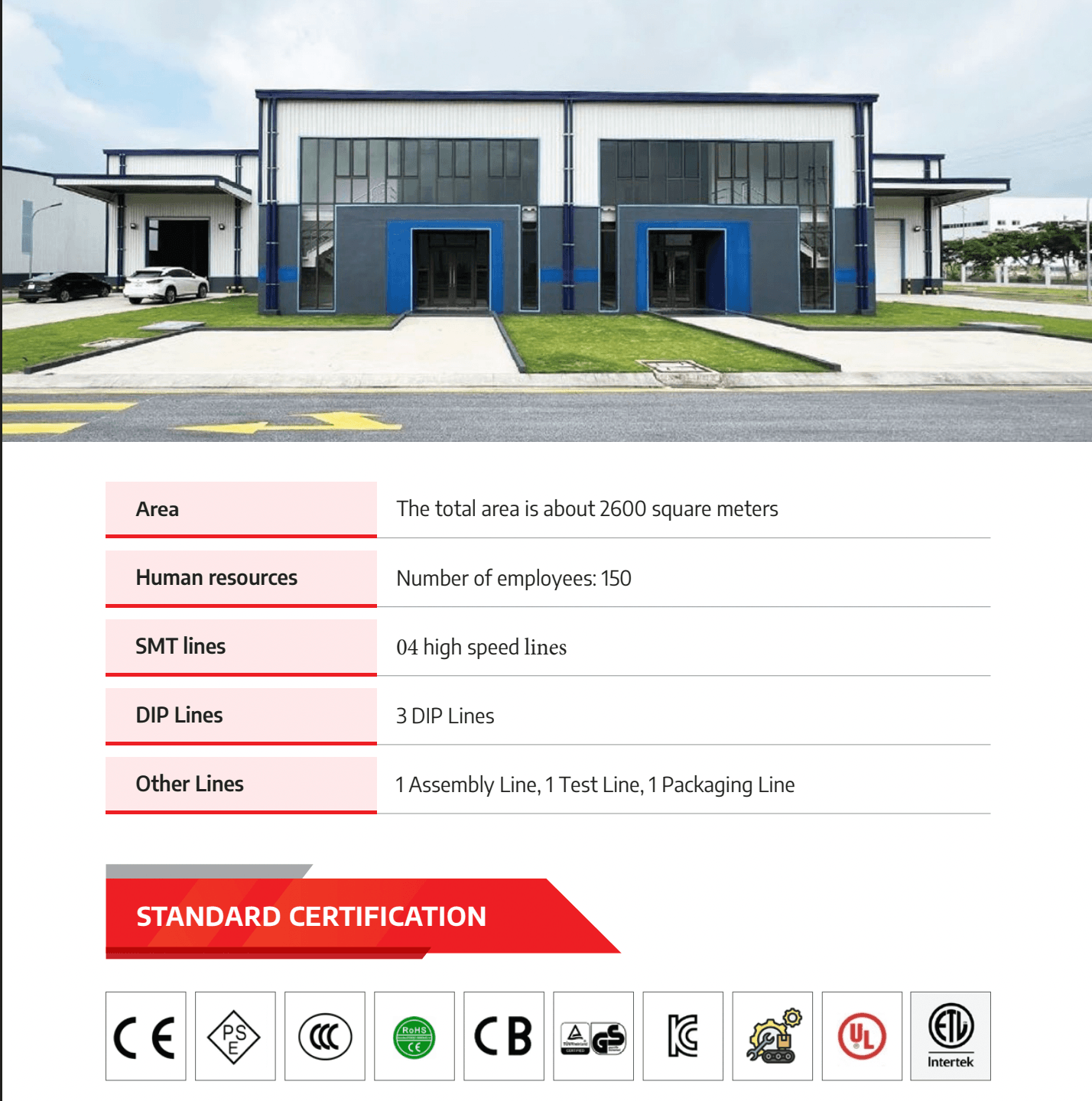
SHDC Electronics is a full-service EMS provider located at the Vietnam Singapore Industrial Park — Hai Duong (VSIP Hai Duong), 40km from Hanoi and 55km from Haiphong Port. With a 2,600 m² facility, 150 employees, and a dedicated NPI Engineering Department, SHDC structures electronics manufacturing MOQ to support U.S. OEMs at every stage — from first prototype through sustained mass production.
SHDC’s MOQ Structure by Production Stage
| Stage | SHDC MOQ | Key Features |
|---|---|---|
| Prototype (EVT) | From 5 units | Dedicated NPI engineering, no minimum build quantity penalty |
| Pilot run (PVT) | 100–500 units | Full production-intent processes, yield tracking by step |
| Low-volume MP | From 500 units | Blanket order available, monthly release scheduling |
| Mass production | From 1,000 units/run | Scalable to 50M units/year with Phase 2 expansion |
How SHDC Minimizes MOQ Impact for U.S. OEMs

Transparent NRE structure: All one-time costs — stencil, fixtures, DFM review, AOI programming — are itemized separately from unit price. U.S. OEMs know exactly what they are paying for and can make informed MOQ decisions based on real cost data.
Component buffering: Common components are pre-stocked to enable smaller assembly runs without the tape-and-reel breaking problem. For repeat customers, SHDC holds agreed safety stock levels to support flexible release scheduling.
Blanket order structure: Annual volume commitment with flexible monthly or quarterly release schedule — reducing per-run MOQ while providing the economic foundation that makes competitive unit pricing possible.
Yamaha Smart Factory integration: SHDC’s SMT assembly process runs on Yamaha YSM20R and YSM10 placement systems with S-Tool PC and P-Tool PC for process simulation before the first build. This means setup time — the primary driver of electronics manufacturing MOQ — is minimized through digital pre-production validation. The same equipment used for prototype builds is the production equipment, ensuring yield data from NPI is directly predictive of mass production performance.
Vietnam tariff advantage: For U.S. OEMs, SHDC’s Vietnam location delivers significantly lower landed cost vs. China EMS at comparable MOQ — a structural advantage that compounds over the lifetime of a program. See 10 reasons to choose contract electronics manufacturing in Vietnam for a full analysis.
Proven Across Product Categories
SHDC has managed electronics manufacturing MOQ programs across a full range of product types — from 5-unit GaN power electronics prototypes through 50,000-unit mass production runs for industrial and consumer electronics. Key programs include:
- GaN fast chargers (65W–150W): GaN charger manufacturing in Vietnam — high-density, thermally demanding designs with low prototype MOQ and scalable MP ramp
- Automotive PCBA — Thaco: Automotive PCBA Vietnam — PPAP-level documentation, controlled MOQ ramp with full traceability from prototype
- Medical device electronics: Medical device electronics manufacturing Vietnam — ISO 13485-aligned processes, DHR-compatible build records from first prototype build
- Industrial electronics: Industrial electronics manufacturing in Vietnam — flexible MOQ structure for low-to-mid volume industrial programs
Phase 2 Expansion — March 2027
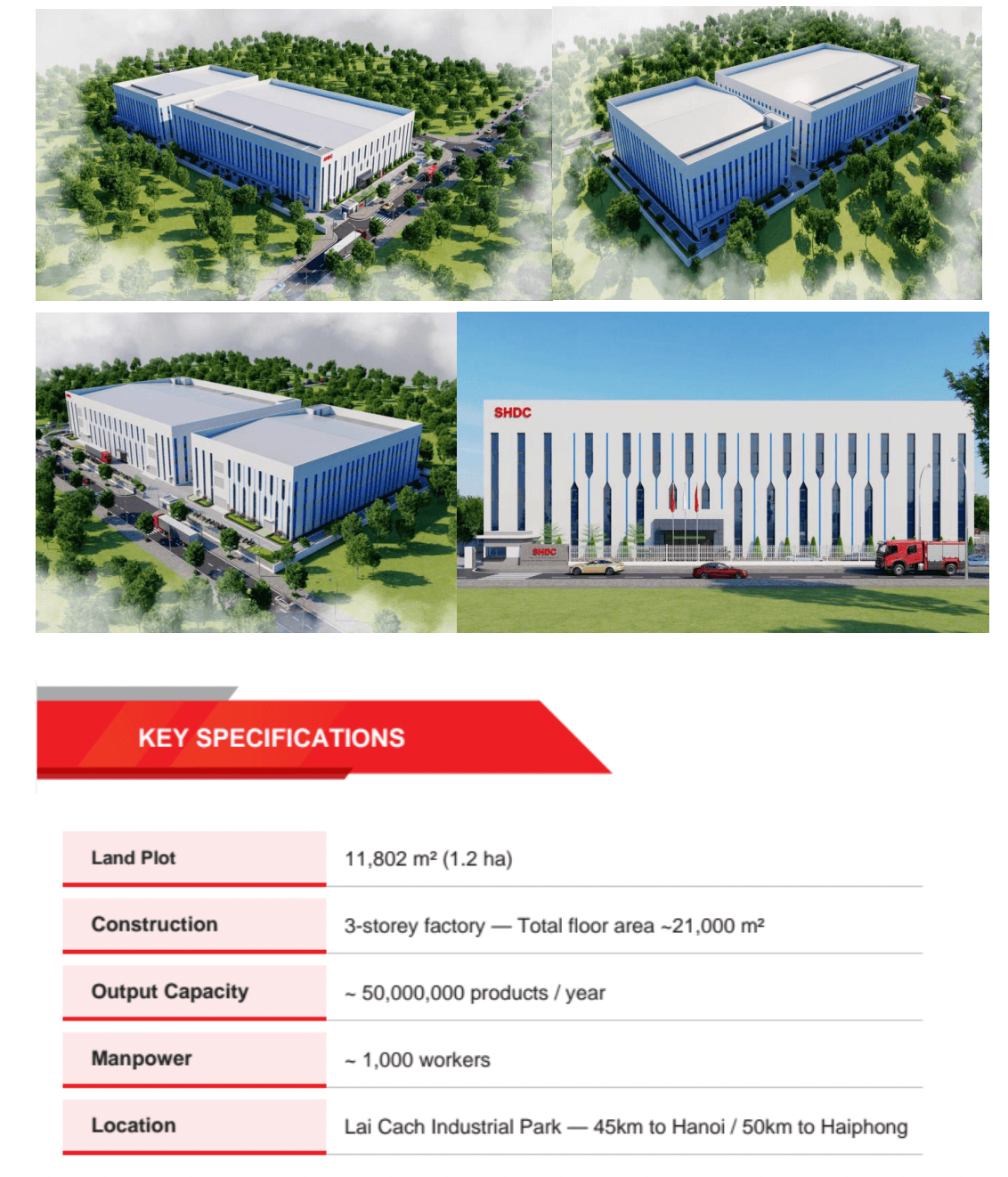
SHDC’s new facility at Lai Cach Industrial Park will add 10 SMT lines, 8 DIP lines, 10 assembly lines, and full inline ICT/FCT/AOI 3D capability — scaling capacity to 50M units/year. Electronics manufacturing MOQ programs started today will have a clear, validated path to high-volume production within the same manufacturing ecosystem, with no EMS transfer risk and no yield regression at ramp.
Frequently Asked Questions
What is MOQ in electronics manufacturing?
Electronics manufacturing MOQ (Minimum Order Quantity) is the minimum number of units an EMS provider will produce in a single production run, based on the fixed costs of setting up and running that production. It exists at two levels: component MOQ (from the parts supplier) and assembly MOQ (from the EMS partner). Both affect your program’s effective minimum volume.
What is a typical MOQ for PCB assembly?
Typical electronics manufacturing MOQ varies by production stage: prototype builds from 5–50 units (with a minimum build cost rather than a strict unit minimum); pilot runs 100–500 units; mass production 1,000–5,000 units per run. These numbers vary significantly by EMS partner, product complexity, and component sourcing structure.
Can I order less than the MOQ?
Sometimes — but it comes at a cost. EMS partners may accept below-MOQ orders with a setup surcharge or minimum build cost fee. Alternatively, a blanket order structure (annual commitment with small release batches) can effectively reduce per-run MOQ while maintaining the economic foundation the EMS needs.
Why do EMS partners have minimum order quantities?
Electronics manufacturing MOQ exists because of setup cost amortization. Every production run incurs fixed costs — stencil setup, feeder loading, AOI programming, first-article inspection — that must be spread across the order quantity. Running 50 units with 3 hours of setup time is economically unviable for most EMS partners at standard pricing.
What is the difference between component MOQ and assembly MOQ?
Component MOQ is the minimum quantity a parts supplier will sell (e.g., a microcontroller only available in reels of 2,500). Assembly MOQ is the minimum quantity the EMS partner will assemble in one run. Your effective electronics manufacturing MOQ is determined by whichever is higher — and component MOQ is frequently the binding constraint.
How does MOQ affect unit price in electronics manufacturing?
Higher MOQ = lower unit price, because fixed setup costs (NRE) are amortized across more units. The relationship is not linear — the largest unit price drops occur between prototype and pilot run stages, with diminishing returns at higher volumes. Understanding this curve is essential for structuring annual volume commitments that optimize total cost of ownership.
What is NRE and how does it relate to MOQ?
NRE (Non-Recurring Engineering) covers all one-time costs: DFM review, stencil fabrication, ICT fixture, FCT jig, and AOI programming. NRE is the primary driver of electronics manufacturing MOQ — at low MOQ, NRE per unit is high; at high MOQ, NRE per unit approaches zero. Professional EMS partners itemize NRE separately so OEMs can make informed MOQ decisions.
How do I negotiate MOQ with an EMS partner?
The most effective electronics manufacturing MOQ negotiation strategy is to provide a complete annual volume forecast (not just per-run quantity), propose a blanket order structure with scheduled releases, and demonstrate BOM stability with qualified alternate components. These signals reduce the EMS partner’s risk — which is the real driver of MOQ, not arbitrary policy.
Is MOQ lower in Vietnam than in China?
Assembly MOQ is broadly comparable between Vietnam and China EMS providers of similar scale. The critical difference is landed cost — post-2025 tariffs of 145% on Chinese electronics manufacturing mean that a Vietnam EMS with equivalent or slightly higher MOQ delivers significantly lower landed cost for U.S. OEMs. The MOQ comparison is less relevant than the total cost of ownership comparison.
What MOQ should I expect for a prototype vs. mass production?
Prototype: from 5 units (minimum build cost applies, not strict unit minimum). Pilot run: 100–500 units. Mass production: 1,000–5,000 units per run, with blanket order structures available to reduce per-release quantity. These are typical ranges — actual electronics manufacturing MOQ depends on product complexity, component sourcing, and EMS partner business model.
Conclusion: Electronics Manufacturing MOQ Is a Negotiation You Should Enter Prepared
Electronics manufacturing MOQ is not a fixed number handed down by the factory — it is the output of a cost structure that U.S. OEMs can understand, influence, and negotiate. The OEMs who get the best MOQ terms are not the ones who push hardest in the negotiation; they are the ones who arrive with a complete RFQ, a clear annual volume forecast, a DFM-validated design, and an understanding of the economics behind the number.
For U.S. OEMs sourcing from Asia in 2026, the electronics manufacturing MOQ conversation is inseparable from the tariff conversation. A China EMS with a lower MOQ and lower unit price may deliver a higher landed cost than a Vietnam EMS at comparable or slightly higher MOQ — once 145% tariffs are factored in. The right comparison is not MOQ vs. MOQ; it is total landed cost vs. total landed cost, across the full annual program volume.
The right EMS partner for your electronics manufacturing MOQ program doesn’t just quote a number — they explain the cost structure behind it, offer structural solutions (blanket orders, component buffering, NRE itemization) that align with your volume reality, and provide a clear path from prototype MOQ to mass production scale within the same manufacturing ecosystem.
