
 Tiếng Việt
 日本語
日本語
For U.S. OEMs sourcing electronics in Vietnam, supplier selection should never be based on price alone. A low unit cost may look attractive during the RFQ stage, but hidden risks in component sourcing, PCBA assembly, testing, traceability, compliance, and communication can create costly problems later in production. This is why an electronics supplier due diligence checklist is essential. Before moving from RFQ to prototype, pilot run, or mass production, U.S. companies need a structured way to evaluate whether a supplier has the technical capability, quality systems, production capacity, and documentation discipline required for reliable electronics manufacturing.
Vietnam has become an increasingly important destination for OEMs exploring China+1 sourcing, offshore electronics manufacturing, and cost-effective EMS partnerships. However, not every supplier has the same level of capability. A strong due diligence process helps procurement, engineering, and quality teams identify the right partner before committing design files, tooling, components, and production schedules. This guide explains how U.S. OEMs can evaluate an electronics supplier in Vietnam, what documents to request, which red flags to avoid, and how to assess EMS, PCBA, SMT, testing, compliance, and supply chain readiness.
Why Supplier Due Diligence Matters in Electronics Manufacturing

Electronics manufacturing carries more risk than many general manufacturing categories. A finished electronic product may include printed circuit boards, semiconductors, passive components, firmware, connectors, cables, enclosures, labels, packaging, and market-specific compliance requirements. A small issue in soldering, component substitution, inspection, or functional testing can lead to field failures, warranty claims, delayed launches, or product recalls.
This is especially important for U.S. OEMs sourcing from overseas suppliers. Distance, time zones, language differences, logistics, and regulatory expectations all make supplier qualification more important before production begins.
A proper due diligence process helps OEMs answer key questions:
- Is the supplier a real manufacturer, EMS provider, or trading company?
- Can the supplier support SMT assembly, DIP assembly, PCBA testing, and box build?
- Does the supplier have quality control at each production stage?
- Can the supplier provide traceability for components, PCB batches, and test results?
- Does the supplier understand U.S. market expectations for documentation and compliance?
- Can the supplier scale from prototype to mass production without losing control?
If your company is evaluating broader outsourcing options, you may also want to review Electronics Manufacturing Outsourcing: Hidden Costs That Impact Your Total Cost and Offshore Manufacturing Risks: What OEM Companies Must Know Before Outsourcing.
Step 1: Verify the Supplier’s Business Legitimacy and Export Experience
The first step in electronics supplier due diligence is confirming that the supplier is a legitimate business with real manufacturing capabilities and relevant export experience.
U.S. OEMs should request basic company information, including business registration, factory address, years in operation, ownership structure, production scope, and export history. This may sound simple, but it helps separate qualified EMS providers from intermediaries that may not control production directly.
Manufacturer vs. Trading Company
Not every supplier that quotes electronics projects operates its own production facility. Some are trading companies or sourcing intermediaries. This is not always a problem, but the role must be transparent.
For PCBA and EMS projects, a direct manufacturing partner is often preferred because engineering, quality, production, testing, and corrective actions can be managed more closely. If the supplier is not the direct manufacturer, U.S. OEMs should clarify who owns responsibility for quality control, component sourcing, production records, rework, warranty issues, and customer communication.
Questions to Ask
- Are you a direct manufacturer, EMS provider, ODM, or trading company?
- Where is your factory located?
- Can we verify your production site through an on-site or remote audit?
- Have you manufactured electronics products for U.S. or overseas customers?
- Which product categories have you supported?
- Can you provide company profile, process flow, and sample quality documents?
Step 2: Assess EMS and PCBA Manufacturing Capabilities
The next step is evaluating whether the supplier’s manufacturing capabilities match your product requirements. For electronics OEMs, this usually means reviewing SMT assembly, DIP assembly, PCBA manufacturing, testing, assembly, and packaging capabilities.
A supplier may claim to offer “full-service EMS,” but the real question is whether they can support your specific board complexity, component types, volume expectations, inspection requirements, and final assembly needs.
If you are new to this topic, SHDC’s guides on What Is PCBA Manufacturing and How Does It Work?, SMT Manufacturing Services, and EMS Vietnam provide useful background.
SMT Assembly Capability
For modern electronics products, SMT capability is one of the most important areas to review. U.S. OEMs should ask about:
- Number of SMT lines
- Placement machine models
- Minimum component size supported
- PCB size range
- Placement accuracy
- Solder paste printing
- SPI capability
- Reflow soldering process
- AOI inspection
- X-ray inspection if BGA, QFN, or hidden solder joints are involved
- SMT line capacity per month
- Operator training and process control
A qualified SMT partner should be able to explain not only what machines they use, but also how they control solder paste, placement accuracy, reflow profile, inspection standards, and defect prevention.
For deeper context, see SMT Assembly Process Explained, SMT Line Process Explained, and SMT Production Line: Inside a Modern Factory.
Through-Hole and Mixed-Technology Assembly
Many electronics products still require through-hole components, connectors, transformers, relays, terminals, or mechanical parts. If your product uses mixed technology, evaluate whether the supplier supports DIP assembly, wave soldering, selective soldering, hand insertion, and manual inspection.
Key points to verify include:
- DIP line capability
- Wave soldering process
- Manual soldering control
- Flux control
- Visual inspection standards
- Rework process
- Operator skill and training
You can also reference SMT vs Through-Hole: A Complete Comparison for PCB Design and Wave Soldering vs Reflow Soldering when planning the right assembly method.
Box Build and Final Assembly
For U.S. OEMs looking beyond bare PCBA, box build capability is another important due diligence area. A supplier that can support final assembly may reduce the number of vendors involved in the supply chain.
Review whether the supplier can manage:
- Mechanical assembly
- Cable and connector integration
- Enclosure assembly
- Functional testing
- Labeling
- Packaging
- Final inspection
- Finished goods handling
For related reading, see Reliable Box Build Assembly Services for US OEMs and Reliable Full Turnkey Electronics Manufacturing for US OEMs.
Step 3: Review Quality Management Systems and Certifications
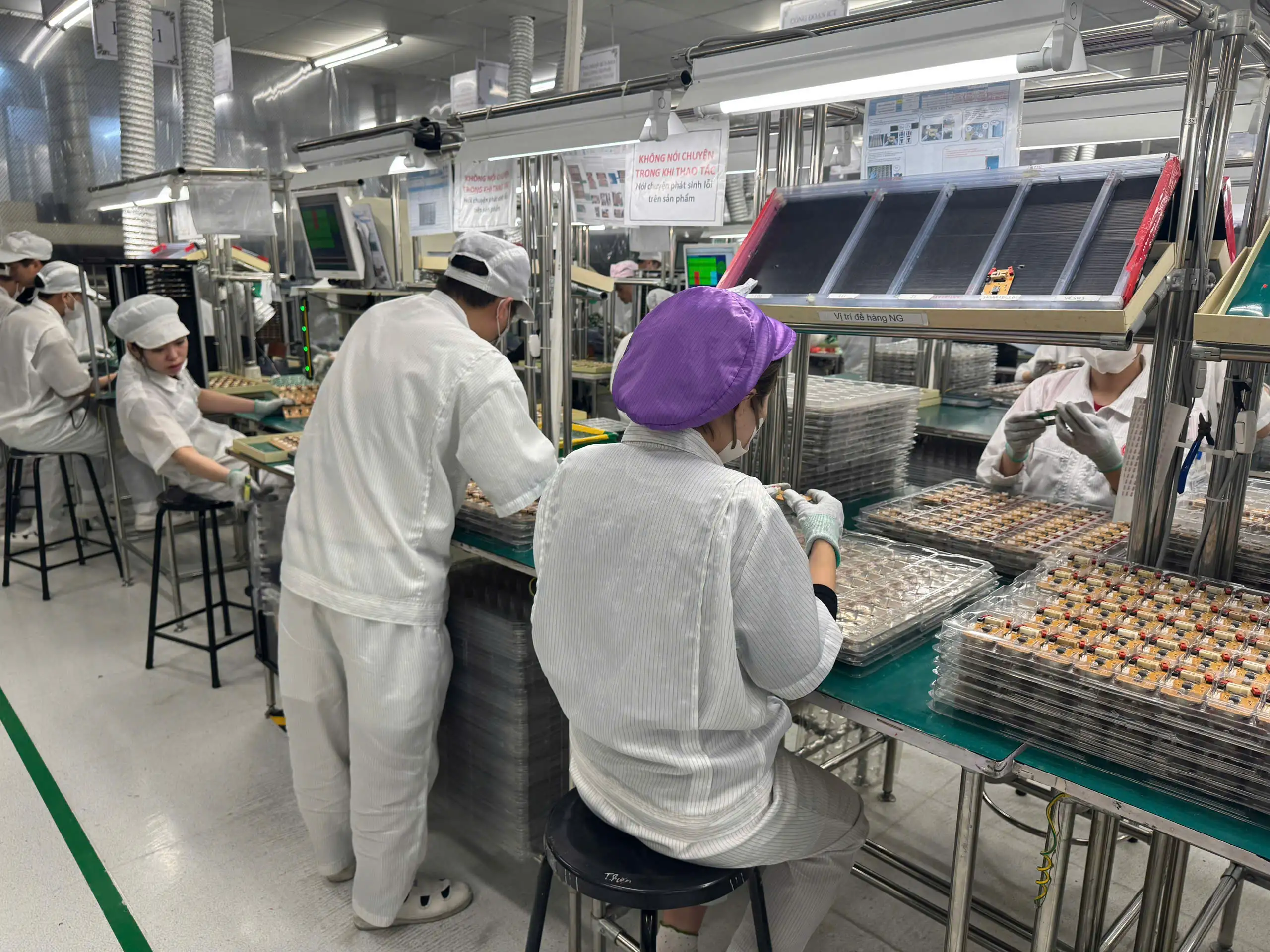
Quality is one of the most important parts of electronics supplier due diligence. U.S. OEMs should look beyond sales claims and request evidence of how the supplier controls production quality in practice.
Certifications to Verify
Depending on your product category, you may need to verify whether the supplier has or can support standards such as:
- ISO 9001 for quality management
- ISO 13485 for medical-related manufacturing, if applicable
- IATF 16949 for automotive-related manufacturing, if applicable
- IPC standards for PCB assembly workmanship
- RoHS or REACH documentation support, if required by your market
- Product-level compliance support such as FCC, UL, ETL, CE, or other applicable standards
Do not assume a supplier has a certification simply because it appears in marketing materials. Ask for valid certificates, issuing bodies, expiration dates, scope of certification, and whether the certification applies to the specific factory that will manufacture your product.
For more context, review ISO Standards for Manufacturing: What OEM Companies Need to Know, What Are IPC Standards?, and the official ISO 9001 quality management page.
Process Control and Documentation
Certificates are only the starting point. Strong electronics suppliers should also have daily process control and documented quality procedures.
Ask how the supplier manages:
- Incoming quality control
- In-process quality control
- Final quality control
- Work instructions
- Control plans
- Inspection records
- Non-conformance reports
- Corrective and preventive actions
- Customer complaint handling
- Quality improvement projects
A supplier that cannot provide sample inspection records, test reports, or corrective action examples may not be ready for a serious OEM program.
Step 4: Evaluate Testing, Inspection, and Traceability
Testing and traceability can determine whether a supplier is truly ready for high-reliability electronics production.
For U.S. OEMs, the goal is not only to produce working boards, but to build a repeatable process that can identify defects, isolate root causes, and protect production consistency over time.
Inspection and Testing Capabilities
Depending on product complexity, a supplier may need to support:
- Visual inspection
- Solder paste inspection
- AOI
- X-ray inspection
- In-circuit testing
- Flying probe testing
- Functional testing
- High-voltage testing
- Aging or burn-in testing
- Final product inspection
For PCBA production, AOI is useful but not always enough. You may need ICT, functional testing, or custom test fixtures depending on your board design and product risk. Learn more in What Is Automated Optical Inspection AOI in PCB Assembly and In-Circuit Testing ICT vs Functional Testing.
Traceability System
Traceability is especially important when products are used in industrial, medical, automotive, consumer electronics, power electronics, or connected device applications.
Ask whether the supplier can track:
- Component lot numbers
- PCB batch numbers
- Production date
- Production line
- Operator or process records
- Test results
- Serial numbers
- Rework history
- Failure analysis records
Without traceability, it becomes much harder to identify affected batches, investigate field failures, or control future production improvements.
Step 5: Audit Component Sourcing and Supply Chain Risk
Component sourcing is one of the biggest risk areas in electronics manufacturing. Shortages, substitutions, obsolete parts, counterfeit components, and long lead times can all affect production cost and delivery.
A good EMS supplier should not simply buy whatever is available at the lowest price. Instead, they should have a disciplined sourcing process based on customer-approved BOMs, approved vendor lists, and controlled alternatives.
Approved Vendor List and Component Control
U.S. OEMs should ask the supplier how they manage:
- Approved vendor lists
- Authorized distributors
- Alternative component approval
- Customer approval before substitution
- Obsolescence monitoring
- Long-lead-time components
- Counterfeit component prevention
- Material storage
- Moisture-sensitive components
- ESD protection
One of the most important rules is simple: no component substitution should happen without written customer approval.
BOM Review Process
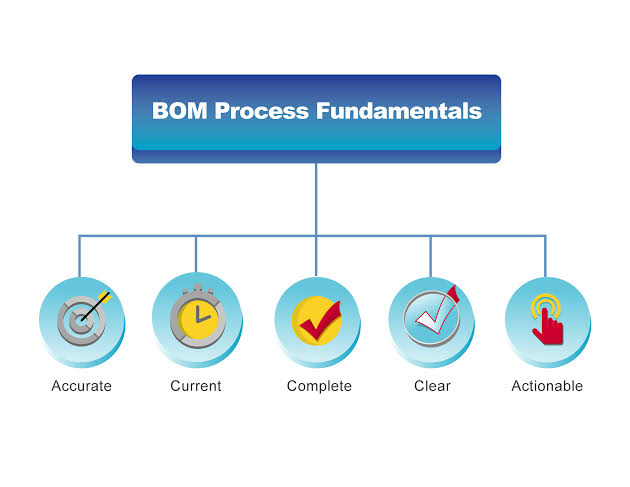
A reliable EMS partner should review your BOM before quoting or production. The supplier should identify issues such as:
- Missing manufacturer part numbers
- Unclear component descriptions
- EOL or NRND parts
- Long lead time components
- High MOQ items
- Cost-down opportunities
- Alternative sourcing risks
- Components that may affect compliance or reliability
If you are preparing an RFQ, see PCB Assembly Quote: What Manufacturers Need From You to Price Your Project Accurately and PCB Assembly Cost: How Much Does It Cost in 2026?.
Step 6: Check Engineering Support and DFM Capabilities
A strong electronics supplier should not only build what is sent to them. They should help identify manufacturability risks before production begins.
This is especially valuable for U.S. OEMs moving from prototype to pilot run or from local development to offshore manufacturing.
DFM and DFA Review
Ask whether the supplier can review your files for:
- PCB layout manufacturability
- Component spacing
- Test point access
- Panelization
- Solderability
- Assembly sequence
- Mechanical fit
- Connector orientation
- Thermal considerations
- Packaging constraints
DFM and DFA review can reduce defects, improve yield, shorten lead time, and prevent costly redesigns. For more detail, read Why PCBA Fabrication Fails Without Proper DFM and DFA.
Engineering Change Management
Electronics products often change during development and production. Your supplier should have a clear ECO process that controls:
- Revision updates
- BOM changes
- Gerber changes
- Assembly drawing updates
- Customer approval
- Change impact analysis
- Production document control
- Old revision isolation
Poor revision control is a major risk in PCBA manufacturing because even a small mismatch between BOM, Gerber, firmware, and assembly instructions can create production failures.
Step 7: Compare Pricing, MOQ, Lead Time, and Total Cost
Price matters, but it should not be the only factor in supplier selection. For U.S. OEMs sourcing electronics in Vietnam, total cost is often more important than unit price.
A lower quotation may become expensive if it leads to poor yield, rework, scrap, late delivery, warranty claims, or engineering delays.
RFQ Details to Provide
To receive an accurate quote, provide:
- Gerber files
- BOM with manufacturer part numbers
- Assembly drawings
- PCB specifications
- Testing requirements
- Annual volume estimate
- Prototype and mass production quantities
- Packaging requirements
- Compliance requirements
- Target market
- Preferred Incoterms
- Forecast if available
The more complete your RFQ package is, the more accurately a supplier can estimate cost, lead time, and risk.
What to Compare in Supplier Quotations
When comparing suppliers, review:
- Unit price
- MOQ
- NRE cost
- Tooling cost
- Test fixture cost
- Component price validity
- Lead time
- Payment terms
- Incoterms
- Warranty terms
- Rework responsibility
- Engineering support
- Scalability from prototype to mass production
For OEMs comparing offshore options, Electronics Manufacturing Cost in Vietnam vs China and Electronics Contract Manufacturing in Vietnam vs China may help frame the total-cost discussion.
Step 8: Review Compliance for the U.S. Market
U.S. market compliance depends on product type, end use, industry, electrical design, wireless functions, materials, labeling, and distribution channel. The supplier may support documentation and production controls, but the OEM is still responsible for determining which regulations apply to the final product.
Product Compliance Areas to Consider
Depending on the product, U.S. OEMs may need to review:
- FCC requirements for electronic or radio-frequency devices
- UL or ETL safety requirements if applicable
- RoHS or REACH material requirements if required by customer or market
- Battery shipping requirements if the product includes batteries
- Labeling requirements
- Packaging and warning labels
- Country of origin marking
- Product manuals and user instructions
For official reference, U.S. companies can review the FCC equipment authorization resources, U.S. Customs and Border Protection country of origin marking guidance, and IPC standards.
Documentation Readiness
Ask whether the supplier can support:
- BOM documentation
- Material declarations
- Supplier certificates
- Production records
- Test reports
- Inspection reports
- Label files
- Packaging specifications
- Traceability records
A supplier does not need to manage every compliance process for you, but they should be able to provide accurate manufacturing and material documentation when required.
Step 9: Protect IP, Tooling, and Product Documentation
IP protection is a serious concern when working with any electronics manufacturing supplier. Before sharing full design files, U.S. OEMs should define confidentiality, document control, tooling ownership, and data access rules.
NDA and Document Control
Before sending sensitive files, consider using an NDA that covers:
- Gerber files
- BOMs
- Schematics
- Firmware
- Mechanical drawings
- Test procedures
- Product photos
- Customer documentation
- Commercial terms
Also ask how the supplier stores and controls customer files internally.
Tooling and Test Fixture Ownership
Clarify ownership of:
- Tooling
- Molds
- Test fixtures
- Programming fixtures
- Production jigs
- Custom packaging tools
- Customer-specific process documents
Important questions include:
- Who owns the tooling after payment?
- Can the tooling be transferred if the project ends?
- Who maintains the fixture?
- Who pays for repair or replacement?
- How are customer-specific fixtures identified and protected?
Step 10: Conduct a Factory Audit or Remote Supplier Assessment
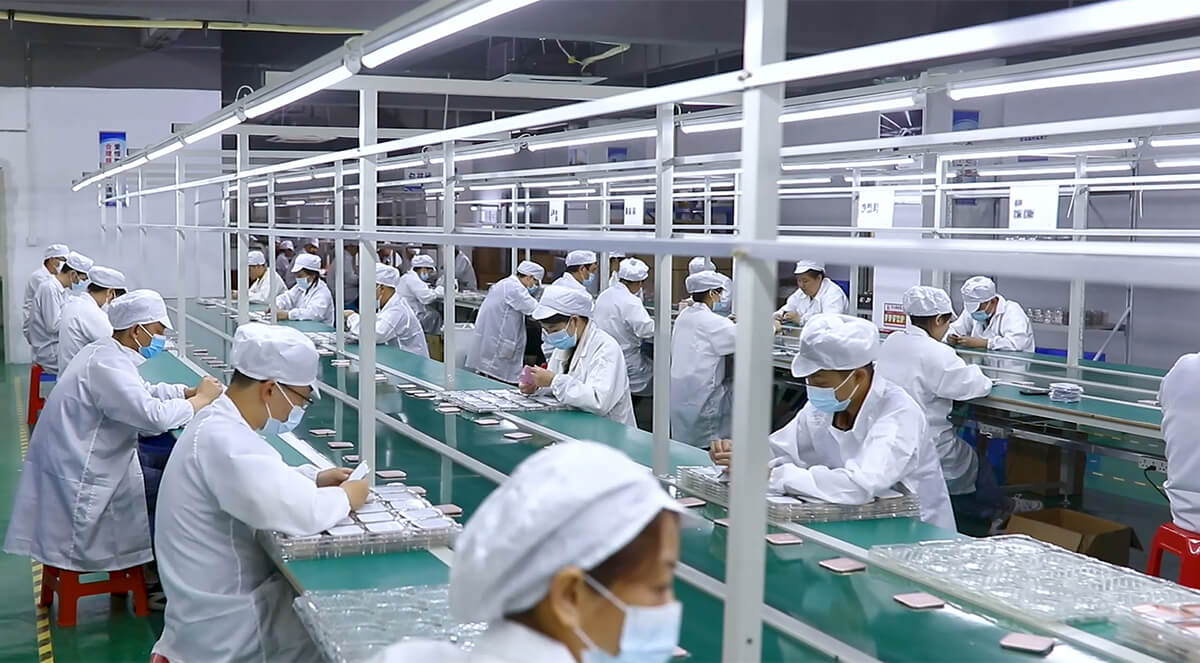
A factory audit is one of the most practical ways to verify supplier claims. If an on-site audit is not possible, a remote assessment can still help reduce risk.
On-Site Factory Audit Checklist
During an audit, review:
- Factory location
- Production lines
- SMT process
- DIP process
- Warehouse and material storage
- ESD control
- Incoming inspection
- In-process inspection
- Testing area
- Rework area
- Final inspection
- Packaging area
- Quality records
- Staff training
- Maintenance records
- Customer complaint records
For Vietnam-specific sourcing considerations, see Contract Manufacturers Vietnam Electronics: 9 Criteria US Buyers Use to Qualify Suppliers, PCB Assembly Vietnam: 7 Questions Every OEM Should Ask Before Sending an RFQ, and Choosing an SMT Manufacturer Vietnam: It’s Not Just About Price.
Remote Supplier Assessment
If travel is not possible, request:
- Live factory video call
- Production line walkthrough
- Equipment list
- Sample quality documents
- Process flow
- Inspection reports
- Test report examples
- Factory photos or videos
- Third-party audit if needed
The goal is to verify that the supplier’s claims match actual production conditions.
Electronics Supplier Due Diligence Checklist
The table below summarizes the key areas U.S. OEMs should review before selecting an electronics supplier in Vietnam.
| Due Diligence Area | What to Verify |
|---|---|
| Business legitimacy | Company registration, factory address, ownership, export history |
| Supplier type | Manufacturer, EMS provider, ODM, trading company, sourcing intermediary |
| EMS capability | SMT, DIP, PCBA, box build, testing, packaging |
| SMT process | Placement capability, solder paste printing, SPI, reflow, AOI |
| DIP process | Hand insertion, wave soldering, manual inspection, rework control |
| Quality system | ISO, IQC, IPQC, FQC, OQC, CAPA, work instructions |
| Testing | AOI, ICT, functional testing, high-voltage test, aging test |
| Traceability | Component lots, PCB batches, serial numbers, test results |
| Supply chain | AVL, authorized sourcing, component substitution control |
| Engineering support | DFM, DFA, ECO, revision control, BOM review |
| Compliance support | FCC, UL/ETL, RoHS, REACH, labeling if applicable |
| IP protection | NDA, file control, tooling ownership, fixture ownership |
| Commercial terms | MOQ, lead time, payment terms, Incoterms, warranty |
| Communication | English support, response time, technical clarity |
| Scalability | Prototype, pilot run, mass production ramp-up |
Red Flags When Evaluating an Electronics Supplier in Vietnam
Not every supplier is a good fit for U.S. OEM requirements. Watch for these warning signs:
- The supplier cannot clearly explain whether they are a manufacturer or trading company.
- The supplier gives a quote before reviewing BOM, Gerber, drawings, or test requirements.
- The supplier refuses a factory audit or remote walkthrough.
- There is no clear incoming quality control process.
- There is no traceability system for components or PCB batches.
- The supplier cannot provide sample inspection or test reports.
- Component substitutions are not controlled by customer approval.
- The supplier does not understand ESD requirements.
- Engineering communication is slow or unclear.
- The supplier cannot explain how prototype, pilot run, and mass production are managed differently.
- Quality claims are not supported by documents or process evidence.
- The supplier competes only on the lowest price.
A good supplier should welcome technical questions. If the supplier avoids details, provides vague answers, or cannot show process discipline, it may be a sign that the project carries higher risk.
Why Vietnam Is Becoming a Strategic Electronics Sourcing Destination for U.S. OEMs
Vietnam has become a serious option for U.S. OEMs looking to diversify electronics manufacturing beyond a single country. Many companies are evaluating Vietnam as part of a China+1 strategy, especially for PCBA, EMS, box build, consumer electronics, power electronics, and industrial electronics programs.
Vietnam offers several potential advantages:
- Competitive manufacturing costs
- Growing electronics supply chain
- Strategic location in Asia
- Increasing experience with global OEM customers
- Strong fit for China+1 sourcing strategies
- Expanding EMS and PCBA capabilities
However, Vietnam should not be selected only because it is a popular sourcing destination. The right supplier still needs to prove capability, quality control, testing discipline, communication, documentation, and scalability.
For more context, read China+1 Strategy: Why OEMs Are Moving Electronics Manufacturing from China to Vietnam, Electronics Manufacturing Vietnam: A Complete Guide for Global OEM Companies, and 10 Reasons to Choose Contract Electronics Manufacturing in Vietnam.
How SHDC Supports U.S. OEMs with Electronics Manufacturing in Vietnam
SHDC Electronics Co., Ltd. supports OEM customers with electronics manufacturing services in Vietnam, including component soldering, assembly, testing, and final packaging. The company focuses on quality, efficiency, and collaboration throughout the production process.
SHDC’s factory service scope includes SMT lines, DIP lines, assembly, testing, and packaging operations. Its production process includes IQC inspection, warehouse control, SMT-related processes, AOI, reflow, mounting, screen printing, component insertion, automatic soldering, ICT, visual inspection, FCT, OQC, packaging, and finished product warehousing.
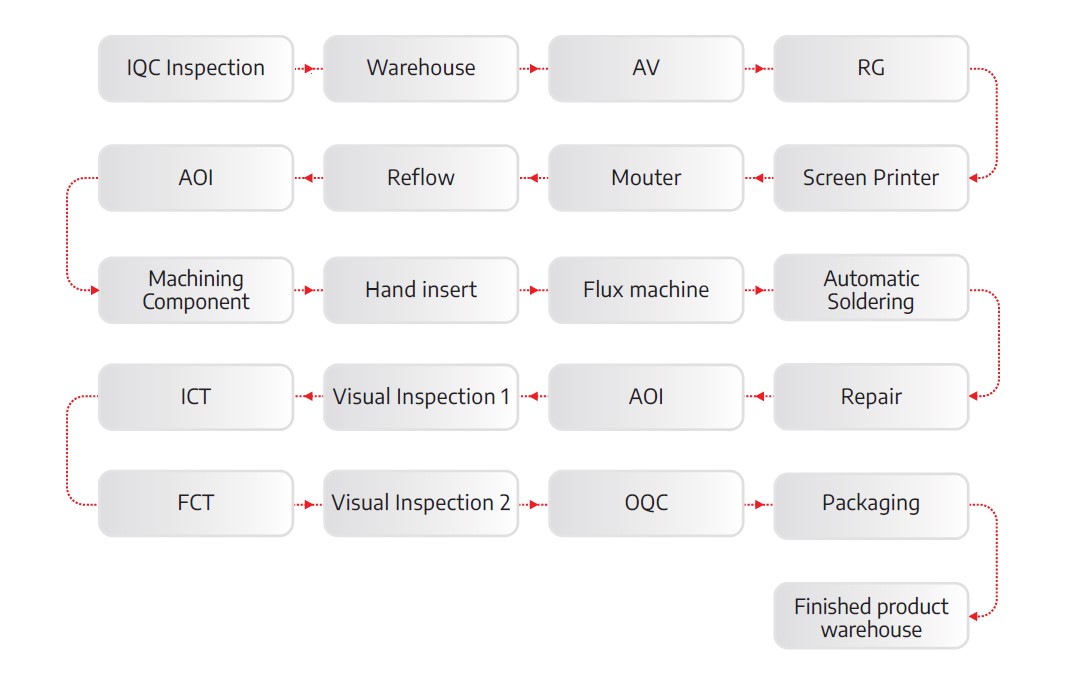
For U.S. OEMs, this type of structured production flow is important because it supports better process visibility, production control, and quality management from initial materials to final shipment.
SHDC also supports electronics manufacturing across PCBA applications and product categories, including power electronics, consumer electronics, water purifier electronics, computer mouse PCBA, and automotive-related PCBA applications.
If your company is evaluating an electronics manufacturing partner in Vietnam, SHDC can review your BOM, Gerber files, drawings, testing requirements, target volume, and production timeline to help determine the right manufacturing approach.
Looking for a reliable electronics manufacturing supplier in Vietnam? Contact SHDC to discuss your PCBA, SMT assembly, testing, box build, and production requirements.
>>>Read more: SHDC – Reliable PCBA Assembly Vietnam for Global Electronics Brands
Frequently Asked Questions About Electronics Supplier Due Diligence
What is electronics supplier due diligence?
Electronics supplier due diligence is the process of evaluating a supplier’s legal status, manufacturing capability, quality system, testing process, traceability, component sourcing, compliance support, communication, and scalability before starting production.
How do U.S. OEMs evaluate an EMS supplier?
U.S. OEMs should evaluate EMS suppliers by reviewing SMT and DIP capabilities, PCBA production process, quality control, testing equipment, traceability, engineering support, BOM review process, lead time, pricing structure, and export experience.
What documents should I request from an electronics supplier?
You should request company profile, business registration, certification copies, equipment list, process flow, sample inspection reports, test reports, quality control procedures, BOM review feedback, quotation breakdown, and traceability examples.
Should I audit a Vietnam electronics supplier before production?
Yes. An on-site audit or remote assessment is recommended before pilot run or mass production. The audit should review production lines, warehouse, material control, ESD protection, inspection records, testing area, rework process, packaging area, and quality documentation.
What are the biggest risks when sourcing electronics in Vietnam?
The biggest risks include choosing the wrong supplier type, weak quality control, uncontrolled component substitution, limited testing, poor traceability, unclear communication, hidden costs, and insufficient compliance documentation.
Is Vietnam a good option for U.S. electronics OEMs?
Vietnam can be a strong option for U.S. OEMs seeking China+1 sourcing, EMS support, PCBA assembly, and offshore electronics manufacturing. However, success depends on selecting a qualified supplier through a structured due diligence process.
What should be included in an electronics supplier due diligence checklist?
A strong checklist should include business verification, EMS capability, SMT and DIP process review, quality system evaluation, testing and inspection capability, traceability, component sourcing, DFM support, compliance documentation, IP protection, pricing, lead time, and scalability.
