
 Tiếng Việt
 日本語
日本語
As electronic devices become more compact and technologically advanced, the complexity of printed circuit boards continues to increase. Manufacturers must assemble hundreds or even thousands of components onto a single board with extremely high precision. This is where SMT manufacturing services play a vital role in modern electronics production. Surface Mount Technology allows electronic components to be mounted directly onto the surface of printed circuit boards, enabling faster production, higher component density, and improved product reliability. For OEM companies developing electronic products, choosing a reliable provider of SMT manufacturing services is essential for ensuring consistent quality and scalable manufacturing. Understanding the key capabilities behind professional SMT manufacturing services helps businesses evaluate potential PCB assembly partners and build a stable long‑term manufacturing strategy.
Understanding SMT Manufacturing Services in Electronics Production
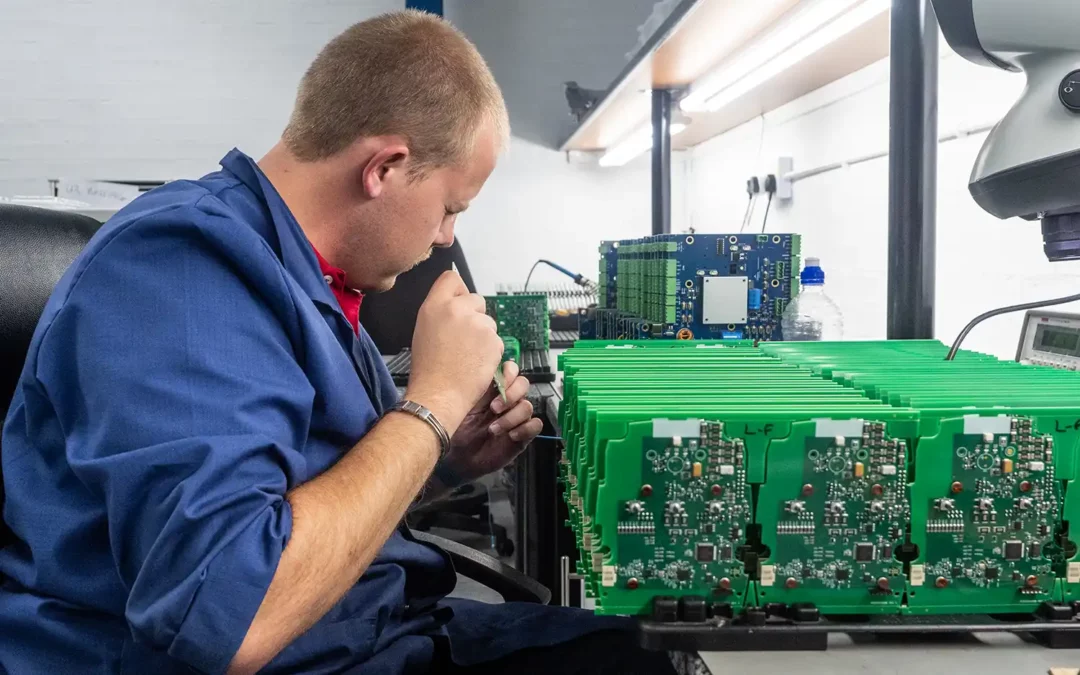
SMT manufacturing services refer to the complete process of assembling electronic components onto printed circuit boards using automated surface mount technology. These services typically include solder paste printing, component placement, reflow soldering, inspection, and quality testing.
Compared with traditional through‑hole assembly, SMT technology provides several major advantages. It allows manufacturers to place smaller components closer together, which supports compact electronic designs and improved circuit performance. At the same time, automated SMT production lines enable faster assembly and consistent manufacturing quality.
Because of these advantages, SMT manufacturing services are now widely used across industries such as consumer electronics, telecommunications, automotive electronics, industrial control systems, and medical devices.
Advanced SMT Production Line Technology
One of the most important factors that defines high‑quality SMT manufacturing services is the technology used on the production line. Modern SMT assembly lines combine several automated systems to achieve precise component placement and efficient production throughput.
High‑Speed Pick‑and‑Place Systems
Pick‑and‑place machines are responsible for placing electronic components onto the PCB after solder paste is applied. These machines use advanced vision systems and robotic positioning to accurately place components at extremely high speeds.
State‑of‑the‑art SMT equipment can place tens of thousands of components per hour while maintaining exceptional placement accuracy. This level of automation ensures that SMT manufacturing services can handle both complex PCB designs and large production volumes with consistent results.
Precision Solder Paste Printing
Before components are placed, solder paste must be accurately deposited on the PCB pads using a stencil printer. This step is critical because improper solder paste volume can lead to defects such as solder bridging or weak solder joints.
Professional providers of SMT manufacturing services use high‑precision stencil printers and solder paste inspection systems to control paste thickness, alignment, and coverage. Proper solder paste printing ensures reliable solder joints during the reflow process.
Component Size and Package Capability
Another important capability of advanced SMT manufacturing services is the ability to handle a wide range of component sizes and packaging technologies. Modern electronic designs often combine extremely small passive components with complex integrated circuits.
Small Surface‑Mount Components
Many modern PCBs include miniature components such as 0201 or 01005 resistors and capacitors. As electronic products become smaller, these tiny components are increasingly common.
Handling these parts requires high‑precision placement machines and advanced optical alignment systems. Manufacturers offering professional SMT manufacturing services must ensure that their equipment can reliably place and solder these small components without alignment errors.
Advanced Integrated Circuit Packages
In addition to small components, complex PCBs may include advanced semiconductor packages such as:
- Ball Grid Array (BGA)
- Quad Flat No‑Lead (QFN)
- Fine‑pitch integrated circuits
These packages require carefully controlled soldering processes and specialized inspection systems. Experienced providers of SMT manufacturing services have the equipment and technical expertise needed to assemble these advanced packages reliably.
Inspection and Quality Control in SMT Manufacturing
Maintaining consistent quality is essential in electronics manufacturing. For this reason, professional SMT manufacturing services rely on automated inspection technologies throughout the production process.
Automated Optical Inspection (AOI)
Automated Optical Inspection systems use high‑resolution cameras and software algorithms to examine assembled PCBs. These systems detect common assembly defects such as missing components, incorrect polarity, misalignment, and solder defects.
By identifying issues immediately after assembly, AOI systems allow manufacturers to correct problems quickly and prevent defective boards from continuing through the production process.
X‑Ray Inspection for Hidden Solder Joints
Some electronic components, particularly BGA packages, have solder joints hidden underneath the device. These joints cannot be inspected using standard optical systems.
X‑ray inspection equipment allows manufacturers to examine the internal structure of solder connections and identify hidden defects such as voids, insufficient solder, or short circuits. Many advanced SMT manufacturing services rely on X‑ray inspection to ensure the reliability of complex PCB assemblies.
Production Scalability from Prototype to Mass Manufacturing
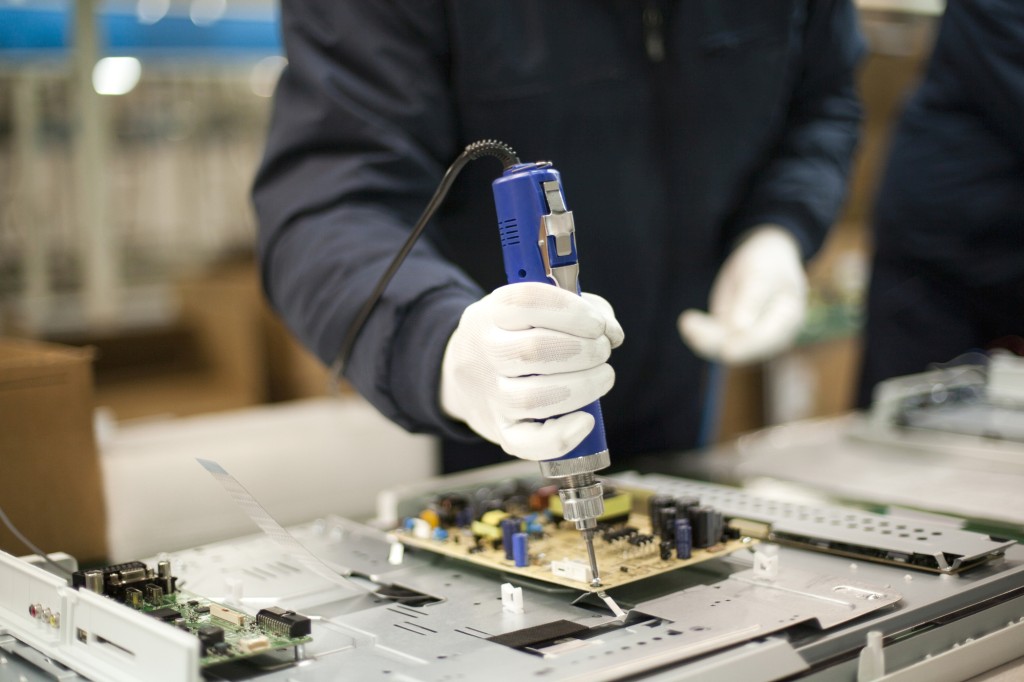
A reliable provider of SMT manufacturing services should be able to support every stage of the product lifecycle, from early development to large‑scale production.
Prototype PCB Assembly
During product development, engineers typically require small quantities of PCBs for testing and design validation. Prototype SMT assembly allows teams to evaluate circuit performance and refine the design before moving into full production.
Fast and flexible prototype SMT manufacturing services help reduce development time and accelerate product innovation.
Low‑Volume and Pilot Production
After prototype validation, manufacturers often conduct pilot production runs. This stage helps optimize assembly processes, verify component sourcing, and ensure the design can be manufactured reliably.
Pilot runs also allow manufacturers to identify potential production challenges before scaling up to higher volumes.
High‑Volume SMT Production
When a product reaches the market, production demand may increase rapidly. Experienced providers of SMT manufacturing services must have the capacity and production infrastructure to scale manufacturing while maintaining consistent quality.
High‑volume production typically involves multiple SMT lines, automated inspection systems, and efficient component supply chain management.
Engineering Support and Design for Manufacturability
In addition to assembly capabilities, many electronics manufacturers offer engineering services to improve production efficiency. One of the most valuable services is Design for Manufacturability analysis.
DFM reviews evaluate PCB designs before production begins. Engineers analyze component placement, pad design, and assembly requirements to identify potential manufacturing challenges. Addressing these issues early helps improve assembly yield and reduce manufacturing costs.
Manufacturers that combine engineering expertise with professional SMT manufacturing services can help OEM companies achieve more reliable and efficient electronics production.
Industry Certifications and Quality Standards
Quality certifications are another important factor when selecting a PCB assembly partner. Reputable providers of SMT manufacturing services follow internationally recognized standards to ensure consistent product quality.
Common industry certifications include:
- ISO 9001 for quality management systems
- IPC‑A‑610 for PCB assembly acceptability
- IPC J‑STD‑001 for soldering process requirements
Compliance with these standards demonstrates that a manufacturer follows strict process controls and industry best practices.
>>>Read more: What Are IPC Standards? Essential Certifications in Electronics Manufacturing
Choosing the Right SMT Manufacturing Services Provider
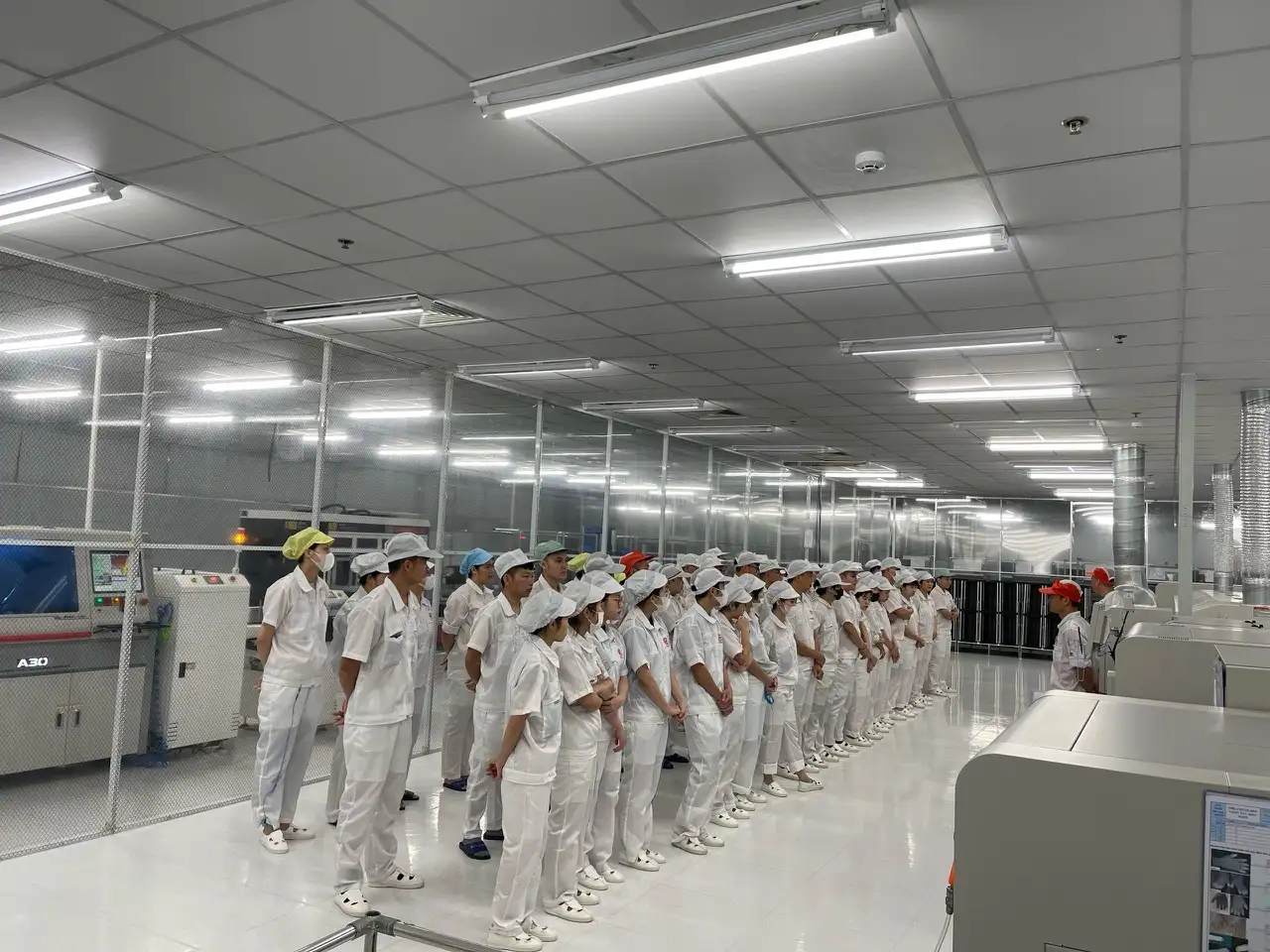
Selecting the right manufacturing partner is an important strategic decision for companies developing electronic products. While pricing is an important factor, several other capabilities should be carefully evaluated.
Companies seeking reliable SMT manufacturing services should consider:
- the technology and capacity of SMT production lines
- the ability to assemble advanced components and packages
- inspection and quality control systems
- engineering support and DFM capabilities
- supply chain management for electronic components
A qualified electronics manufacturing partner provides more than basic assembly services. Strong SMT manufacturing services include technical expertise, advanced equipment, and the ability to support long‑term production growth.
>>>Read more: Top 10 Electronics Manufacturing Companies in Asia for OEM Projects
Conclusion
Surface Mount Technology has become the foundation of modern electronics manufacturing. Through automated assembly systems, precision component placement, and advanced inspection technologies, SMT manufacturing services enable the efficient production of complex printed circuit boards. For OEM companies, choosing the right provider of SMT manufacturing services is essential for ensuring product quality, manufacturing efficiency, and scalability. By evaluating production capabilities, inspection technologies, and engineering support, businesses can identify a PCB assembly partner capable of supporting both prototype development and large‑scale electronics manufacturing.
>>>Read more:
