
 Tiếng Việt
 日本語
日本語
Vietnam has become a key destination for PCB assembly as OEMs diversify their supply chains beyond China. Competitive costs and a rapidly developing EMS ecosystem make it an attractive option—but execution still depends heavily on supplier alignment. In practice, many PCB assembly projects do not fail because of pricing or manufacturing capability. They fail much earlier—at the RFQ stage. An RFQ is not just a request for quotation. It is a technical and operational definition of your project. If critical details are missing or unclear, suppliers are forced to make assumptions—leading to inaccurate quotes, delays, and quality risks.
The outcome of your PCB assembly project in Vietnam is largely determined before you even send your RFQ.
What OEMs Often Miss Before Sending an RFQ (And Why It Matters)
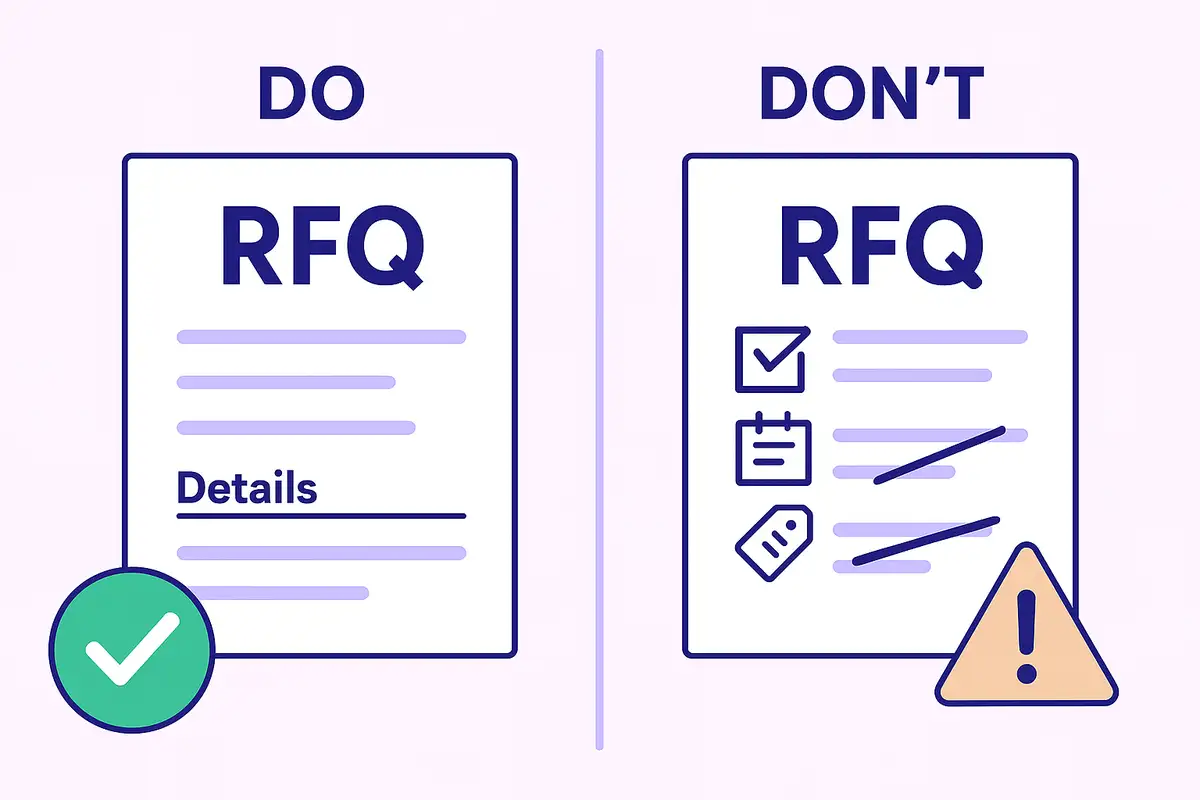
Most OEMs focus on comparing quotes. However, differences in pricing are often the result of incomplete or inconsistent RFQ inputs rather than actual cost advantages.
Common gaps include:
- Designs that are not fully production-ready
- Undefined testing requirements
- Lack of clarity on production volume or timelines
- Assumptions about supplier capabilities
These gaps create misalignment from the start. A well-prepared RFQ, on the other hand, reduces iteration cycles, improves cost accuracy, and accelerates time-to-market.
7 Questions Every OEM Should Ask Before Sending an RFQ
1. Is Your PCB Design Ready for Production — Not Just Prototyping?
Short answer: A production-ready PCB design includes a validated BOM, DFM compliance, and complete fabrication documentation.
Prototype designs often lack the level of detail required for mass production. Before sending an RFQ, ensure:
- BOM is complete and includes approved alternates
- Gerber files align with fabrication notes
- DFM checks have been performed
- Component footprints and tolerances are validated
Without this, suppliers may quote based on assumptions—leading to cost changes later.
2. How Will Component Sourcing Be Managed and De-Risked?
Short answer: A reliable supplier should offer sourcing transparency, alternative components, and risk mitigation strategies.
Component sourcing remains one of the biggest uncertainties in PCB assembly. You should clarify:
- Whether the supplier provides turnkey sourcing
- Availability of alternative components
- Supply chain visibility and lead time management
- Policies for handling shortages or obsolete parts
A strong sourcing strategy ensures continuity and cost stability.
3. What Manufacturing Capabilities Should You Verify Before RFQ?
Short answer: You should verify SMT capacity, supported component sizes, and mixed assembly capability.
Instead of relying on general claims, validate:
- SMT line capacity and placement speed
- Supported component sizes (e.g., 0402, 0201)
- Ability to handle both SMT and through-hole assembly
- Experience with similar product types
Capability mismatch can lead to inefficiencies or quality issues.
4. What Testing Methods Will Ensure PCBA Reliability?
Short answer: Key testing methods include AOI, ICT, functional testing, and application-specific validation.
Testing directly impacts product reliability. You should define:
- AOI (Automated Optical Inspection)
- ICT (In-Circuit Testing)
- Functional testing (FCT)
- Additional testing such as high-voltage or aging tests
Testing should be defined early—not added later.
5. Can the Supplier Provide Full Process Transparency and Traceability?
Short answer: A qualified EMS provider should offer MES/ERP-based traceability and real-time production data.
Traceability is critical for quality control and issue resolution. Verify:
- Use of MES or ERP systems
- Ability to track defects and yield
- Availability of production data and reports
- Root cause analysis processes
Without traceability, long-term quality control becomes difficult.
6. What Happens Between RFQ Approval and Mass Production?
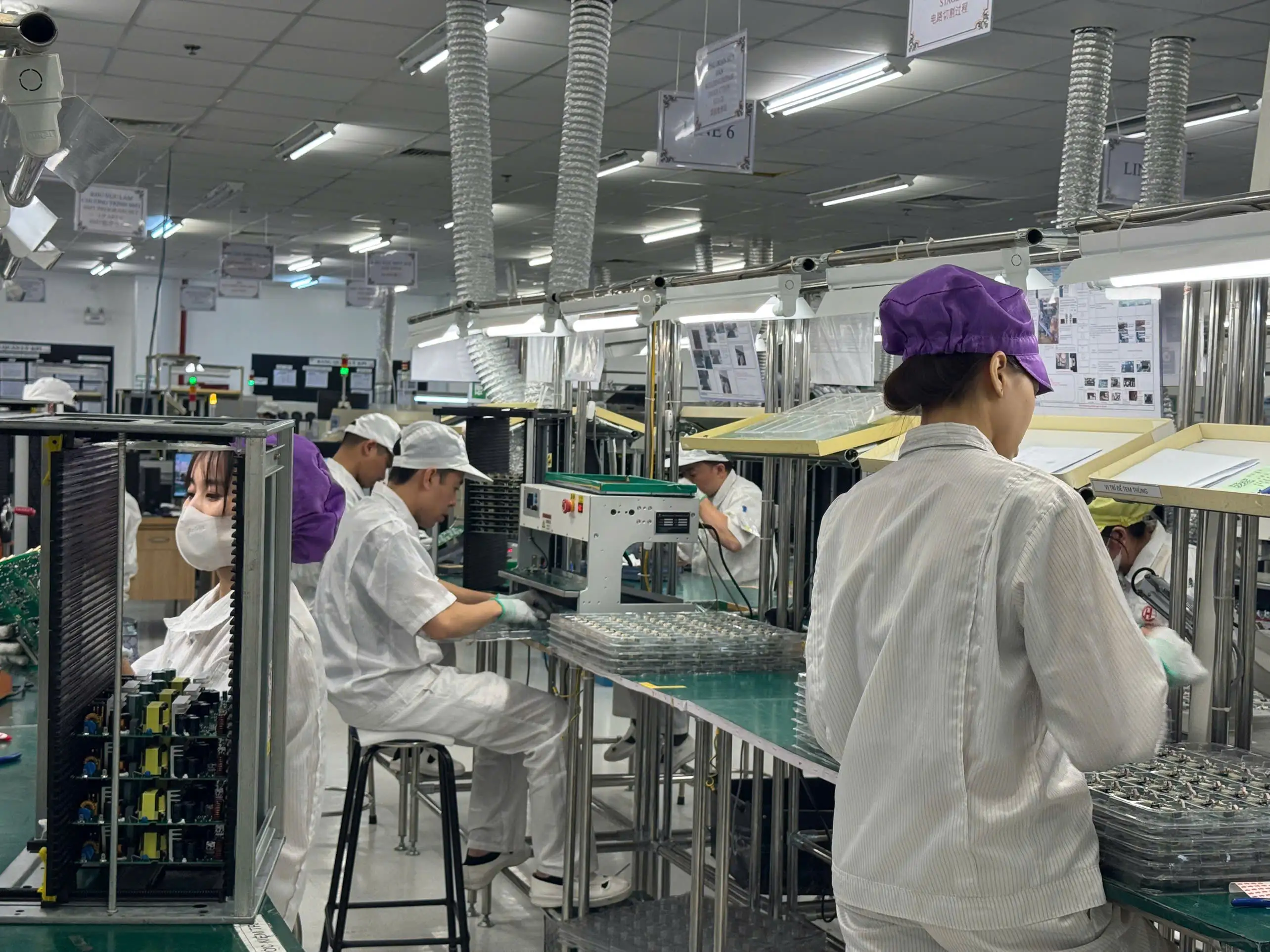
Short answer: This phase includes NPI, pilot runs, engineering validation, and process optimization.
Many delays occur during this transition phase. Key steps include:
- NPI (New Product Introduction)
- Pilot production runs
- Engineering validation and adjustments
- Process optimization
Understanding this stage helps reduce unexpected delays.
7. Can the Supplier Scale with Your Production Needs?
Short answer: The supplier must support volume scaling, stable output, and long-term cost optimization.
Evaluate whether the supplier can:
- Increase production capacity as demand grows
- Maintain quality consistency at scale
- Optimize cost over time
- Support long-term manufacturing
Scalability is essential for product success.
What a Reliable PCB Assembly Partner in Vietnam Looks Like
A capable PCB assembly partner should demonstrate consistency across the entire production lifecycle—not just at the quoting stage.
This typically includes:
- Full EMS services from assembly to testing and packaging
- Integrated SMT and DIP production capabilities
- Structured production systems with traceability and data management
- Comprehensive testing capabilities across multiple stages
- Continuous process improvement through engineering and automation
How SHDC Supports OEMs Before and After the RFQ Stage
Bridging RFQ and Real Production
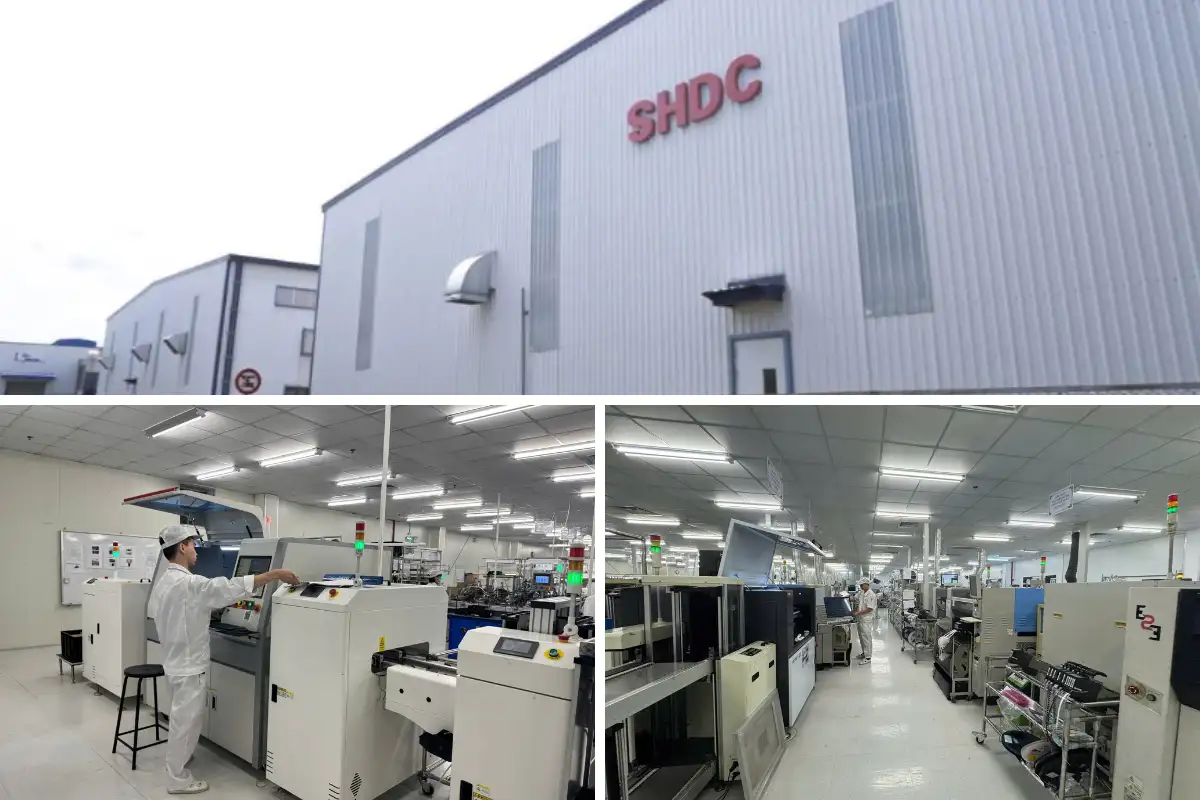
Many suppliers can provide quotes. Far fewer can support OEMs through design validation, sourcing alignment, and production ramp-up.
At SHDC Electronics, PCB assembly is approached as part of a complete EMS workflow rather than a standalone service.
End-to-End EMS Capability
SHDC provides:
- Full EMS services from soldering and assembly to testing and packaging
- Integrated SMT, DIP, and backend processes within one system
This reduces complexity for OEMs by minimizing the need for multiple vendors.
Production Capacity Aligned with Real Needs
SHDC operates:
- 4 high-speed SMT lines
- 3 DIP lines
- Dedicated assembly, testing, and packaging lines
This allows flexibility for both low-volume and scalable production.
Data-Driven Manufacturing and Traceability
SHDC implements:
- ERP and MES systems
- Real-time production monitoring and defect tracking
This aligns directly with the need for transparency and traceability in modern EMS.
Integrated Testing and Reliability Assurance
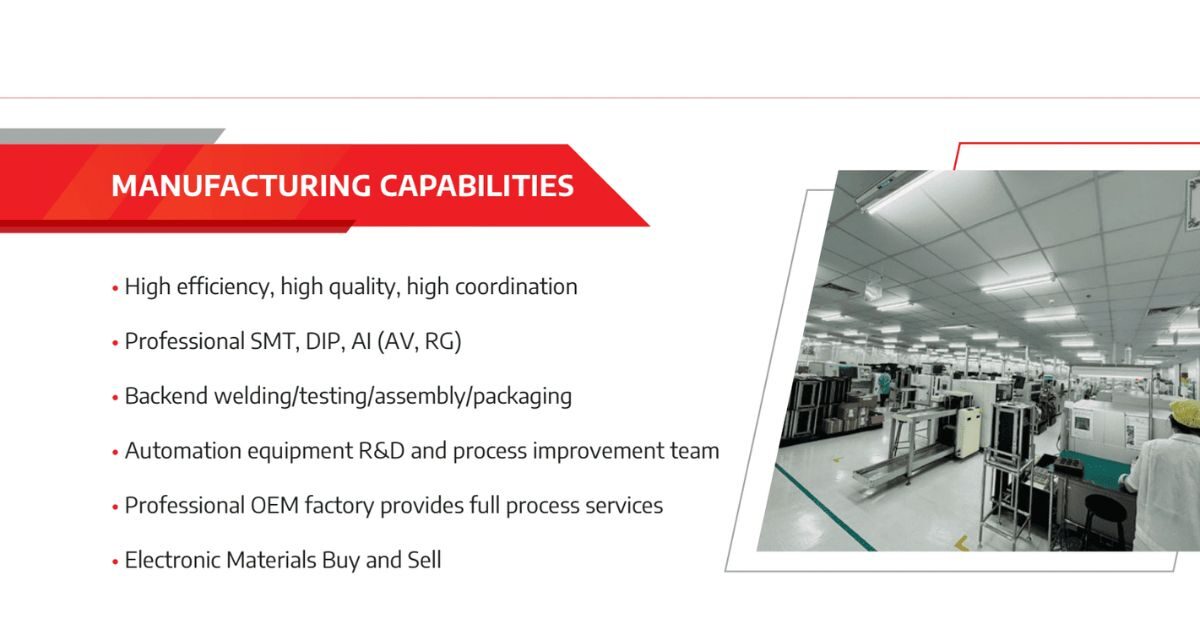
Testing capabilities include:
- AOI (Automated Optical Inspection)
- ICT and functional testing
- High-voltage and aging tests
These are integrated into the production workflow rather than treated as optional steps.
Experience in Power Electronics
SHDC has experience in manufacturing:
- GaN fast chargers (65W–150W range)
- Consumer and industrial electronic products
This is particularly relevant for OEMs in power electronics applications.
Strategic Location for Global Supply Chains
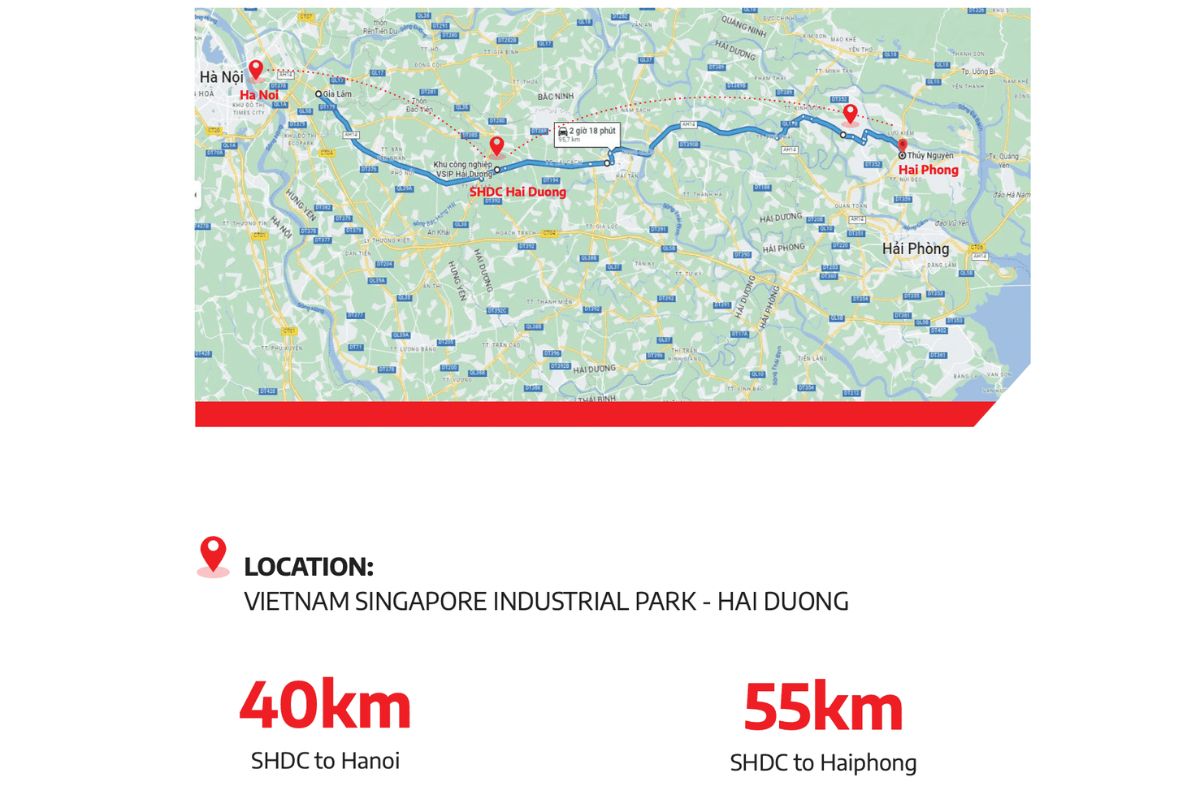
Located in Hai Duong, near Hanoi and Hai Phong port, SHDC enables efficient logistics for international customers
PCB Assembly Vietnam Pre-RFQ Checklist (Quick Reference)
Before sending an RFQ, make sure you have:
- Finalized Gerber files
- Complete and validated BOM
- Defined testing requirements
- Estimated production volume
- Timeline expectations
- Target cost range
FAQs
What information is required for a PCB assembly RFQ?
A complete RFQ includes Gerber files, BOM, assembly drawings, testing requirements, and production volume estimates.
How long does PCB assembly take in Vietnam?
Typical lead time ranges from 2–6 weeks depending on complexity and component sourcing.
Is Vietnam a reliable alternative to China for PCB assembly?
Yes, Vietnam is increasingly considered a reliable alternative due to competitive costs and growing EMS capabilities.
>>>Read more: China Alternative Electronics Manufacturing: Why Vietnam Is the Top Choice in 2026
Conclusion
Sending an RFQ is not just a procedural step—it is a critical decision point that determines cost, timeline, and product reliability. The most successful OEMs are not those who move fastest, but those who prepare most thoroughly. If you are planning a PCB assembly project in Vietnam, aligning your RFQ with a capable manufacturing partner from the start can significantly reduce risk and accelerate time-to-market.
