Tiếng Việt
 日本語
日本語
Launching a product into mass production requires more than a completed design. Manufacturers must ensure that production processes, suppliers, equipment, quality systems, and operations are fully prepared before manufacturing begins. A Production Readiness Assessment provides a structured way to evaluate these areas, helping organizations identify gaps, reduce risks, and improve the likelihood of a successful product launch.
Whether you are preparing a new electronics product, industrial equipment, or consumer device, conducting a production readiness assessment before mass production can save significant time and cost while improving product quality.
What Is a Production Readiness Assessment?
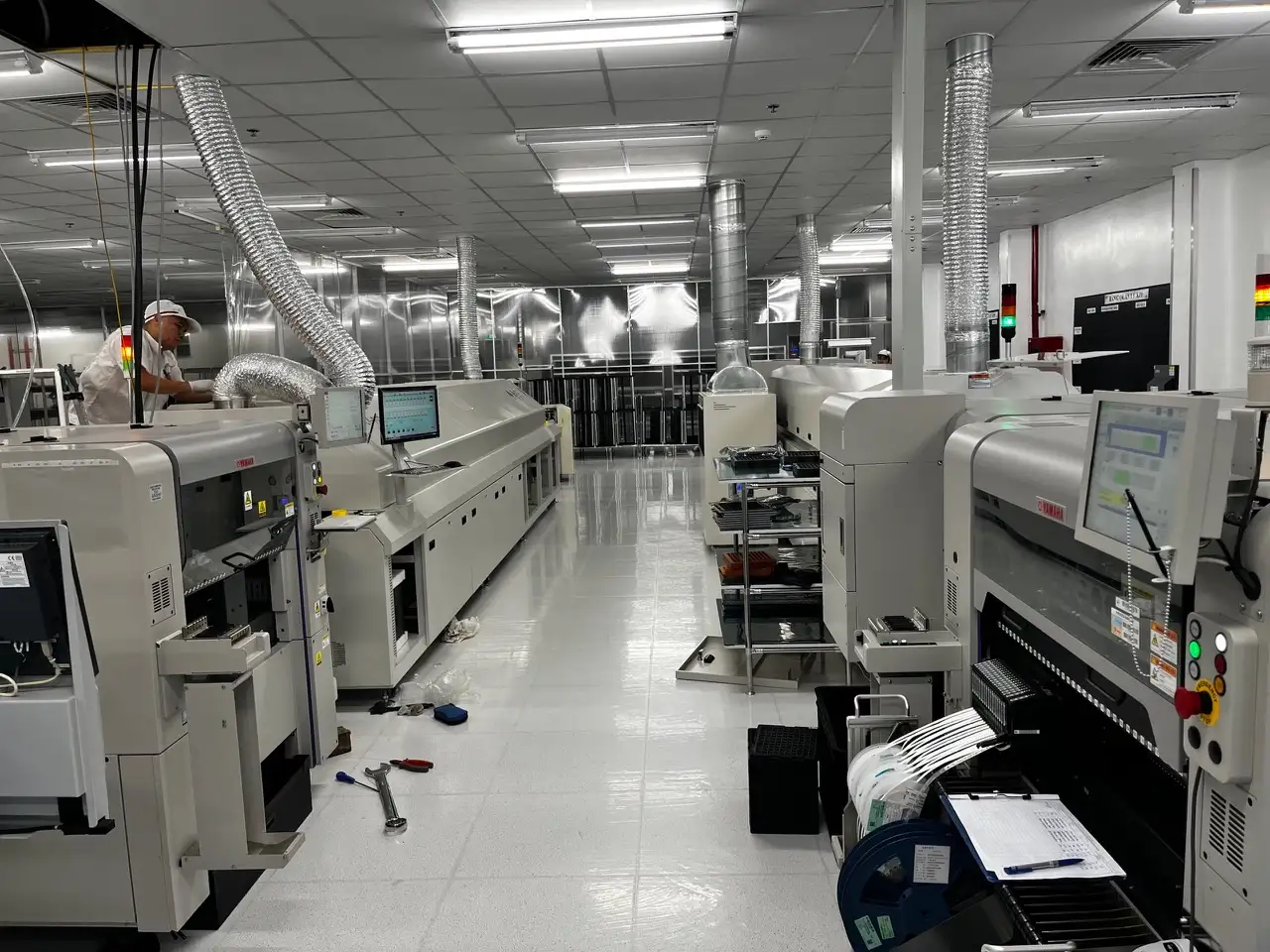
A Production Readiness Assessment (PRA) is a systematic evaluation used to determine whether a product, manufacturing process, and production organization are fully prepared to support stable, repeatable, and high-volume manufacturing.
Unlike a design review, which focuses primarily on product functionality, a production readiness assessment evaluates the entire manufacturing ecosystem, including engineering, production, quality, supply chain, testing, documentation, and logistics.
The primary goal is to answer one essential question:
Is the organization ready to manufacture this product consistently at the required quality, volume, and delivery schedule?
A comprehensive assessment enables manufacturers to identify potential issues before they become costly production problems.
Production Readiness Assessment vs. Production Readiness Review
Although these terms are often used interchangeably, they serve different purposes.
A Production Readiness Assessment focuses on evaluating the current state of manufacturing readiness by measuring predefined criteria across multiple functional areas.
A Production Readiness Review (PRR) is the formal decision-making process where stakeholders review assessment results, discuss outstanding risks, and determine whether production should proceed.
Simply put:
- Assessment measures readiness.
- Review approves readiness.
Organizations that combine both processes generally experience fewer production issues during product launches.
Production Readiness Assessment vs. Production Readiness Checklist
A checklist is a verification tool that confirms specific tasks have been completed.
An assessment goes further by evaluating whether those completed tasks are sufficient to support successful production.
For example, confirming that work instructions exist is a checklist item. Evaluating whether operators can consistently follow those instructions is part of the assessment.
Why Is Production Readiness Assessment Important?
Manufacturing failures rarely occur because of a single problem. More often, they result from multiple small issues that remain unnoticed until production begins.
A Production Readiness Assessment helps organizations uncover these issues early, when corrective actions are faster and less expensive.
Identify Manufacturing Risks Early
Production readiness assessments reveal hidden risks before they impact customers.
Common examples include:
- Incomplete production documentation
- Supplier capacity limitations
- Insufficient operator training
- Unqualified tooling
- Weak inspection plans
- Production bottlenecks
Addressing these issues before production starts significantly reduces the likelihood of delays and quality problems.
Validate Manufacturing Capability
Successfully producing prototypes does not necessarily mean a factory is ready for mass production.
A readiness assessment evaluates whether manufacturing resources—including people, equipment, facilities, and production systems—can consistently achieve required production targets.
This validation helps organizations avoid unexpected capacity constraints during production ramp-up.
Improve Product Quality
High-quality manufacturing begins long before the first production unit is built.
A production readiness assessment confirms that quality requirements are integrated throughout the manufacturing process, including incoming inspection, in-process controls, testing, final inspection, and packaging verification.
Rather than relying solely on end-of-line inspection, manufacturers can build quality into every production stage.
Reduce Production Delays
Production delays often originate from preventable issues such as material shortages, incomplete documentation, engineering changes, or unstable production processes.
Evaluating readiness before production allows teams to resolve these problems proactively, reducing schedule disruptions and improving on-time delivery.
Support Better Go / No-Go Decisions
One of the greatest advantages of a Production Readiness Assessment is providing objective information for production approval.
Instead of relying on assumptions, management teams can make informed decisions based on documented evidence covering design maturity, manufacturing capability, quality performance, supplier readiness, and operational risk.
When Should a Production Readiness Assessment Be Conducted?
Production readiness should be evaluated throughout product development rather than only before mass production.
Key assessment milestones include:
Before Pilot Production
Pilot production validates whether manufacturing processes, tooling, equipment, and work instructions perform as expected under production conditions.
This stage provides valuable feedback before significant investments are made in volume production.
Before Production Validation Testing (PVT)
Production Validation Testing confirms that manufacturing processes are capable of producing consistent, repeatable results.
Conducting a readiness assessment before PVT helps identify gaps that could affect production yield or product reliability.
Before Mass Production
Before approving high-volume manufacturing, organizations should verify that all critical production activities have been successfully completed.
This includes engineering validation, supplier qualification, quality planning, production documentation, and manufacturing capability.
Before Manufacturing Transfer
When transferring production between facilities or contract manufacturers, another readiness assessment helps ensure manufacturing knowledge, tooling, documentation, and quality standards are transferred successfully.
Before Approving New Suppliers
Supplier performance directly impacts production stability.
Evaluating supplier capability before onboarding new manufacturing partners helps reduce risks associated with quality, delivery, and capacity.
Production Readiness Assessment Framework
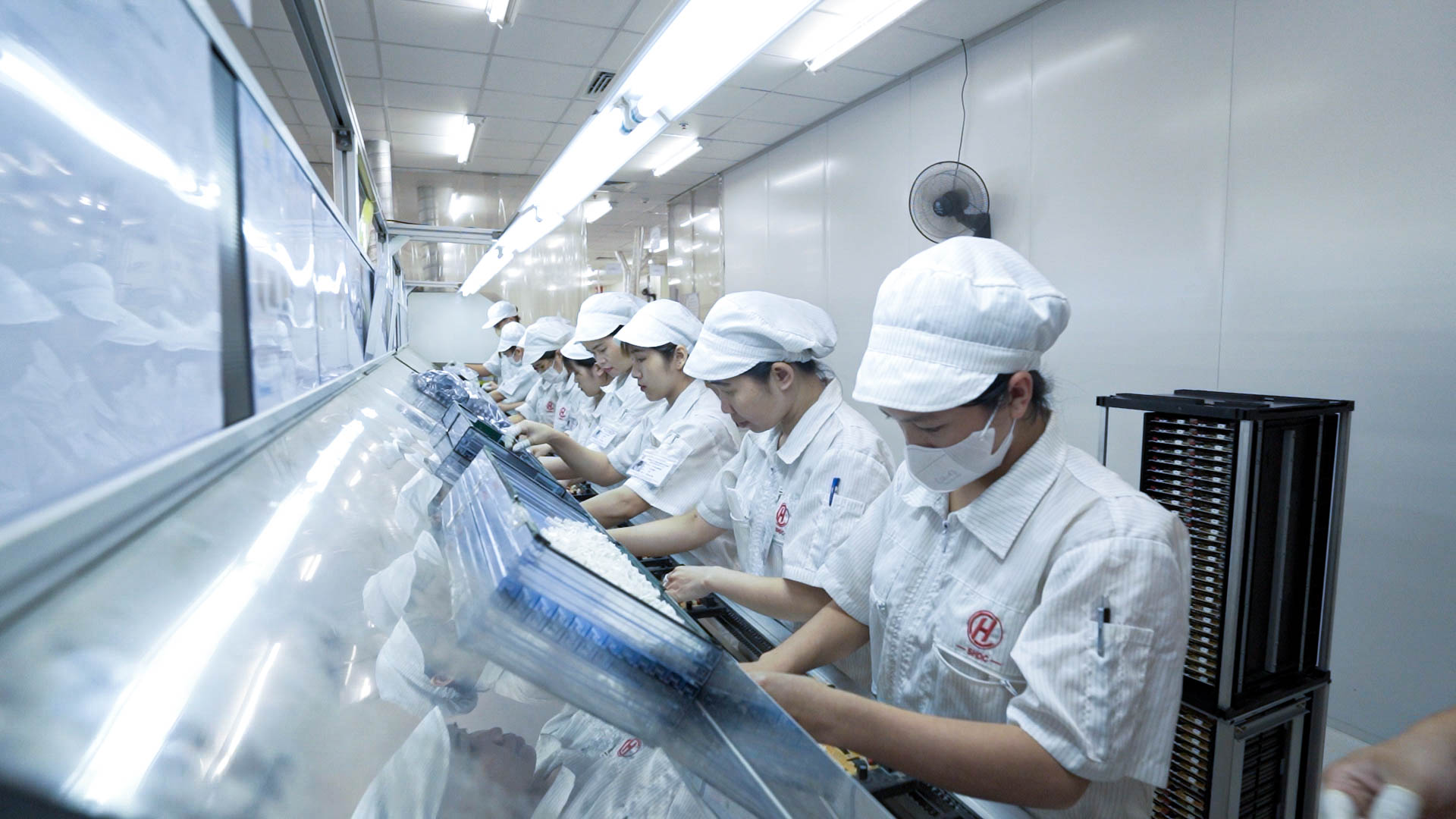
An effective Production Readiness Assessment evaluates every major function involved in manufacturing. The following framework provides a practical approach that can be adapted across industries.
1. Product Design Readiness
The assessment begins by confirming that the product design is stable and approved.
Evaluation areas include:
- Design freeze status
- Engineering drawings
- Product specifications
- Bill of Materials (BOM)
- Engineering Change Orders
- Regulatory requirements
Products that continue to undergo frequent design changes are generally not suitable for mass production.
2. Manufacturing Process Readiness
The next step evaluates whether manufacturing processes are fully documented, validated, and repeatable.
Review items include:
- Manufacturing process flow
- Standard Operating Procedures
- Work Instructions
- Assembly sequence
- Production line balance
- Process capability
The objective is to ensure operators can consistently build products according to defined quality standards.
3. Equipment and Tooling Readiness
Manufacturing equipment should be fully qualified before production begins.
Assessment areas include:
- Machine qualification
- Equipment calibration
- Preventive maintenance
- Production fixtures
- Testing equipment
- Spare parts availability
Reliable equipment reduces variation and improves production efficiency.
4. Supplier and Material Readiness
Material shortages remain one of the leading causes of production delays.
A supplier readiness assessment should evaluate:
- Approved supplier list
- Material availability
- Component lead times
- Supplier quality history
- Capacity planning
- Alternative sourcing strategies
Organizations with diversified supply chains are generally better prepared to manage unexpected disruptions.
5. Quality Control Readiness
A comprehensive quality plan should cover every stage of production.
Assessment criteria typically include:
- Incoming Quality Control (IQC)
- In-Process Quality Control (IPQC)
- Outgoing Quality Control (OQC)
- Inspection criteria
- Test coverage
- Defect classification
- Acceptance standards
Quality should be embedded throughout manufacturing rather than relying solely on final inspection.
6. Testing and Validation Readiness
Before production begins, manufacturers should verify that testing processes are capable of detecting defects consistently and efficiently. Testing is not only about identifying failures but also about confirming that the manufacturing process can repeatedly produce products that meet performance and reliability requirements.
A comprehensive testing strategy should include:
- Functional Testing (FCT)
- In-Circuit Testing (ICT)
- Automated Optical Inspection (AOI)
- Burn-in testing
- Reliability testing
- High-voltage or safety testing (where applicable)
Test equipment should be calibrated, validated, and capable of supporting the planned production volume. In addition, manufacturers should review test coverage to ensure critical product functions are verified before shipment.
7. Documentation Readiness
Accurate and controlled documentation is essential for consistent manufacturing.
During a Production Readiness Assessment, review whether the following documents have been completed and approved:
- Bill of Materials (BOM)
- Manufacturing process flow
- Standard Operating Procedures (SOP)
- Work Instructions (WI)
- Inspection standards
- Test procedures
- Packaging specifications
- Product labeling requirements
- Engineering change records
Using outdated documentation is one of the most common causes of manufacturing errors. A formal document control process helps ensure production teams always work with the latest approved revisions.
8. Risk Management Readiness
Every manufacturing project carries some level of risk. A Production Readiness Assessment should identify and prioritize these risks before mass production begins.
Typical assessment areas include:
- Product design risks
- Process capability
- Supplier dependency
- Equipment reliability
- Production capacity
- Logistics constraints
- Regulatory compliance
Many manufacturers use structured risk management tools such as Design Failure Mode and Effects Analysis (DFMEA), Process Failure Mode and Effects Analysis (PFMEA), Control Plans, and Corrective and Preventive Actions (CAPA) to reduce production risks and improve process stability.
9. Logistics and Packaging Readiness
Manufacturing readiness extends beyond the production floor. Products must also be packaged, labeled, stored, and shipped efficiently.
The logistics assessment should evaluate:
- Packaging validation
- Shipping carton design
- Product labeling
- Barcode verification
- Warehouse readiness
- Inventory management
- Transportation planning
- Export documentation
A well-planned logistics strategy reduces shipping damage, improves delivery performance, and supports customer satisfaction.
10. Workforce and Operational Readiness
People remain one of the most important factors in manufacturing success.
Before production begins, organizations should confirm that production personnel have received adequate training and understand the manufacturing process.
Assessment areas include:
- Operator training
- Production staffing
- Shift planning
- Equipment maintenance support
- Production scheduling
- Safety procedures
- Performance monitoring
Well-trained teams improve consistency, reduce defects, and respond more effectively to production issues.
Production Readiness Assessment Process
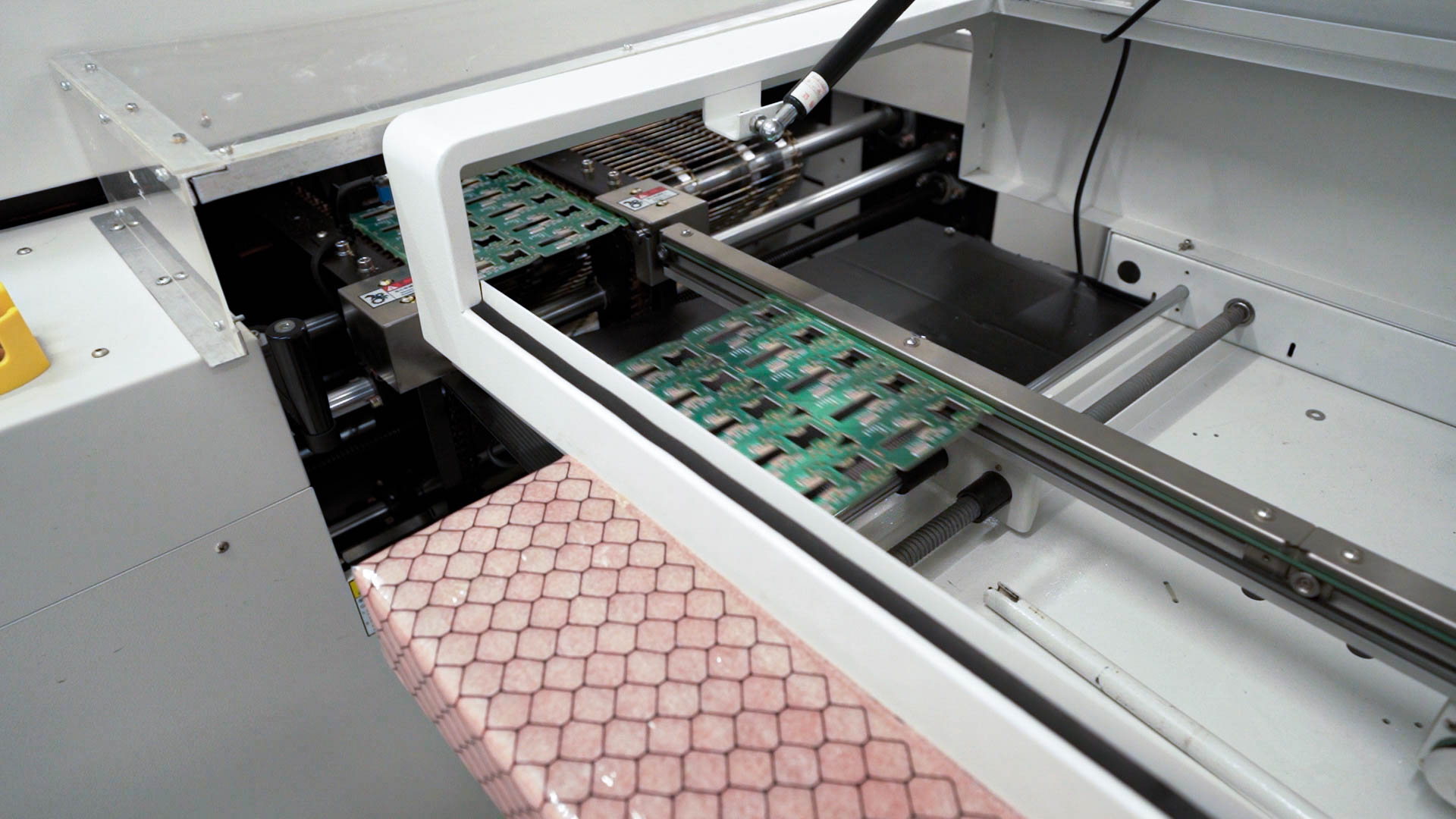
Although every manufacturer follows its own product development process, most Production Readiness Assessments follow a similar sequence.
Step 1 – Define the Assessment Scope
Identify which product, production line, manufacturing site, or supplier will be evaluated. Define the assessment objectives and assign responsibilities to each department.
Step 2 – Collect Supporting Documentation
Gather all required engineering, manufacturing, quality, supplier, and logistics documents before the assessment begins.
Step 3 – Evaluate Each Readiness Area
Review every section of the assessment framework using objective evidence rather than assumptions.
Step 4 – Identify Gaps and Risks
Document any findings that could affect production quality, cost, delivery, or product performance. Assign a risk level based on severity and likelihood.
Step 5 – Implement Corrective Actions
Assign ownership for each issue, establish deadlines, and verify corrective actions before production approval.
Step 6 – Validate Improvements
Reassess any areas where corrective actions were implemented to confirm that risks have been eliminated or reduced to an acceptable level.
Step 7 – Support the Go/No-Go Decision
The final assessment report provides management with objective evidence to determine whether the product is ready for mass production or whether additional work is required.
Production Readiness Assessment Criteria
A robust assessment should evaluate readiness across several functional areas rather than focusing solely on engineering.
| Assessment Area | Key Evaluation Points |
|---|---|
| Product Design | Design freeze, specifications, BOM |
| Manufacturing | Process capability, work instructions, production flow |
| Equipment | Calibration, maintenance, tooling |
| Quality | Inspection plans, testing, acceptance criteria |
| Suppliers | Capacity, material availability, delivery performance |
| Documentation | Controlled revisions, technical documents |
| Logistics | Packaging, warehousing, shipping readiness |
| Operations | Workforce, production planning, maintenance |
Using standardized criteria improves consistency across different products and manufacturing programs.
Common Production Readiness Assessment Mistakes
Even experienced manufacturers can encounter problems when readiness assessments are incomplete or performed too late.
Some of the most common mistakes include:
Starting Too Late
Waiting until just before production leaves little time to correct engineering or manufacturing issues.
Focusing Only on Product Design
Manufacturing readiness depends on much more than design. Equipment, suppliers, documentation, quality systems, and operations must also be evaluated.
Ignoring Supplier Risks
Late material deliveries or inconsistent component quality can delay production even when internal manufacturing is fully prepared.
Poor Documentation Control
Outdated work instructions or incorrect Bills of Materials frequently lead to assembly errors and production delays.
Approving Production with Open Critical Issues
Production should never begin while significant quality, engineering, or supplier issues remain unresolved.
Best Practices for Production Readiness Assessment
Organizations with mature manufacturing systems typically follow several common best practices.
- Begin readiness assessments early during product development.
- Involve engineering, manufacturing, quality, procurement, and supply chain teams.
- Use standardized assessment criteria for every project.
- Base decisions on measurable production data rather than assumptions.
- Track corrective actions until they are fully verified.
- Repeat assessments whenever significant engineering or supplier changes occur.
These practices help create a repeatable production process while reducing manufacturing risk.
How SHDC Supports Production Readiness Assessment
A successful Production Readiness Assessment requires more than documentation—it depends on having the manufacturing capability to execute every stage of production consistently.
SHDC Electronics supports customers throughout this process by combining engineering expertise with comprehensive Electronics Manufacturing Services (EMS). The company’s capabilities include SMT assembly, DIP assembly, functional testing, final assembly, packaging, and continuous process improvement.
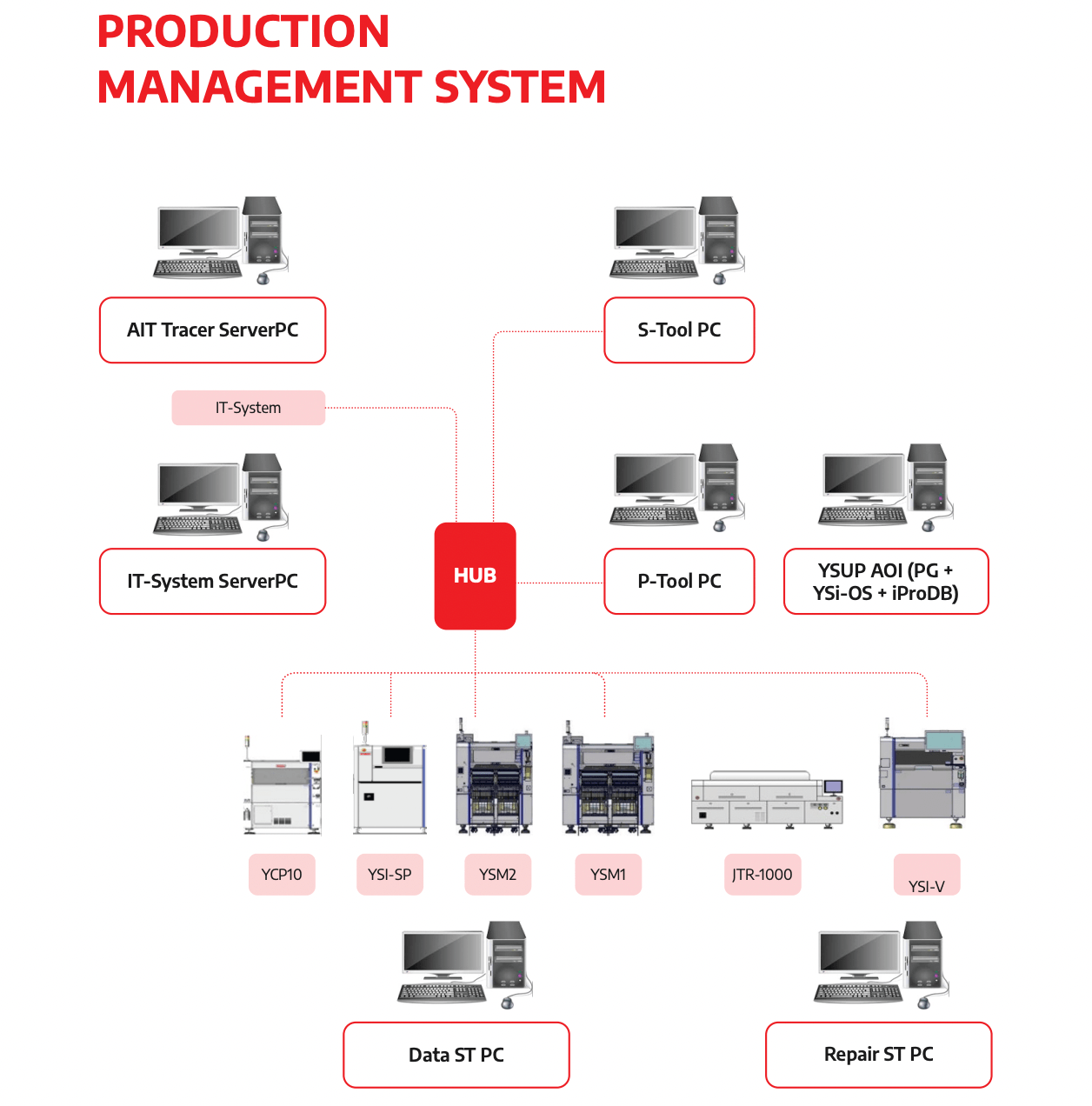
To improve production visibility and quality control, SHDC also utilizes integrated production management systems, including ERP, PLM, SCM, and MES/QMS. These systems help manage production planning, traceability, inventory, and quality data while supporting more efficient manufacturing operations. The company profile also highlights end-to-end production capabilities, including SMT, DIP, testing, assembly, packaging, and quality inspection, allowing customers to move from product development to mass production with greater confidence.
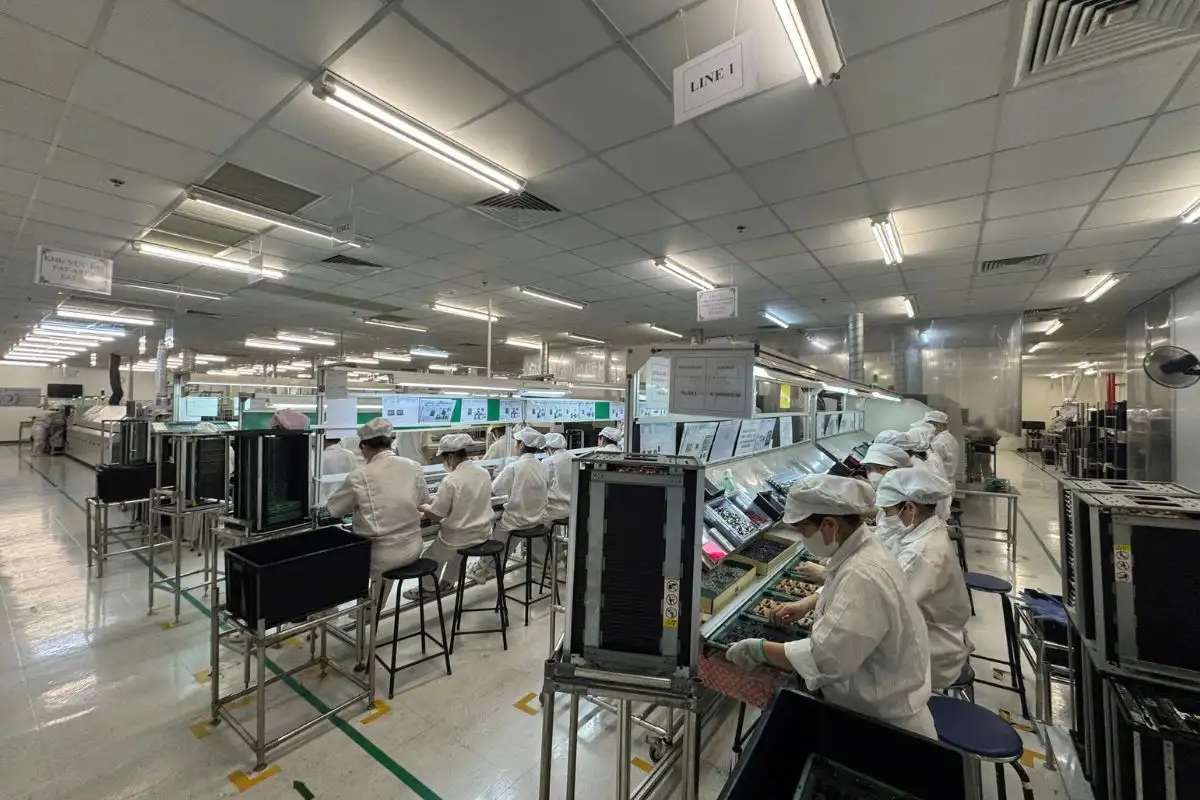
By integrating engineering, manufacturing, quality assurance, and supply chain management, SHDC helps OEMs reduce production risks while improving product quality, delivery performance, and operational efficiency.
>>>Read more: Winsler Fast Charger Manufacturing in Vietnam: From PCBA to Final Assembly at SHDC
Frequently Asked Questions
What is a Production Readiness Assessment?
A Production Readiness Assessment is a structured evaluation that measures whether a product, manufacturing process, suppliers, quality systems, and operations are fully prepared for mass production.
Who should conduct a Production Readiness Assessment?
A cross-functional team that includes engineering, manufacturing, quality assurance, procurement, supply chain, and production management should participate in the assessment.
What is included in a Production Readiness Assessment?
Typical assessment areas include product design, manufacturing processes, equipment, supplier readiness, testing, quality planning, documentation, logistics, workforce readiness, and operational risk.
When should a Production Readiness Assessment be performed?
It is recommended before pilot production, Production Validation Testing (PVT), manufacturing transfer, major engineering changes, and mass production.
How does a Production Readiness Assessment differ from a Production Readiness Review?
A Production Readiness Assessment measures manufacturing readiness using defined evaluation criteria, while a Production Readiness Review is the formal decision-making process used to determine whether production should proceed.
Conclusion
A Production Readiness Assessment provides manufacturers with a practical framework for evaluating whether every aspect of production is prepared before volume manufacturing begins. By assessing product design, manufacturing capability, quality systems, supplier readiness, testing strategies, documentation, logistics, and workforce preparedness, organizations can significantly reduce production risks and improve launch success.
Rather than viewing production readiness as a final checkpoint, manufacturers should integrate readiness assessments throughout the product development lifecycle. Early identification of issues allows teams to implement corrective actions before they affect production schedules, quality, or customer satisfaction.
For companies seeking a reliable electronics manufacturing partner, combining a structured Production Readiness Assessment with experienced engineering support and proven manufacturing capabilities creates a stronger foundation for successful product launches and long-term production performance.