
 Tiếng Việt
 日本語
日本語
A Production Readiness Checklist helps manufacturers, OEMs, product teams, and supply chain leaders confirm that a product is truly ready before moving into mass production. For U.S. companies sourcing electronics, industrial devices, consumer products, medical device components, or custom assemblies overseas, production readiness is not only about whether the design works. It is about whether the entire manufacturing system can repeatedly produce the product at the required quality, cost, lead time, and volume.
Many production problems do not happen because the product idea is weak. They happen because teams move too quickly from prototype to volume production without validating suppliers, materials, tooling, process capability, test coverage, quality standards, packaging, documentation, and traceability.
A strong Production Readiness Checklist reduces that risk. Before mass production begins, every critical part of the manufacturing plan should be reviewed by engineering, quality, procurement, operations, and supplier teams. This checklist gives U.S. OEMs and product companies a practical framework for evaluating whether a factory, product, and process are ready for scalable production.
What Is a Production Readiness Checklist?

A Production Readiness Checklist is a structured list of technical, operational, quality, and supply chain requirements that must be completed before a product enters mass production.
It is commonly used before:
- Pilot production
- First production run
- Manufacturing transfer
- Product launch
- Supplier onboarding
- Production ramp-up
- Contract manufacturing handoff
- New Product Introduction (NPI)
For electronics manufacturing, production readiness often connects directly with NPI in electronics manufacturing, DFM, supplier qualification, PCBA testing, manufacturing process validation, and quality control planning.
The checklist should answer one core question:
Can this product be manufactured repeatedly, at scale, with stable quality and controlled risk?
If the answer is not clearly yes, the product may not be ready for mass production.
>>>Read more: Production Readiness: Complete Guide to Preparing for Mass Production
Why a Production Readiness Checklist Matters Before Mass Production
Mass production is where small gaps become expensive problems. A missing work instruction, unstable supplier, unverified fixture, incomplete BOM, unclear inspection standard, or weak test process can quickly create scrap, rework, delivery delays, warranty claims, and customer dissatisfaction.
A production readiness checklist helps prevent these issues by forcing the team to review every major production factor before committing to volume.
For U.S. companies outsourcing manufacturing to Vietnam or other overseas locations, this is especially important. Distance, time zones, language differences, logistics lead time, tariff planning, and supplier communication all increase the cost of production mistakes. This is why many U.S. OEMs also perform electronics supplier due diligence and use an electronics factory audit checklist before awarding mass production orders.
A good checklist helps companies:
- Reduce production risks
- Improve first-pass yield
- Prevent avoidable quality defects
- Validate supplier readiness
- Confirm material availability
- Improve launch timing
- Reduce rework and scrap
- Strengthen communication with the contract manufacturer
- Build confidence before the first mass production run
Production Readiness Checklist vs. Production Readiness Review
A Production Readiness Checklist and a Production Readiness Review are closely related, but they are not exactly the same.
A Production Readiness Checklist is the actual list of items that must be verified. It is practical, detailed, and task-based.
A Production Readiness Review is the formal meeting or approval process where stakeholders review the checklist, discuss risks, assign action items, and decide whether production can proceed.
In simple terms:
- Checklist: What must be checked
- Review: Who reviews it and approves the go/no-go decision
For most companies, the best approach is to use both. The checklist provides structure, while the review creates accountability.
Who Should Use This Production Readiness Checklist?
This checklist is designed for teams preparing to move from prototype, pilot build, or engineering validation into mass production.
It is especially useful for:
- U.S. OEMs sourcing overseas
- Hardware startups preparing for launch
- Product managers managing manufacturing transfer
- Manufacturing engineers validating process flow
- Quality engineers preparing inspection plans
- Supply chain teams qualifying suppliers
- Operations managers planning production ramp-up
- Contract manufacturers supporting new customer programs
- Electronics companies working with EMS partners
For companies outsourcing electronics, working with the right electronics manufacturing services company can make this process much easier because production readiness should be built into the supplier’s engineering, quality, and manufacturing systems.
When Should You Use a Production Readiness Checklist?
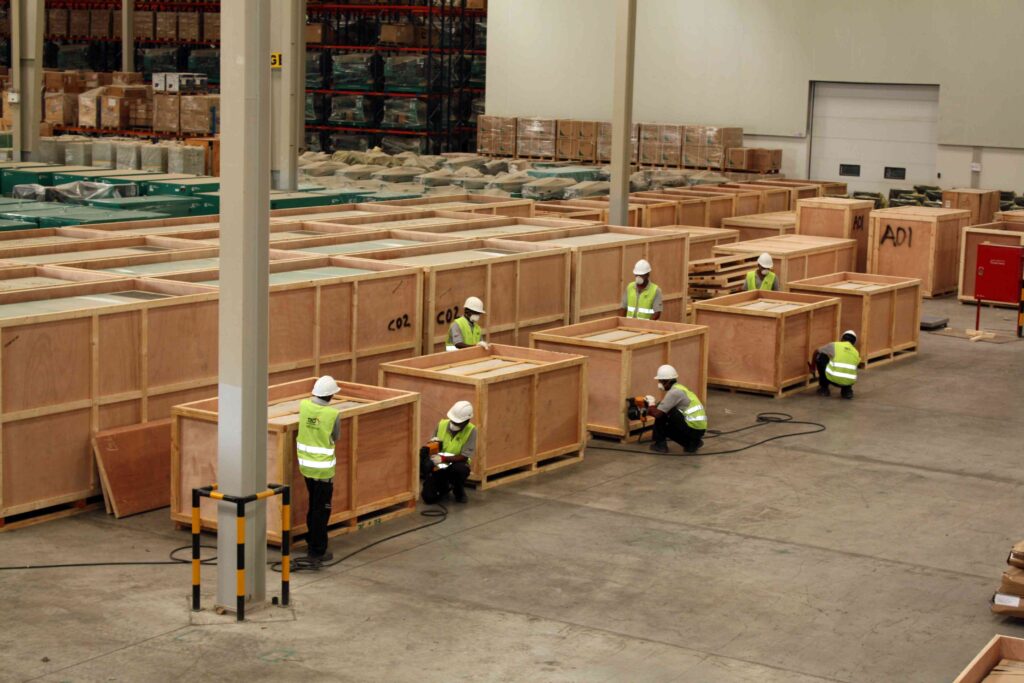
A Production Readiness Checklist should be used before any major production milestone. It should not be left until the final week before mass production. By then, many risks are already expensive to fix.
Use the checklist during:
Before Pilot Production
Pilot production is the first real opportunity to test whether the product can be built using production-intent materials, equipment, workers, fixtures, and process flow. Before this stage, the team should confirm that drawings, BOMs, suppliers, tooling, and test procedures are ready.
Before the First Mass Production Run
Before approving the first large-volume build, the team should confirm that pilot production issues were resolved, process controls are stable, inspection standards are clear, and operators are trained.
Before Manufacturing Transfer
If production is moving from one factory to another, or from an engineering site to a contract manufacturer, the checklist helps ensure that technical documents, tooling, process knowledge, quality standards, and test requirements are transferred correctly.
Before Scaling Production
A process that works for 100 units may not work for 10,000 units. Production readiness should be reviewed again before increasing volume, adding production lines, changing suppliers, or expanding to new markets.
>>>Read more: Production Readiness Assessment: Framework, Process & Best Practices
Production Readiness Checklist: 20 Essential Steps Before Mass Production
Below are the 20 essential steps every manufacturing team should review before mass production.
1. Confirm Product Design Is Finalized
The first step in any Production Readiness Checklist is confirming that the product design is stable and approved.
Mass production should not begin while the design is still changing. Frequent design changes during production can cause material waste, tooling delays, quality confusion, supplier mistakes, and documentation errors.
Before production begins, confirm that:
- Product specifications are approved
- Mechanical drawings are finalized
- Electrical design files are released
- Firmware or software versions are controlled
- Approved CAD files are available
- Engineering changes are documented
- Product requirements are frozen
- Customer approval has been received if required
For electronics products, this includes PCB layout, component selection, enclosure design, connector placement, thermal design, cable routing, and assembly requirements. If the product includes a printed circuit board, companies should clearly understand the difference between the bare board and the assembled board. A basic reference such as PCBA and PCB can help non-technical stakeholders understand this distinction.
A finalized design does not mean the product will never change. It means that any further change must go through a controlled process. For production programs, this is often handled through Engineering Change Orders. If your product is still changing frequently, it may be better to review the Engineering Change Orders process before approving mass production.
Readiness questions:
- Has the product design been frozen?
- Are all drawings and specifications approved?
- Are engineering changes controlled?
- Is the current design version clearly communicated to the supplier?
- Are old design revisions removed from production use?
2. Complete Design Verification Testing
Before a product enters mass production, the team must confirm that the design performs as intended. This is where design verification testing becomes critical.
Design verification testing checks whether the product meets functional, reliability, safety, environmental, and performance requirements. The goal is to prove that the design is technically ready before investing in larger production volumes.
Depending on the product, this may include:
- Functional testing
- Electrical performance testing
- Thermal testing
- Mechanical stress testing
- Drop testing
- Vibration testing
- Aging tests
- Safety checks
- Environmental testing
- Reliability testing
For electronics products, both functional testing in electronics manufacturing and reliability validation are important because some failures do not appear during basic power-on checks. A device may pass simple inspection but still fail under heat, vibration, continuous use, or load conditions.
Design verification should be completed before the company commits to expensive tooling, large material purchases, or mass production scheduling.
Readiness questions:
- Has the product passed functional testing?
- Have reliability risks been tested?
- Are test reports available?
- Were all failures documented and corrected?
- Has the customer approved the final test results?
3. Verify Manufacturing Process Flow
A product that works as a prototype may still fail in production if the manufacturing process is not clearly defined.
Before mass production, the factory should create and validate a complete process flow. This shows every step required to manufacture, assemble, inspect, test, package, and ship the product.
A manufacturing process flow may include:
- Incoming material inspection
- SMT production
- PCB assembly
- Mechanical assembly
- Cable assembly
- Firmware loading
- Functional testing
- Aging or burn-in
- Final inspection
- Packaging
- Labeling
- Shipment preparation
For PCBA products, the process may include solder paste printing, pick-and-place, reflow soldering, AOI, X-ray inspection, ICT, functional testing, conformal coating, and final assembly. A detailed explanation of the PCBA manufacturing process can help buyers understand how quality is built through each production stage.
The process flow should be realistic, documented, and tested during pilot production. It should also identify critical control points where inspection or testing is required.
Readiness questions:
- Is the full manufacturing process documented?
- Are all production steps clearly defined?
- Are inspection points included in the process flow?
- Are bottlenecks identified?
- Has the process been validated during pilot production?
4. Validate Production Equipment
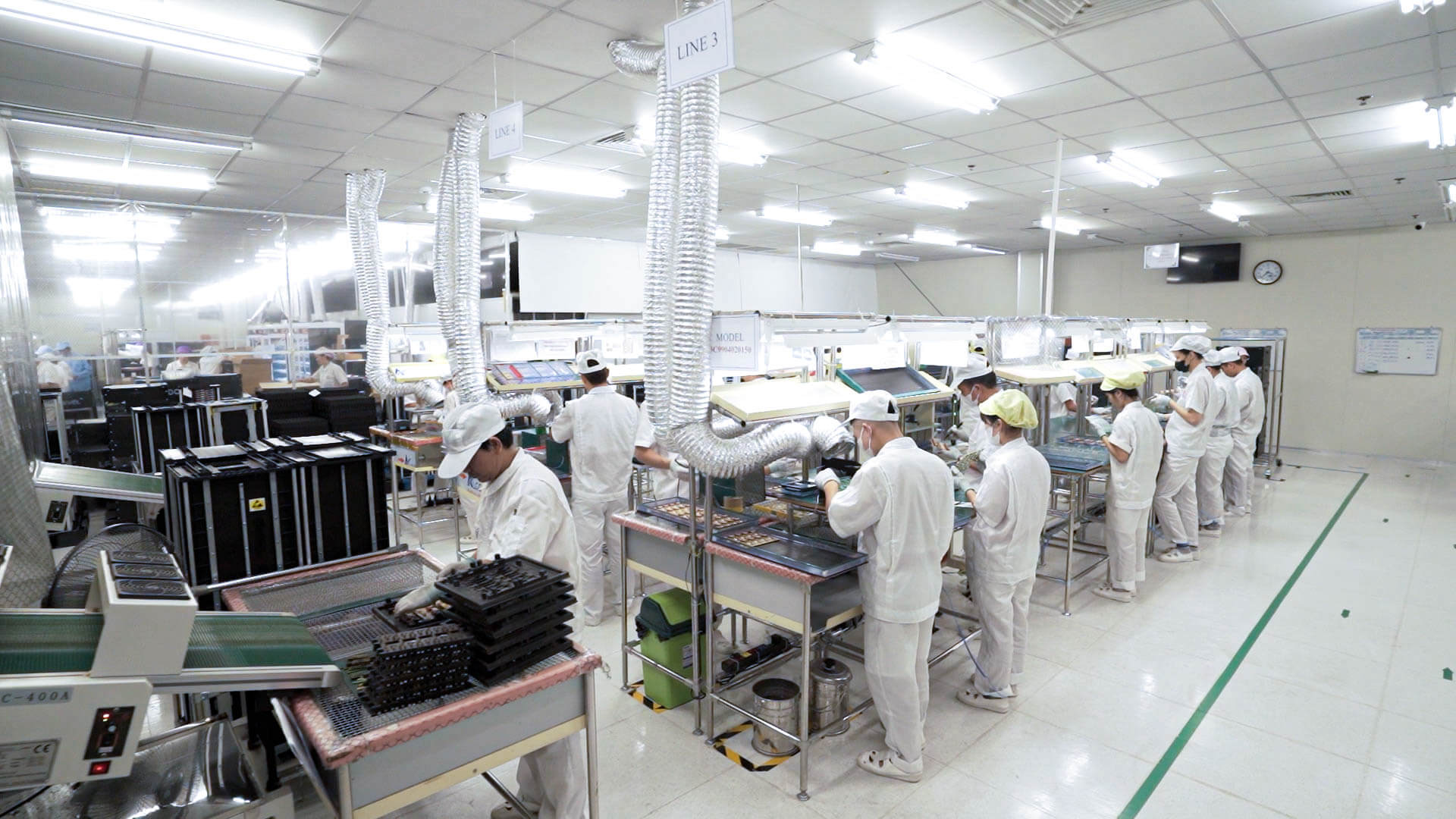
Production equipment must be ready before mass production starts. Even a well-designed product can fail if the machines, tools, or test systems are unstable.
Equipment validation confirms that machines can perform consistently within required tolerances.
This may include:
- Machine installation checks
- Calibration records
- Preventive maintenance plans
- Equipment qualification
- Safety checks
- Test system validation
- Production line setup review
- Spare parts availability
For electronics manufacturing, this may include SMT lines, reflow ovens, AOI machines, soldering equipment, test fixtures, programming stations, torque tools, dispensing machines, and packaging equipment.
The factory should also confirm that equipment capacity matches the planned production volume. A supplier may be able to build samples, but that does not automatically mean they can support mass production volume.
This is one reason U.S. OEMs should evaluate supplier capacity carefully when selecting a partner for contract electronics manufacturing.
Readiness questions:
- Is all production equipment installed and qualified?
- Are calibration records up to date?
- Is equipment capacity sufficient for forecasted demand?
- Are maintenance plans documented?
- Are backup machines or contingency plans available?
5. Prepare Tooling, Fixtures, and Jigs
Tooling and fixtures are essential for consistent mass production. They help operators assemble, align, hold, test, and inspect products correctly.
Before production begins, confirm that all required tooling is complete, approved, and available.
This may include:
- Injection molds
- Assembly fixtures
- Test fixtures
- Positioning jigs
- Soldering fixtures
- Torque fixtures
- Go/no-go gauges
- Packaging fixtures
- Labeling templates
- Custom inspection tools
Tooling should be tested before mass production. If tooling is inaccurate, unstable, or difficult to use, it can create repeat defects across thousands of units.
For box build products, fixtures may be needed for final assembly, cable routing, enclosure alignment, screw fastening, adhesive application, and final inspection. Companies working on complete product builds may benefit from reviewing box build assembly services to understand the difference between PCBA-only manufacturing and full product assembly.
Readiness questions:
- Are all tools and fixtures completed?
- Have fixtures been validated during pilot production?
- Are tooling drawings and maintenance plans available?
- Are operators trained to use fixtures correctly?
- Are spare tools available for high-volume production?
6. Approve Raw Materials and Components
Material readiness is one of the most important parts of production readiness. A factory cannot deliver stable quality if materials are inconsistent, unavailable, unapproved, or poorly controlled.
Before mass production, the team should approve all key materials and components.
This includes:
- Raw material specifications
- Approved vendor list
- Component datasheets
- Material certificates
- Incoming inspection standards
- Alternative material approval
- Storage requirements
- Shelf-life controls
- Packaging and handling requirements
For electronics, this includes PCBs, ICs, capacitors, resistors, connectors, cables, displays, batteries, enclosures, adhesives, labels, packaging materials, and fasteners.
Component availability is especially important for U.S. companies managing global electronics supply chains. Long lead-time parts, obsolete components, and single-source materials can delay production and increase costs. Strong electronics supply chain diversification can reduce dependency on one country, one supplier, or one high-risk component source.
Readiness questions:
- Are all materials approved?
- Are suppliers qualified?
- Are alternative components approved where needed?
- Are incoming inspection standards defined?
- Are long lead-time parts secured?
7. Verify Supplier Readiness
Supplier readiness is a major risk area before mass production. Even if the main factory is ready, the production plan can fail if upstream suppliers cannot deliver stable quality, volume, or lead time.
Supplier readiness should include both technical and commercial evaluation.
Review:
- Supplier capability
- Production capacity
- Quality system
- Delivery performance
- Financial stability
- Material traceability
- Backup supplier availability
- Communication process
- Corrective action history
- Compliance documentation
For overseas sourcing, supplier qualification is especially important because problems may not be visible until production is already delayed. A structured electronics supplier due diligence checklist can help U.S. OEMs evaluate whether a supplier is technically, financially, and operationally suitable.
If the supplier is new, companies should also consider a factory audit. An electronics factory audit checklist helps verify production capability, quality systems, equipment condition, workforce readiness, and process control before placing larger orders.
Readiness questions:
- Have all key suppliers been qualified?
- Can suppliers support forecasted demand?
- Are backup suppliers available for critical materials?
- Has supplier quality performance been reviewed?
- Are supplier corrective action processes in place?
8. Establish Quality Standards
Quality standards must be clear before production begins. If the buyer and manufacturer do not define quality expectations in advance, disputes are likely to happen later.
A strong Production Readiness Checklist should include quality requirements for every stage of production.
This includes:
- Incoming Quality Control
- In-Process Quality Control
- Outgoing Quality Control
- Visual inspection standards
- Functional test requirements
- Cosmetic acceptance criteria
- Critical-to-quality characteristics
- Defect classification
- Sampling plans
- Rework standards
- Final acceptance criteria
For electronics manufacturing, quality should be built into the process instead of relying only on final inspection. This includes SMT process control, AOI, X-ray when required, functional testing, and final system testing. If the product is a PCBA, companies should understand why PCBA testing must go beyond basic visual inspection.
Quality standards should also define how defects are classified:
- Critical defects
- Major defects
- Minor defects
Without this structure, the supplier may consider a defect acceptable while the customer considers it unacceptable.
Readiness questions:
- Are quality standards documented?
- Are inspection criteria clear?
- Are defect categories defined?
- Are test procedures approved?
- Are customer expectations aligned with factory inspection methods?
9. Complete Risk Assessment
Every product has manufacturing risks. The goal of risk assessment is not to eliminate every possible issue, but to identify the most serious risks before mass production starts.
Common production risks include:
- Design instability
- Supplier delays
- Process variation
- Tooling defects
- Test coverage gaps
- Operator error
- Material shortages
- Packaging failures
- Regulatory issues
- Low production yield
Manufacturing teams often use tools such as DFMEA, PFMEA, control plans, and process risk reviews to identify and reduce risk. For electronics programs, DFM is also important because many production risks can be reduced before the design reaches the factory. A strong DFM for electronics manufacturing process can help lower cost, improve yield, and prevent assembly problems.
Risk assessment should not be theoretical. Each major risk should have an owner, mitigation plan, due date, and verification method.
Readiness questions:
- Has the team completed a manufacturing risk review?
- Are high-risk process steps identified?
- Are corrective actions assigned?
- Are risk controls verified?
- Has the customer reviewed major production risks?
10. Validate Assembly Process
Assembly validation confirms that the product can be built consistently using the planned process, people, tools, and equipment.
This step is especially important for products with multiple parts, manual operations, cables, adhesives, screws, enclosures, labels, or final packaging requirements.
The team should review:
- Assembly sequence
- Work instructions
- Operator ergonomics
- Cycle time
- Fixture usage
- Torque requirements
- Adhesive or curing process
- Cable routing
- Connector alignment
- Cosmetic handling
- Rework process
For electronics and electromechanical products, assembly validation may include both PCBA assembly and final box build. If the product includes a complete enclosure, cable, label, display, power supply, and packaging, a full turnkey electronics manufacturing approach may be more suitable than PCBA-only production.
Assembly validation should be performed during pilot production. The goal is to confirm that operators can build the product repeatedly without confusion, excessive rework, or quality variation.
Readiness questions:
- Is the assembly process documented?
- Are work instructions clear and visual?
- Can operators complete assembly consistently?
- Are cycle times realistic?
- Were assembly problems found and corrected during pilot production?
11. Conduct Pilot Production
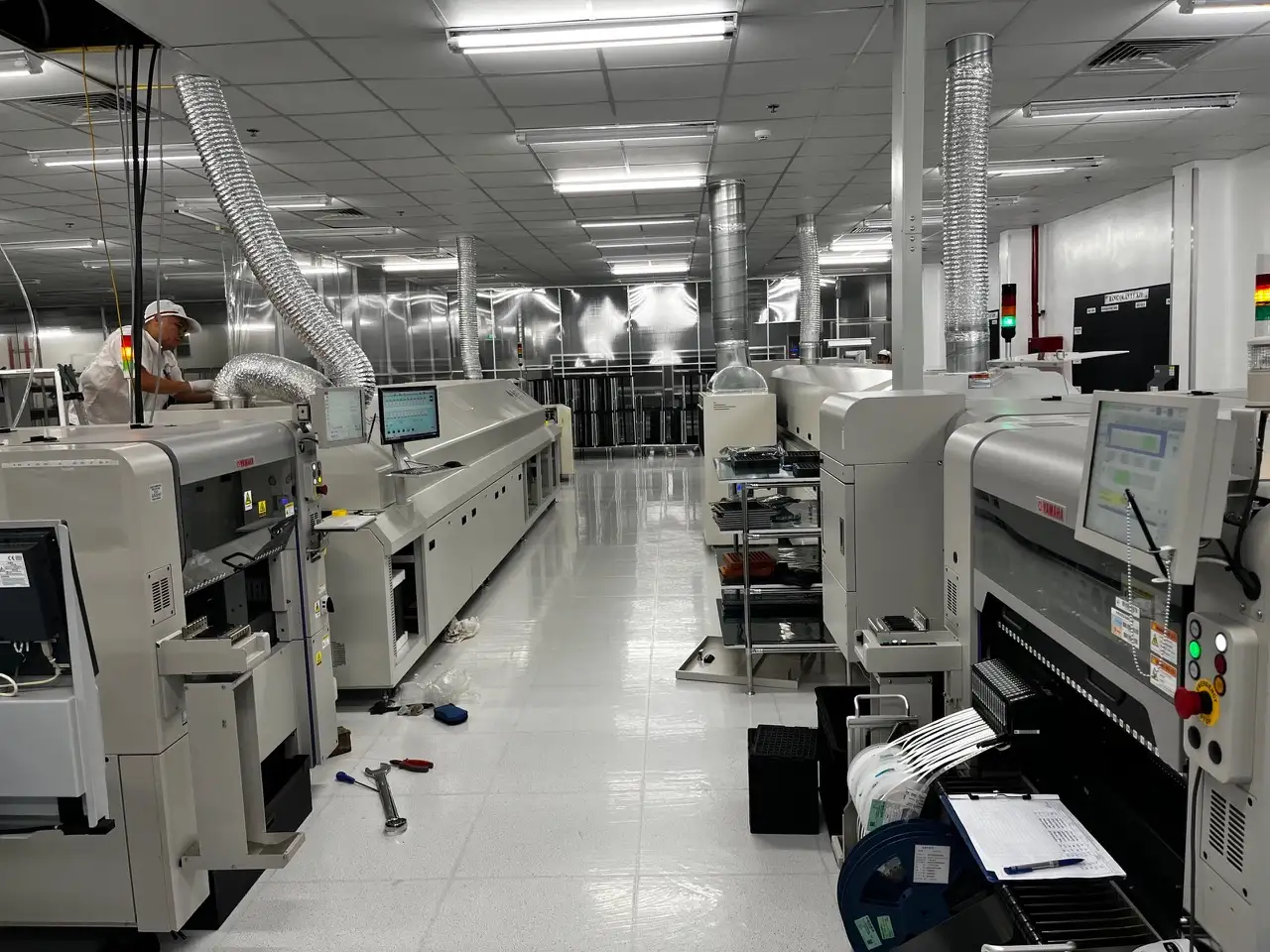
Pilot production verifies that the manufacturing process performs as expected before full-scale production. It provides an opportunity to identify assembly issues, optimize workflows, and improve product quality.
Before moving forward, confirm that:
- Pilot build objectives are achieved
- Process issues are documented and resolved
- Production yield meets expectations
- Operators can consistently follow work instructions
12. Verify Product Performance
Every product should undergo final performance validation before mass production. Testing should confirm that the product performs consistently under normal operating conditions.
Typical validation includes:
- Functional testing
- Reliability testing
- Safety verification
- Performance evaluation
Ensure all test reports are reviewed and approved before production begins.
13. Review Regulatory Compliance
Products sold in different markets must comply with applicable regulations and industry standards.
Review:
- Product certifications
- Environmental requirements
- Customer specifications
- Market-specific regulations
- Product labeling requirements
Compliance should be confirmed before shipping any production units.
14. Prepare Production Documentation
Complete documentation ensures production consistency and minimizes operator errors.
Key documents include:
- Bill of Materials (BOM)
- Standard Operating Procedures (SOP)
- Assembly drawings
- Inspection standards
- Test procedures
- Packaging instructions
Document control procedures should ensure that only the latest revisions are used on the production floor.
15. Confirm Traceability System
An effective traceability system makes it easier to investigate quality issues and manage recalls if necessary.
Verify that the factory can trace:
- Raw materials
- Components
- Production batches
- Operators
- Test results
- Serial numbers
Complete traceability improves quality management and customer confidence.
16. Validate Packaging
Packaging protects products throughout transportation and storage.
Review:
- Packaging materials
- Carton strength
- Label accuracy
- Shipping marks
- Drop protection
- Pallet configuration
Packaging validation helps reduce shipping damage and logistics costs.
17. Review Inventory Planning
Production cannot run efficiently without sufficient material availability.
Confirm:
- Raw material inventory
- Safety stock levels
- Supplier lead times
- Production schedule
- Warehouse capacity
Proper planning reduces production interruptions caused by material shortages.
18. Train Production Operators
Even the best manufacturing process depends on well-trained operators.
Training should cover:
- Assembly procedures
- Inspection methods
- Safety requirements
- Quality standards
- Equipment operation
Regular training improves consistency and reduces production defects.
19. Prepare Maintenance and Support Plans
Equipment failures can significantly impact production schedules.
Before production begins, verify:
- Preventive maintenance schedules
- Spare parts inventory
- Equipment calibration
- Maintenance documentation
- Technical support procedures
A proactive maintenance plan minimizes unexpected downtime.
20. Final Production Readiness Approval
The final step is obtaining formal approval to begin mass production.
The approval team should review:
- Product design status
- Quality readiness
- Supplier readiness
- Equipment qualification
- Documentation completeness
- Risk assessment
- Pilot production results
Only after all critical items have been approved should production move to full-scale manufacturing.
Common Production Readiness Mistakes
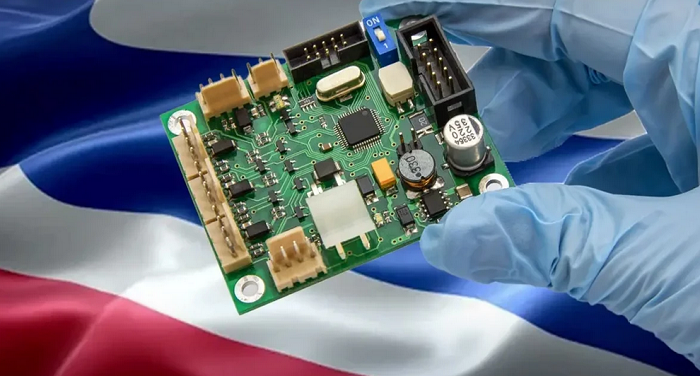
Many production delays occur because companies overlook basic readiness activities. Common mistakes include:
- Skipping pilot production
- Releasing incomplete documentation
- Using unqualified suppliers
- Inadequate operator training
- Poor change management
- Weak quality control plans
- No backup supplier strategy
- Insufficient production testing
Addressing these issues early helps reduce cost, improve quality, and shorten production lead time.
Production Readiness Best Practices
To improve manufacturing success, organizations should:
- Start production planning early.
- Involve engineering, quality, purchasing, and manufacturing teams.
- Standardize production documentation.
- Validate suppliers before production.
- Perform regular process reviews.
- Monitor production KPIs continuously.
- Implement continuous improvement programs.
These practices help build a more reliable and scalable manufacturing process.
Conclusion
A comprehensive Production Readiness Checklist helps manufacturers identify potential risks before they become costly production problems. By validating product design, suppliers, equipment, quality systems, documentation, and manufacturing processes, companies can improve production efficiency, reduce defects, and deliver products to market with greater confidence.
Whether you are launching a new product or scaling an existing one, investing time in production readiness is one of the most effective ways to achieve consistent quality and long-term manufacturing success.
