Tiếng Việt
 日本語
日本語
As OEM companies increasingly rely on external partners for manufacturing, ensuring consistent quality and compliance has become a critical priority. Selecting the right manufacturing partner is no longer just about cost or capacity—it is about reliability, process control, and long-term performance. This is where ISO standards play a key role. However, not all ISO certifications carry the same value, and not all certified manufacturers operate at the same level of quality. For OEM companies, understanding which ISO standards truly matter—and how they impact supplier selection—is essential to avoiding risk and building a resilient production strategy.
Why ISO Standards Matter in Modern Manufacturing

ISO standards provide a structured framework for managing manufacturing processes, ensuring consistency, and improving operational performance.
Ensuring Consistent Product Quality
ISO-certified manufacturers are required to follow standardized processes. This reduces variation in production and helps maintain consistent product quality across batches and production cycles.
Supporting Global Compliance
OEM companies selling products in international markets must meet regulatory requirements. ISO standards help manufacturers align with global compliance expectations, especially in regions like the United States and the European Union.
Reducing Operational and Supply Chain Risks
Strong process control and documentation reduce the likelihood of:
- Production errors
- Supply chain disruptions
- Quality failures
Building Trust with Customers and Partners
ISO certification signals that a manufacturer has established systems for quality, safety, and continuous improvement. For OEM companies, this provides an initial level of confidence when evaluating suppliers.
The Most Important ISO Standards for OEM Manufacturing
Not all ISO standards are equally relevant. OEM companies should focus on the certifications that directly impact manufacturing performance and product quality.
ISO 9001 – Quality Management Systems
ISO 9001 is the most widely recognized standard in manufacturing.
It focuses on:
- Process standardization
- Quality control systems
- Continuous improvement
Why it matters for OEMs:
- Ensures consistent production quality
- Reduces defect rates
- Improves supplier reliability
For most OEM projects, ISO 9001 is considered a baseline requirement.
ISO 14001 – Environmental Management

ISO 14001 addresses environmental responsibilities in manufacturing.
It covers:
- Waste management
- Resource efficiency
- Environmental compliance
Impact for OEM companies:
- Helps meet environmental regulations
- Supports sustainability goals
- Reduces regulatory risk
ISO 45001 – Occupational Health and Safety
ISO 45001 standard focuses on workplace safety and employee well-being.
It includes:
- Risk prevention systems
- Safety procedures
- Incident management
Why it matters:
- Reduces production disruptions
- Improves operational stability
- Ensures long-term workforce reliability
Industry-Specific Standards OEMs Should Know
In addition to general ISO standards, some industries require specialized certifications.
- ISO 13485 – For medical device manufacturing
- IATF 16949 – For automotive electronics
These standards introduce stricter requirements for quality, traceability, and risk management.
Which ISO Standards Do OEM Companies Actually Need?
One of the most common misconceptions is that manufacturers must have multiple ISO certifications to be considered reliable.
In reality, the required standards depend on several factors.
Industry Requirements
Different industries have different expectations:
- Consumer electronics → ISO 9001 is often sufficient
- Automotive → requires IATF 16949
- Medical devices → requires ISO 13485
Product Complexity
More complex products require:
- Higher process control
- Stronger quality systems
- More advanced certifications
Target Market Regulations
OEM companies selling in regulated markets must ensure that their manufacturing partners meet all relevant compliance requirements.
How ISO Certification Impacts Supplier Selection
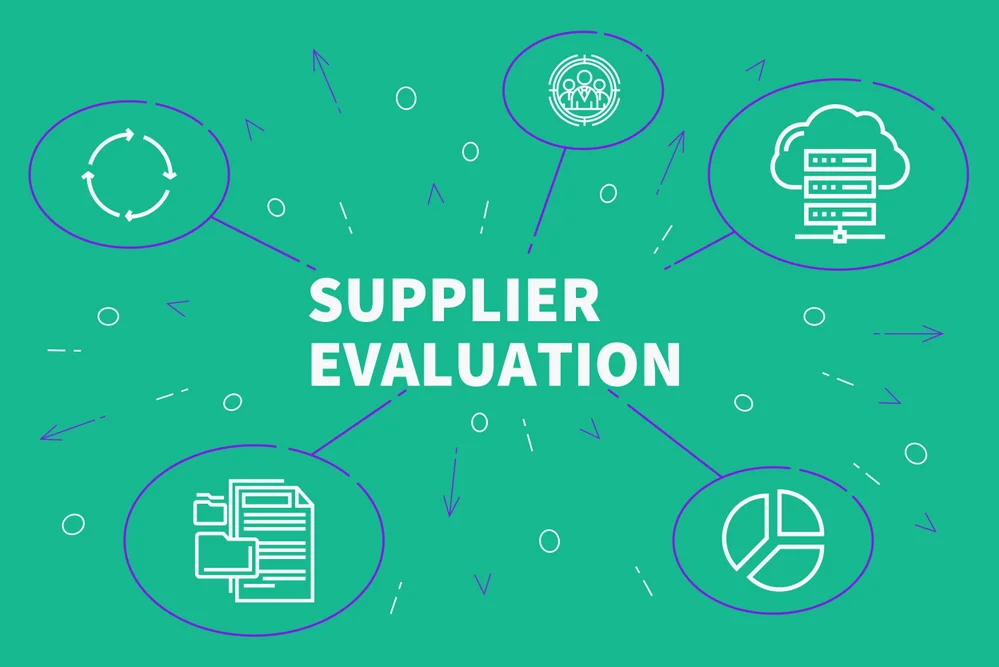
ISO certification plays an important role in supplier evaluation—but it should not be the only factor.
ISO as a Baseline Requirement
Most OEM companies use ISO certification as a minimum requirement when screening suppliers. It helps eliminate manufacturers that lack structured processes.
Certified vs. Truly Compliant
Not all ISO-certified manufacturers operate at the same level.
Some may:
- Have certification but weak execution
- Follow procedures inconsistently
OEM companies must evaluate actual performance—not just certificates.
Real-World Supplier Evaluation
In practice, ISO certification is combined with:
- Factory audits
- Sample production runs
- Quality performance data
This provides a more complete view of a supplier’s capabilities.
Common Misconceptions About ISO Standards
Misunderstanding ISO standards can lead to poor decision-making.
ISO Certification Guarantees Quality: ISO provides a framework—but it does not guarantee flawless execution. Quality still depends on how well processes are implemented.
All ISO Standards Are Equal: Different standards serve different purposes. ISO 9001 focuses on quality, while ISO 14001 focuses on environmental management.
Certification Is Permanent: ISO certifications require regular audits and renewal. A valid certificate today does not guarantee compliance in the future.
Beyond ISO: What OEM Companies Should Also Evaluate
While ISO standards are important, they are only part of the bigger picture.
Manufacturing Capabilities
OEM companies should assess:
- SMT and through-hole assembly
- Box build capabilities
- Testing and inspection systems
Quality Control Systems
Look for:
- Automated Optical Inspection (AOI)
- In-Circuit Testing (ICT)
- Functional testing
Supply Chain Reliability
A strong supply chain ensures:
- Stable component sourcing
- Reduced lead times
- Better risk management
>>>Read more: Offshore Manufacturing Risks: What OEM Companies Must Know Before Outsourcing
Engineering Support
Experienced engineering teams can:
- Improve product design for manufacturability
- Solve production issues quickly
- Optimize cost and performance
How to Verify ISO Certification of a Manufacturer
Verifying certification is an essential step in supplier selection.
Request Certification Documents
Ask for:
- Official ISO certificates
- Scope of certification
Check the Issuing Body
Ensure that the certification is issued by a recognized and accredited organization.
Verify Validity
Check:
- Expiration date
- Certification status
Conduct Audits
Whenever possible:
- Visit the factory
- Perform on-site or remote audits
How ISO Standards Improve Long-Term Manufacturing Performance
ISO standards are not just about compliance—they support long-term operational success.
Process Consistency: Standardized processes reduce variability and improve product reliability.
Continuous Improvement Culture: ISO encourages ongoing evaluation and improvement of manufacturing systems.
Better Supplier Collaboration: Clear processes and documentation improve communication between OEM companies and manufacturers.
Conclusion
ISO standards play a critical role in modern manufacturing, providing a framework for quality, compliance, and operational stability. However, OEM companies should not rely on certification alone. The most successful outsourcing strategies combine ISO standards with thorough supplier evaluation, strong communication, and ongoing performance monitoring. Ultimately, ISO standards are not just a requirement—they are a tool that helps OEM companies build reliable partnerships and achieve long-term manufacturing success.
>>>Read more: SHDC: PCBA Manufacturer Vietnam for OEM Electronics Production