Tiếng Việt
 日本語
日本語
Offshore manufacturing has become a strategic move for OEM companies looking to reduce costs, scale production, and stay competitive in global markets. However, while the benefits are widely discussed, the risks are often underestimated—especially during the early stages of supplier selection.
Many companies assume that choosing a lower-cost offshore partner automatically leads to higher margins. In reality, the biggest risks in offshore manufacturing are not visible in initial quotations. They emerge later—through delays, quality issues, and unexpected operational challenges. For OEM companies, understanding these risks is not optional. It is essential to making informed outsourcing decisions and avoiding costly mistakes.
Why Offshore Manufacturing Risks Are Often Underestimated
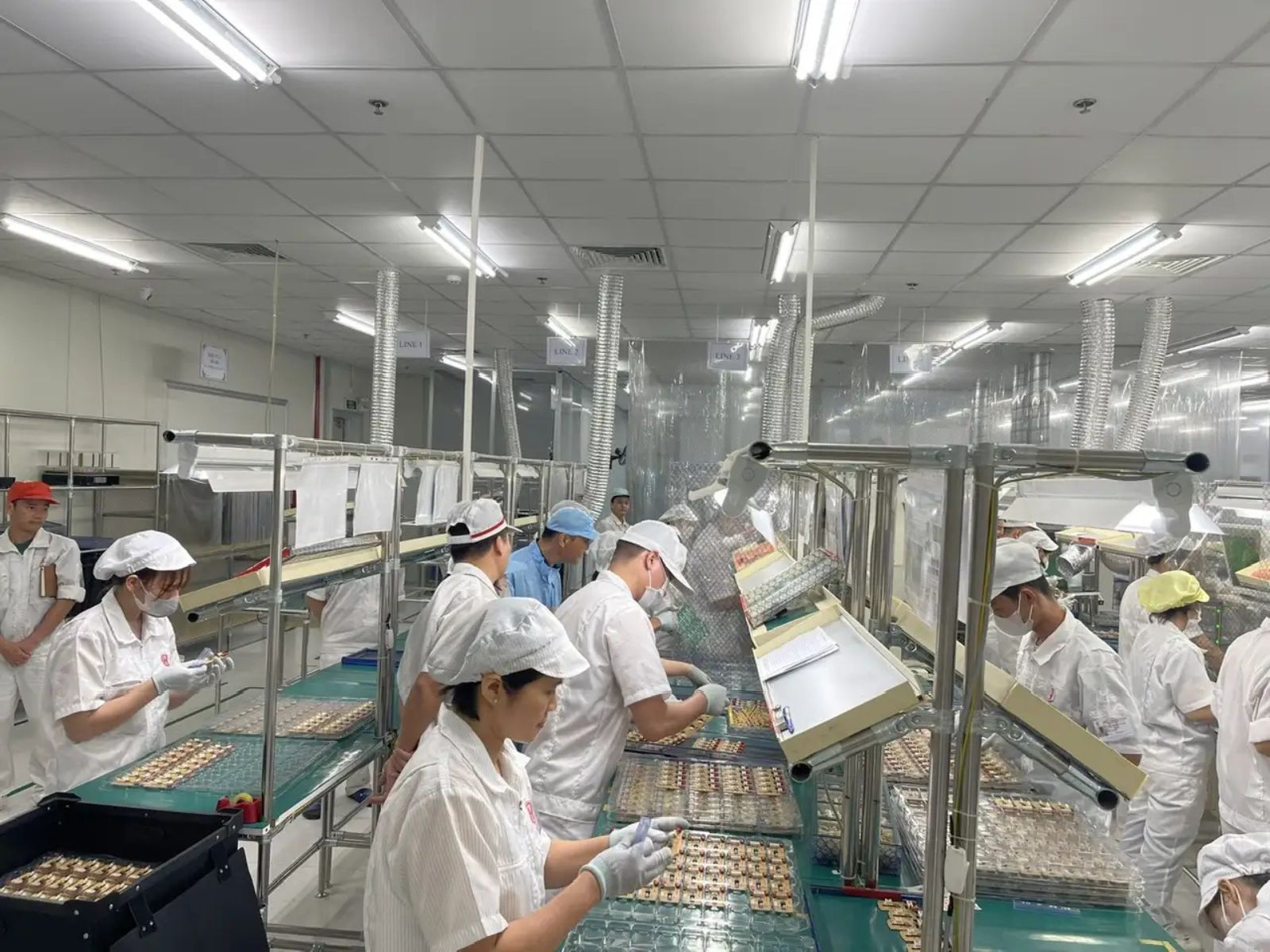
One of the most common reasons companies fail in offshore outsourcing is not poor execution—but poor risk assessment.
Overemphasis on Unit Cost: Procurement teams often focus heavily on unit price when comparing suppliers. While cost matters, it can overshadow critical factors such as quality systems, production capabilities, and supply chain reliability.
Limited Visibility into Overseas Operations: Unlike domestic manufacturing, offshore production reduces direct oversight. Without strong monitoring systems, companies may not detect problems until they affect delivery or product performance.
Misalignment Between Teams: Engineering, sourcing, and operations teams may have different priorities. Without alignment, critical risks—such as manufacturability or component sourcing—can be overlooked.
Underestimating Operational Complexity: Managing offshore production involves logistics, compliance, communication, and supplier coordination. Companies that underestimate this complexity often face unexpected challenges.
>>>Read more: Domestic vs Offshore PCB Assembly: Which Manufacturing Option Is Right for Your Business?
The Most Critical Offshore Manufacturing Risks for OEM Companies
Understanding the specific risks involved is the first step toward managing them effectively.
1. Supply Chain Instability
Offshore manufacturing often depends on complex, global supply chains.
Key issues include:
- Dependence on a single region or supplier
- Component shortages and long lead times
- Shipping delays and logistics disruptions
Impact:
- Production delays
- Missed product launch timelines
- Increased operational costs
2. Quality Inconsistency at Scale
A product that performs well in prototype or small batches may encounter issues during mass production.
Common causes:
- Process variation between batches
- Inconsistent workmanship
- Lack of standardized quality control
Impact:
- Product defects in the field
- Increased warranty and return costs
- Damage to brand reputation
3. Hidden Cost Escalation
Initial quotes rarely reflect the true cost of offshore manufacturing.
Hidden cost drivers:
- Rework and scrap
- Emergency shipping
- Production delays
- Supplier switching
Impact:
- Reduced profit margins
- Budget overruns
- Financial unpredictability
4. Intellectual Property (IP) Exposure
Outsourcing manufacturing requires sharing sensitive product designs and technical data.
Risks include:
- Unauthorized use of design files
- Product replication
- Weak enforcement of IP protection
Impact:
- Loss of competitive advantage
- Market competition from copied products
5. Communication and Execution Gaps
Differences in language, time zones, and technical interpretation can create serious issues.
Common problems:
- Misunderstood specifications
- Incorrect builds
- Delayed issue resolution
Impact:
- Production errors
- Project delays
- Increased engineering workload
6. Compliance and Regulatory Risks
Each country has its own standards and regulations.
Challenges include:
- Certification mismatches (UL, CE, RoHS, etc.)
- Export/import restrictions
- Documentation inconsistencies
Impact:
- Products rejected in target markets
- Legal and financial penalties
7. Overdependence on a Single Supplier
Relying too heavily on one offshore partner increases vulnerability.
Risks:
- Supplier capacity issues
- Financial instability
- Sudden disruptions
Impact:
- Production stoppages
- Lack of flexibility in scaling
The Real Cost of Getting Offshore Manufacturing Wrong
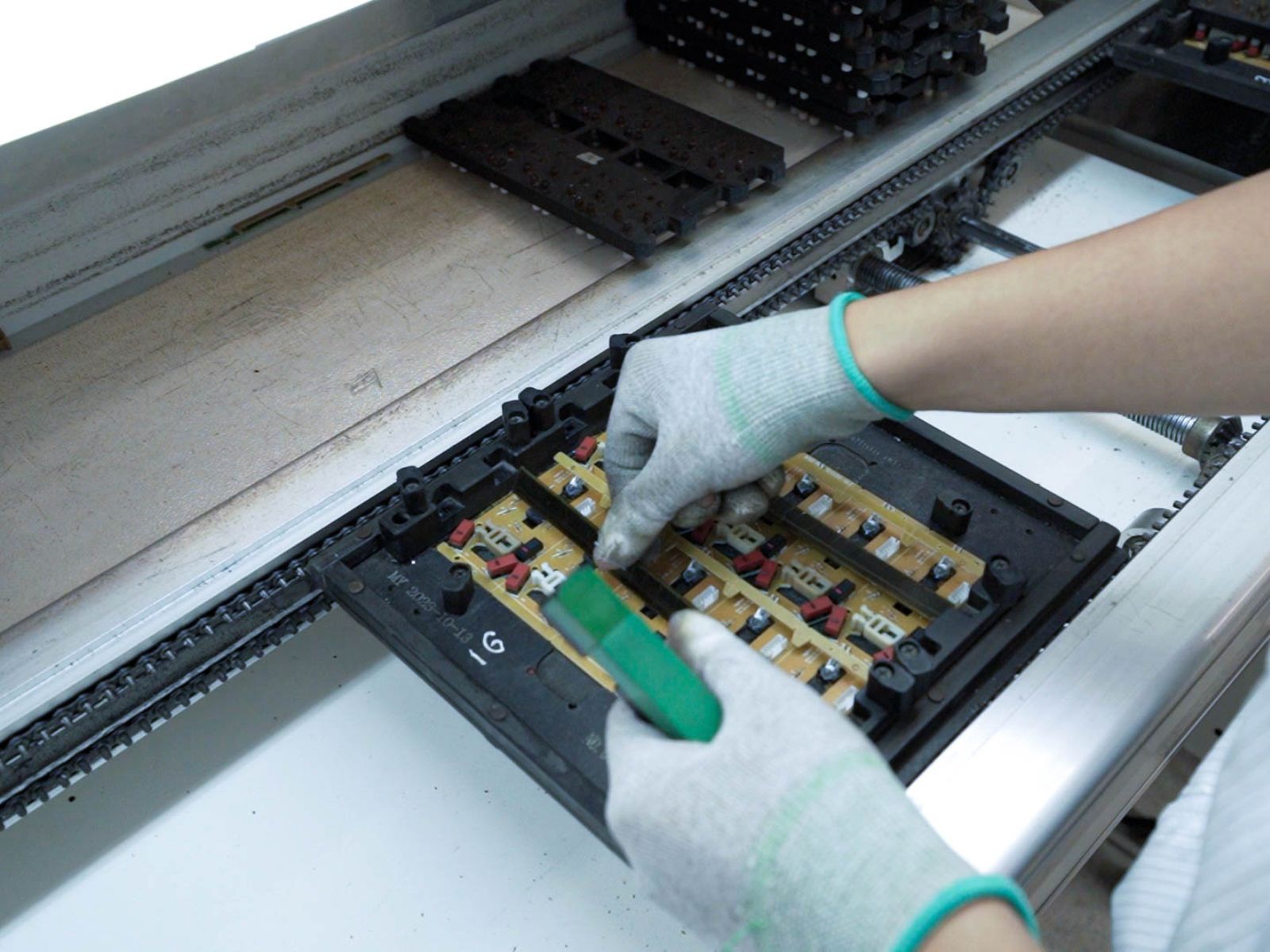
The true cost of offshore manufacturing risks goes far beyond production expenses.
Lost Revenue from Delays
Missing a product launch window can result in significant lost sales—especially in competitive markets.
Cost of Quality Failures
Defective products can lead to:
- Returns and replacements
- Warranty claims
- Customer dissatisfaction
Supplier Switching Costs
Changing suppliers mid-project often involves:
- Requalification
- New tooling
- Additional testing
This process is both time-consuming and expensive.
Opportunity Cost
Delays and inefficiencies prevent companies from:
- Launching new products
- Entering new markets
- Scaling operations effectively
Risk Mitigation Strategies for Offshore Manufacturing
While risks cannot be eliminated, they can be effectively managed with the right approach.
Diversify Your Supply Chain
Avoid relying on a single country or supplier.
- Develop backup suppliers
- Consider multi-region sourcing strategies
This reduces exposure to disruptions.
Implement Strong Quality Control Systems
Establish clear quality expectations from the start:
- Define inspection standards
- Use third-party quality audits if needed
- Monitor production performance regularly
Start with Pilot Production Runs
Before committing to full-scale production:
- Test with small batches
- Identify potential issues early
- Validate manufacturing processes
Strengthen Communication and Documentation
Clear communication reduces errors.
- Provide detailed technical documentation
- Use standardized formats
- Maintain regular communication schedules
Protect Intellectual Property Early
Take proactive steps to safeguard your IP:
- Use legally binding agreements
- Limit access to sensitive data
- Work with trusted partners
Partner with Experienced EMS Providers
Experienced manufacturers understand the complexities of offshore production.
They can help:
- Optimize processes
- Prevent common mistakes
- Improve overall reliability
>>>Read more: Electronics Manufacturing Vietnam: A Complete Guide for Global OEM Companies
Early Warning Signs of a High-Risk Offshore Supplier
Identifying risks early can prevent major problems later.
Unrealistically Low Pricing
If a quote is significantly lower than others, it may indicate:
- Compromised quality
- Hidden costs
Lack of Transparency
Suppliers unwilling to share:
- Process details
- Certifications
- References
should be treated with caution.
Poor Communication
Delayed or unclear responses often signal:
- Weak internal processes
- Potential execution issues
Limited Quality Systems
Absence of structured quality control is a major red flag.
No Experience with International Markets
Suppliers without export experience may struggle with:
- Compliance
- Documentation
- Logistics
How to Balance Risk and Cost in Offshore Manufacturing Decisions

The key to successful outsourcing is not choosing the lowest cost option—but finding the right balance between cost and reliability.
Short-Term Savings vs Long-Term Stability
Lower upfront costs can lead to higher long-term expenses if risks are not managed properly.
When Offshore Manufacturing May Not Be the Right Choice
In some cases, offshore manufacturing may not be suitable:
- Highly complex or sensitive products
- Low-volume production requiring high flexibility
- Projects with strict regulatory requirements
Conclusion: Managing Risk Is the Key to Offshore Manufacturing Success
Offshore manufacturing offers significant advantages—but only when risks are properly understood and managed.
Successful OEM companies:
- Look beyond initial pricing
- Evaluate risks at every stage of the process
- Build strong partnerships with reliable manufacturers
Ultimately, offshore manufacturing is not just about cost savings. It is about building a resilient, scalable production strategy that supports long-term growth. Choosing the right partner—and managing risk effectively—is what separates successful outsourcing from costly failure.
Frequently Asked Questions (FAQs)
1. What are the biggest risks of offshore manufacturing?
The most significant risks include supply chain disruptions, quality inconsistency, hidden costs, intellectual property (IP) exposure, and communication challenges. These risks can lead to delays, increased expenses, and product quality issues if not properly managed.
2. How can OEM companies reduce offshore manufacturing risks?
OEM companies can reduce risks by diversifying suppliers, implementing strict quality control systems, starting with pilot production runs, and working with experienced manufacturing partners. Clear communication and strong documentation also play a critical role.
3. Is offshore manufacturing always cheaper than domestic manufacturing?
Not necessarily. While offshore manufacturing often offers lower labor costs, the total cost of ownership may increase due to logistics, tariffs, quality issues, and potential delays. Companies should evaluate overall cost, not just unit price.
4. What is the biggest hidden cost in offshore manufacturing?
One of the biggest hidden costs is rework caused by quality issues. Other hidden costs include emergency shipping, production delays, and the cost of switching suppliers if problems arise.
5. How do you protect intellectual property when outsourcing manufacturing?
To protect IP, companies should use non-disclosure agreements (NDAs), limit access to sensitive design files, and choose manufacturers with strong data security practices and proven reputations.
6. What are the warning signs of a high-risk offshore supplier?
Common warning signs include unusually low pricing, lack of transparency, poor communication, limited quality control systems, and little to no experience working with international clients.
7. When should a company avoid offshore manufacturing?
Offshore manufacturing may not be suitable for highly complex products, low-volume projects requiring flexibility, or products with strict regulatory requirements that are difficult to manage remotely.
8. How important is location when choosing an offshore manufacturing partner?
Location is critical because it affects logistics, cost, supply chain stability, and regulatory compliance. Choosing the right country can significantly reduce risks and improve overall efficiency.
9. Can offshore manufacturing affect product quality?
Yes, if not properly managed. Quality can vary due to differences in production processes, workforce skills, and quality control systems. However, with the right partner and strong oversight, high-quality production is achievable.
10. What is the best strategy for managing offshore manufacturing risks?
The most effective strategy is a combination of supplier diversification, strong quality assurance systems, clear communication, and long-term partnerships with reliable manufacturers.
>>>Read more: Electronics Contract Manufacturing in Vietnam vs China: Which Is Better for OEM Companies?