Tiếng Việt
 日本語
日本語
Launching a product into mass production is one of the most critical milestones in the manufacturing lifecycle. Even a well-designed product can encounter costly delays, quality issues, or production failures if manufacturing readiness is not properly evaluated. A Production Readiness Review (PRR) is a structured evaluation that confirms whether a product, manufacturing process, supply chain, and production system are fully prepared for volume production. Instead of identifying problems after production starts, a PRR helps manufacturers discover and resolve risks before they impact customers. Whether you’re preparing a new consumer electronics device, industrial equipment, IoT hardware, or automotive component, implementing a standardized PRR process can significantly improve product quality, production efficiency, and on-time delivery.
What Is a Production Readiness Review (PRR)?
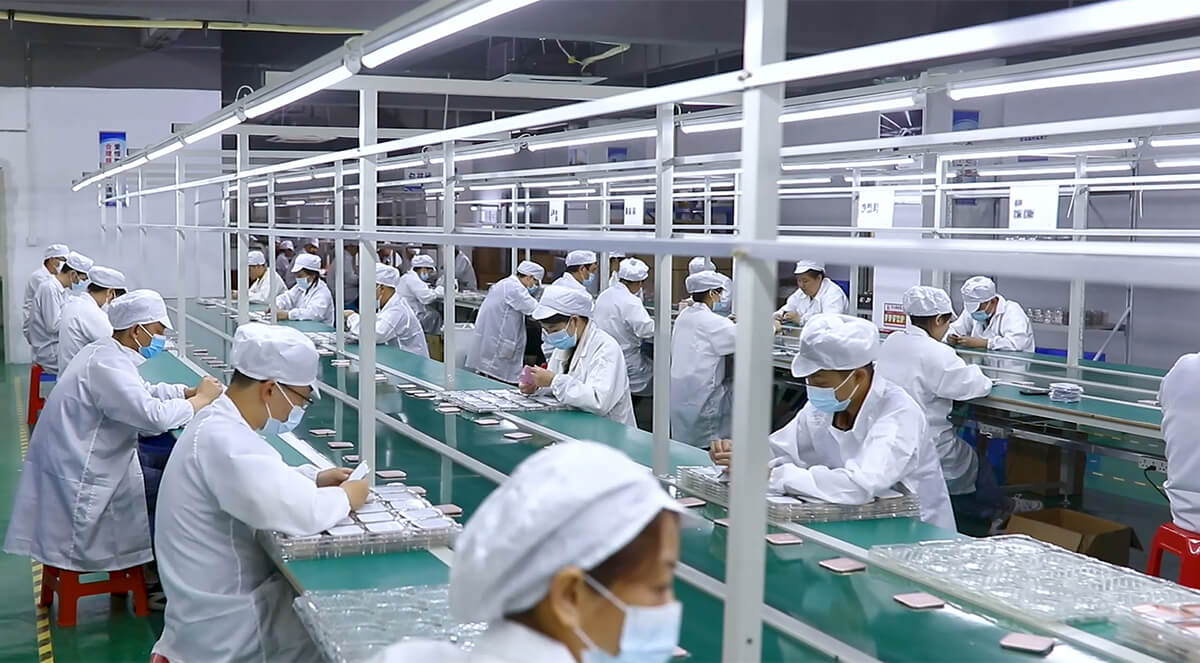
A Production Readiness Review (PRR) is a cross-functional assessment performed before mass production to determine whether every critical aspect of manufacturing has been validated and approved.
Unlike a simple engineering review, a PRR evaluates not only the product design but also manufacturing capability, supplier readiness, quality control, testing strategies, production documentation, logistics, and operational risks.
The primary objective is to answer one important question:
Is this product truly ready for stable, repeatable, high-volume manufacturing?
A typical Production Readiness Review involves representatives from engineering, manufacturing, quality assurance, procurement, supply chain, operations, and project management. Together, these stakeholders evaluate technical readiness, manufacturing capability, and business risks before authorizing production.
For electronics manufacturers, the review often builds upon previous stages such as New Product Introduction (NPI), Design for Manufacturing (DFM), engineering validation, and pilot production. These activities ensure that both the product design and manufacturing process are mature enough for large-scale production.
Production Readiness Review vs. Production Readiness Checklist
Although these terms are frequently used together, they serve different purposes.
A Production Readiness Checklist is a detailed list of verification items that teams complete throughout the project.
A Production Readiness Review, on the other hand, is the formal meeting where stakeholders review those completed items, discuss outstanding risks, and decide whether production can proceed.
Think of the checklist as the preparation and the review as the final approval.
Production Readiness Review vs. Manufacturing Readiness Assessment
A Manufacturing Readiness Assessment generally focuses on evaluating production capability and manufacturing maturity across an organization.
A Production Readiness Review is much more project-specific. It evaluates whether one particular product is ready to enter production by considering design maturity, supplier readiness, quality planning, production processes, testing capability, documentation, and operational readiness.
Why Is a Production Readiness Review Important?
Many manufacturing problems are not caused by poor product design—they are caused by poor preparation.
Skipping or rushing a Production Readiness Review can lead to:
- Unexpected production delays
- Low first-pass yield
- Material shortages
- Process instability
- Customer complaints
- Product recalls
- Increased manufacturing costs
- Missed delivery commitments
A structured PRR minimizes these risks by validating every critical manufacturing element before production begins.
Reduce Manufacturing Risks
A Production Readiness Review allows teams to identify potential issues while they are still relatively inexpensive to correct.
Examples include:
- Missing work instructions
- Incorrect Bills of Materials
- Supplier capacity limitations
- Incomplete test procedures
- Unqualified tooling
- Engineering change management issues
Resolving these issues before production significantly reduces the likelihood of expensive rework or production interruptions.
Improve Product Quality
Quality should never rely solely on final inspection.
During a PRR, teams confirm that quality requirements are integrated throughout the manufacturing process, including:
- Incoming material inspection
- In-process quality control
- Functional testing
- Final inspection
- Packaging verification
For electronics manufacturing, this also includes reviewing PCBA testing, inspection strategies, and production process controls to ensure consistent product quality throughout the manufacturing lifecycle.
Validate Manufacturing Capability
A successful prototype does not guarantee successful mass production.
Production equipment, operator training, production flow, capacity planning, and supplier capability must all be validated before production starts.
Manufacturers should confirm that production resources can consistently achieve required throughput, quality, and delivery targets.
Reduce Overall Manufacturing Costs
Identifying production issues before mass production is significantly less expensive than correcting them later.
A well-executed PRR can reduce:
- Scrap
- Rework
- Engineering changes
- Production downtime
- Warranty costs
- Emergency material purchases
Ultimately, a thorough review helps organizations improve profitability while maintaining product quality.
When Should a Production Readiness Review Be Conducted?
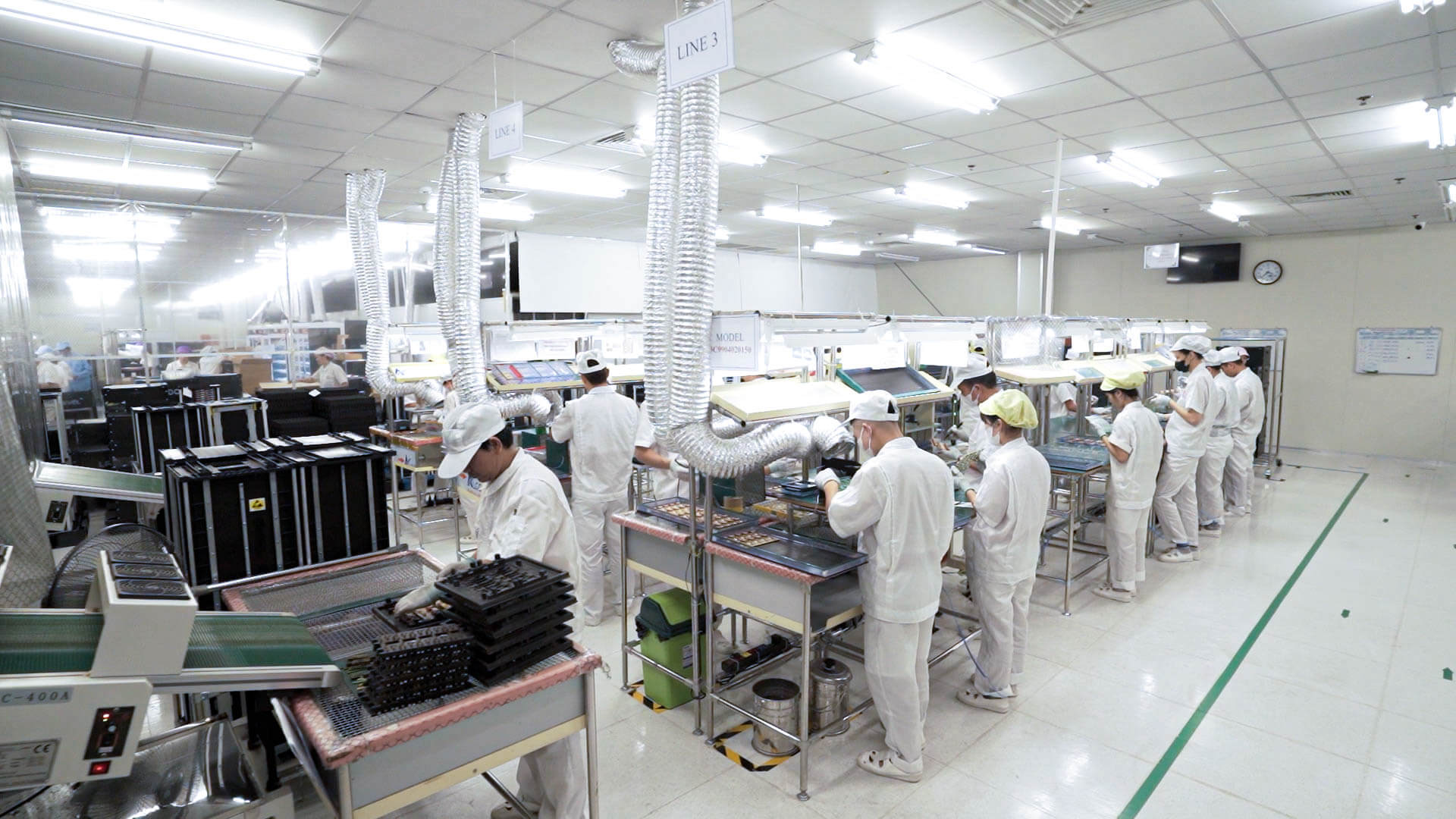
A Production Readiness Review is not a one-time event performed at the end of a project. Instead, it should be scheduled at several critical manufacturing milestones.
Before Pilot Production
Pilot production validates whether manufacturing processes, tooling, work instructions, and inspection methods function correctly under production conditions.
Issues discovered during pilot builds should be resolved before moving forward.
Before Production Validation Testing (PVT)
Production Validation Testing confirms that the manufacturing process—not just the product—is capable of producing consistent results.
During this stage, teams verify:
- Process repeatability
- Assembly consistency
- Production yield
- Equipment stability
- Test coverage
Before Mass Production
The final PRR typically occurs immediately before approving high-volume manufacturing.
At this stage, all outstanding engineering actions, supplier concerns, quality issues, and documentation updates should already be resolved.
Before Manufacturing Transfer
When production moves between factories or contract manufacturers, another PRR should be conducted.
This ensures that tooling, documentation, quality standards, equipment, and manufacturing knowledge are transferred successfully.
Before New Supplier Qualification
Introducing a new supplier always introduces risk.
A Production Readiness Review helps confirm that suppliers possess sufficient:
- Manufacturing capability
- Quality systems
- Capacity
- Engineering support
- Material traceability
- Delivery performance
before becoming part of the production program.
Who Should Participate in a Production Readiness Review?
Production readiness is never the responsibility of a single department.
Successful PRRs involve cross-functional collaboration.
Product Engineering
Engineering teams verify:
- Product design maturity
- Design freeze status
- Engineering Change Orders (ECO)
- Product documentation
- Technical risks
Manufacturing Engineering
Manufacturing engineers review:
- Assembly processes
- Work instructions
- Production flow
- Equipment capability
- Tooling readiness
They also evaluate opportunities to improve manufacturability through Design for Manufacturing (DFM) principles before production begins.
Quality Assurance
Quality teams evaluate:
- Inspection plans
- Testing procedures
- Acceptance criteria
- Defect classification
- Traceability systems
- CAPA readiness
Their goal is to ensure that quality is built into the manufacturing process rather than relying solely on end-of-line inspection.
Supply Chain & Procurement
Supply chain specialists verify:
- Approved suppliers
- Component availability
- Material lead times
- Safety stock
- Logistics readiness
- Alternative sourcing strategies
Supply chain disruptions remain one of the most common reasons for production delays, making supplier readiness an essential part of every PRR.
Production Management
Production managers evaluate:
- Workforce readiness
- Equipment utilization
- Production scheduling
- Capacity planning
- Maintenance plans
- Manufacturing KPIs
They ensure production resources are sufficient to support planned output.
Customer Representatives (Optional)
For OEM or contract manufacturing projects, customers may also participate in the final PRR.
Customer involvement improves communication, accelerates decision-making, and ensures alignment regarding product quality, production expectations, and launch schedules.
The Production Readiness Review (PRR) Process
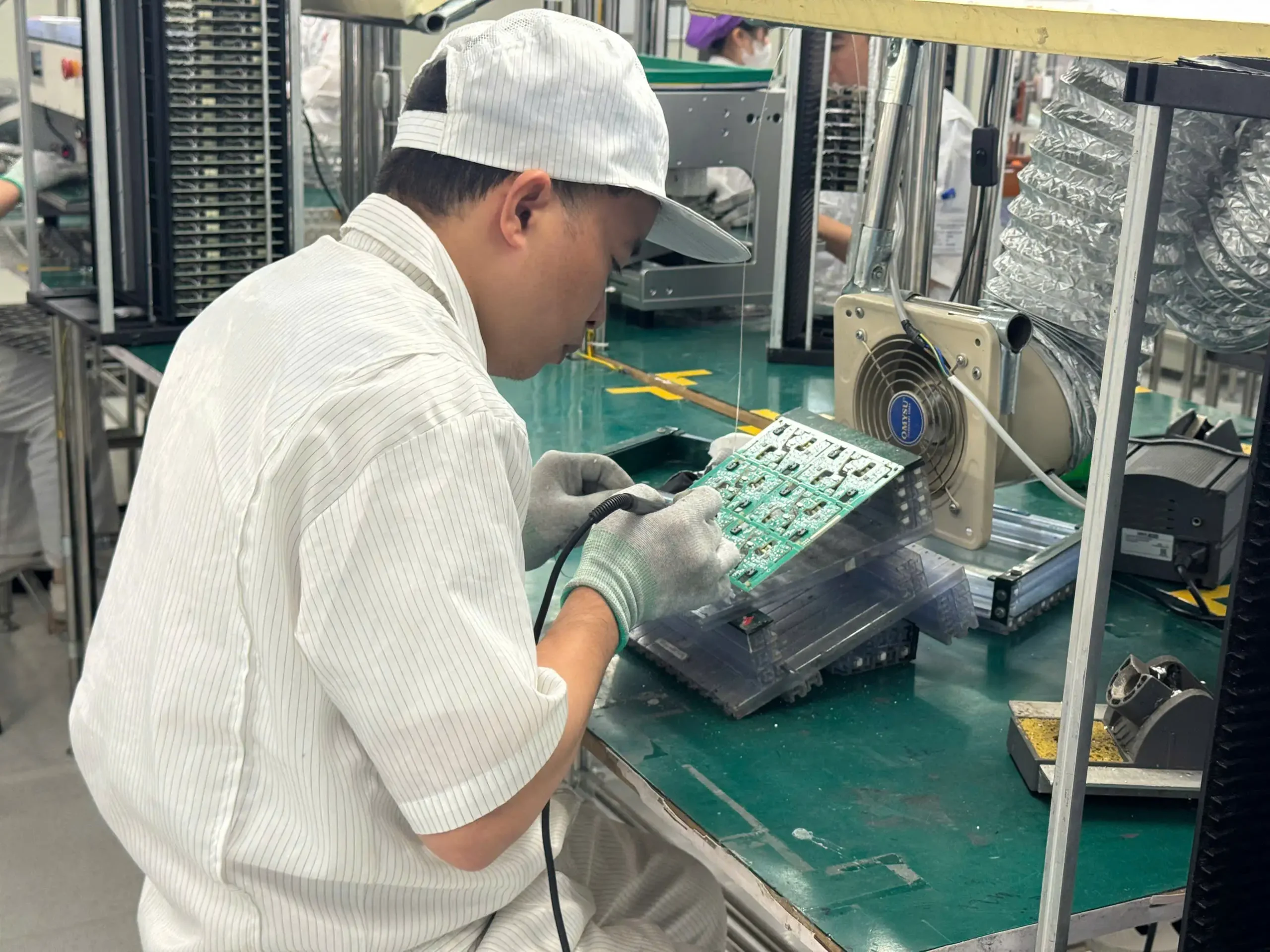
A successful Production Readiness Review follows a structured process that evaluates every critical aspect of manufacturing before authorizing mass production. Although the exact workflow varies by company, the following ten-step framework is widely used across the electronics manufacturing industry.
Step 1. Review Product Design
The first step is confirming that the product design is complete and stable. Frequent engineering changes after production begins often lead to delays, material waste, and quality issues.
During this stage, verify:
- Design freeze approval
- Engineering drawings
- Bill of Materials (BOM)
- Firmware or software versions
- Product specifications
- Engineering Change Orders (ECOs)
If design improvements are still being made, production should be delayed until all critical changes are validated.
Step 2. Assess Manufacturing Readiness
Once the design is finalized, the manufacturing team evaluates whether the factory can consistently build the product.
This review includes:
- Manufacturing process flow
- Work Instructions (WI)
- Standard Operating Procedures (SOP)
- Production line layout
- Operator training
- Capacity planning
For electronics products, this stage also reviews SMT, DIP, assembly, and box build processes to ensure production efficiency.
Step 3. Verify Equipment and Tooling
Production equipment must be capable of supporting the planned production volume while maintaining consistent quality.
Typical review items include:
- SMT machines
- Reflow ovens
- AOI systems
- ICT equipment
- Functional test stations
- Assembly fixtures
- Production jigs
- Calibration records
- Preventive maintenance plans
Production teams should also confirm that backup equipment is available for critical operations.
Step 4. Evaluate Supplier Readiness
Supplier performance directly affects production quality and delivery schedules.
The review should evaluate:
- Approved supplier list
- Supplier capacity
- Material availability
- Component lead times
- Incoming quality performance
- Alternate sourcing plans
Long lead-time components should receive special attention to reduce supply chain risks.
Step 5. Review the Quality Control Plan
Quality should be integrated into every production stage rather than relying solely on final inspection.
A Production Readiness Review typically confirms:
- Incoming Quality Control (IQC)
- In-Process Quality Control (IPQC)
- Outgoing Quality Control (OQC)
- Inspection standards
- Sampling plans
- Acceptance criteria
- Defect classification
For electronics manufacturing, automated inspection methods such as AOI, ICT, and Functional Testing help improve production consistency and reduce human error.
Step 6. Confirm Testing Strategy
A comprehensive testing strategy ensures products perform reliably before shipment.
The PRR should verify that appropriate testing methods are available, including:
- Functional Testing (FCT)
- In-Circuit Testing (ICT)
- Automated Optical Inspection (AOI)
- Burn-in testing
- Aging tests
- High-voltage testing
- Reliability testing
Testing coverage should align with product complexity and customer requirements.
Step 7. Review Production Documentation
Complete documentation helps maintain consistency throughout manufacturing.
Documents reviewed during a PRR typically include:
- Bill of Materials (BOM)
- Assembly drawings
- Manufacturing process flow
- Standard Operating Procedures
- Work Instructions
- Inspection criteria
- Packaging specifications
- Labeling requirements
Only the latest approved document revisions should be available on the production floor.
Step 8. Conduct Risk Assessment
Every manufacturing project contains technical and operational risks.
During the Production Readiness Review, teams identify potential issues before production begins.
Common review areas include:
- Manufacturing risks
- Process capability
- Supplier risks
- Equipment reliability
- Quality risks
- Production bottlenecks
- Logistics constraints
Many organizations use DFMEA, PFMEA, Control Plans, and CAPA processes to reduce manufacturing risks and improve production stability.
Step 9. Verify Logistics Readiness
Manufacturing readiness extends beyond the production line.
Before approving production, companies should review:
- Finished goods packaging
- Shipping labels
- Pallet configuration
- Warehouse capacity
- Inventory planning
- Transportation requirements
- Export documentation
Proper logistics planning helps prevent shipment delays and unnecessary transportation costs.
Step 10. Final Go / No-Go Decision
The final Production Readiness Review concludes with a Go/No-Go meeting.
Cross-functional stakeholders evaluate:
- Product readiness
- Manufacturing capability
- Supplier readiness
- Quality performance
- Documentation completeness
- Open action items
- Remaining risks
If all critical requirements have been satisfied, production receives formal approval to proceed.
If significant issues remain unresolved, corrective actions should be completed before authorizing mass production.
Key Deliverables of a Production Readiness Review
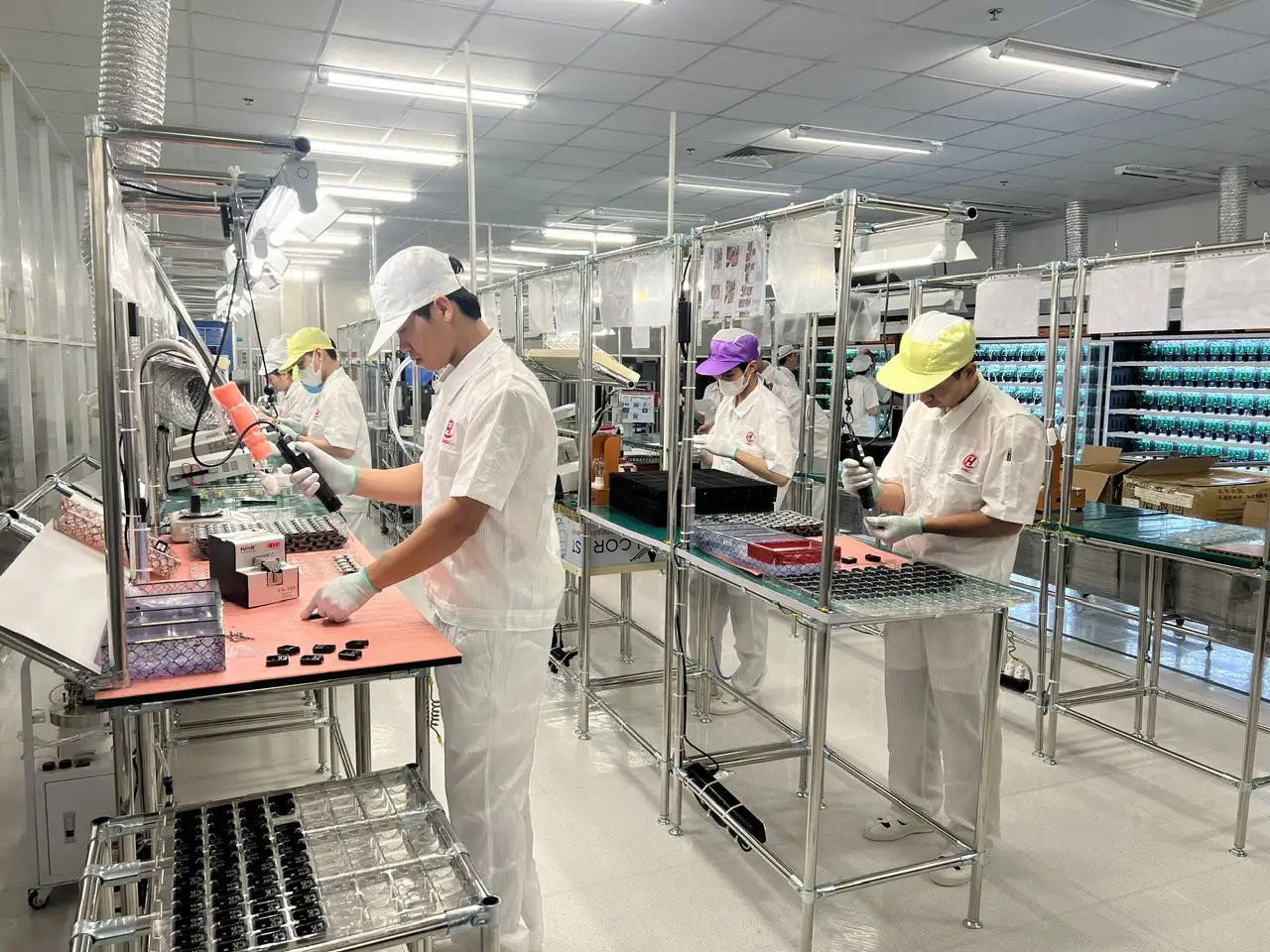
A successful PRR should produce several documented outputs that support manufacturing execution and future audits.
Typical deliverables include:
- Approved Production Readiness Checklist
- Risk Assessment Report
- Manufacturing Process Review
- Equipment Qualification Records
- Supplier Approval Status
- Quality Control Plan
- Test Validation Report
- Production Documentation Package
- Go/No-Go Approval Record
- Action Item Tracker
Maintaining these records improves traceability and provides valuable references for future product launches or continuous improvement initiatives.
Production Readiness Review Best Practices
A Production Readiness Review is most effective when it is integrated into the product development process rather than treated as a final approval meeting. Organizations with mature manufacturing systems use PRRs to identify risks early, improve collaboration, and establish repeatable production standards.
The following best practices can help manufacturers maximize the value of every Production Readiness Review.
1. Start the Review Process Early
Do not wait until the week before mass production to begin reviewing manufacturing readiness.
Production readiness should be evaluated throughout the product development lifecycle, beginning with New Product Introduction (NPI), continuing through Engineering Validation Testing (EVT), Design Validation Testing (DVT), and Production Validation Testing (PVT).
Early reviews provide sufficient time to resolve engineering, manufacturing, and supply chain issues before they affect production schedules.
2. Involve Cross-Functional Teams
A successful PRR requires collaboration between multiple departments.
Each team contributes unique expertise:
- Engineering verifies product design.
- Manufacturing evaluates production capability.
- Quality ensures inspection and testing readiness.
- Procurement confirms supplier readiness.
- Supply chain validates material availability.
- Production prepares operational resources.
Cross-functional participation helps prevent critical issues from being overlooked.
3. Standardize Documentation
Using standardized documentation improves consistency across projects.
Every Production Readiness Review should reference controlled documents, including:
- Bill of Materials (BOM)
- Manufacturing Process Flow
- Standard Operating Procedures (SOP)
- Work Instructions (WI)
- Inspection Standards
- Test Procedures
- Packaging Specifications
- Engineering Change Records
Version control is equally important. Production teams should always work from the latest approved revision.
4. Measure Readiness with Data
Production decisions should be based on measurable evidence rather than assumptions.
Useful PRR metrics include:
- First Pass Yield (FPY)
- Defect Rate
- Equipment Utilization
- Supplier On-Time Delivery
- Process Capability (Cp/Cpk)
- Test Coverage
- Production Cycle Time
- Pilot Production Yield
These metrics provide objective evidence that manufacturing processes are ready for mass production.
5. Track Corrective Actions
Every issue identified during a PRR should have:
- A clearly defined owner
- A corrective action
- A target completion date
- Verification evidence
No critical issue should remain unresolved before approving mass production.
Common Production Readiness Review Mistakes
Even experienced manufacturers can encounter production issues when PRRs are not executed properly.
The following mistakes are among the most common.
Treating the PRR as a Formality
Some organizations conduct Production Readiness Reviews simply to satisfy internal procedures.
A PRR should be an active technical review—not a meeting held solely to collect signatures.
Waiting Until the Last Minute
Late reviews leave little opportunity to resolve engineering changes, supplier delays, or quality issues.
Production readiness should be reviewed throughout product development, not only before launch.
Focusing Only on Product Design
A product may function perfectly while the manufacturing process remains unstable.
A complete PRR evaluates:
- Production equipment
- Manufacturing capability
- Supplier readiness
- Quality systems
- Logistics
- Documentation
- Operational readiness
Ignoring Supply Chain Risks
Material shortages remain one of the leading causes of production delays.
Manufacturers should verify:
- Supplier capacity
- Long lead-time components
- Alternate suppliers
- Inventory planning
before approving production.
Incomplete Testing
Testing should validate both the product and the manufacturing process.
Relying solely on visual inspection increases the risk of field failures.
Functional Testing (FCT), In-Circuit Testing (ICT), AOI, and reliability testing provide stronger confidence before production begins.
Example Production Readiness Review Workflow
Although every organization has its own development process, a typical Production Readiness Review fits within the following manufacturing lifecycle.
Concept & Product Planning
↓
Engineering Validation Testing (EVT)
↓
Design Validation Testing (DVT)
↓
Pilot Production
↓
Production Validation Testing (PVT)
↓
Production Readiness Review (PRR)
↓
Mass Production
This workflow ensures that production approval occurs only after engineering, manufacturing, quality, and supply chain requirements have been successfully validated.
How SHDC Supports Production Readiness Reviews
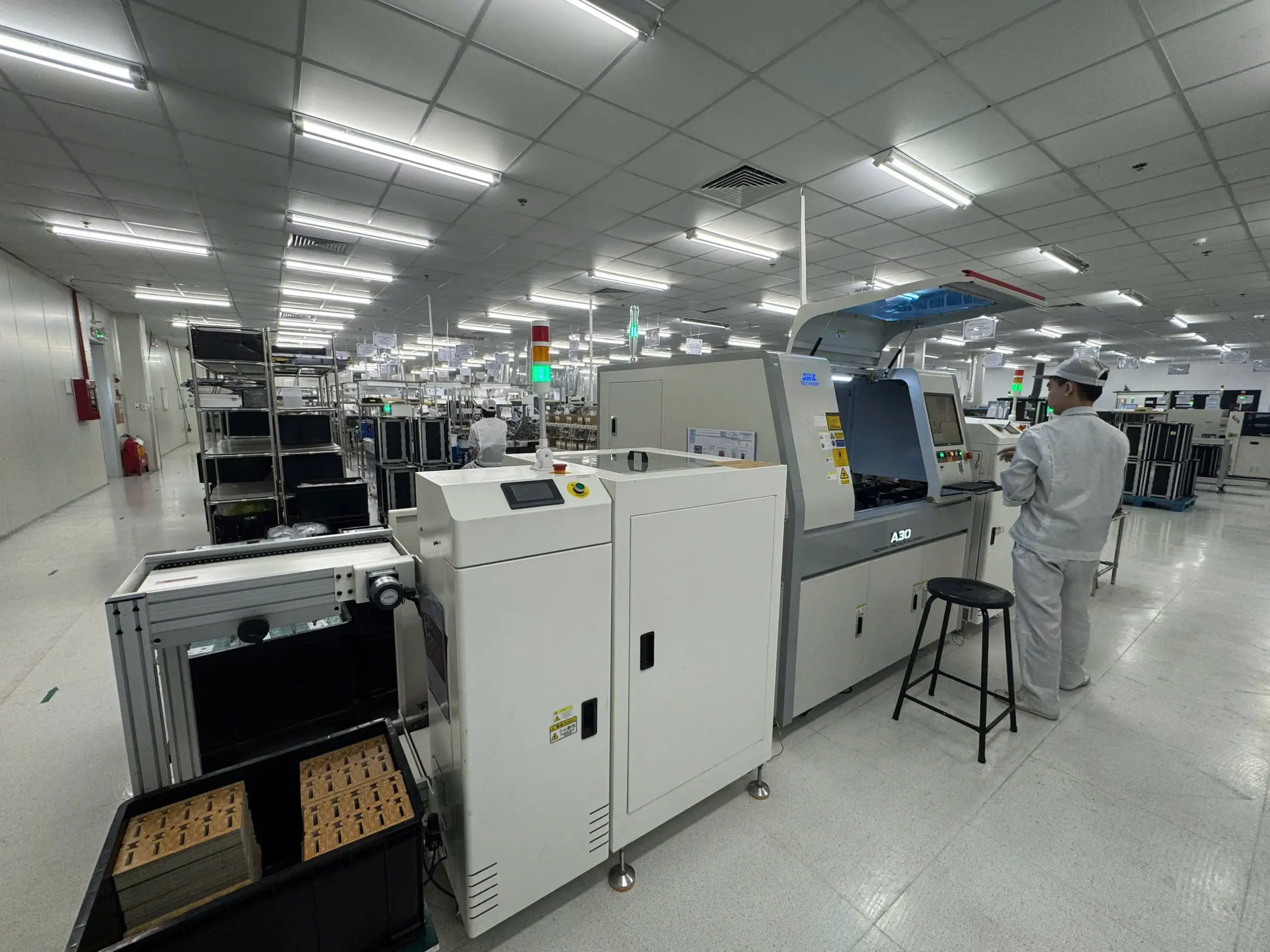
At SHDC Electronics, Production Readiness Reviews are integrated into the manufacturing process to help customers transition from product development to stable mass production with greater confidence.
Our engineering and manufacturing teams evaluate every project from multiple perspectives, including product design, manufacturability, supplier readiness, production capability, quality planning, testing strategy, and operational risk. This collaborative approach helps identify potential issues before they impact production schedules or product quality.
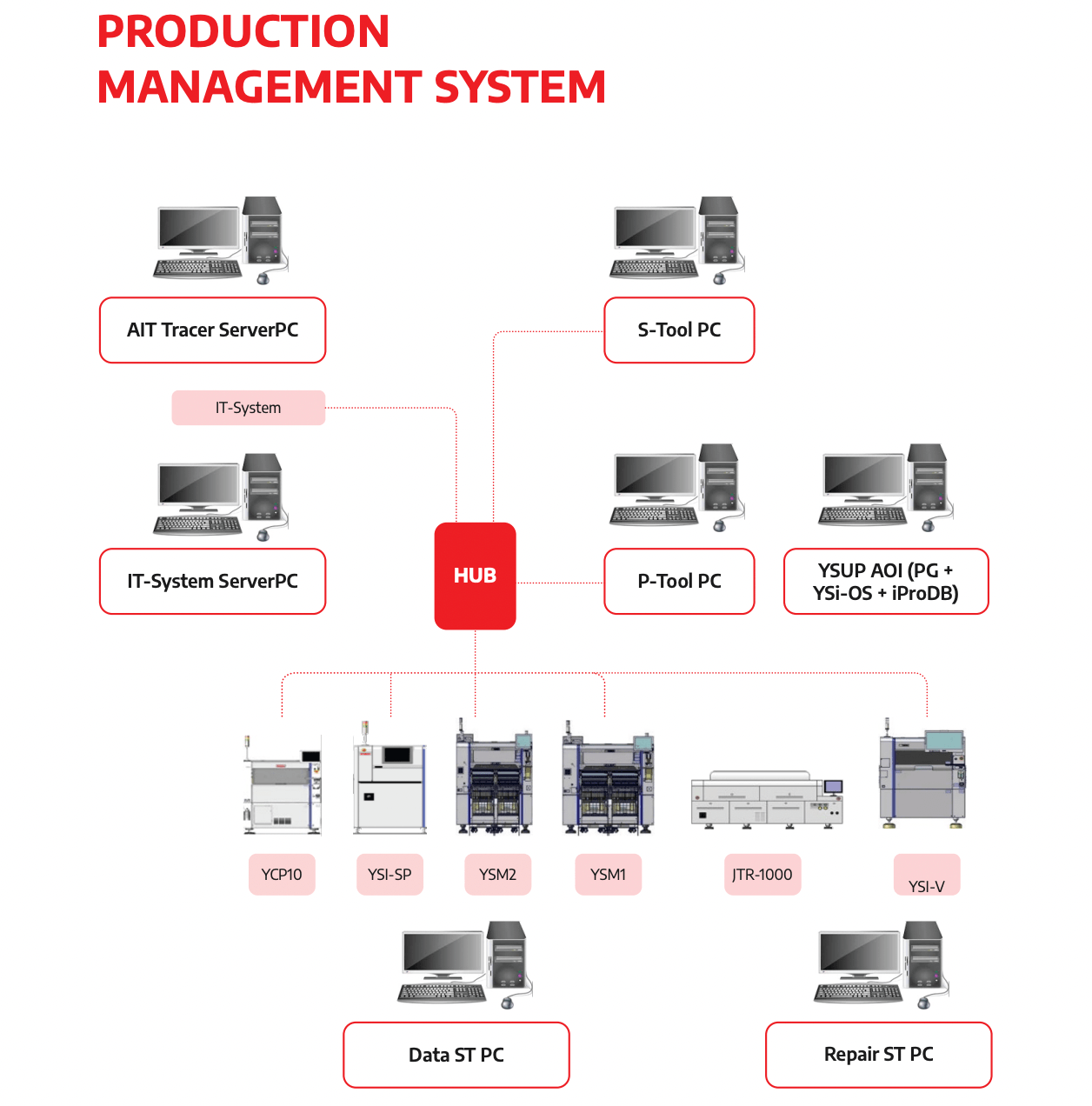
SHDC’s manufacturing capabilities support every stage of the production readiness process, including:
- High-speed SMT production
- DIP assembly
- Box Build Assembly
- Functional Testing (FCT)
- In-Circuit Testing (ICT)
- Automated Optical Inspection (AOI)
- Aging and reliability testing
- Laser marking and traceability
- Final assembly and packaging
To maintain production consistency, SHDC also utilizes integrated manufacturing management systems such as ERP, PLM, SCM, and MES/QMS, enabling better production planning, quality control, and traceability throughout the manufacturing lifecycle. These capabilities are reflected in the company’s production systems and factory profile.
Combined with experienced engineering support and modern production facilities, this approach enables customers to reduce manufacturing risks while improving quality, delivery performance, and production efficiency.
>>>Read more: SHDC – A Trusted Vietnam Electronics Manufacturing Company for Global Brands
Frequently Asked Questions
What is a Production Readiness Review?
A Production Readiness Review (PRR) is a structured evaluation performed before mass production to confirm that a product, manufacturing process, suppliers, quality systems, documentation, and production resources are fully prepared for high-volume manufacturing.
Who is responsible for a Production Readiness Review?
A PRR is typically conducted by a cross-functional team that includes engineering, manufacturing, quality assurance, procurement, supply chain, production management, and, in some cases, customer representatives.
What should be included in a Production Readiness Review?
A comprehensive PRR generally covers:
- Product design
- Manufacturing readiness
- Equipment and tooling
- Supplier readiness
- Quality planning
- Testing strategy
- Documentation
- Risk assessment
- Logistics
- Final production approval
When should a Production Readiness Review be conducted?
Most manufacturers perform PRRs before:
- Pilot production
- Production Validation Testing (PVT)
- Manufacturing transfer
- Mass production
- Major product changes
What is the difference between a Production Readiness Review and a Production Readiness Checklist?
A Production Readiness Checklist is a list of verification items.
A Production Readiness Review is the formal process used to evaluate those items and determine whether production can proceed.
How long does a Production Readiness Review take?
The duration depends on product complexity. Simple manufacturing projects may require only a few hours, while complex electronic products involving multiple suppliers and production lines may require several review sessions.
Conclusion
A well-executed Production Readiness Review is one of the most effective tools for reducing manufacturing risk before mass production begins. By systematically reviewing product design, manufacturing capability, supplier readiness, quality planning, testing strategies, documentation, and operational risks, organizations can improve production stability, reduce defects, and shorten time to market.
For OEMs, startups, and companies outsourcing electronics manufacturing, implementing a standardized PRR process creates greater confidence that products can be manufactured consistently at scale.
Whether launching a new product or transferring production to a new facility, investing time in a structured Production Readiness Review helps prevent costly production issues and supports long-term manufacturing success.
References
For readers seeking additional guidance on manufacturing quality and production readiness, the following resources are widely recognized within the industry:
- IPC Standards – https://www.ipc.org
- National Institute of Standards and Technology (NIST) Manufacturing Resources – https://www.nist.gov
- American Society for Quality (ASQ) – https://asq.org
- ISO 9001 Quality Management Systems – https://www.iso.org