
 Tiếng Việt
 日本語
日本語
For U.S. companies developing and manufacturing electronic products, the PCBA manufacturing process is far more than a sequence of technical assembly steps. It is a critical decision factor that directly impacts product quality, total cost of ownership, supply chain stability, and long-term business risk.
Whether you are a hardware startup preparing for your first production run, an OEM scaling volume, or a sourcing team evaluating overseas suppliers, understanding how U.S. buyers evaluate the PCBA manufacturing process enables more informed decisions and significantly reduces operational and supply-chain risk.
Rather than focusing solely on equipment lists or step-by-step process descriptions, U.S. companies typically assess PCBA manufacturing through three core dimensions: quality, cost, and risk. This article examines how these criteria are applied in real-world sourcing decisions—and how they shape successful long-term manufacturing partnerships.
What Do U.S. Companies Look for in a PCBA Manufacturing Process?
When evaluating a PCBA manufacturing process, U.S. companies are not simply asking “Can you assemble this board?”
They are asking a deeper question: “Can this process consistently produce reliable products at volume?”
At a high level, U.S. buyers typically focus on:
- Process maturity, not just technical capability
- Stability and repeatability, rather than one-time success
- Data-driven process control, instead of manual judgment
- Manufacturing transparency, not black-box operations
A factory may claim to offer full SMT, THT, reflow soldering, and inspection capabilities, but these alone are not enough to distinguish a reliable supplier from a high-risk one. What truly matters is how well the process is controlled, measured, and continuously improved.
For this reason, U.S. companies often spend more time reviewing process documentation, quality metrics, and decision-making rules than discussing nominal assembly steps.
How U.S. Buyers Evaluate Quality in the PCBA Manufacturing Process
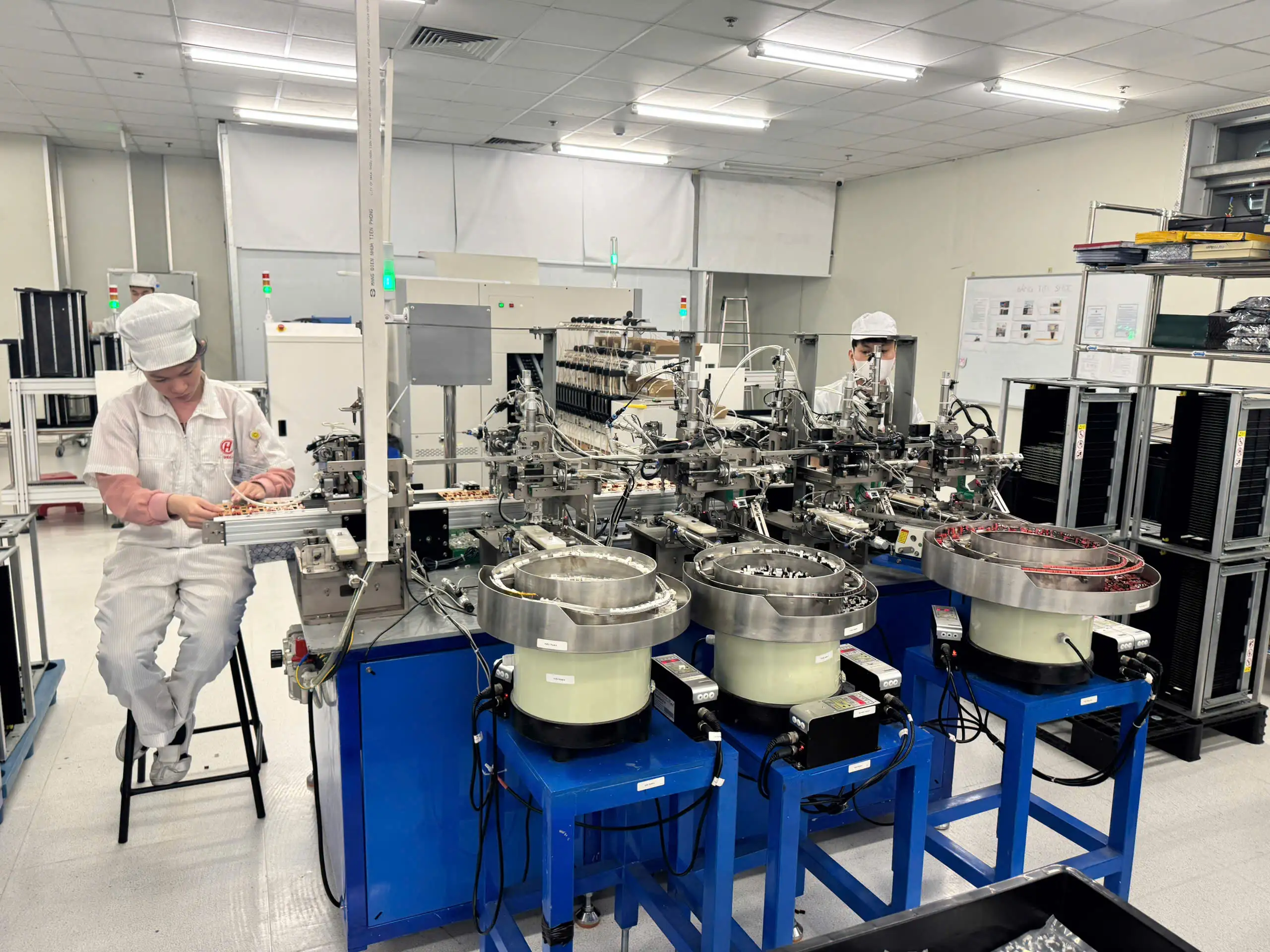
Process Control: Going Beyond Basic Assembly
From the perspective of U.S. buyers, quality starts with process control, not with final inspection.
Key questions typically include:
- Are critical process parameters clearly defined and continuously monitored?
- Is process variation managed proactively, or only addressed reactively after defects occur?
Technologies such as SPI (Solder Paste Inspection) and AOI (Automated Optical Inspection) are now considered baseline requirements. However, how these tools are used matters far more than simply whether they are in place.
For example:
- Is solder paste thickness measured and analyzed for trends over time?
- Is AOI used only as a pass/fail gate, or as a feedback mechanism to improve upstream processes?
- Is the depth of testing sufficient to detect latent defects, or does it only verify basic functionality?
U.S. companies understand that quality cannot be “tested into” a product. Quality must be built into the process from the start.
Yield, Defect Trends, and Traceability
Beyond individual process inspections, U.S. buyers place strong emphasis on process data over time.
They typically evaluate:
- First-pass yield (FPY) and variability across production lots
- Defect trends, rather than isolated defect instances
- The rigor of root cause analysis practices
- The level of traceability by lot, date code, and process parameters
A stable PCBA manufacturing process should demonstrate:
- Predictable yield
- Controlled defect rates
- Clear traceability to support investigation and corrective action
In high-reliability industries such as medical, industrial, and automotive electronics, traceability is especially critical. Without it, even minor defects can escalate into significant business risk.
>>>Read more: PCBA and PCB: A detailed technical comparison of printed circuit boards and assemblies
How Cost Is Evaluated — Beyond Unit Price
A common mistake in PCBA sourcing is comparing suppliers based solely on unit price. U.S. companies rarely make decisions this way.
Instead, they focus on Total Cost of Ownership (TCO).
Total Cost of Ownership (TCO)
From the U.S. buyer’s perspective, TCO includes:
- Assembly cost
- Rework and scrap
- Engineering and technical support
- Logistics and production delays
- Warranty and returns
- Recall risk
- Impact of field failures
An initially low quoted price may appear attractive, but if it leads to higher defect rates or unstable production, the true cost will quickly exceed expectations.
As a result, U.S. companies evaluate whether a PCBA manufacturing process:
- Prevents defects at the source rather than correcting them later
- Reduces rework and scrap
- Lowers long-term support and warranty costs
Hidden Cost Drivers: Rework, Scrap, and Recalls
Poorly controlled processes often result in:
- Increased rework
- Higher scrap rates
- Unplanned engineering intervention
Most costly of all are warranty issues and recalls, which not only impact financial performance but can also cause lasting damage to brand reputation.
U.S. buyers understand that:
Paying slightly more for assembly is often justified if it significantly reduces downstream risk.
For this reason, cost evaluation is always closely linked to process quality and risk management, rather than considered in isolation.
Companies Evaluate in the PCBA Manufacturing Process

Beyond quality and cost, risk is the third decision-making pillar U.S. companies use when evaluating a PCBA manufacturing process. A process that appears to perform well on the surface but carries hidden risks in supply chain stability, process control, or scalability can still be disqualified as a long-term manufacturing partner.
Supply Chain Risk in the PCBA Manufacturing Process
In recent years, supply chain risk has become a top concern for U.S. buyers when assessing a PCBA manufacturing process.
Key factors typically evaluated include:
- Stability of component supply, especially for parts with short or uncertain lifecycles
- Approved Vendor Lists (AVL) and controlled component substitution policies
- Transparency around shortages, lead times, and inventory status
A PCBA manufacturing process that allows uncontrolled component substitutions or lacks sourcing transparency is considered high risk—regardless of how strong the assembly capability may be.
Process Deviation and Control Risk
U.S. buyers closely examine how a manufacturer responds when the PCBA manufacturing process deviates from expected performance.
Common evaluation questions include:
- What happens when yield begins to decline?
- Is the production line stopped to investigate, or does it continue running?
- Are process changes documented, reviewed, and formally approved?
Uncontrolled process deviations can introduce latent defects—issues that are difficult to detect during factory testing but more likely to fail in the field. From the U.S. buyer’s perspective, this represents one of the most serious risks, as it directly impacts long-term product reliability.
Scaling Risk in the PCBA Manufacturing Process
A PCBA manufacturing process that performs well during prototyping or pilot runs does not automatically remain stable at higher production volumes.
When evaluating scalability, U.S. companies typically assess:
- The level of process standardization and documentation
- Whether increasing capacity introduces greater process variation
- Whether quality metrics (yield, defect rates) remain stable as volume scales
This is a particularly critical concern for hardware startups transitioning from pilot builds to mass production, where an insufficiently standardized PCBA manufacturing process can quickly become a growth constraint.
>>>Read more: What Is PCBA Manufacturing and How Does It Work?
How U.S. Buyers View Risk Holistically
From the U.S. buyer’s perspective, a reliable PCBA manufacturing process must do more than meet technical specifications. It must also:
- Mitigate supply chain risk
- Maintain tight control over process deviations
- Remain stable and predictable as production scales
Ultimately, the ability to manage risk systematically is what distinguishes a PCBA supplier that is merely capable from one that can serve as a trusted, long-term manufacturing partner.
SHDC – A Trusted PCBA Manufacturing Partner for US Companies
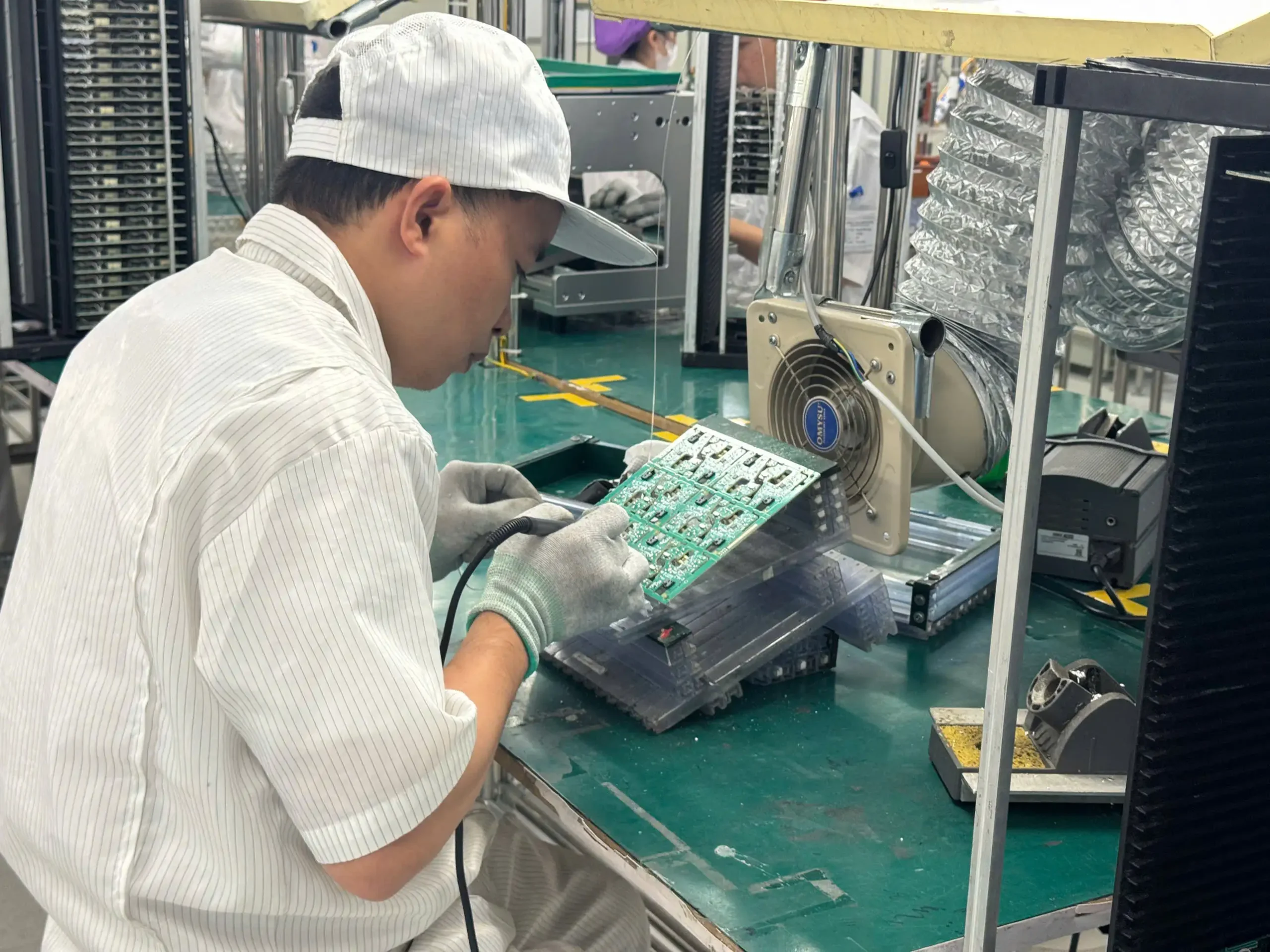
When the PCBA manufacturing process is viewed as a system for controlling quality, cost, and risk, US companies are not simply looking for a factory that can assemble boards. They are seeking a manufacturing partner with strong technical capabilities, experienced management, and the ability to support long-term production goals.
In this context, SHDC is recognized as one of the pioneering Vietnamese companies specializing in PCB and PCBA manufacturing for a wide range of electronic products, including printers, fax machines, computers, consumer electronics, and home appliances.
Manufacturing Capabilities and Technical Expertise
SHDC’s core strength lies in its management and engineering team, whose members bring extensive industry experience and have previously held senior technical and leadership roles at major global technology corporations. This background enables SHDC to design and operate PCBA manufacturing processes that emphasize process stability, quality control, and scalable production.
From a manufacturing capability perspective, SHDC is able to:
-
Produce and assemble PCBs ranging from 50 × 50 mm to 460 × 550 mm
-
Handle component sizes from 0201, 0402, 0603 up to large components measuring 100 mm
-
Manufacture and assemble flexible printed circuits (FPCs) for high-technology applications such as smartphones and advanced electronic devices
Diverse PCBA Product Portfolio
SHDC supports a broad range of PCBA applications, including:
-
PCBA for printers and office equipment
-
PCBA for home appliances
-
PCBA for desktop computers, laptops, and USB devices
-
Other customized electronic boards based on customer requirements
This diverse product portfolio reflects SHDC’s ability to manage different levels of complexity, production volumes, and quality requirements across multiple electronics segments.
International Partnerships and Long-Term Development Vision
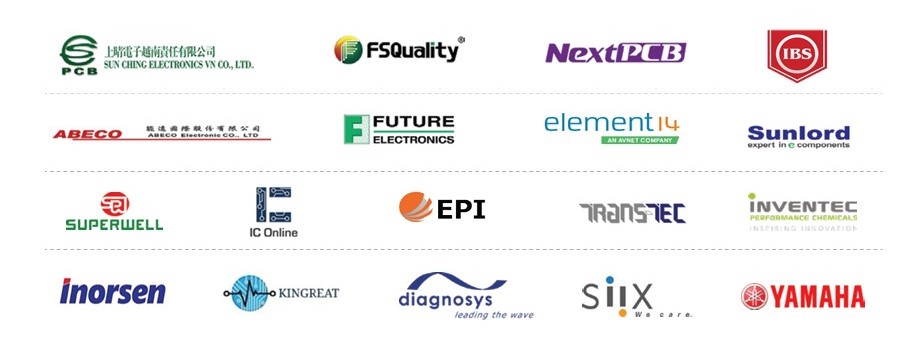
In recent years, SHDC has continuously expanded its cooperation with international partners. As a strategic manufacturing partner, SHDC benefits from strong technical support and collaboration with global companies such as Yamaha, IBS…
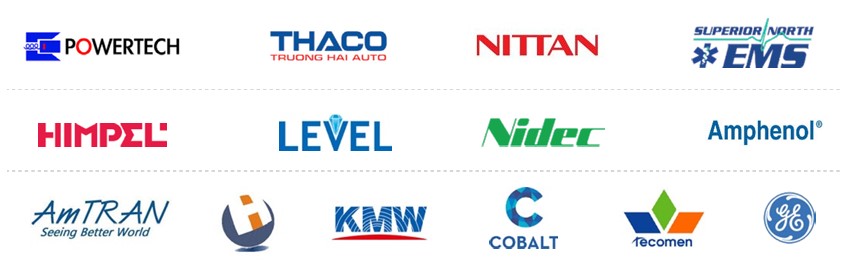
With many years of experience in electronic manufacturing, PCB fabrication, and circuit board assembly, SHDC takes pride in both its product quality and its ability to deliver comprehensive, end-to-end services to customers. Notable clients of SHDC include APPLE, THACO, POWERTECH, and others.
Looking ahead, SHDC is committed to strengthening its position as a leading PCB and PCBA assembly provider in Vietnam. The company’s long-term vision focuses on delivering reliable manufacturing processes, competitive cost structures, and effective risk management to meet the evolving expectations of international customers, including US companies and global sourcing teams.
Final Thoughts
For US companies, the PCBA manufacturing process is not merely a sequence of assembly steps, but a framework for managing quality, total cost, and risk throughout the product lifecycle. Effective evaluation goes beyond assembly pricing or equipment lists, focusing instead on process control, data transparency, and long-term reliability.
