Tiếng Việt
 日本語
日本語
Production Validation Testing (PVT) is the final validation stage before a product enters mass production. It verifies that the manufacturing process, equipment, operators, test systems, suppliers, and production controls are ready to consistently produce products at the required quality and volume. Unlike earlier engineering tests, PVT does not only confirm whether the product design works. It confirms whether the product can be manufactured repeatedly under real production conditions.
For OEMs, product companies, and electronics manufacturers, PVT is a critical step before approving mass production. It helps identify process issues, quality risks, production bottlenecks, and testing gaps before they become costly problems.
Where Does PVT Fit in the Product Development Lifecycle?
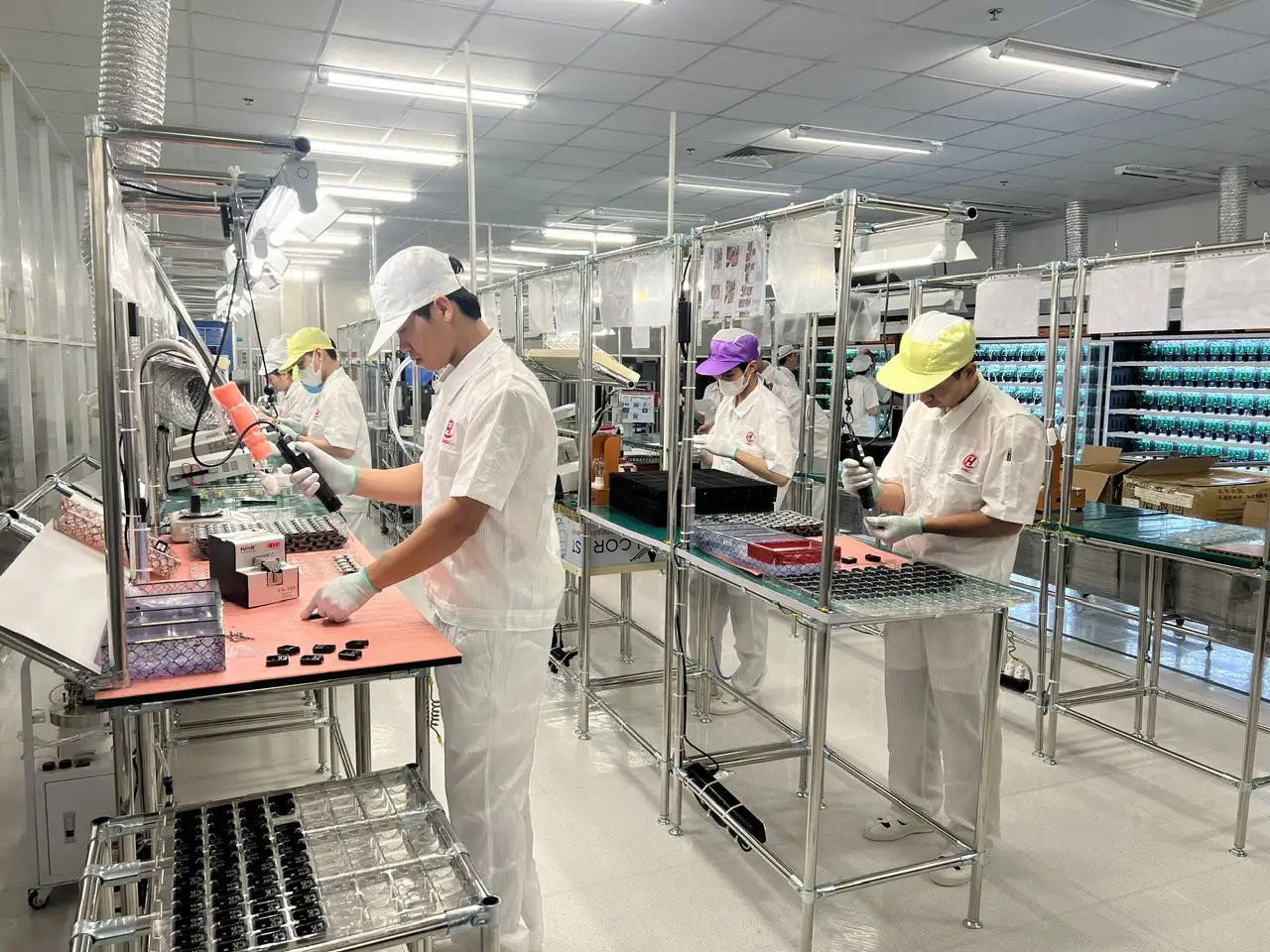
Production Validation Testing is usually performed after engineering and design validation have been completed.
A typical product development lifecycle includes:
- Concept Development
- New Product Introduction (NPI)
- Engineering Validation Testing (EVT)
- Design Validation Testing (DVT)
- Production Validation Testing (PVT)
- Production Readiness Review
- Mass Production
Each stage has a different purpose.
EVT confirms that the engineering design works at a functional level.
DVT confirms that the design meets product specifications, reliability requirements, and customer expectations.
PVT confirms that the production process is ready to manufacture the product consistently.
This distinction is important. A product may pass EVT and DVT but still fail during production if the process is unstable, operators are not trained, suppliers are not ready, or test coverage is insufficient.
Why Is Production Validation Testing Important?
PVT reduces the risk of entering mass production with unresolved manufacturing problems. It gives teams one final opportunity to validate production readiness before larger volumes are built.
Validate Manufacturing Processes
The main purpose of PVT is to confirm that the manufacturing process can produce consistent results. This includes assembly sequence, work instructions, production line layout, equipment settings, inspection points, and operator workflow.
If the process is unclear or unstable during PVT, mass production should not begin until corrective actions are completed.
Verify Production Capability
A factory may be able to build prototypes or small batches, but that does not guarantee it can support mass production.
PVT verifies whether production lines, equipment, tooling, test systems, and operators can meet expected output, quality, and cycle time targets.
Improve Product Quality
PVT helps identify quality issues before products reach customers. These issues may include assembly defects, soldering problems, test failures, packaging damage, material inconsistencies, or cosmetic defects.
By addressing these issues before mass production, manufacturers can improve first-pass yield and reduce rework.
Reduce Manufacturing Risks
Production risks often appear when the product moves from engineering builds to real manufacturing conditions. PVT helps detect risks such as process variation, equipment instability, supplier issues, incomplete documentation, and insufficient testing coverage.
Prevent Costly Production Delays
If production problems are discovered after mass production begins, the cost of fixing them can be high. PVT helps manufacturers solve problems earlier, reducing schedule delays, scrap, rework, and customer complaints.
Production Validation Testing Objectives
A successful PVT program should achieve several key objectives.
Confirm Manufacturing Readiness
PVT verifies that the production line is ready, operators are trained, equipment is available, and manufacturing documentation is complete.
Validate Equipment Performance
Production equipment, fixtures, tooling, and test stations must operate correctly and consistently. Calibration and preventive maintenance records should also be reviewed.
Verify Assembly Processes
The production team must demonstrate that the assembly process can be performed consistently by trained operators using approved work instructions.
Confirm Supplier Readiness
PVT should confirm that materials and components are available, approved, and supplied by qualified vendors. Supplier qualification and delivery performance should also be reviewed.
Validate Testing Procedures
Testing procedures must be capable of identifying defects before shipment. For electronics products, this may include AOI, ICT, FCT, aging tests, burn-in tests, and final inspection.
Verify Quality Standards
Inspection criteria, defect classification, sampling plans, and acceptance standards should be clearly defined before production approval.
Production Validation Testing Process
Step 1: Product Design Freeze
PVT should begin only after the product design is stable. Engineering drawings, product specifications, firmware versions, and Bill of Materials should be reviewed and approved.
Any open Engineering Change Orders should be carefully evaluated. If the design is still changing frequently, the product is not ready for PVT.
Step 2: Manufacturing Process Validation
The manufacturing team reviews whether the production process is clearly defined and repeatable.
This includes:
- Manufacturing process flow
- Standard Operating Procedures
- Work Instructions
- Assembly sequence
- Production line layout
- Operator training
- Process control points
The goal is to ensure the product can be built consistently using the planned production process.
Step 3: Equipment Qualification
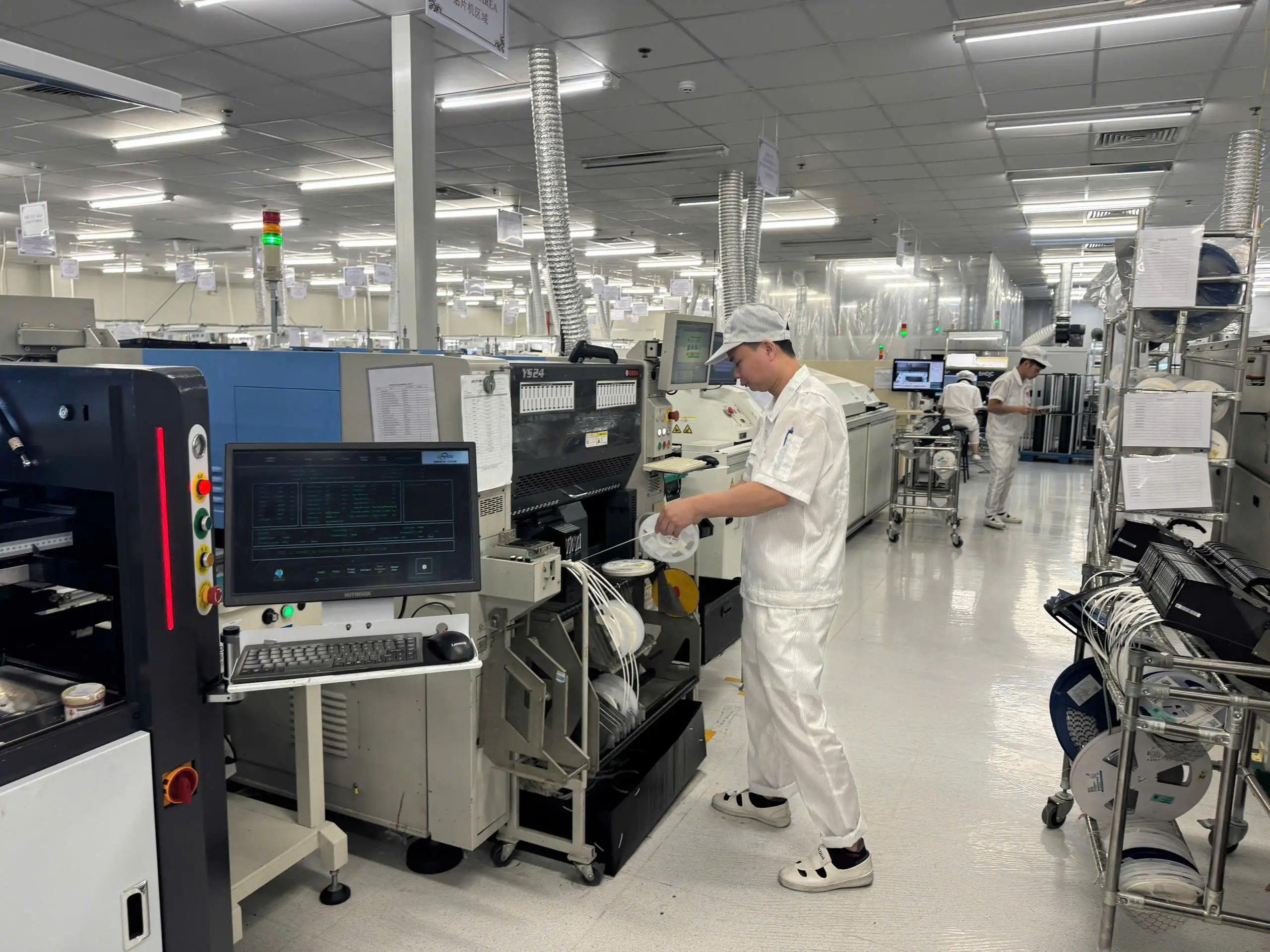
Production equipment must be qualified before the PVT build.
This may include:
- SMT equipment
- Reflow ovens
- Fixtures and jigs
- Functional test stations
- In-Circuit Test equipment
- Automated Optical Inspection systems
- Torque tools
- Packaging equipment
Equipment should be calibrated, maintained, and capable of supporting the expected production volume.
Step 4: Pilot Production Run
During PVT, products are usually built using production-intent materials, equipment, operators, tooling, and processes.
This pilot production run helps the team observe real production conditions and identify bottlenecks, defects, operator issues, or process inconsistencies.
Important metrics include:
- First-pass yield
- Defect rate
- Rework rate
- Cycle time
- Scrap rate
- Equipment downtime
Step 5: Product Testing
PVT units should undergo the same testing expected during mass production.
For electronics products, testing may include:
- Automated Optical Inspection (AOI)
- In-Circuit Testing (ICT)
- Functional Testing (FCT)
- High-voltage testing
- Aging or burn-in testing
- Final product testing
The testing process should confirm that products meet functional, electrical, mechanical, and safety requirements.
Step 6: Process Capability Analysis
The manufacturing team should evaluate whether the production process is stable and capable.
This includes reviewing yield, cycle time, defect trends, operator consistency, equipment performance, and process variation.
If process capability is weak, corrective actions should be implemented before mass production begins.
Step 7: Quality Verification
Quality teams should review inspection results at every stage of production.
This may include:
- Incoming Quality Control (IQC)
- In-Process Quality Control (IPQC)
- Outgoing Quality Control (OQC)
- Visual inspection
- Functional testing
- Final inspection
The goal is to ensure quality standards are clear, measurable, and repeatable.
Step 8: Corrective Actions
Any issues found during PVT should be documented and assigned to responsible owners.
Corrective actions may include:
- Updating work instructions
- Improving fixtures
- Adjusting equipment settings
- Training operators
- Changing suppliers
- Improving test coverage
- Updating quality criteria
Corrective actions should be verified before production approval.
Step 9: Production Approval
After all critical issues are resolved, the team conducts a final review.
If the product, process, suppliers, documentation, testing, and quality systems are ready, the team can approve the transition to mass production.
If major risks remain, production should be delayed until those risks are controlled.
Key Deliverables of Production Validation Testing
A complete PVT process should produce clear documentation that supports production approval.
Common PVT deliverables include:
- PVT report
- Test reports
- Yield analysis
- Process capability report
- Equipment qualification records
- Quality inspection results
- Risk assessment
- Corrective action report
- Updated SOPs and Work Instructions
- Go / No-Go approval record
These documents provide traceability and help teams improve future production launches.
Production Validation Testing Checklist
Use the following checklist before approving mass production:
| Area | Verification |
|---|---|
| Product Design | Design frozen and approved |
| BOM | Components verified and available |
| Suppliers | Suppliers qualified and capable |
| Process | Manufacturing flow validated |
| Equipment | Machines and fixtures qualified |
| Operators | Training completed |
| Testing | AOI, ICT, FCT or required tests validated |
| Quality | IQC, IPQC and OQC standards approved |
| Documentation | SOPs and Work Instructions released |
| Packaging | Packaging and labeling confirmed |
| Approval | Go / No-Go decision completed |
Common Challenges During Production Validation Testing
Low Production Yield
Low yield during PVT may indicate process instability, poor assembly instructions, supplier quality issues, or weak test coverage.
Process Instability
If the production process produces inconsistent results, the team should identify the root cause before scaling production.
Supplier Issues
Late materials, inconsistent components, or unqualified suppliers can delay PVT and mass production.
Equipment Problems
Unstable or uncalibrated equipment can cause repeated defects. Equipment qualification is essential before production approval.
Documentation Errors
Incorrect BOMs, outdated drawings, or unclear work instructions can create production mistakes.
Testing Coverage Gaps
If tests do not detect critical defects, products may fail after shipment. Test coverage should be reviewed carefully.
Engineering Changes During PVT
Late design changes can disrupt production validation. Any change during PVT should go through formal engineering change control.
Best Practices for Successful Production Validation Testing
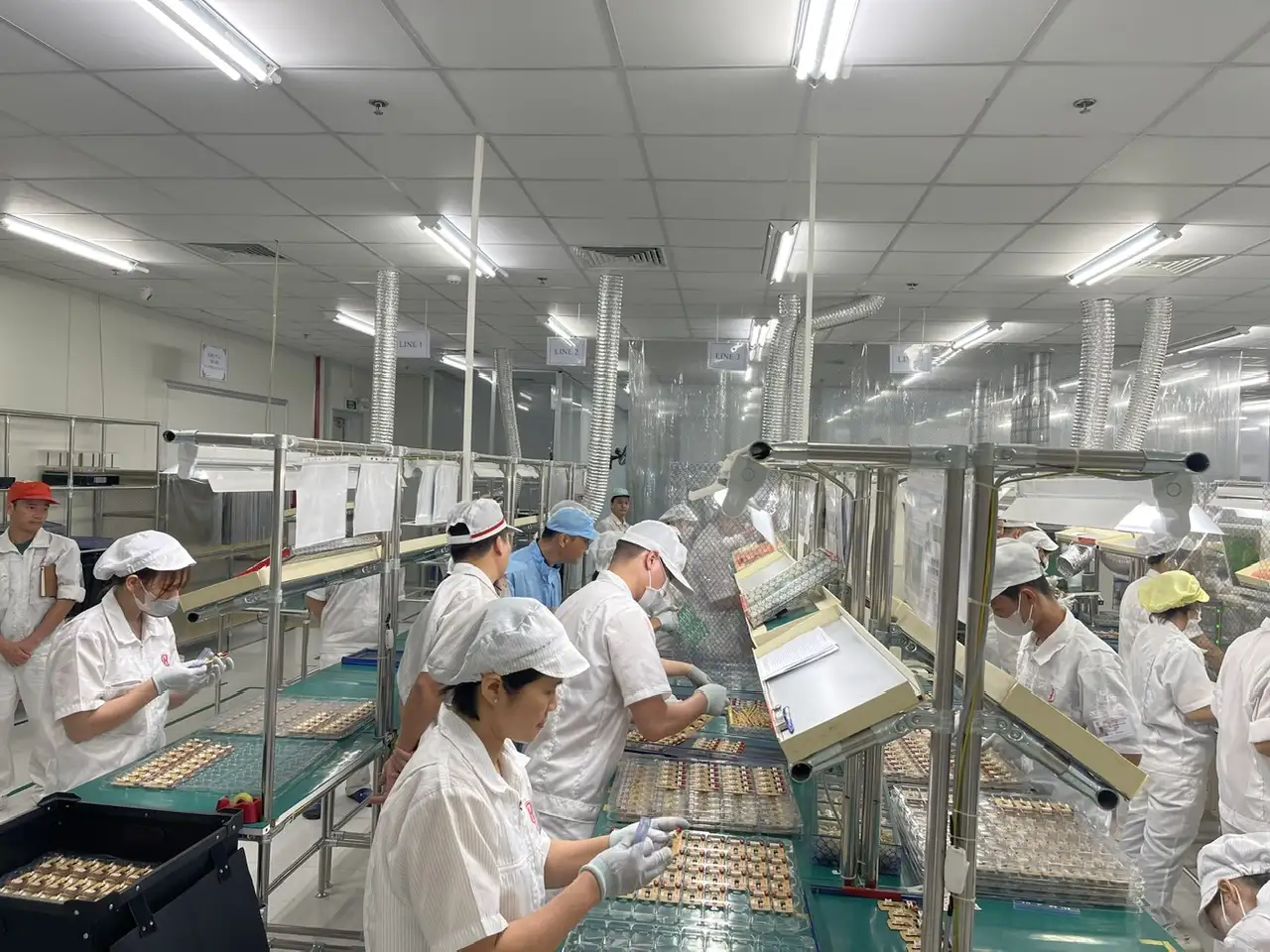
Start Planning Early
PVT planning should begin during NPI, not after DVT is completed. Early planning gives teams enough time to prepare equipment, suppliers, test systems, and production documentation.
Build Cross-Functional Teams
PVT should involve engineering, manufacturing, quality, procurement, supply chain, production, and project management teams. Cross-functional participation helps identify risks from multiple perspectives.
Standardize Testing Procedures
Testing procedures should be documented, repeatable, and aligned with product requirements. Operators should be trained before the PVT build begins.
Monitor Production KPIs
Important KPIs include first-pass yield, defect rate, rework rate, cycle time, scrap rate, and test failure rate. These metrics provide objective evidence of production readiness.
Document Every Finding
Every issue discovered during PVT should be recorded. Documentation helps teams analyze root causes, assign corrective actions, and prevent repeated problems.
Validate Corrective Actions
Corrective actions should not be considered complete until they are verified through testing or process review.
Do Not Rush Into Mass Production
If PVT results are weak, mass production should be delayed. Starting production too early can lead to higher costs, delivery delays, and quality problems.
Production Validation Testing in Electronics Manufacturing
PVT is especially important in electronics manufacturing because products often require multiple complex process steps.
For PCBA and electronic products, PVT may include:
- SMT process validation
- DIP assembly validation
- Soldering quality review
- AOI inspection
- ICT verification
- Functional testing
- Aging or burn-in tests
- Final assembly validation
- Packaging validation
- Traceability review
A strong PVT process helps electronics manufacturers confirm that both the product and the production system are ready for volume manufacturing.
How SHDC Supports Production Validation Testing
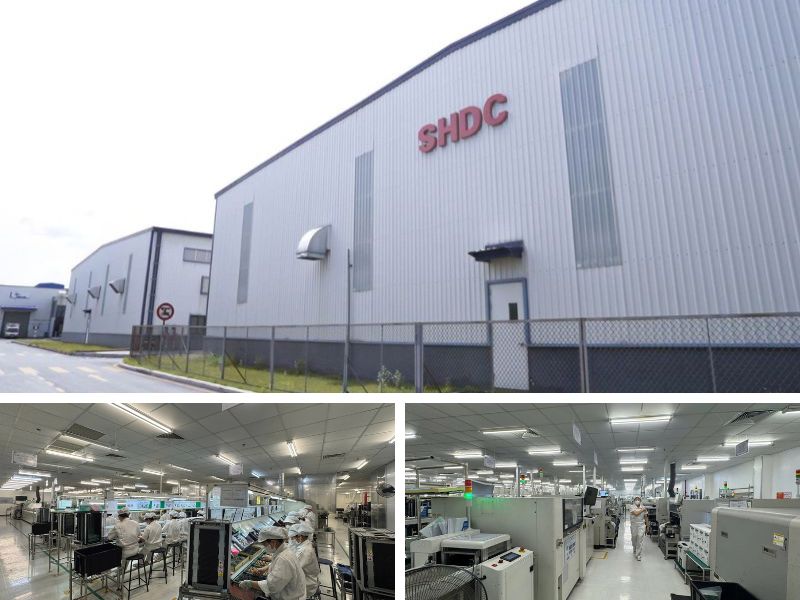
SHDC Electronics supports customers through comprehensive Electronics Manufacturing Services, including SMT, DIP, assembly, testing, and final packaging.
For PVT projects, SHDC can support production process validation through equipment readiness, operator training, quality inspection, functional testing, and production data management. Its manufacturing process includes key inspection and testing stages such as IQC, AOI, ICT, FCT, OQC, packaging, and finished goods control.
SHDC also uses integrated production management systems such as ERP, PLM, SCM, and MES/QMS to support production planning, traceability, quality control, and process management.
By combining engineering support, manufacturing capability, quality control, and testing resources, SHDC helps OEMs reduce production risks and prepare for stable mass production.
Frequently Asked Questions
What is Production Validation Testing?
Production Validation Testing is the final validation stage before mass production. It confirms that the manufacturing process can consistently produce products that meet quality and performance requirements.
What is the purpose of PVT?
The purpose of PVT is to validate production readiness, including process capability, equipment performance, testing procedures, supplier readiness, documentation, and quality controls.
What happens during PVT?
During PVT, products are built using production-intent materials, equipment, operators, and processes. The team evaluates yield, quality, testing results, process stability, and production readiness.
What is the difference between DVT and PVT?
DVT validates the product design, while PVT validates the manufacturing process. DVT answers whether the product meets requirements. PVT answers whether the product can be manufactured consistently.
How long does Production Validation Testing take?
The timeline depends on product complexity, production volume, testing requirements, and issue resolution. Simple products may take days, while complex electronics may require several weeks.
Who participates in PVT?
PVT usually involves engineering, manufacturing, quality, procurement, supply chain, production management, and customer representatives when required.
What happens after PVT?
After successful PVT, the team reviews results, resolves open issues, and conducts final production approval before mass production begins.
Conclusion
Production Validation Testing (PVT) is a critical step before mass production. It validates not only the product but also the manufacturing process, equipment, suppliers, testing procedures, documentation, and quality systems. A strong PVT process helps manufacturers reduce risk, improve yield, prevent production delays, and deliver consistent product quality.
For OEMs and electronics companies preparing for volume production, PVT should never be treated as a formality. It is the final opportunity to confirm that the production system is truly ready before scaling to mass production.