Tiếng Việt
 日本語
日本語
Why OEMs Should Ask Contract Questions Before Choosing a PCBA Manufacturer in Vietnam
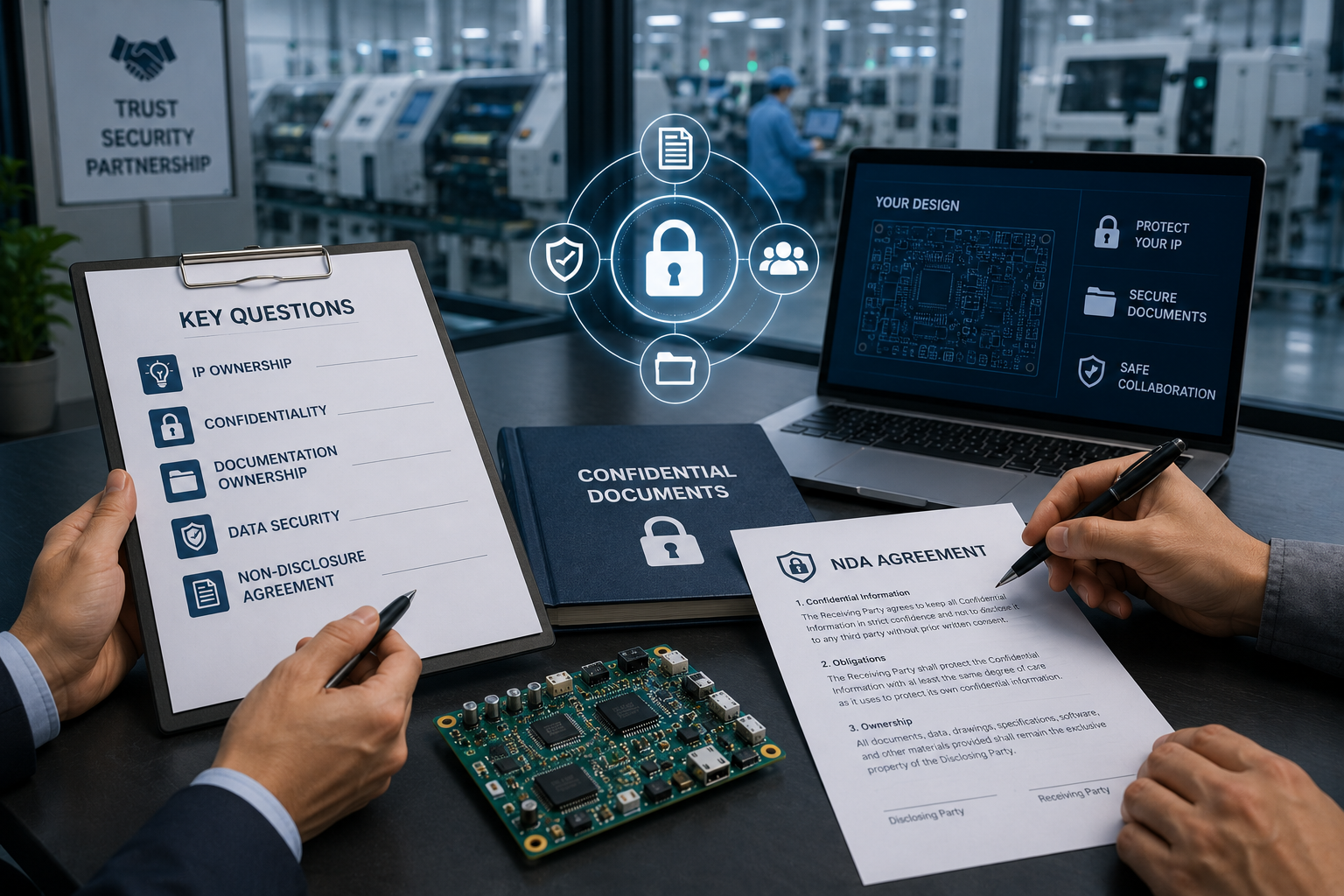
A quotation is not the same as a manufacturing contract. A quote may show estimated cost, lead time, and basic production assumptions. A contract defines responsibilities, acceptance criteria, payment terms, ownership, change control, and what happens when something goes wrong.
For OEMs evaluating PCBA contract manufacturing, contract clarity is essential because PCBA production involves many connected decisions: PCB fabrication, BOM sourcing, SMT assembly, DIP assembly, testing, firmware loading, packaging, logistics, and post-delivery support.
If the contract is vague, OEMs may face issues such as:
- Unexpected cost increases
- Unclear BOM sourcing responsibility
- Unauthorized component substitution
- Disagreement over quality acceptance criteria
- Testing scope misunderstanding
- Delivery delay disputes
- Warranty and failure analysis conflicts
- Unclear ownership of tooling, fixtures, or production files
A strong PCBA manufacturer Vietnam contract should protect both parties by defining technical and commercial expectations before materials are purchased and production begins.
Questions PCBA Manufacturer Vietnam Contract Buyers Should Ask About Scope
What Exactly Is Included in the Manufacturing Scope?
The first contract question is simple: what is the supplier actually responsible for? PCBA manufacturing can mean different things to different companies. Some suppliers only assemble boards from consigned components. Others provide turnkey production, testing, and final packaging.
OEMs should ask:
- Does the contract include PCB fabrication?
- Does it include component sourcing?
- Does it include SMT assembly?
- Does it include DIP or through-hole assembly?
- Does it include AOI, ICT, FCT, or other testing?
- Does it include firmware programming?
- Does it include final packaging?
- Does it include shipping or export documentation?
If a supplier provides only assembly, the OEM may need to manage PCB fabrication, components, testing fixtures, and logistics separately. If the supplier provides broader full turnkey electronics manufacturing, the contract should define exactly which services are included and what assumptions are used.
Is the Manufacturing Model Turnkey, Consigned, or Hybrid?
The contract should define the sourcing model clearly.
- Turnkey manufacturing: the manufacturer sources the PCB, components, and assembly materials.
- Consigned manufacturing: the OEM provides some or all components to the manufacturer.
- Hybrid manufacturing: the OEM and manufacturer share sourcing responsibility.
If the OEM is working with a turnkey PCBA manufacturer in Vietnam, the contract should specify who approves suppliers, who manages component shortages, who owns excess inventory, and how substitutions are handled.
Are Engineering Support and DFM Review Included?
Engineering review can reduce production risk before the first build. OEMs should ask whether the manufacturer provides BOM review, Gerber review, process feedback, or DFM for electronics manufacturing.
Important questions include:
- Is DFM review included before production?
- Will the manufacturer flag manufacturability risks?
- Will BOM issues be documented?
- Will the supplier review panelization, solderability, component spacing, and test access?
- Will engineering feedback be provided in writing?
For production-ready projects, a DFM checklist can help both sides align before manufacturing begins.
Questions About BOM, Component Sourcing, and Substitution
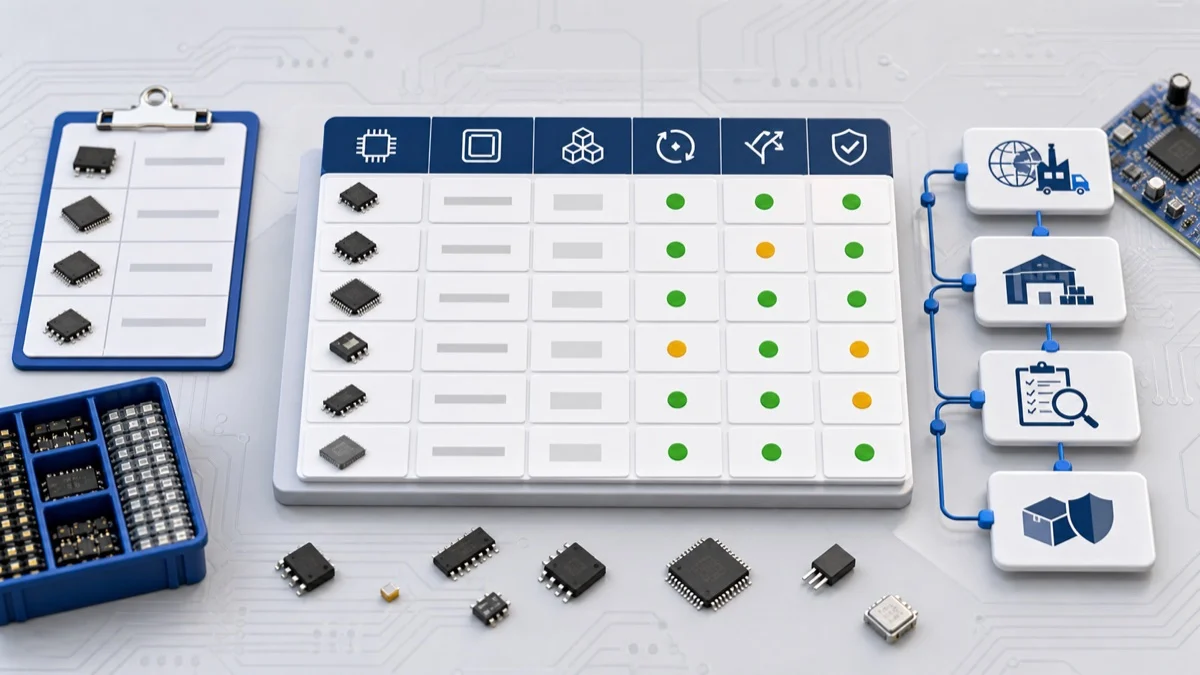
Who Owns Component Sourcing Responsibility?
BOM responsibility is one of the most important contract areas. If it is not clearly defined, delays and cost disputes can happen quickly.
OEMs should ask:
- Who sources each BOM item?
- Who selects component suppliers?
- Who approves alternative parts?
- Who manages long-lead components?
- Who is responsible for obsolete or unavailable parts?
- Who pays for MOQ or excess material?
The contract should also define whether the manufacturer may buy from authorized distributors only, approved vendors, or other sourcing channels. For sensitive products, OEMs may require supplier traceability or customer approval before procurement.
Can the Manufacturer Substitute Components?
Component substitution can reduce lead time or cost, but it can also create reliability, compliance, or performance risk. The contract should never leave substitution rules vague.
OEMs should ask:
- Can the manufacturer use equivalent parts?
- Is written OEM approval required before substitution?
- How are substitutions documented?
- Will the manufacturer provide datasheets for alternative parts?
- Will substitutions affect warranty, pricing, or lead time?
- Are substitutions allowed for ICs, connectors, power components, or safety-critical parts?
Expert Tip: For critical components, require written approval before substitution. Approved alternatives can be listed in the BOM, but unapproved replacements should not be used without OEM authorization.
How Are Long-Lead, Obsolete, or High-MOQ Parts Managed?
Component availability can affect both cost and delivery. The contract should define how supply risks are communicated and resolved.
Important questions include:
- Will the manufacturer perform a lifecycle review?
- How will long-lead parts be flagged?
- Who approves alternate sourcing?
- Who pays for high-MOQ parts?
- What happens to unused components after the order?
- Can excess inventory be reserved for future builds?
For repeat production, excess inventory rules are especially important. Without clear terms, OEMs and suppliers may disagree about who owns leftover components after a project changes, pauses, or ends.
Questions About Quality Standards and Acceptance Criteria

What Quality Standard Will Be Used?
Quality expectations must be written into the contract. Terms such as “good quality” or “standard quality” are not specific enough for PCBA production.
OEMs should define:
- IPC class or customer-specific acceptance criteria
- Solder joint requirements
- Visual inspection criteria
- Cosmetic requirements
- Functional acceptance criteria
- Documentation and reporting requirements
If the project uses the IPC-A-610 Standard as a reference for PCB assembly acceptability, the required class and inspection expectations should be clearly stated in the contract.
What Inspection Steps Are Included?
Inspection scope affects both quality and cost. OEMs should clarify which inspection steps are included in the standard manufacturing process and which require additional cost.
Questions to ask include:
- Is IQC inspection included?
- Is solder paste inspection included?
- Is Automated Optical Inspection included?
- Is X-ray inspection required for BGA or hidden solder joints?
- Is in-circuit testing included?
- Is functional testing included?
- Is OQC performed before shipment?
- Are inspection records available?
What Is the Process for Nonconforming Products?
The contract should define how defects are reported, reviewed, reworked, scrapped, or replaced. This prevents conflict when failed units are found during production or after delivery.
OEMs should ask:
- How are defects classified?
- Who approves rework?
- How is rework documented?
- What happens if defect rates exceed the agreed limit?
- Who pays for scrap, rework, or replacement?
- Will the manufacturer provide failure analysis?
For higher-reliability products, the contract should also define root cause analysis and corrective action expectations.
Questions About Testing and Validation
What Tests Are Required Before Shipment?
Testing is often misunderstood in PCBA contracts. Some quotes include only visual inspection and AOI. Others include ICT, functional testing, programming, aging test, or customer-specific validation.
OEMs should ask:
- Is visual inspection enough?
- Is AOI required?
- Is ICT required?
- Is functional testing required?
- Is firmware programming required?
- Is burn-in or aging test required?
- Is high-voltage testing required?
- Is a custom test fixture required?
If the board has firmware, communication protocols, sensors, displays, power output, or safety-related functions, a clearly defined test process is essential.
Who Provides the Test Procedure?
The OEM may provide the test procedure, or the manufacturer may help develop it based on customer requirements. Either way, the contract should define ownership and approval.
Questions include:
- Will the OEM provide test instructions?
- Can the manufacturer develop the test process?
- Who validates the test procedure?
- Who owns the test fixture?
- Who maintains test equipment?
- Will test records be saved and shared?
For better test coverage, OEMs should consider design for testability early in the design stage, especially if ICT or fixture-based functional testing is required.
What Are the Pass/Fail Criteria?
A test procedure is incomplete without pass/fail criteria. The contract should define measurable acceptance conditions where possible.
Examples include:
- Voltage output range
- Current consumption limit
- Communication response
- LED or display behavior
- Firmware version
- Functional sequence
- Aging or burn-in requirement
- Labeling and serial number verification
Without defined pass/fail criteria, a unit may pass from the manufacturer’s perspective but fail from the OEM’s product requirement perspective.
Questions About Pricing, Payment, and Cost Changes

What Is Included in the Quoted Price?
A PCBA contract should clearly connect the quote to the actual production scope. When reviewing a PCB assembly quote, OEMs should confirm what is included in the price.
Ask whether the quote includes:
- PCB fabrication
- BOM cost
- SMT assembly
- DIP assembly
- Testing
- NRE
- Stencil
- Fixtures
- Packaging
- Shipping
- Documentation
For better cost visibility, compare PCB assembly cost by category rather than looking only at unit price.
What Costs Are Excluded?
Exclusions are just as important as included items. A low quote may not include fixture development, firmware loading, packaging, reports, or urgent shipping.
OEMs should ask:
- Does the quote exclude test fixtures?
- Does it exclude firmware loading?
- Does it exclude special packaging?
- Does it exclude import duties or taxes?
- Does it exclude expedited shipping?
- Does it exclude engineering change cost?
How Are Price Changes Managed?
Component prices and availability can change over time. The contract should define how price changes are communicated and approved.
Questions include:
- How long is the quote valid?
- Can component price increases be passed to the OEM?
- Is OEM approval required before price changes?
- How are currency fluctuations handled?
- How are urgent sourcing costs approved?
Questions About Lead Time, Delivery, and Logistics
What Is the Lead Time Breakdown?
Lead time should be broken down by process stage. A single delivery date does not show whether the schedule depends on PCB fabrication, component sourcing, assembly, testing, or shipping.
OEMs should ask for a breakdown of PCB assembly lead time, including:
- PCB fabrication lead time
- Component sourcing lead time
- SMT assembly lead time
- DIP assembly lead time
- Testing lead time
- Packaging lead time
- Shipping lead time
What Happens if Delivery Is Delayed?
The contract should define how delays are communicated and handled. Some delays may be caused by component shortages, late OEM approvals, engineering changes, failed testing, or logistics issues.
Important questions include:
- How will delays be communicated?
- Who is responsible for delay caused by component shortages?
- Are expedited options available?
- Are penalties or remedies defined?
- What happens if the OEM delays approval or material supply?
Who Handles Packaging and Labeling?
Packaging should not be left until the end of production. PCBA products may require ESD packaging, anti-static trays, barcode labels, serial numbers, carton labels, or customer-specific packing instructions.
Questions include:
- Is ESD packaging required?
- Are barcode labels required?
- Are serial numbers required?
- Are carton labels defined?
- Are customer-specific packaging requirements included?
Questions About IP, Confidentiality, and Documentation Ownership

How Will OEM Intellectual Property Be Protected?
OEM design data can include Gerber files, BOMs, firmware, test procedures, drawings, and product documentation. A PCBA manufacturer Vietnam contract should define how this information is protected.
OEMs should ask:
- Is there an NDA?
- Who can access Gerber files, BOM, firmware, and test data?
- Can the manufacturer share files with subcontractors?
- How are confidential documents stored?
- How are obsolete file versions removed from production?
Who Owns Manufacturing Data and Tooling?
Tooling and data ownership should be written clearly, especially for long-term production programs.
Questions include:
- Who owns test fixtures?
- Who owns programming jigs?
- Who owns custom tooling?
- Who owns production files created during the project?
- Can the OEM retrieve tooling after contract termination?
Can the Manufacturer Use Subcontractors?
If any process is outsourced, OEMs should know before signing the contract. Subcontracting can affect confidentiality, traceability, quality control, and delivery responsibility.
Ask:
- Will any process be outsourced?
- Does the OEM need to approve subcontractors?
- How is confidentiality maintained with subcontractors?
- Who is responsible for subcontractor quality?
Questions About Engineering Change Orders
Design changes are common during prototype, pilot, and even early production. The contract should define the Engineering Change Orders process before changes occur.
How Are Design Changes Managed?
OEMs should ask:
- What is the ECO process?
- Who approves design changes?
- How are file revisions controlled?
- How are old revisions removed from production?
- How are pending changes communicated?
How Do ECOs Affect Cost and Lead Time?
Engineering changes may affect materials, tooling, fixtures, test procedures, or production schedules.
Ask:
- Does a design change require re-quotation?
- Does it require a new stencil or fixture?
- Does it affect component sourcing?
- Does it affect inventory already purchased?
- Does it delay production?
Questions About Warranty, Liability, and After-Sales Support
What Warranty Is Provided for Manufacturing Defects?
Warranty terms should distinguish manufacturing defects from design defects, component defects, misuse, or customer-caused damage.
OEMs should ask:
- What is the warranty period?
- What defects are covered?
- What exclusions apply?
- What is the claim process?
- Will the manufacturer repair, replace, or credit defective units?
How Are Field Failures Handled?
Field failures require structured analysis. The contract should define whether the manufacturer supports failure analysis and corrective action.
Questions include:
- Will the manufacturer support failure analysis?
- Who pays for return shipping?
- How are root causes documented?
- How are corrective actions implemented?
- Who determines whether the issue is design-related, component-related, or manufacturing-related?
Questions About Production Scaling and Forecasting
Can the Manufacturer Support Prototype, Pilot, and Mass Production?
OEMs should confirm whether the manufacturer can support the intended production path, from prototype to pilot run and repeat production.
Ask:
- Can the supplier support prototype builds?
- Can they support pilot production?
- Can they support repeat production?
- How much forecast notice is required?
- How are urgent orders handled?
Before scaling, OEMs should complete a production readiness checklist to confirm files, BOM, materials, test fixtures, packaging, and quality controls are ready.
How Are Materials Planned for Repeat Orders?
For repeat orders, the contract should define inventory responsibility and production planning.
- Can the manufacturer hold inventory?
- Who pays for inventory holding?
- Is safety stock available?
- What is the MOQ for repeat production?
- How are forecast changes handled?
Red Flags Before Signing a PCBA Manufacturer Vietnam Contract
When reviewing a supplier agreement, OEMs should watch for warning signs that may create production risk later.
- No written testing scope: The contract does not clearly define AOI, ICT, FCT, programming, or final inspection.
- No substitution rule: The supplier can replace parts without written OEM approval.
- No lead time breakdown: The supplier gives only a general delivery promise without process-level timing.
- No ECO process: Revision changes are handled informally by email or chat.
- No warranty terms: Manufacturing defects, field failures, and rework responsibility are not defined.
- No subcontracting disclosure: The supplier will not clarify whether any process is outsourced.
OEMs should also complete electronics supplier due diligence before signing, especially when the project involves long-term production, sensitive design files, or strict quality requirements.
PCBA Manufacturer Vietnam Contract Checklist for OEMs
| Contract Area | Key Question | Why It Matters |
|---|---|---|
| Scope | What is included in manufacturing scope? | Avoids missing cost items |
| Sourcing | Who sources BOM items? | Clarifies material responsibility |
| Substitution | Is OEM approval required? | Prevents unauthorized component changes |
| Quality | What acceptance standard is used? | Defines pass/fail criteria |
| Testing | What tests are required? | Prevents quote and delivery misunderstanding |
| Pricing | What is included and excluded? | Reduces hidden costs |
| Lead Time | What is the lead time breakdown? | Improves production planning |
| IP | Who can access design files? | Protects confidential data |
| Tooling | Who owns fixtures and jigs? | Avoids ownership disputes |
| ECO | How are changes approved? | Controls revision risk |
| Warranty | What defects are covered? | Clarifies after-sales responsibility |
| Termination | What happens if the contract ends? | Protects inventory, tooling, and documentation |
How SHDC Supports PCBA Manufacturing Projects in Vietnam

For OEMs reviewing a PCBA manufacturer Vietnam contract, SHDC Electronics Co., Ltd. can be evaluated as a Vietnam EMS Vietnam partner for projects involving component soldering, assembly, testing, and final packaging.
According to the SHDC company profile, the company’s current factory service scope includes about 2,600 square meters of production area, 150 employees, 4 high-speed SMT lines, 3 DIP lines, 1 assembly line, 1 test line, and 1 packaging line.
The documented production process includes IQC inspection, warehouse, screen printing, mounting, reflow, AOI, component insertion, automatic soldering, ICT, FCT, visual inspection, OQC, packaging, and finished product warehouse.
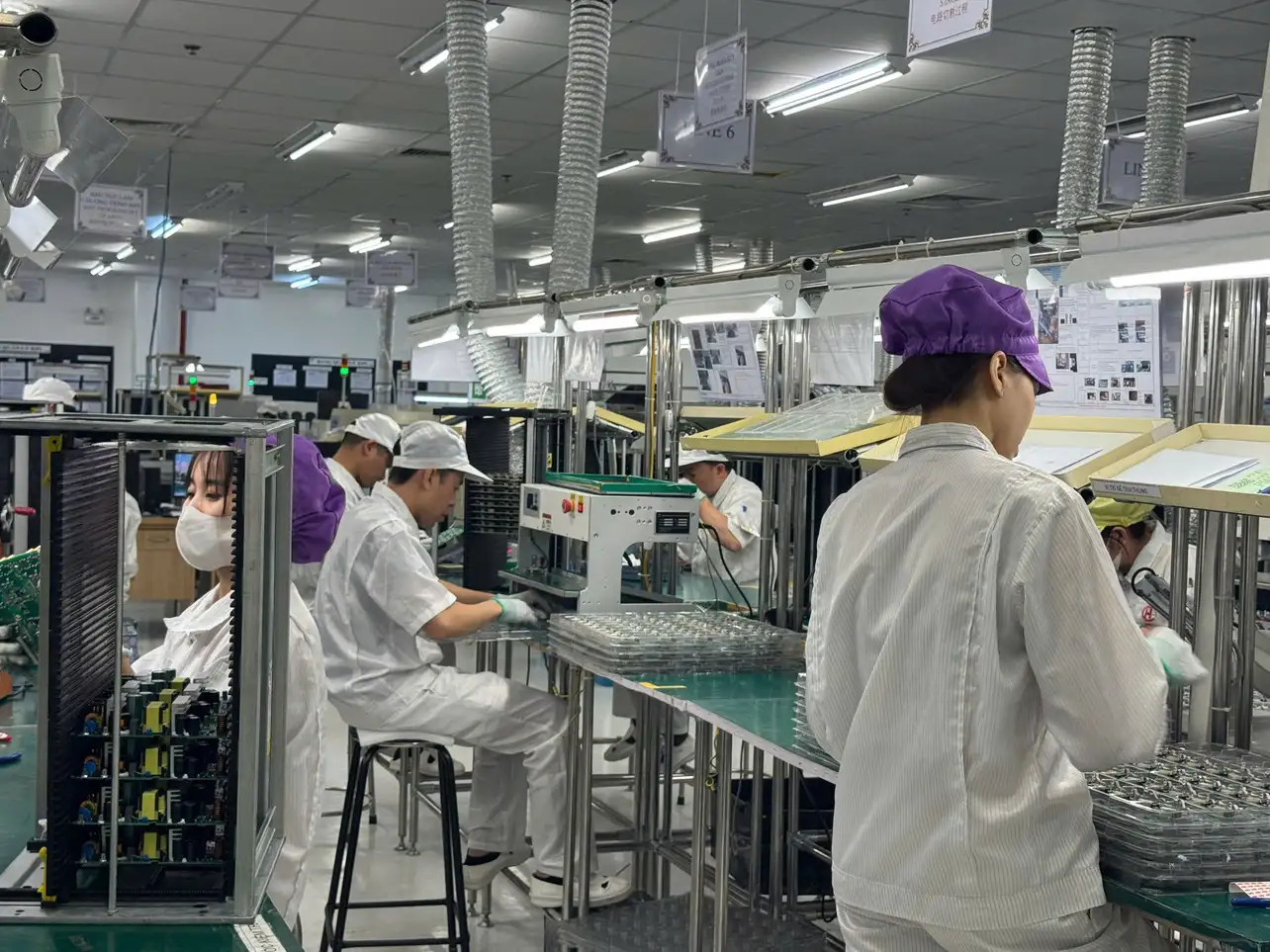
The profile also lists production facilities including Yamaha SMT equipment, 3D SPI, 3D AOI, Kyoritsu ICT, wave soldering, reflow oven, component insert machine, high-voltage test, functional testing, aging test, and laser marking equipment.
For OEMs preparing a contract or RFQ package, SHDC can review project scope based on BOM, Gerber files, assembly requirements, testing needs, target volume, and final packaging expectations.
>>>Read more: SHDC – A Trusted Vietnam Electronics Manufacturing Company for Global Brands
Conclusion: Ask the Right Questions Before Signing a PCBA Manufacturing Contract
A PCBA manufacturer Vietnam contract should clearly define manufacturing scope, BOM sourcing responsibility, component substitution rules, quality standards, testing requirements, pricing terms, lead time, IP protection, tooling ownership, ECO process, warranty, and termination conditions.
The best time to ask these questions is before production starts. Once materials are purchased and assembly begins, unclear terms become more difficult and more expensive to resolve.
Send your BOM, Gerber files, assembly drawings, testing requirements, and target volume to SHDC for a Vietnam PCBA manufacturing review before finalizing your production contract.
FAQ About Questions PCBA Manufacturer Vietnam Contract
What questions should OEMs ask before signing a PCBA manufacturer Vietnam contract?
OEMs should ask about manufacturing scope, BOM sourcing, component substitution, quality standards, testing requirements, pricing, lead time, IP protection, tooling ownership, engineering change control, warranty, and termination terms.
What should be included in a PCBA manufacturing contract?
A PCBA manufacturing contract should include production scope, BOM responsibility, approved parts, quality criteria, testing requirements, payment terms, delivery terms, warranty, IP protection, tooling ownership, and change control.
Who owns the BOM and Gerber files in a PCBA manufacturing contract?
In most OEM manufacturing relationships, the OEM owns the product design files. However, the contract should clearly define who can access, use, store, share, or transfer BOMs, Gerber files, firmware, drawings, and test data.
Should a PCBA manufacturer be allowed to substitute components?
Component substitution should only be allowed under defined rules. For critical parts, OEMs should require written approval, datasheet review, and documentation before the manufacturer uses alternatives.
How should testing be defined in a PCBA contract?
Testing should define the required test methods, test procedure, pass/fail criteria, fixture ownership, test records, failure handling, and whether firmware programming, ICT, FCT, burn-in, or high-voltage test is required.
What are red flags in a PCBA manufacturer Vietnam contract?
Red flags include no written testing scope, unclear substitution rules, no warranty terms, weak IP protection, no ECO process, unclear lead time, and no defined process for nonconforming products or field failures.