
 Tiếng Việt
 日本語
日本語
Quick Answer: PCBA Manufacturer Vietnam vs China — Which Is Better?
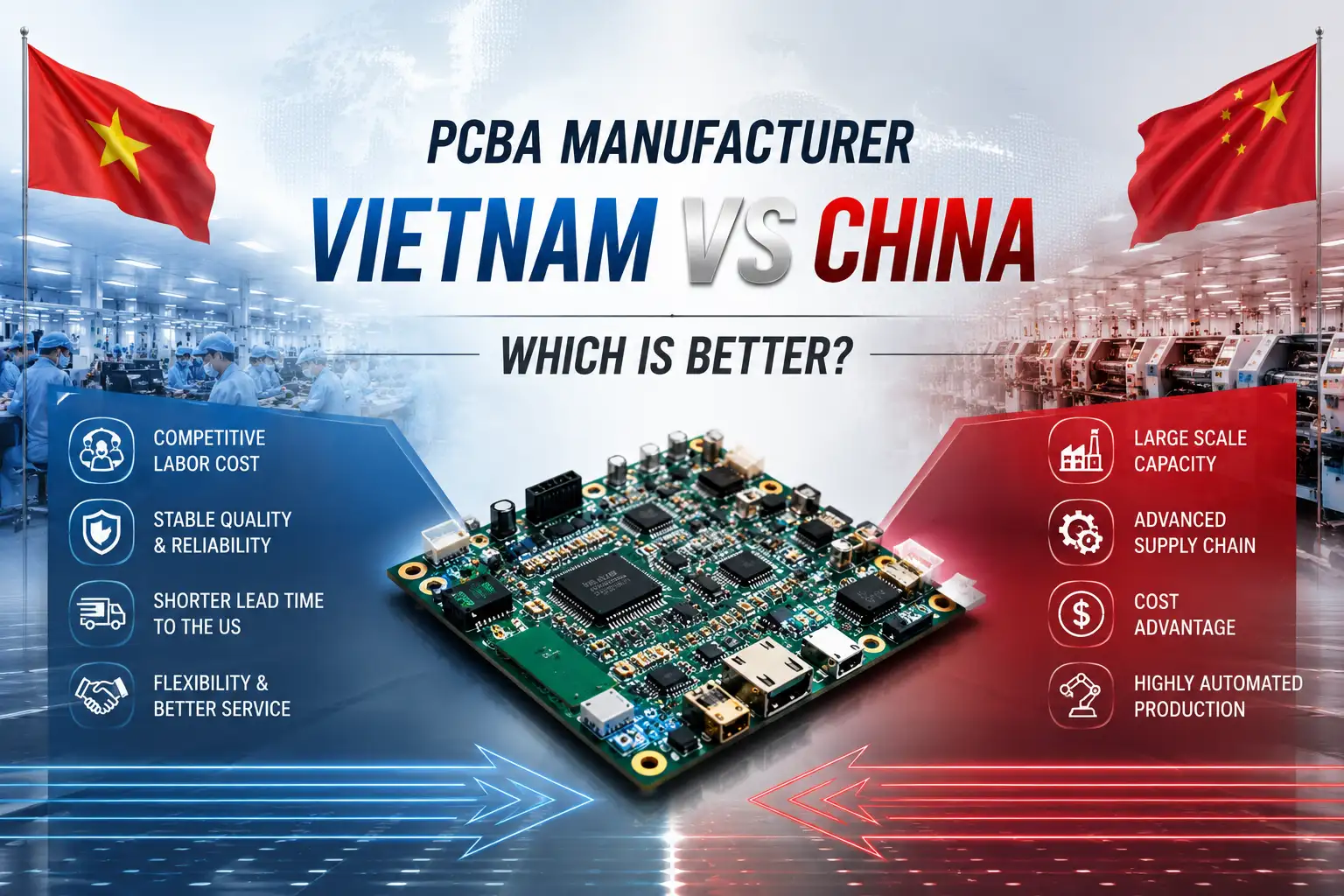
Vietnam may be the better choice when OEMs need supply chain diversification, stable PCBA assembly, China+1 production, export-oriented manufacturing, and a long-term EMS partner outside China.
China may still be the better choice when the project requires very fast access to a deep component ecosystem, complex mechanical integration, specialized tooling, or frequent prototype iterations supported by mature supplier clusters.
For many OEMs, the best answer is not simply “Vietnam or China.” It is a structured sourcing strategy: use Vietnam for qualified assembly and final production, China for selected component or tooling ecosystems when needed, and dual-source critical products where the business case supports it.
PCBA Manufacturer Vietnam vs China Comparison Table
| Comparison Factor | Vietnam PCBA Manufacturer | China PCBA Manufacturer | Better Fit |
|---|---|---|---|
| Supply chain diversification | Strong fit for China+1 strategy | Higher single-country concentration | Vietnam |
| Component ecosystem | Growing, often supported by imported components | Very mature and deep | China |
| Assembly cost control | Competitive for qualified EMS projects | Varies by region and supplier type | Case by case |
| Complex sourcing speed | Improving, but planning is important | Usually stronger for broad sourcing | China |
| Stable mass production | Good with a qualified EMS partner | Strong with mature suppliers | Both |
| Tariff and origin review | Must be reviewed by HS code and origin rules | Must be reviewed carefully, especially for Section 301 exposure | Case by case |
| Best use case | China+1, stable production, EMS scaling | Complex sourcing, prototype ecosystem, supplier depth | Depends on product |
Total Landed Cost Matters More Than Unit Price
OEMs often start by comparing unit prices, but a proper PCBA manufacturer Vietnam vs China comparison should be based on total landed cost. A quote that looks cheaper at the unit level may exclude testing, fixtures, packaging, inspection reports, freight, duties, or rework risk.
A complete cost comparison should include:
- PCB fabrication
- BOM and component sourcing
- SMT assembly
- DIP or through-hole assembly
- AOI, ICT, FCT, or other testing
- Tooling, stencil, and NRE
- Packaging and labeling
- Shipping and Incoterms
- Tariff or duty exposure
- Supplier management cost
- Rework, warranty, and quality risk
For OEMs evaluating Vietnam vs China PCB assembly cost, the key is to compare identical RFQ packages. If one supplier includes functional testing and another quotes assembly only, the lower price is not truly comparable.
Tariff, Country of Origin, and Compliance Exposure
For US OEMs, tariff and customs exposure can significantly affect the PCBA manufacturer Vietnam vs China decision. Buyers should verify current tariff treatment by HS code before making sourcing decisions, especially when comparing China-based manufacturing with alternative production locations.
Country of origin should also be reviewed carefully. Moving final assembly to Vietnam does not automatically mean every finished product will be treated as Vietnam-origin for customs purposes. The result depends on the product, manufacturing steps, bill of materials, classification, and applicable origin rules.
This is why OEMs should review China vs. Vietnam tariff impact as part of the sourcing decision, not after the supplier has already been selected.
Forced labor compliance is another area that requires documentation and supplier due diligence. OEMs should understand where critical components come from, how suppliers are qualified, and how traceability records are maintained for import compliance.
Common mistake: Moving only final assembly without reviewing origin documentation, supplier traceability, and import compliance can create risk at customs clearance.
BOM Sourcing and Component Availability
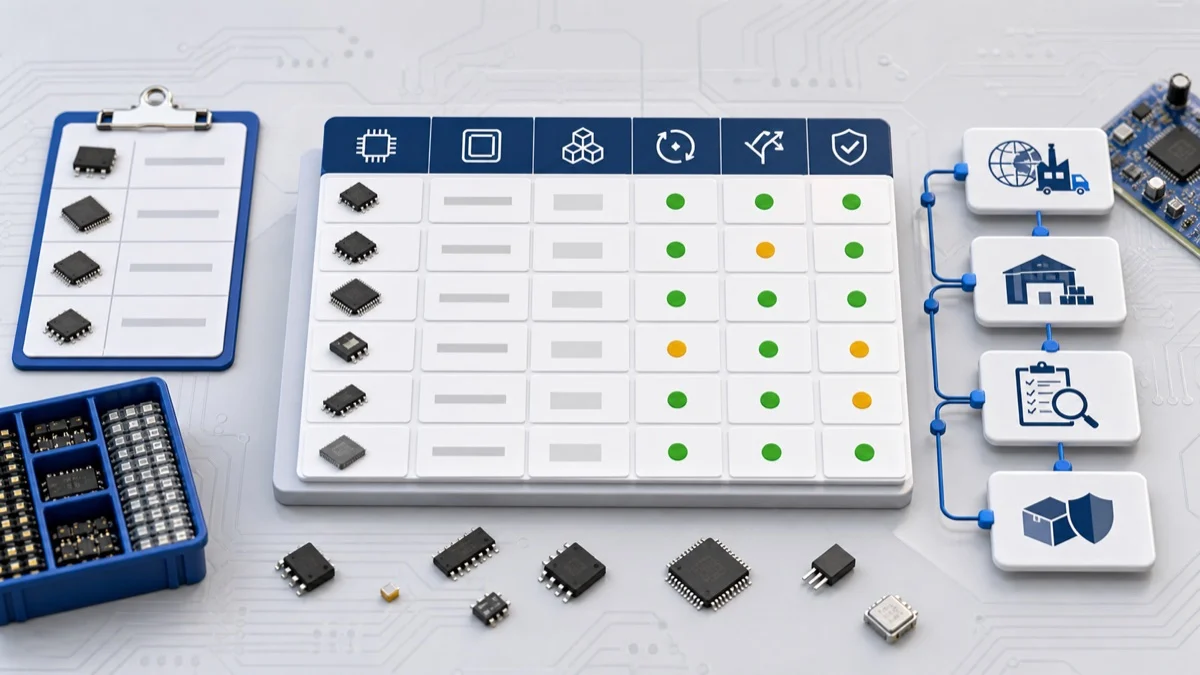
China’s strongest advantage is its mature electronics supply chain. For projects with hard-to-source ICs, custom connectors, cables, plastics, metal parts, displays, batteries, or enclosure integration, China may offer faster access to a wide supplier network.
Vietnam’s electronics manufacturing ecosystem is growing, but some BOMs still depend on imported components. This does not make Vietnam weaker by default. It means the OEM and manufacturer must plan sourcing earlier, define approved vendor lists, and control substitution rules carefully.
Vietnam can be a strong fit when:
- The BOM is stable
- Approved alternatives are defined
- Long-lead components are identified early
- The OEM can support consigned or hybrid sourcing if needed
- The product is ready for repeat production
China may be stronger when:
- The BOM changes frequently
- The design requires many custom parts
- Supplier proximity is critical for fast changes
- The project is still in early prototype or NPI
For OEMs developing a China+1 strategy, the best approach is often to validate the BOM first, then qualify Vietnam as a stable production location.
SMT and PCBA Assembly Capability
Country alone does not determine PCBA quality. A strong Vietnam supplier can outperform a weak China supplier, and a mature China supplier can outperform an underqualified Vietnam supplier.
OEMs should evaluate the actual factory capability, including:
- SMT line configuration
- Fine-pitch component handling
- BGA, QFN, and QFP assembly experience
- DIP or through-hole assembly capability
- AOI, ICT, and FCT support
- Test fixture development
- Process control and traceability
- Engineering change control
- Quality documentation
A Vietnam-based EMS partner can be attractive when the project requires EMS Vietnam support beyond basic board assembly, including soldering, assembly, testing, and final packaging.
Quality Management and Testing Process
Quality should be evaluated by process, not by country. OEMs should ask each supplier how quality is controlled from incoming material to final shipment.
Important quality checkpoints include:
- IQC inspection
- Solder paste inspection
- AOI after SMT
- X-ray inspection if BGA or hidden solder joints are involved
- ICT for electrical verification
- FCT for product-level function
- OQC before shipment
- Failure analysis and rework control
- Traceability records
For products requiring higher reliability, OEMs should define IPC class expectations, inspection criteria, test coverage, and reporting requirements before quotation. If the project involves industrial, automotive, medical, or power electronics, supplier qualification should be more rigorous.
Internal test capability matters because it directly affects production yield, defect escape rate, and troubleshooting speed. OEMs should confirm whether the supplier supports Automated Optical Inspection, in-circuit testing, and functional testing where required.
Lead Time: Vietnam vs China
Lead time is another important part of the PCBA manufacturer Vietnam vs China evaluation. China may be faster when the project requires complex local sourcing from multiple component, mechanical, cable, or enclosure suppliers. Its supplier clusters can support quick design changes and fast prototype iterations.
Vietnam can be competitive when the BOM is stable, approved suppliers are defined, and production planning is done early. For repeat production, Vietnam can support predictable schedules when materials, test procedures, packaging, and quality requirements are locked before the build.
When comparing lead time, OEMs should separate:
- PCB fabrication lead time
- BOM sourcing lead time
- SMT assembly lead time
- DIP assembly lead time
- Testing lead time
- Packaging lead time
- International shipping lead time
- Customs clearance buffer
For better planning, buyers should compare PCB assembly lead time by process stage instead of asking for one general delivery date.
When Vietnam Is the Better Choice
Vietnam is often the better choice when OEMs want to reduce single-country dependency and create a more resilient production base outside China.
Vietnam may be a strong fit when:
- The OEM needs China+1 manufacturing
- The product design is mature
- The BOM is stable
- DFM issues have been resolved
- Testing requirements are clearly defined
- Forecast and repeat demand are available
- The project needs EMS support for assembly, testing, and packaging
Vietnam is especially attractive for OEMs that want cost-conscious production without relying entirely on one country. This is why many companies evaluate electronics supply chain diversification before moving part of their PCBA production.
Vietnam can also be suitable for industrial electronics manufacturing in Vietnam, consumer electronics assembly, power electronics, and stable OEM production programs when the supplier has the right process controls.
When China May Still Be the Better Choice
China may still be the better option when the project depends heavily on fast, complex sourcing or rapid design changes.
China may be a stronger fit when:
- The product is still in early prototype development
- The BOM changes frequently
- The project requires many custom components
- Mechanical parts, cables, enclosure, and PCBA must be developed together
- The OEM needs access to a very deep supplier network
- Rapid sourcing and quick iteration are more important than diversification
This does not mean China is always better for complex products. It means OEMs should assess whether the project is sourcing-heavy, assembly-heavy, or production-stability-heavy. If the product is still changing every week, China’s supplier ecosystem may be useful. If the product is mature and ready for repeat builds, Vietnam may be more attractive.
Vietnam vs China for Different OEM Project Types
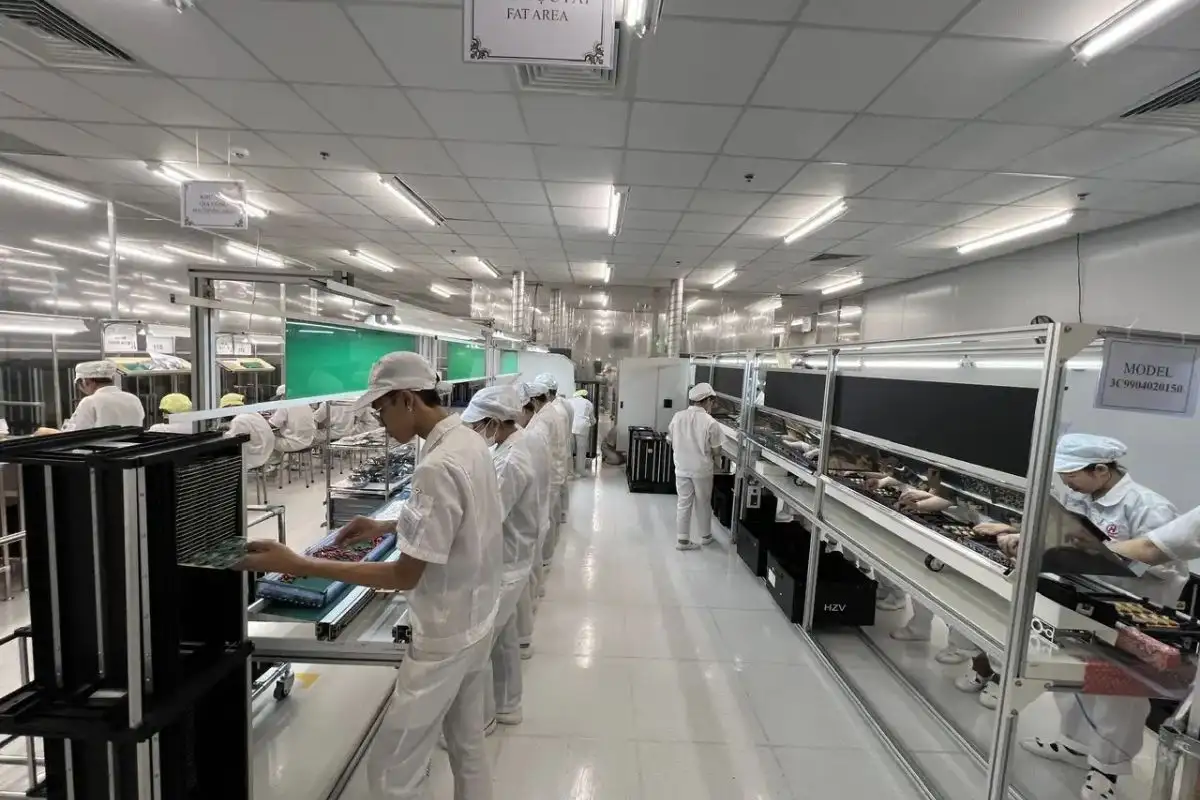
Consumer Electronics
For consumer electronics, China can be strong when the product requires fast sourcing of plastics, accessories, packaging, chargers, displays, cables, or cosmetic parts. Vietnam can be a good fit when the design is stable and the OEM wants China+1 production.
For brands comparing alternatives, consumer electronics assembly in Vietnam may be suitable when the product has a defined BOM, clear packaging requirements, and stable demand.
Industrial Electronics
Industrial electronics often require longer product lifecycles, stable quality, functional testing, and traceability. Vietnam can be attractive if the EMS supplier has strong process control, documented testing, and a clear quality workflow.
China may still be useful for specialized modules or component sourcing, but Vietnam can be a strong option for stable assembly and export-oriented production.
Power Electronics
Power electronics projects may include DIP components, high-voltage testing, thermal design considerations, functional testing, aging tests, and stricter inspection needs. Supplier capability matters more than country.
OEMs should ask whether the supplier can support power-related test procedures and handle through-hole assembly consistently. For related projects, power electronics manufacturing in Vietnam may be considered when the supplier’s process matches the product requirements.
Automotive and High-Reliability Electronics
For automotive or high-reliability electronics, OEMs should not choose based only on country or price. They should evaluate certification requirements, traceability, process capability, PPAP or customer-specific documentation, test coverage, and quality history.
A supplier should only be considered if its process capability matches the program’s reliability and documentation requirements.
Supply Chain Risk in 2026
Single-country dependency remains a key concern for OEMs. Relying on one country for all PCBA production may expose a company to tariff changes, logistics disruptions, geopolitical risk, customs review, supplier capacity issues, and regional shutdowns.
A practical risk-management strategy may include:
- China for selected component sourcing when necessary
- Vietnam for qualified PCBA assembly and final production
- Validated dual-source BOMs
- Common test procedures across suppliers
- Standardized quality documentation
- Clear engineering change control
- Backup production capacity for strategic products
This is also why OEMs increasingly review alternatives to China PCB assembly instead of relying on one sourcing location.
RFQ Checklist for Comparing Vietnam and China PCBA Manufacturers
To compare Vietnam and China suppliers fairly, send the same RFQ package to each manufacturer. A structured RFQ is essential for a reliable PCBA manufacturer Vietnam vs China comparison because it reduces pricing assumptions and makes capability gaps easier to identify.
| RFQ Item | Why It Matters | Ask Vietnam Supplier | Ask China Supplier |
|---|---|---|---|
| Gerber or ODB++ files | Defines PCB complexity | Yes | Yes |
| BOM with MPNs | Controls sourcing accuracy | Yes | Yes |
| AVL and alternatives | Reduces component risk | Yes | Yes |
| SMT capability | Confirms assembly feasibility | Yes | Yes |
| DIP capability | Defines through-hole process cost | Yes | Yes |
| AOI / ICT / FCT | Confirms test coverage | Yes | Yes |
| NRE and tooling | Clarifies setup cost | Yes | Yes |
| Lead time breakdown | Supports production planning | Yes | Yes |
| Packaging specs | Confirms export readiness | Yes | Yes |
| Country-of-origin documentation | Supports customs review | Yes | Yes |
For supplier qualification, OEMs should also complete electronics supplier due diligence before moving from quotation to production.
Supplier Due Diligence Questions OEMs Should Ask
Manufacturing Capability Questions
- How many SMT lines do you operate?
- Can you handle double-sided SMT?
- Can you assemble BGA, QFN, or fine-pitch components?
- Do you support DIP or through-hole assembly?
- What inspection steps are standard?
Testing Questions
- Do you support AOI, ICT, FCT, programming, or aging test?
- Can you build or support test fixtures?
- Can you follow our test procedure?
- Can you provide test records?
Sourcing Questions
- Can you source all BOM items?
- Which parts have long lead times?
- Which parts need approved alternatives?
- Do you require customer approval before substitution?
Quality and Documentation Questions
- What inspection reports can you provide?
- Do you support traceability?
- How do you handle nonconforming products?
- How do you manage engineering changes?
- How do you control revision updates?
How to Decide: Vietnam, China, or Dual-Sourcing?
Choose Vietnam if you need China+1 production, a stable EMS partner, export-oriented assembly, cost-conscious production, and reduced dependency on a single country.
Choose China if your BOM requires complex sourcing, your design is still changing frequently, or you need fast access to specialized electronics supplier clusters.
Choose dual-sourcing if the product is strategic, the volume justifies qualification cost, and your team can standardize BOMs, test procedures, quality requirements, and documentation across suppliers.
For OEMs preparing to move production, a practical production readiness checklist should be completed before scale-up.
How SHDC Supports PCBA Manufacturing in Vietnam
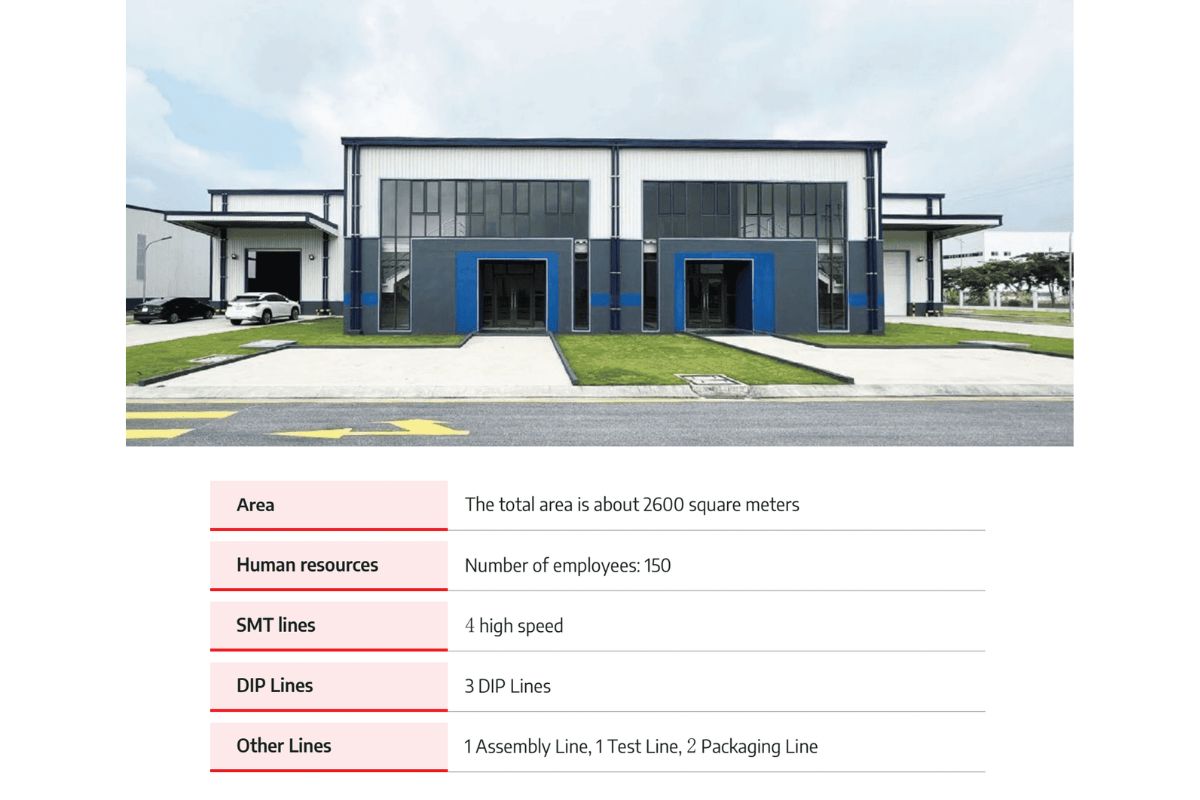
For OEMs evaluating Vietnam as a PCBA manufacturing base, SHDC Electronics Co., Ltd. provides Electronics Manufacturing Services covering component soldering, assembly, testing, and final packaging.
According to the company profile, SHDC’s current factory service scope includes about 2,600 square meters of production area, 150 employees, 4 high-speed SMT lines, 3 DIP lines, 1 assembly line, 1 test line, and 1 packaging line.
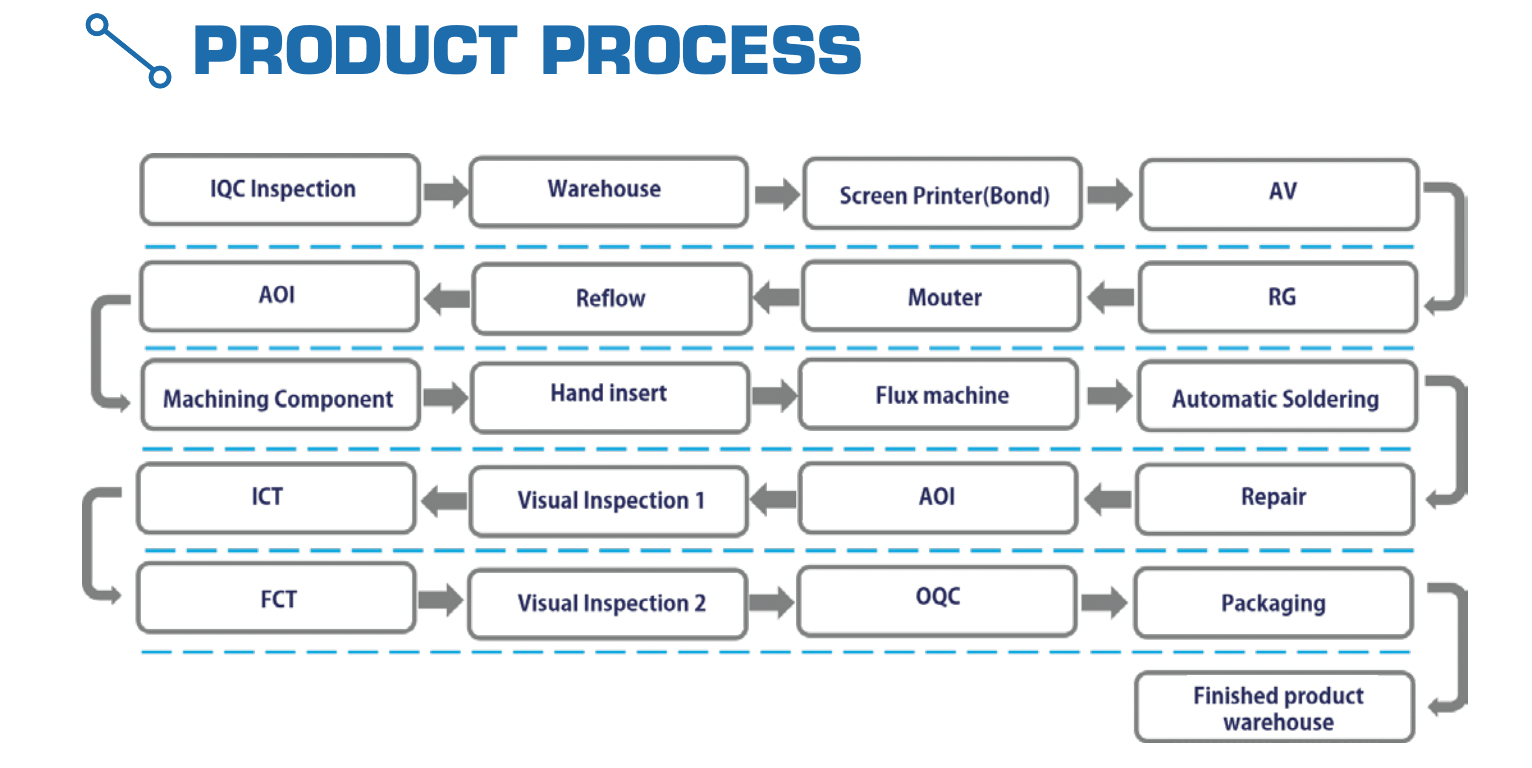
Its documented process flow includes IQC inspection, warehouse, screen printing, mounting, reflow, AOI, component insertion, automatic soldering, ICT, FCT, visual inspection, OQC, packaging, and finished product warehouse.
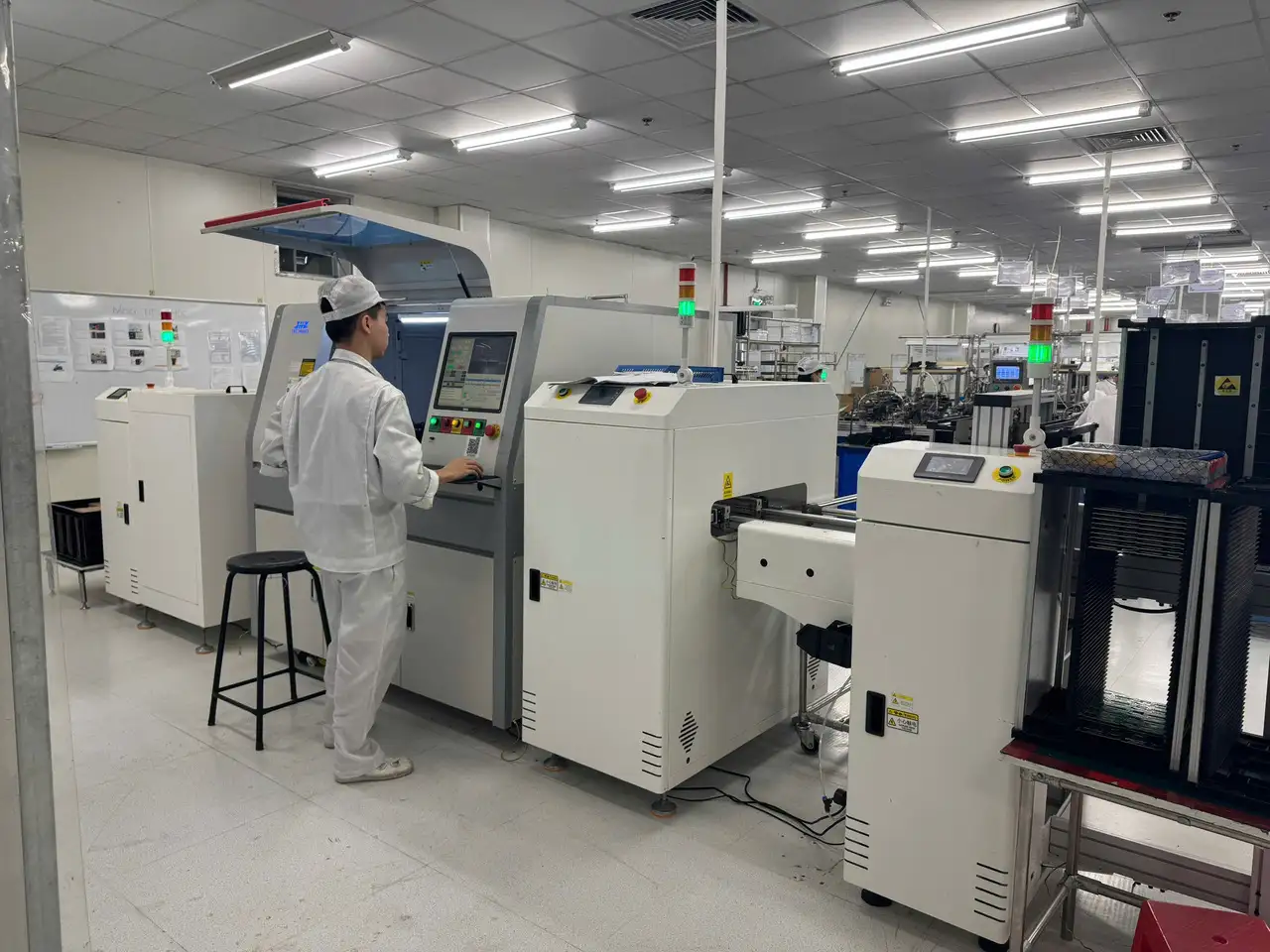
The profile also lists production facilities including Yamaha SMT equipment, 3D SPI, 3D AOI, Kyoritsu ICT, wave soldering, reflow oven, component insert machine, high-voltage test, functional testing, aging test, and laser marking equipment.
For OEMs comparing top PCBA manufacturers in Vietnam, SHDC can be positioned as a Vietnam EMS option for projects that require PCBA assembly, testing, and final packaging support.
Recommended Transition Plan From China to Vietnam
OEMs should avoid moving production overnight without validation. A structured transition is safer.
Step 1: Audit the Current China Supply Chain
Review the current BOM, PCB supplier, SMT supplier, test process, packaging method, logistics route, quality history, and component risk.
Step 2: Select Products Suitable for Vietnam First
Start with products that have stable BOMs, mature designs, fewer engineering changes, clear test procedures, and repeat production demand.
Step 3: Prepare a Vietnam RFQ Package
Include Gerber files, BOM, pick-and-place data, assembly drawings, test plan, quality requirements, packaging specs, and annual forecast.
Step 4: Run Pilot Production
Validate process flow, test coverage, packaging, communication, yield, and lead time before shifting larger volume.
Step 5: Scale Gradually
Start with partial production volume, maintain backup sourcing, standardize documentation, and review quality trends before committing all volume.
Common Mistakes When Comparing Vietnam and China
- Comparing only unit price: A low quote may exclude testing, fixtures, packaging, or documentation.
- Ignoring tariff and origin review: Customs classification, origin rules, and duty exposure must be checked before sourcing decisions.
- Assuming Vietnam can replace China immediately: Vietnam works best with planning, BOM review, and pilot validation.
- Assuming China is always faster: Lead time still depends on BOM availability, factory capacity, testing scope, and logistics.
- Skipping pilot builds: Moving directly to mass production increases quality and schedule risk.
OEMs should also review the risks of manufacturing electronics in China and compare them against Vietnam’s capabilities, not as a political decision but as a supply chain risk assessment.
Conclusion: PCBA Manufacturer Vietnam vs China — Which Is Better in 2026?
Vietnam is often the better choice for OEMs seeking China+1 manufacturing, supply chain diversification, cost-conscious assembly, and export-oriented EMS support. China remains strong for complex component sourcing, rapid prototyping, and deeply integrated electronics supplier ecosystems.
The best PCBA manufacturer Vietnam vs China decision depends on product complexity, BOM maturity, testing requirements, tariff exposure, compliance risk, and long-term supply chain strategy. For many US and Europe OEMs, the strongest approach is not replacing one country with another overnight. It is qualifying Vietnam as a reliable production base while keeping sourcing and risk management flexible.
Send your Gerber files, BOM, assembly drawings, test requirements, and target volume to SHDC for a Vietnam PCBA manufacturing review.
FAQ About PCBA Manufacturer Vietnam vs China
Is Vietnam cheaper than China for PCBA manufacturing?
Vietnam can be cost-competitive for PCBA assembly and China+1 production, but total cost depends on BOM sourcing, testing, tooling, logistics, tariff exposure, and production volume. OEMs should compare total landed cost instead of unit price only.
Is China still better for PCBA manufacturing?
China can still be stronger for deep component sourcing, rapid supplier access, complex tooling, and early-stage product iteration. However, Vietnam may be better for OEMs focused on supply chain diversification and stable production outside China.
Should US OEMs move PCBA production from China to Vietnam in 2026?
Not always. OEMs should evaluate product maturity, BOM stability, testing requirements, tariff exposure, compliance risk, lead time, and supplier capability before moving production.
What is the best China+1 strategy for PCBA manufacturing?
A practical China+1 strategy starts with stable products, a complete RFQ package, a Vietnam pilot build, quality validation, and gradual production transfer. OEMs should standardize BOMs, test procedures, and quality requirements across suppliers.
Can Vietnam handle high-quality PCBA manufacturing?
Yes, qualified Vietnam EMS suppliers can support PCBA assembly, testing, and packaging. However, OEMs should verify each supplier’s SMT capability, inspection process, testing equipment, documentation, and quality controls.
What should OEMs include in a PCBA manufacturer Vietnam vs China RFQ?
OEMs should include Gerber files, BOM with manufacturer part numbers, pick-and-place files, assembly drawings, test plans, quality requirements, packaging specs, quantity breaks, lead time targets, and shipping destination.
