Tiếng Việt
 日本語
日本語
Why PCBA Manufacturer Vietnam Pricing Varies by Project
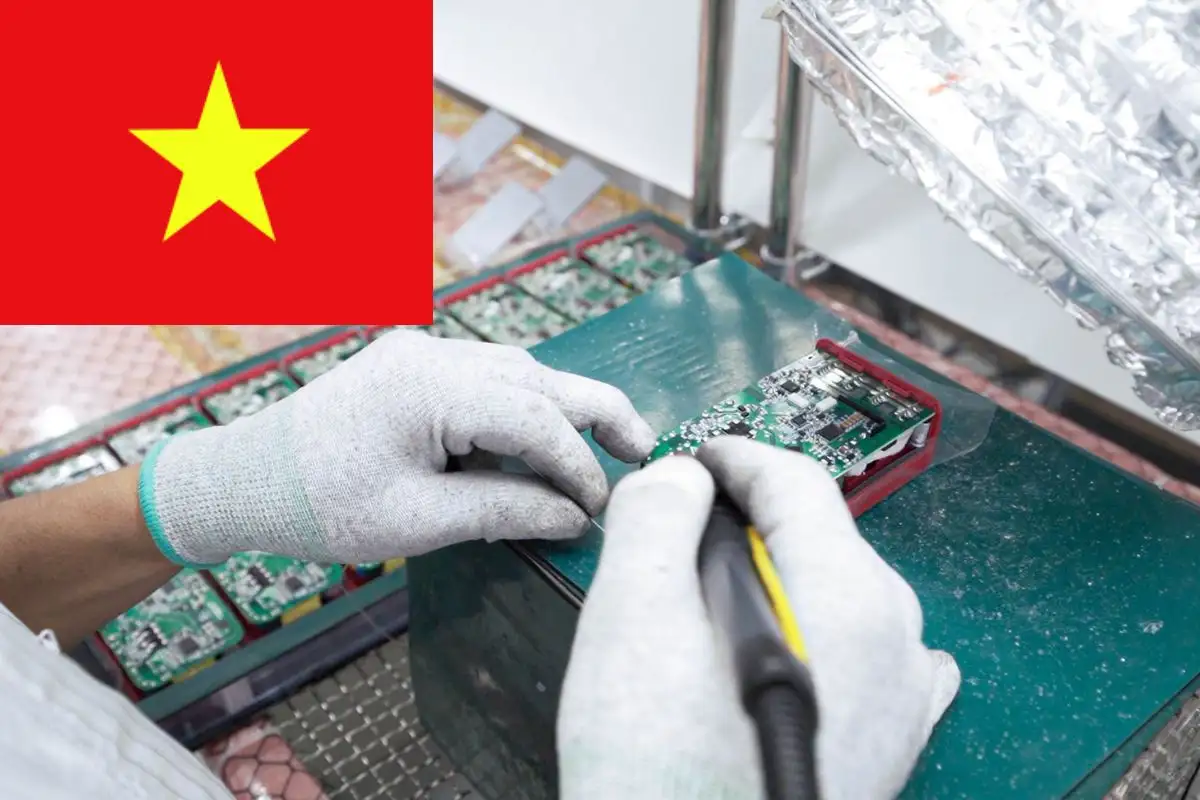
PCBA pricing varies because every project has a different design, material list, process flow, and quality expectation. A small board with standard SMT components may be straightforward to quote. A similar-sized board with BGA packages, double-sided SMT, functional testing, firmware programming, conformal coating, or export packaging may require a very different cost structure.
A complete PCBA quote may include:
- PCB fabrication
- BOM and component sourcing
- SMT assembly
- Through-hole or DIP assembly
- Inspection and testing
- Tooling, stencil, test fixtures, and NRE
- Engineering review and process setup
- Packaging and labeling
- Shipping and export requirements
For OEMs evaluating electronics manufacturing in Vietnam, the right question is not only “What is the unit price?” A better question is: “What is included in the quote, what assumptions are used, and what risks could affect final cost?”
Main Cost Factors in PCBA Manufacturing Pricing
PCB Fabrication Cost
PCB fabrication is the starting point of the PCBA cost structure. The bare board price depends on the board’s physical and electrical requirements. A standard two-layer PCB is usually easier to fabricate than a multilayer board with controlled impedance, tight trace spacing, special materials, or advanced via structures.
Key PCB fabrication cost factors include:
- Board size and panel utilization
- Layer count
- PCB material type
- Board thickness
- Copper weight
- Surface finish
- Minimum trace width and spacing
- Minimum drill size
- Controlled impedance requirements
- Blind or buried vias
- Slots, cutouts, edge plating, or other mechanical features
If your design requires specific material, stack-up, impedance control, or tight mechanical tolerance, include these details in the RFQ. Without them, the manufacturer may quote based on standard assumptions, which can cause price changes later.
For OEMs comparing PCB board fabrication vs PCB assembly, it is important to separate bare board cost from assembly cost. This makes it easier to see whether pricing is driven by PCB complexity or by downstream assembly and testing.
BOM and Component Sourcing Cost
The BOM is often one of the largest cost drivers in PCBA manufacturing. Component cost can vary based on manufacturer part number, supplier availability, MOQ, lead time, lifecycle status, and approved alternatives.
A strong BOM should include:
- Reference designator
- Manufacturer part number
- Component description
- Package type
- Quantity per board
- Approved alternatives
- Preferred supplier if required
- Do-not-populate notes
- Compliance requirements if applicable
A weak BOM may only say “10k resistor” or “1uF capacitor.” That is not enough for accurate sourcing. Package size, tolerance, voltage rating, temperature rating, dielectric type, manufacturer, and approved alternatives can all affect cost and availability.
Expert Tip: If the design allows equivalent components, list approved alternatives in the BOM. If substitutions require engineering approval, state that clearly in the RFQ. This helps control sourcing risk without allowing unauthorized changes.
SMT Assembly Cost
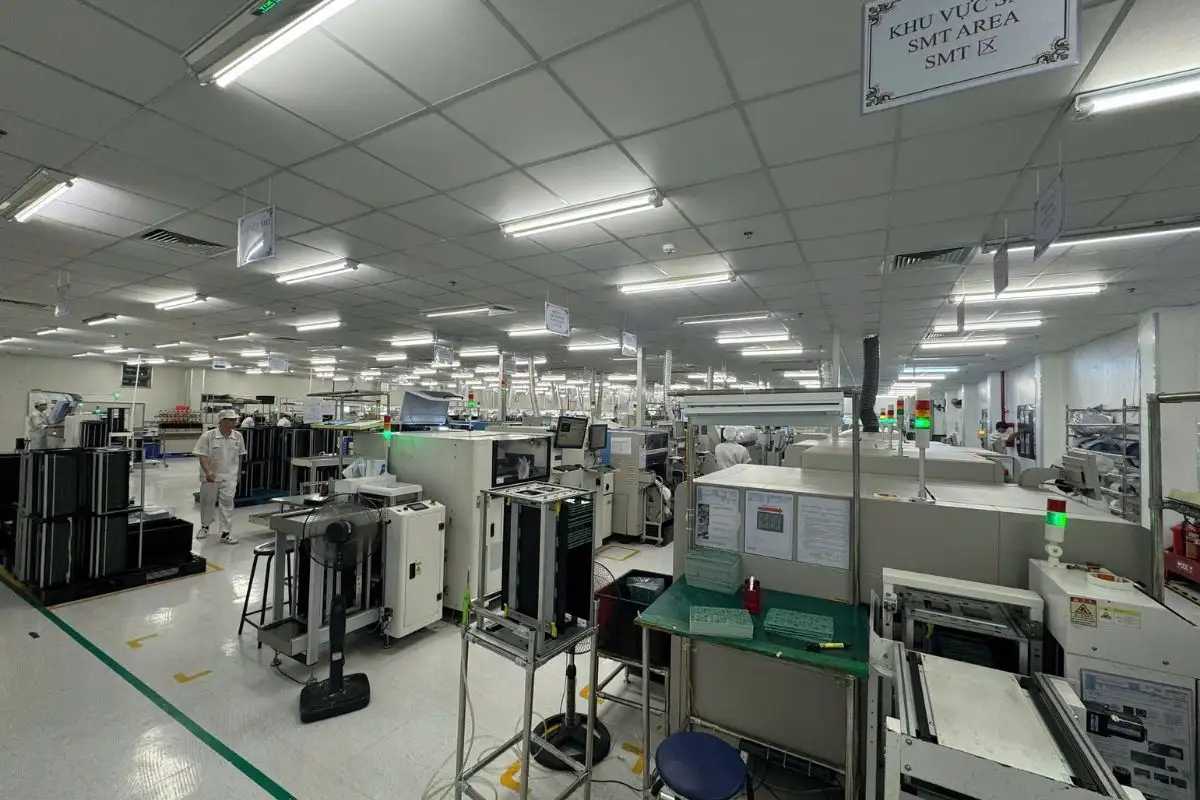
SMT assembly cost depends on placement count, package complexity, setup time, stencil requirements, line programming, and inspection needs. A board with many standard passive components may be easier to assemble than a dense board with fine-pitch ICs, QFN, QFP, BGA, or double-sided placement.
SMT cost is affected by:
- Total number of SMT placements
- Single-sided or double-sided SMT assembly
- Fine-pitch components
- BGA, QFN, QFP, or leadless packages
- Component density
- Stencil requirement
- Pick-and-place programming
- Reflow profile requirements
- AOI or X-ray inspection needs
For buyers reviewing PCB assembly cost, SMT pricing should not be evaluated only by the number of components. The difficulty of placement, yield risk, inspection method, and production volume also matter.
Through-Hole and DIP Assembly Cost
Through-hole assembly, often called DIP assembly, is typically more labor-intensive than SMT. Connectors, relays, switches, terminal blocks, transformers, and large capacitors may require manual insertion, wave soldering, selective soldering, or hand soldering.
Through-hole cost factors include:
- Number of through-hole components
- Manual insertion time
- Wave soldering or hand soldering requirements
- Component height and mechanical stability
- Post-solder inspection
- Cleaning, trimming, or rework needs
If a board includes many connectors or high-power components, the quote should clearly separate SMT assembly from through-hole assembly. This helps OEMs understand which process contributes most to the final cost.
Testing and Inspection Cost
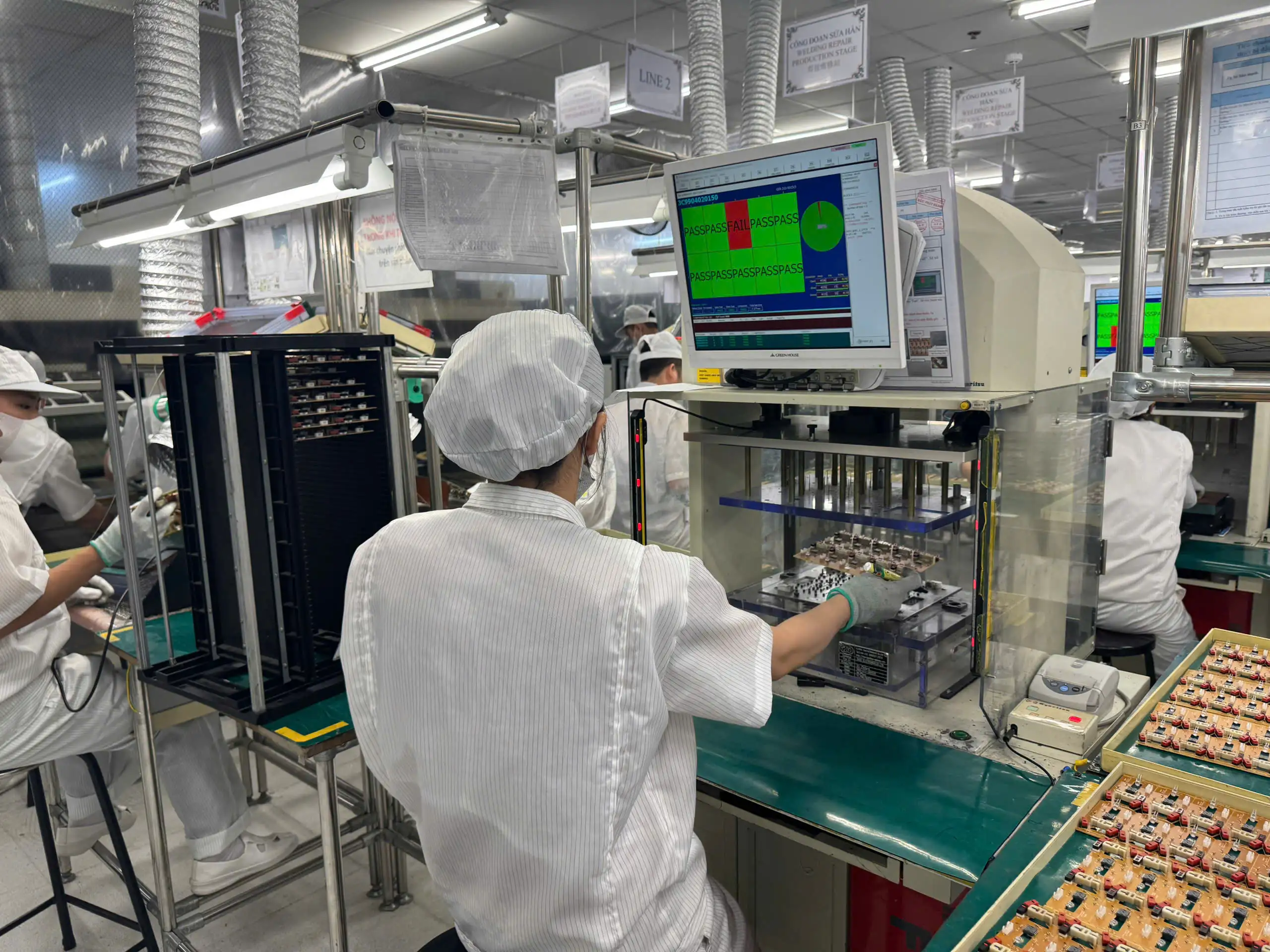
Testing is one of the most common areas where RFQs are incomplete. If testing requirements are not defined, the supplier may quote only basic assembly. Later, when functional testing, firmware loading, or fixture development is added, the final cost may increase.
Testing and inspection may include:
- Visual inspection
- Solder paste inspection
- Automated Optical Inspection
- X-ray inspection for hidden solder joints
- in-circuit testing
- Flying probe testing
- Functional testing
- Firmware programming
- Burn-in or aging test
- High-voltage test if applicable
- Custom test fixture development
Testing increases upfront cost, but it can reduce downstream risk. For industrial electronics, power electronics, medical-related devices, or products with firmware, testing should be treated as part of the manufacturing scope, not as an optional afterthought.
Tooling, Fixture, and NRE Cost
NRE stands for non-recurring engineering. These are project-specific setup costs that may not repeat in every production order. NRE can have a large impact on prototype or low-volume orders because the setup cost is spread across fewer units.
Common NRE items include:
- SMT stencil
- SMT programming
- Test fixture
- Functional test jig
- Programming jig
- Custom tooling
- Engineering setup
- First article inspection support
When reviewing a PCB assembly quote, ask the manufacturer to separate unit cost from NRE cost. This makes it easier to compare prototype, pilot run, and mass production pricing.
Order Quantity and Volume Pricing
Production quantity has a direct impact on unit price. A prototype run may have a high unit cost because setup, engineering review, stencil, machine programming, sourcing effort, and test preparation are distributed over a small number of boards.
OEMs should request price breaks such as:
- 50 pcs
- 100 pcs
- 500 pcs
- 1,000 pcs
- 5,000 pcs
- 10,000 pcs
- Annual forecast if available
Volume pricing also helps the manufacturer plan material purchasing, machine scheduling, labor allocation, and packaging resources.
Lead Time and Urgency
Lead time affects cost when the project requires expedited PCB fabrication, urgent component sourcing, priority SMT scheduling, overtime labor, or express shipping. A rushed RFQ often creates both higher cost and higher sourcing risk.
A clear RFQ should ask the manufacturer to separate PCB assembly lead time into:
- PCB fabrication lead time
- Component sourcing lead time
- SMT and DIP assembly lead time
- Testing lead time
- Packaging lead time
- Shipping lead time
This helps OEM buyers understand whether the schedule is limited by material availability, PCB fabrication, production capacity, testing, or logistics.
Quality and Documentation Requirements
Quality requirements can also affect pricing. If an OEM requires traceability, first article inspection, inspection reports, serial number tracking, failure analysis, or specific acceptance criteria, the manufacturer needs to allocate time and resources for documentation and quality control.
Common quality-related cost factors include:
- IPC class or acceptance criteria
- First Article Inspection
- Inspection reports
- Traceability requirements
- Serial number or barcode tracking
- Material compliance documentation
- Production records
- Failure analysis process
If an OEM uses the IPC-A-610 Standard as a reference for assembly acceptability, the required class and inspection expectations should be stated clearly in the RFQ.
What Is Usually Included in a PCBA Quote?
A professional PCBA quote should clearly show what is included, what is excluded, and what assumptions were used. Without this breakdown, two quotes may appear similar but represent very different manufacturing scopes.
| Cost Item | What It Covers | RFQ Note |
|---|---|---|
| PCB fabrication | Bare board production | Depends on layer count, material, finish, and tolerances |
| Components | BOM sourcing | Often a major cost driver |
| SMT assembly | Pick-and-place, stencil, reflow | Depends on placement count and package complexity |
| DIP assembly | Through-hole insertion and soldering | Often more labor-intensive than SMT |
| Testing | AOI, ICT, FCT, programming, or burn-in | Must be defined in the RFQ |
| NRE | Stencil, fixtures, tooling, engineering setup | Important for prototype and pilot runs |
| Packaging | ESD bags, labels, cartons, trays | Should match export and customer requirements |
| Shipping | Domestic or international logistics | Clarify Incoterms and destination |
What May Not Be Included Unless You Ask
Some cost items are not always included in the first quote. OEMs should confirm whether the following are included or excluded:
- Functional test fixture
- Firmware loading
- Burn-in or aging test
- Special packaging
- Custom barcode or serial number labeling
- Compliance documentation
- Failure analysis
- Rework allowance
- Engineering change support
- Expedited shipping
A quote that excludes testing, fixtures, and packaging may look lower at first but can become more expensive once the full production scope is clarified.
Turnkey, Consigned, and Hybrid PCBA Pricing
Turnkey PCBA Manufacturing
In a turnkey model, the manufacturer manages PCB fabrication, component sourcing, assembly, testing, and packaging. This model can reduce supply chain workload for the OEM because one manufacturing partner coordinates the process.
Turnkey pricing depends heavily on BOM quality, sourcing availability, and substitution rules. If alternatives are allowed, the OEM should define the approval process before purchasing begins.
This model is often suitable for companies looking for a turnkey PCBA manufacturer in Vietnam or broader full turnkey electronics manufacturing support.
Consigned PCBA Assembly
In a consigned model, the OEM provides some or all components to the manufacturer. This can be useful when parts are proprietary, customer-controlled, expensive, or already purchased by the OEM.
However, consigned assembly still requires planning. The OEM should provide extra component quantity for attrition, define packaging format, and ensure parts arrive before production starts.
Hybrid PCBA Pricing
Hybrid sourcing combines both models. The OEM supplies critical or restricted components, while the manufacturer sources standard passives, connectors, PCBs, and other production materials.
This model can balance control and flexibility, especially for OEMs that want to protect critical parts while still using the manufacturer’s sourcing support for standard materials.
How to Prepare an RFQ for Accurate PCBA Pricing
A manufacturer can only quote accurately when the RFQ package is complete. Before sending your project to a Vietnam PCBA manufacturer, prepare the following files and requirements:
- Gerber files or ODB++ data
- BOM with manufacturer part numbers
- Pick-and-place file
- Assembly drawing
- PCB fabrication drawing
- Test plan and pass/fail criteria
- Production quantity and price breaks
- Quality and inspection requirements
- Packaging and labeling requirements
- Shipping destination and Incoterms preference
For PCBA contract manufacturing, the RFQ should also clarify responsibility for material sourcing, test fixture ownership, engineering changes, production records, and rework handling.
RFQ Tips for US and Europe OEMs
Do Not Ask for Unit Price Only
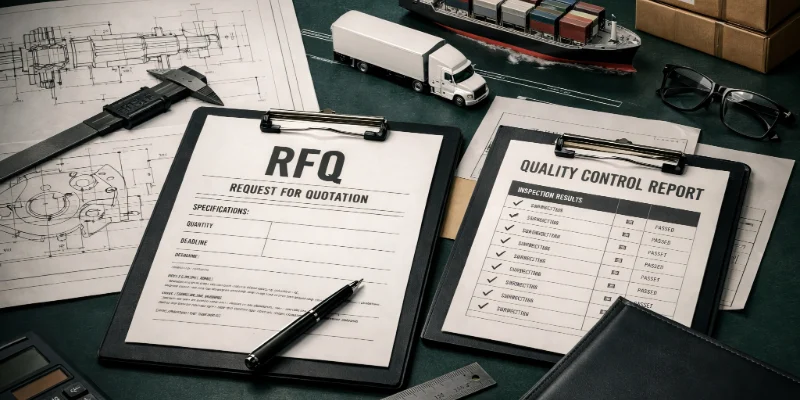
Ask for a breakdown. A useful PCBA quote should separate PCB cost, BOM cost, SMT assembly, DIP assembly, testing, NRE, packaging, shipping, and lead time.
This helps buyers understand whether a quote is truly competitive or simply missing important cost items.
Ask for BOM Risk Review
Ask the manufacturer to identify:
- Long lead-time parts
- Obsolete components
- High-MOQ components
- Single-source parts
- Possible approved alternatives
A good BOM review can prevent cost increases and schedule delays later in production.
Confirm What Is Excluded From the Quote
Ask direct questions such as:
- Does the quote include functional testing?
- Does it include firmware programming?
- Does it include test fixture cost?
- Does it include ESD packaging?
- Does it include export cartons and labels?
- Does it include shipping?
- Does it include import duties or taxes?
Clear exclusions make the quote easier to compare and reduce misunderstanding.
Compare Quotes by Assumptions, Not Just Price
A lower quote may not be better if it excludes testing, uses unapproved alternatives, omits fixture cost, or assumes a longer lead time. Compare quotes based on complete manufacturing scope, realistic lead time, and engineering support.
Common Pricing Mistakes OEMs Should Avoid
- Sending incomplete BOM data: Missing MPNs or package details can make component pricing unreliable.
- Not defining test requirements: Without a test plan, the quote may exclude functional testing or programming.
- Ignoring NRE costs: Stencil, fixtures, and setup costs can significantly affect prototype pricing.
- Using different RFQ packages for different suppliers: Quotes cannot be compared fairly unless each supplier receives the same files and assumptions.
- Choosing the lowest quote without engineering review: A low price may hide design, sourcing, or quality risks.
How DFM and DFT Can Reduce Total PCBA Cost
Cost reduction should begin before production. A proper DFM for electronics manufacturing review can identify manufacturability issues before they become production problems.
A DFM review may check:
- Pad design
- Component spacing
- Fiducial placement
- Panelization
- Solder mask clearance
- Thermal relief
- Connector placement
- Assembly access
A DFM checklist helps the OEM and manufacturer align on buildability before production release.
DFT is equally important. Design for testability helps ensure the board can be tested efficiently through accessible test points, programming connectors, fixture contact areas, and functional test coverage.
For mass production planning, OEMs should also complete a production readiness checklist to confirm that design files, BOM, materials, process flow, test fixtures, packaging, and quality controls are ready for scale-up.
Why OEMs Consider Vietnam for PCBA Manufacturing Pricing
Vietnam is often evaluated by US and Europe OEMs as part of supply chain diversification and alternative sourcing strategies. However, Vietnam should not be assessed only as a low-cost location. The more important question is whether the supplier can support the required manufacturing scope, process capability, quality control, communication, and production stage.
When comparing suppliers, OEMs should perform electronics supplier due diligence. This includes reviewing technical capability, process transparency, testing capacity, quality control, communication, documentation, sourcing model, and experience with relevant product types.
For companies evaluating EMS Vietnam, the best quote is not always the cheapest. It is the quote with clear assumptions, realistic lead time, defined quality scope, and complete manufacturing responsibility.
How SHDC Supports PCBA Manufacturing Projects
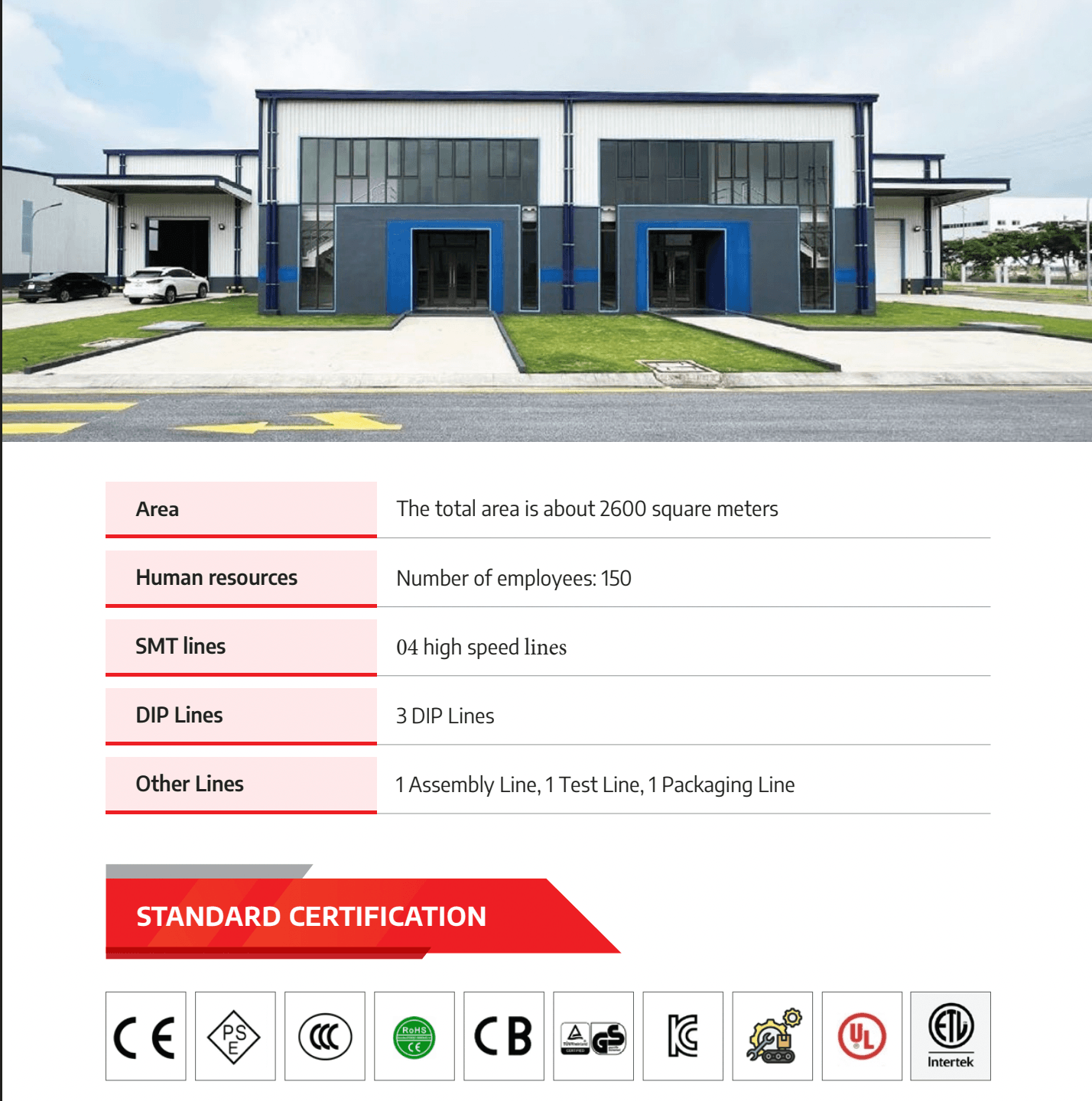
SHDC Electronics Co., Ltd. provides Electronics Manufacturing Services covering component soldering, assembly, testing, and final packaging. Its company profile describes EMS capabilities including SMT, DIP, AI, backend welding, testing, assembly, packaging, electronic materials buy and sell, and automation/process improvement activities.
For current factory service scope, the profile lists a production area of about 2,600 square meters, 150 employees, 4 high-speed SMT lines, 3 DIP lines, 1 assembly line, 1 test line, and 1 packaging line.
The documented process flow includes IQC inspection, warehouse, screen printer, mounter, reflow, AOI, component insertion, automatic soldering, ICT, FCT, visual inspection, OQC, packaging, and finished product warehouse.
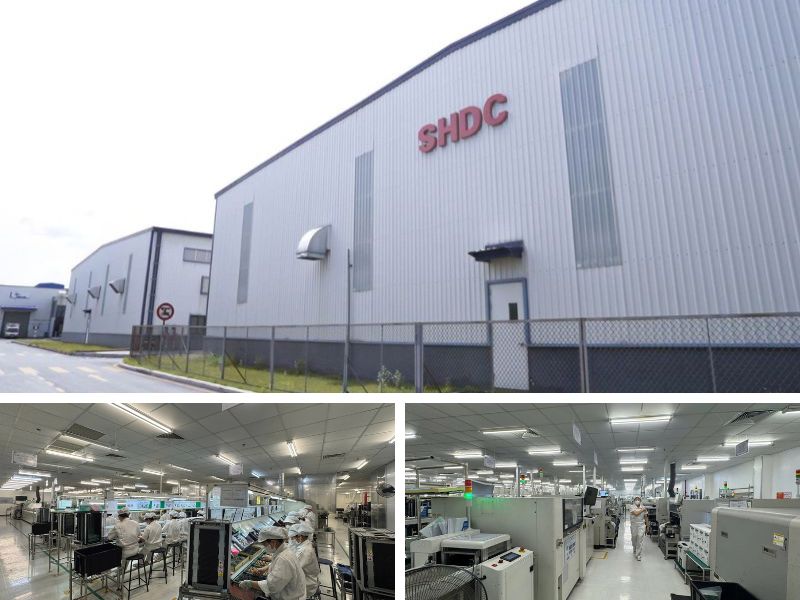
The profile also lists production facilities including Yamaha SMT equipment, 3D SPI, 3D AOI, Kyoritsu ICT, wave soldering, reflow oven, component insert machine, high-voltage test, functional testing, aging test, and laser marking equipment.
For OEMs preparing a PCBA pricing RFQ, SHDC can review project scope based on BOM, Gerber files, assembly requirements, testing needs, production quantity, and packaging expectations before quotation.
>>>Read more: SHDC Full Service EMS in Vietnam: End-to-End Electronics Manufacturing for US Companies
Sample PCBA Pricing RFQ Checklist
| RFQ Item | Why It Affects Pricing | Included? |
|---|---|---|
| Gerber or ODB++ files | Defines PCB fabrication requirements | Yes / No |
| BOM with MPNs | Defines component sourcing cost and risk | Yes / No |
| Pick-and-place file | Defines SMT setup and placement data | Yes / No |
| Assembly drawing | Clarifies orientation, polarity, and special notes | Yes / No |
| Test plan | Defines inspection, programming, and functional test cost | Yes / No |
| Quantity breaks | Defines volume pricing and setup cost allocation | Yes / No |
| Lead time target | Defines sourcing and scheduling pressure | Yes / No |
| Packaging requirement | Defines ESD, label, tray, and carton cost | Yes / No |
| Shipping destination | Defines logistics and Incoterms assumptions | Yes / No |
Conclusion: Accurate PCBA Pricing Starts With a Complete RFQ
PCBA manufacturer Vietnam pricing depends on more than board size or placement count. PCB fabrication, BOM sourcing, SMT complexity, DIP assembly, testing, tooling, production quantity, lead time, quality requirements, packaging, and shipping all affect the final quote.
For US and Europe OEMs, the best way to receive accurate pricing is to prepare a complete RFQ package from the beginning. Include Gerber files, BOM, pick-and-place data, assembly drawings, test requirements, quality expectations, quantity breaks, and logistics details. Then compare suppliers based on total manufacturing scope, not unit price alone.
Send your BOM, Gerber files, assembly drawings, testing requirements, and target quantity to SHDC for a PCBA manufacturing quotation review in Vietnam.
>>>Contact SHDC Electronics Company
FAQ About PCBA Manufacturer Vietnam Pricing
How much does PCBA manufacturing in Vietnam cost?
PCBA manufacturing cost in Vietnam depends on PCB complexity, BOM cost, SMT and DIP assembly requirements, testing, tooling, production quantity, lead time, packaging, and shipping. A reliable quote requires complete project files and clear manufacturing requirements.
What is the biggest cost driver in PCBA manufacturing?
For many projects, BOM and component sourcing are major cost drivers. However, complex assembly, functional testing, custom fixtures, low-volume setup, and urgent lead time can also significantly affect total cost.
Why do PCBA quotes from different manufacturers vary?
Quotes vary because each manufacturer may use different assumptions for sourcing, testing, inspection, NRE, packaging, lead time, and shipping. OEMs should compare quotes by scope and assumptions, not only unit price.
What files are needed to get accurate PCBA pricing?
OEMs should provide Gerber or ODB++ files, BOM with manufacturer part numbers, pick-and-place file, assembly drawing, PCB fabrication drawing, test plan, production quantity, quality requirements, packaging requirements, and shipping destination.
Is turnkey PCBA more expensive than consigned assembly?
Not always. Turnkey PCBA may include more sourcing responsibility, but it can reduce supply chain workload and improve coordination. Consigned assembly may be suitable when the OEM controls critical components. The best model depends on BOM risk, sourcing control, volume, and project complexity.
How can OEMs reduce PCBA manufacturing cost?
OEMs can reduce total cost by improving BOM quality, approving alternative components, completing DFM and DFT review, defining the right test strategy, providing accurate forecasts, avoiding rushed lead times, and sending a complete RFQ package from the start.