Tiếng Việt
 日本語
日本語
Automotive electronics manufacturing Vietnam has rapidly evolved beyond low-cost consumer electronics assembly. Today, global OEMs and Tier-1 suppliers are increasingly turning to Vietnam for automotive PCBA, sensor modules, wiring harnesses, and other high-reliability electronics as part of broader China+1 supply chain strategies. This guide explores Vietnam’s automotive electronics ecosystem, manufacturing capabilities, cost advantages, quality standards, and what OEMs should evaluate before shifting production from China or other manufacturing hubs.
Vietnam’s Rise as an Automotive Electronics Manufacturing Hub

The Numbers Behind the Shift
Vietnam’s automotive electronics sector has grown from a minor footnote to a major strategic consideration for global supply chains in under a decade. Key indicators driving attention from procurement teams:
- $8+ billion in automotive parts and electronics exports annually (2025 estimate), growing at 18–22% per year
- Top 5 global destination for electronics FDI in 2023–2024, according to World Bank Vietnam data
- Over 60 major international automotive electronics suppliers now operating in Vietnam, including Bosch, Denso, Sumitomo Electric, Yazaki, and TE Connectivity
- Vietnam’s automotive parts export value to the U.S. grew 34% year-over-year in 2023–2024, driven largely by electronics subassemblies
The China+1 Catalyst
The strategic logic behind Vietnam’s rise is inseparable from the deteriorating economics of China-only electronics manufacturing outsourcing. Section 301 tariffs now reaching 145% on broad categories of Chinese electronics imports have made China-sourced automotive electronics significantly more expensive to land in the U.S. market. For Tier-1 and Tier-2 suppliers shipping ECU subassemblies, sensor harnesses, or PCBA modules from China to U.S. assembly plants, the tariff alone can exceed the original manufacturing cost of the component.
At the same time, China’s manufacturing cost advantages have eroded substantially — labor costs in Shenzhen and Dongguan have risen over 300% since 2005, and the Uyghur Forced Labor Prevention Act (UFLPA) has introduced significant compliance overhead and port-hold risk for any supply chain with Xinjiang exposure.
Vietnam captures this structural shift from multiple angles: competitive labor costs, stable political relationship with the U.S., zero UFLPA exposure, and a growing technical workforce capable of executing complex electronics contract manufacturing. Learn more about why Vietnam is the top China alternative for electronics manufacturing in 2026.
The EV Accelerant
Beyond the tariff story, Vietnam’s domestic electric vehicle market — anchored by VinFast’s aggressive global expansion — is creating new demand for local automotive electronics manufacturing. VinFast’s ambition to produce 500,000 EVs annually by 2026 requires a deep local supply chain for battery management systems, on-board chargers, DC-DC converters, motor controllers, and infotainment PCBA. This domestic demand, combined with export demand from global OEMs seeking Vietnam-based production, is creating a self-reinforcing ecosystem dynamic that is still in its early stages.
What Vietnam Actually Manufactures in Automotive Electronics
Understanding what Vietnam can — and cannot — credibly deliver is essential for procurement teams evaluating sourcing options. The capability landscape is more nuanced than either enthusiasts or skeptics acknowledge.
Wiring Harnesses and Connectors — Vietnam’s Established Strength
Vietnam’s single largest automotive electronics export segment is wiring harnesses. Sumitomo Electric, Yazaki, and Furukawa Electric have operated large-scale wiring harness plants in Vietnam for over 15 years. This is labor-intensive, precision assembly work that Vietnam’s manufacturing workforce executes extremely well. For procurement teams sourcing automotive wiring harnesses and connector assemblies, Vietnam is a mature, proven destination with deep local expertise and established logistics corridors.
PCBA for Automotive Subassemblies — Rapidly Maturing Capability
Printed circuit board assembly for automotive applications — dashboard controllers, sensor interface boards, lighting control modules, EV BMS subassemblies, telematics units — is where Vietnam’s capability has grown most dramatically in recent years. SMT (Surface Mount Technology) and THT (Through-Hole Technology) lines capable of handling automotive-grade assembly requirements are now operating in multiple industrial zones. Samsung’s massive Vietnam manufacturing complex has directly upgraded the region’s PCB assembly technical workforce and supplier ecosystem.
ECU Subassemblies and Functional Testing
Full ECU (Electronic Control Unit) manufacturing — including final integration, calibration, and functional testing — is emerging in Vietnam, primarily at the operations of global Tier-1 suppliers like Bosch and Continental. For international companies evaluating Vietnam-based ECU production, the key question is not whether the capability exists in Vietnam, but whether a given supplier has the specific automotive qualification (IATF 16949, APQP, PPAP) and testing infrastructure for their requirements.
EV-Specific Electronics
Battery Management System (BMS) boards, On-Board Charger (OBC) assemblies, DC-DC converters, and power electronics for EV powertrains are the fastest-growing segment. VinFast’s localization program is actively qualifying Vietnamese contract manufacturers for these components, and several international EV OEMs are using Vietnam-based PCBA suppliers for power electronics subassemblies that were previously sourced from China or South Korea.
| Product Category | Vietnam Capability Level | Key Considerations |
|---|---|---|
| Wiring harnesses & connectors | ✅ Mature / world-class | Established 15+ year ecosystem |
| PCBA (automotive subassemblies) | ✅ Strong & growing | Verify IATF 16949 readiness per supplier |
| Sensor modules | ✅ Available | Qualification process required |
| Infotainment / display PCBA | ✅ Strong | Consumer electronics overlap — well served |
| ECU (full integration) | ⚠️ Tier-1 suppliers only | Bosch, Continental; not contract mfg yet |
| EV BMS / OBC boards | ⚠️ Emerging | Growing fast; verify capability per supplier |
| Advanced radar / LiDAR modules | ❌ Limited | Still primarily Japan / Korea / Germany |
Full Cost Comparison — Vietnam vs. China, Thailand, Malaysia, India

Labor Cost Benchmarks (Automotive Electronics Assembly)
Direct labor cost for electronics assembly work varies significantly across Asia’s manufacturing destinations. Based on 2025 industry benchmarks for automotive electronics assembly workers:
- China (Guangdong province): $6–9/hour fully loaded
- Vietnam (northern provinces): $2.50–4.00/hour fully loaded
- Thailand: $4–6/hour fully loaded
- Malaysia: $4.50–6.50/hour fully loaded
- India (automotive clusters): $2–3.50/hour fully loaded
Vietnam’s labor cost advantage over China is substantial and growing. For a detailed breakdown, see the Vietnam vs China PCB assembly cost comparison and electronics manufacturing cost in Vietnam vs China.
Tariff Impact: The Most Underweighted Factor in 2026
For products destined for the U.S. market, the tariff impact of China vs Vietnam electronics manufacturing is the dominant cost factor in 2026, dwarfing labor cost differences:
| Cost Component | China | Vietnam | Thailand | Malaysia |
|---|---|---|---|---|
| U.S. import tariff rate (electronics) | 145% (Section 301) | ~3–15% (MFN/FTA) | ~3–8% (MFN) | ~3–8% (MFN) |
| UFLPA compliance cost | High ($1–3/unit) | Negligible | Negligible | Negligible |
| CBP hold risk | Significant | Low | Low | Low |
| FX risk (USD contracts) | CNY exposure | USD standard | THB/USD | MYR/USD |
For a $20 automotive electronics subassembly, the tariff differential alone between China (145%) and Vietnam (~8%) represents $27.40 per unit — far exceeding any labor cost difference. The hidden risks of manufacturing electronics in China compound this further.
Total Landed Cost Model
A realistic total landed cost comparison for a typical automotive PCBA module (~$20 factory price) manufactured for U.S. OEM delivery:
| Cost Component | China | Vietnam (SHDC / VSIP HD) |
|---|---|---|
| Factory unit cost | $20.00 | $21.00–$22.00 |
| U.S. import tariff (145% / 8%) | $29.00 | $1.60–$1.76 |
| Ocean freight (per unit est.) | $1.20 | $1.30 |
| UFLPA compliance overhead | $2.50 | $0.20 |
| Insurance & other logistics | $0.50 | $0.55 |
| Total landed cost (U.S.) | ~$53.20 | ~$24.65–$25.81 |
| Vietnam cost advantage | — | 51–54% lower |
Note: Figures are estimates based on industry benchmarks. Actual costs depend on product complexity, volume, HTS classification, and logistics routing. Get a PCB assembly quote from SHDC for precise figures.
7 Capabilities to Evaluate in a Vietnam Automotive Electronics Partner
Not all electronics manufacturing companies in Vietnam are positioned to serve automotive supply chains. Here are the seven capabilities procurement teams must verify before qualification:
1. IATF 16949 Certification (or Credible Roadmap)
IATF 16949 is the automotive-specific quality management standard that builds on ISO 9001 with additional requirements for defect prevention, reduction of variation, and waste reduction in automotive supply chains. Ask specifically: Is the facility certified? If not, what is the target certification date and what third-party registrar is being used?
2. IPC-A-610 Classification Level
IPC-A-610 defines acceptability standards for electronic assemblies. Class 2 is the standard for consumer electronics; Class 3 applies to high-reliability applications including automotive electronics. Verify that your Vietnam partner operates to IPC-A-610 Class 3 for automotive work. Also understand the difference between IPC-J-STD-001 vs IPC-A-610 for your specific requirements.
3. AEC-Q Component Qualification Process
AEC-Q100 (ICs), AEC-Q200 (passive components), and related standards define qualification requirements for components used in automotive applications. Ask whether the manufacturer has processes for verifying AEC-Q compliance of incoming components, and whether they maintain approved vendor lists (AVLs) for automotive-qualified components specifically.
4. Automated Optical Inspection (AOI) and X-Ray Capability
High-quality automotive PCBA requires AOI for 100% post-solder inspection, and X-ray inspection capability for BGA and other hidden-joint components. Verify that these capabilities are in-house (not outsourced). Also understand the role of ICT (In-Circuit Testing) in your validation process.
5. Traceability and MES
Automotive supply chains require full component-level traceability. A Manufacturing Execution System (MES) integrated with barcode or RFID scanning at each production stage is the standard approach. Verify that any Vietnam partner can provide the traceability data format required by your OEM customer.
6. English-Language Engineering Communication
This practical capability frequently gets overlooked but causes significant problems during qualification and ongoing production. Verify that the engineering team — not just the sales contact — can communicate effectively in English for technical design reviews, PPAP submissions, 8D reports, and engineering change notices. How to evaluate a PCB fabrication factory covers this and other key evaluation criteria.
7. UFLPA-Compliant Supply Chain Documentation
Verify that your Vietnam partner maintains bill-of-materials documentation that traces components to their origin manufacturers, and that they have a process for proactively screening new components for Xinjiang origin risk. This is a key advantage of offshore electronics manufacturing from Vietnam vs China.
Quality Standards Deep Dive — What Automotive-Grade Really Means
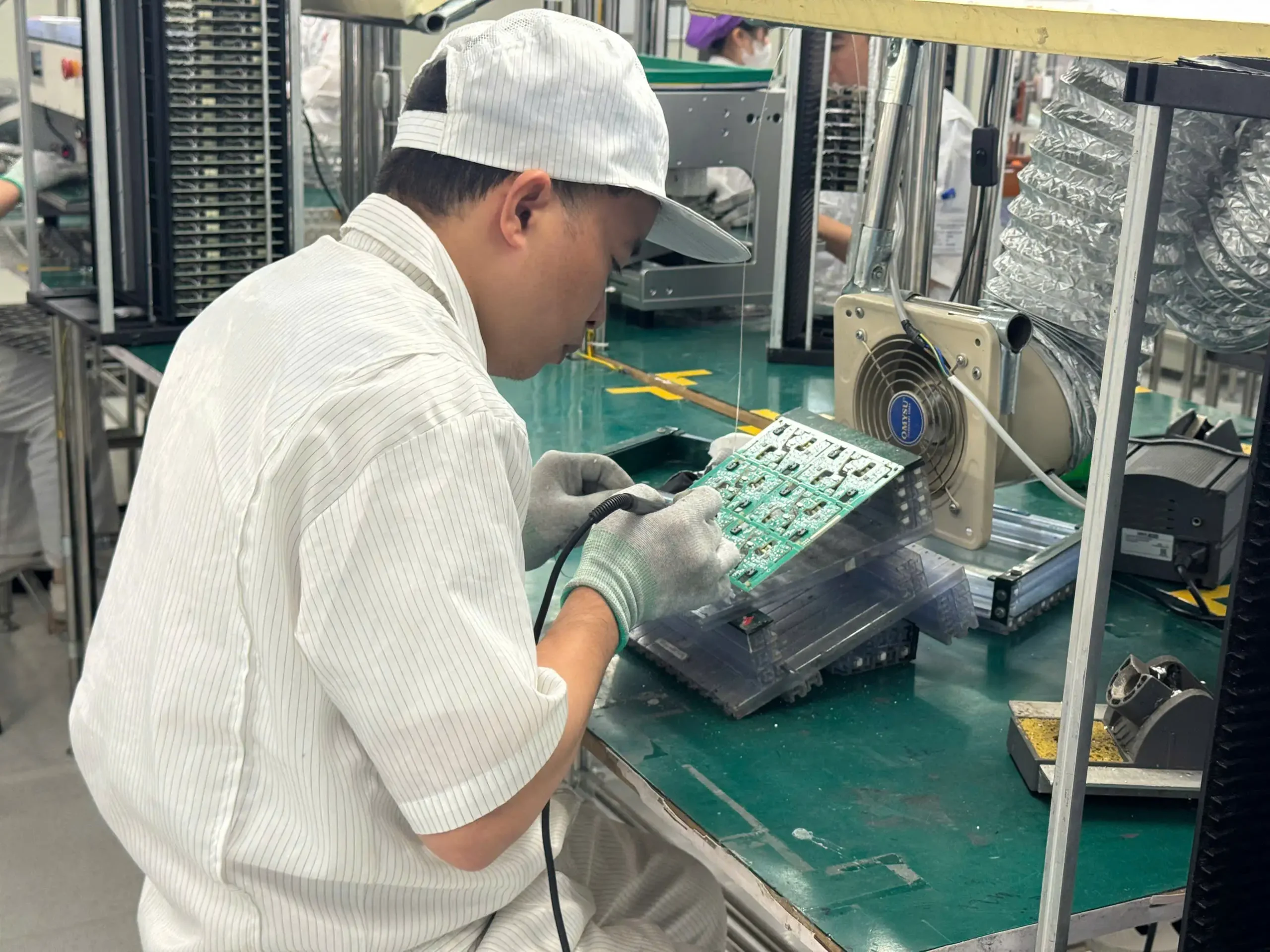
IATF 16949: The Foundation Standard
IATF 16949 is not simply “ISO 9001 for automotive.” It incorporates the full ISO 9001:2015 quality management framework and overlays automotive-specific requirements. In Vietnam’s automotive electronics ecosystem, IATF 16949 certification is now actively pursued by contract manufacturers seeking to serve the Tier-1 supply chain. As of 2025, over 200 Vietnamese manufacturers hold IATF 16949 certification — a number that has tripled since 2020.
APQP and PPAP: The Qualification Process Language
Advanced Product Quality Planning (APQP) and Production Part Approval Process (PPAP) are the automotive industry’s standard frameworks for new product introduction and supplier qualification. PPAP Level 3 — the most common requirement from Tier-1 customers — requires a package of 18 specific documentation elements. Contract manufacturers in Vietnam with genuine automotive experience will understand PPAP requirements without explanation.
The Consumer Electronics vs. Automotive Quality Gap
Many electronics manufacturing companies in Asia excel at consumer electronics PCBA — high-volume, fast-cycle production where a 0.5% defect rate might be acceptable. Automotive electronics operates to fundamentally different standards. Understanding common PCB assembly defects and soldering defects in SMT and wave soldering is essential when evaluating any supplier’s quality maturity. This is a structural difference in quality systems that must be verified at the supplier level, not assumed at the country level.
Part 6: Vietnam’s Key Industrial Zones for Automotive Electronics
Thang Long Industrial Park (Hanoi, Dong Anh District)
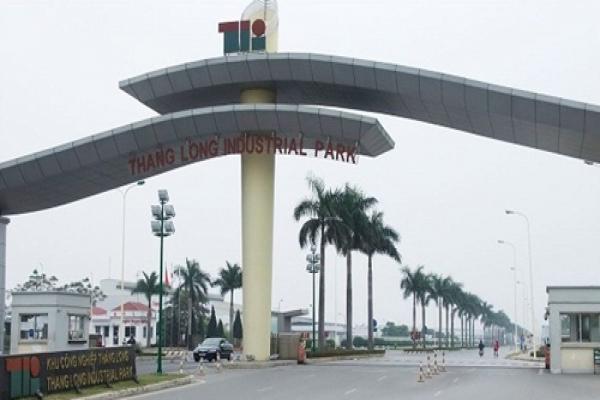
Home to Samsung’s flagship Vietnam manufacturing complex — the world’s largest Samsung mobile phone production facility — Thang Long has developed the densest electronics supplier ecosystem in Vietnam. Sumitomo Electric, Denso, and multiple automotive wiring harness manufacturers operate here. The concentration of automotive and electronics talent makes Thang Long attractive for technically complex requirements, though land costs and labor competition are higher than in newer zones.
VSIP Hai Duong (Cam Giang District, Hai Phong)
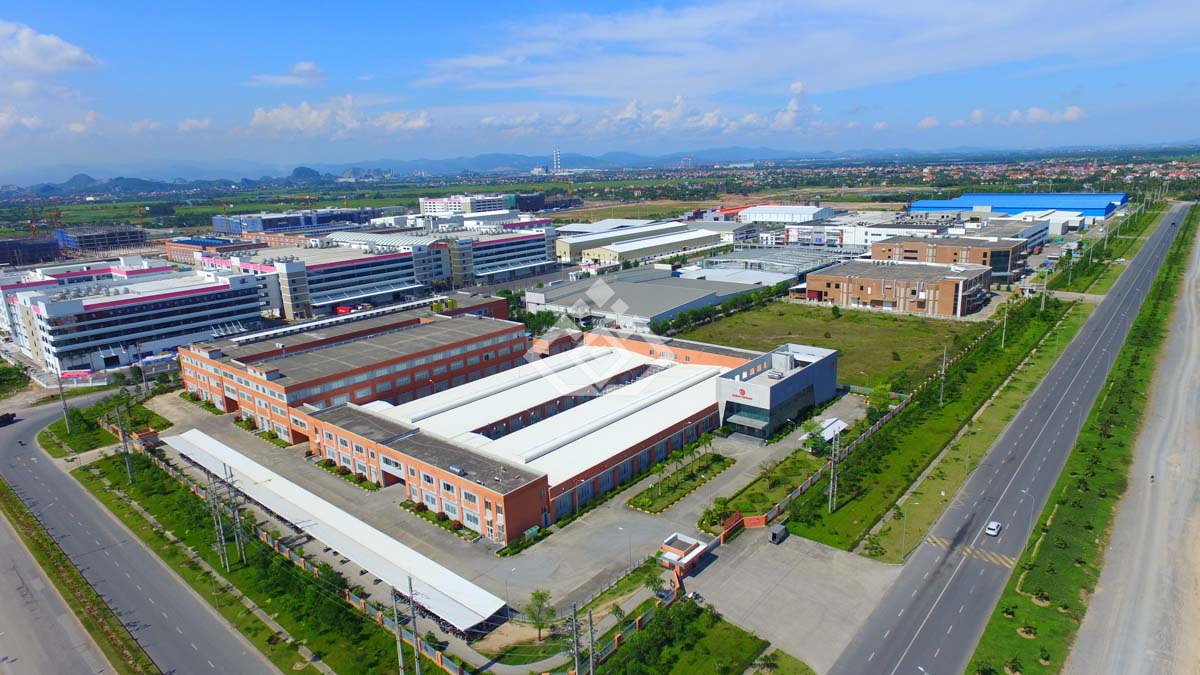
The Vietnam Singapore Industrial Park at Hai Phong — where SHDC Electronics operates — represents the next generation of premium industrial zone development in Vietnam’s northern manufacturing corridor. Located 45km from Hanoi with direct highway access to Hai Phong deep-water port, VSIP Hai Duong offers world-class infrastructure including reliable industrial-grade power, international-standard environmental management, and on-site customs clearance facilities.
For companies evaluating contract electronics manufacturing in Vietnam, VSIP Hai Duong’s location and infrastructure profile make it one of the most compelling options for mid-tier volume requirements.
Long Duc Industrial Park (Dong Nai Province)
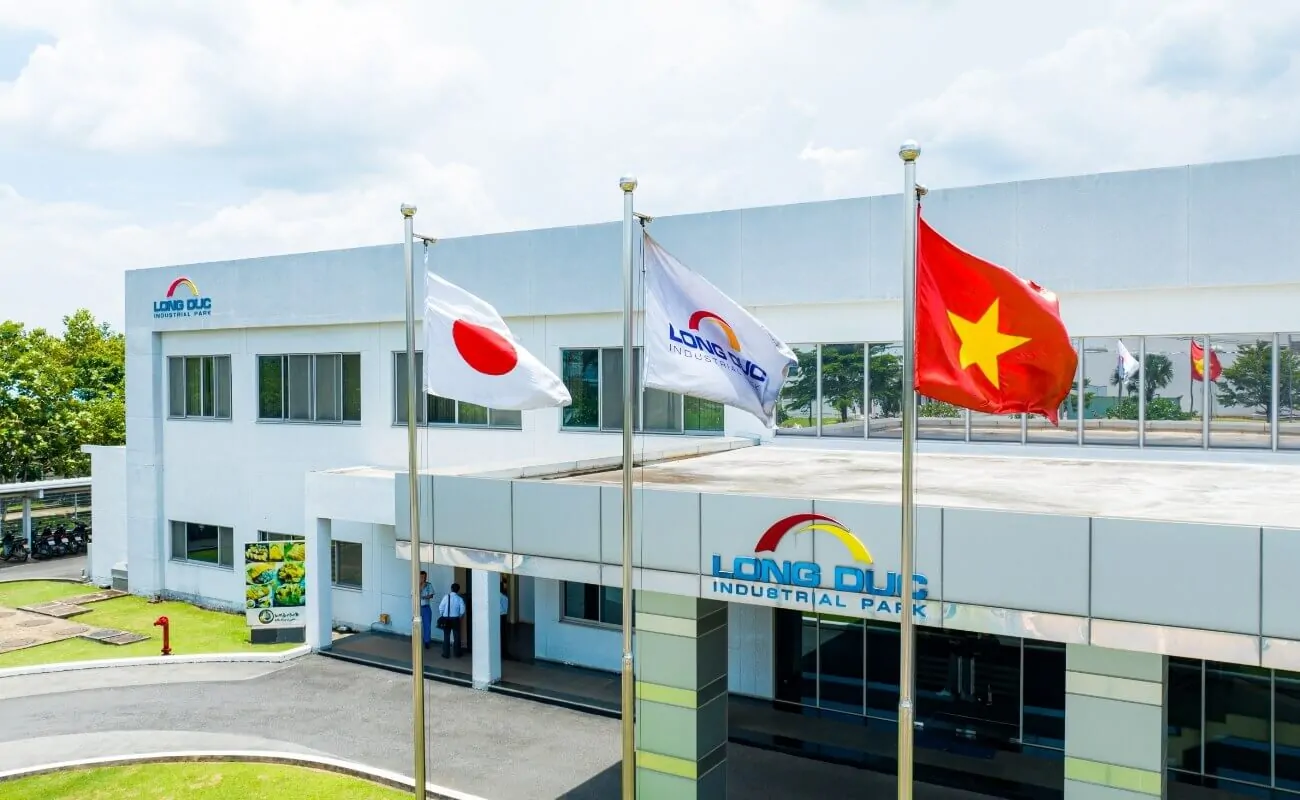
Vietnam’s southern automotive electronics hub, Long Duc is located within the broader Dong Nai automotive cluster that includes Toyota Vietnam, Bosch’s Vietnam operations, and multiple Tier-1 suppliers. For companies supplying southern Vietnam OEMs or seeking proximity to HCMC port logistics, Long Duc represents the primary option.
VSIP Binh Duong
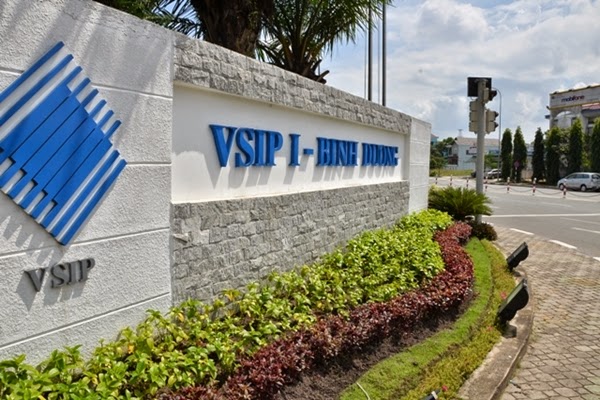
One of Vietnam’s most mature and fully developed industrial zones, VSIP Binh Duong has operated since 1996 and houses a diverse electronics and manufacturing ecosystem. Best suited for companies that prioritize supply chain ecosystem depth over cost optimization.
How Global OEMs and Tier-1 Suppliers Are Using Vietnam — Three Approaches
Approach 1: Full Migration (Wiring Harness Model)
The wiring harness industry represents Vietnam’s most complete automotive electronics migration success story. Companies like Sumitomo Electric and Yazaki moved wiring harness production to Vietnam over a decade ago, replicating their full production systems in Vietnamese facilities. This model works best for labor-intensive assembly with stable product designs and high volume. See 10 reasons to choose contract electronics manufacturing in Vietnam for a broader strategic perspective.
Approach 2: Dual-Source Strategy (PCBA Risk Mitigation)
The most common approach for OEMs and Tier-1 suppliers currently evaluating Vietnam for PCBA contract manufacturing is the dual-source model: qualify a Vietnam-based manufacturer in parallel with maintaining the existing China source, then progressively shift volume as the Vietnam supplier demonstrates quality and delivery performance. This is particularly well-suited for PCBA and electronics subassemblies where the qualification process is manageable (2–6 months).
Approach 3: Vietnam-First for New Programs
The most forward-looking approach — increasingly adopted by companies that have already completed a successful dual-source qualification — is to specify Vietnam-based sourcing for all new product introductions. For procurement teams at companies launching new automotive electronics programs in 2025–2026, this is the recommended strategic posture given the current tariff environment. Alternatives to China PCB assembly provides a detailed comparison of available options.
SHDC Electronics — PCBA and Electronics Manufacturing at VSIP Hai Duong
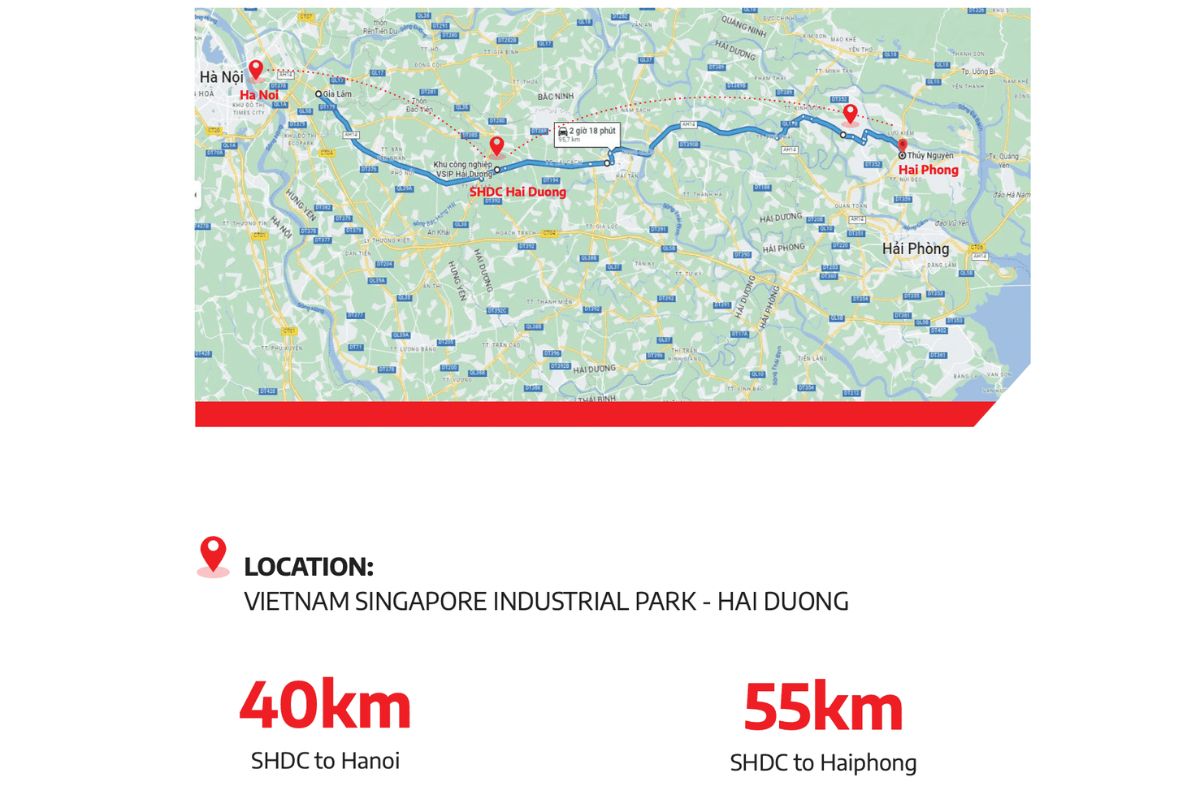
SHDC Electronics (Công ty TNHH Điện tử SHDC) is a 100% Vietnamese-owned electronics manufacturer and a member of NAHACO Group, located at Nhà xưởng A1-2, Lô 5, KCN VSIP Hải Dương, xã Cẩm Điền, huyện Cẩm Giàng, tỉnh Hải Dương — one of Vietnam’s most prestigious international industrial zones.
Core Manufacturing Capabilities
SHDC’s production capabilities are centered on three areas directly relevant to automotive supply chain sourcing:
- PCBA manufacturing: SMT (Surface Mount Technology), THT (Through-Hole Technology), and mixed-technology assembly. SHDC’s PCBA lines are equipped for complex multilayer boards used in control modules, interface electronics, and power management assemblies. Explore the full PCBA manufacturing process and how circuit boards are manufactured.
- OEM and ODM services: SHDC provides full OEM production (manufacturing to customer design) and ODM services (joint product development), making it a viable partner for Tier-2 and Tier-3 automotive electronics suppliers seeking a Vietnam PCBA manufacturer. SHDC also offers turnkey PCB assembly services and full-service EMS in Vietnam.
- Power electronics manufacturing: SHDC specializes in charger and power adapter manufacturing (USB-A, USB-C, GaN technology) — capability directly relevant to EV charging electronics, onboard power management, and DC-DC converter subassemblies. See SHDC’s power electronics manufacturing page for full details.
Leadership and Quality Standards
SHDC’s contract electronics manufacturing services are built on quality frameworks developed at global-scale EMS operations. SHDC’s quality control processes include:
- Incoming material inspection (IQC)
- In-process QC at every production stage
- AOI (Automated Optical Inspection) for PCBA assemblies
- PCBA testing including ICT and FCT
- Pre-shipment OQC inspection
SHDC also complies with IPC standards and ISO standards for manufacturing — standard requirements for any supply chain destined for export markets.
An Important Note for Automotive Procurement Teams
SHDC’s core expertise is in consumer electronics PCBA, OEM/ODM manufacturing, and power electronics — not in IATF 16949-certified automotive production. For procurement teams sourcing for direct automotive safety-critical applications requiring full IATF 16949 qualification, SHDC should be evaluated as a Tier-2 or Tier-3 PCBA supplier providing subassemblies to automotive-certified integrators, or for non-safety-critical automotive electronics applications (infotainment subassemblies, accessory electronics, EV charging equipment for consumer use) where consumer electronics quality standards are applicable.
For automotive electronics applications requiring a high-quality, export-ready Vietnam PCBA partner with competitive pricing, UFLPA-compliant supply chains, and management that understands international OEM client requirements, SHDC is a serious candidate worth evaluating.
The Winsler Brand: Evidence of Full-Stack Capability

SHDC also develops and manufactures the Winsler consumer electronics brand — Vietnam’s own electronics brand designed for domestic and international markets. The existence of a proprietary brand demonstrates SHDC’s capability not merely to execute on customer designs, but to manage the full product development, certification, and manufacturing cycle independently — a meaningful indicator of engineering depth for procurement teams evaluating OEM partners.
Transition Roadmap — 6 Phases from RFQ to Mass Production
A well-managed China-to-Vietnam transition for automotive electronics typically follows this six-phase framework. Total timeline: 6–18 months depending on product complexity, certification requirements, and volume ramp rate.
Phase 1: Market Survey and RFQ (Weeks 1–4)
Identify 3–5 candidate manufacturers in Vietnam based on capability match, industrial zone location, and preliminary certification status. Issue RFQs with complete technical packages. Evaluate responses on total cost (not just unit price), quality system documentation, PCB assembly lead time commitments, and English-language engineering responsiveness. Use the EMS provider selection framework to structure your evaluation.
Phase 2: NDA and Technical Package Transfer (Weeks 2–6)
Execute NDAs with shortlisted suppliers. Transfer full technical documentation: schematics, BOM, Gerber files, assembly drawings, test specifications, and any customer-specific requirements. A supplier’s ability to review and respond to a complete technical package in a reasonable timeframe is itself a qualification data point. Review circuit board fabrication requirements with your shortlisted suppliers at this stage.
Phase 3: Sample Build and Engineering Review (Weeks 6–14)
The Vietnam supplier builds initial samples to the technical specification. Conduct a formal first-article inspection (FAI) and engineering review. For prototype PCBA manufacturing, SHDC supports fast-turnaround prototype PCBA Vietnam builds with quick-turn PCB assembly capabilities. Document all deviations and corrective actions formally.
Phase 4: Qualification and Certification Testing (Weeks 10–22)
Submit samples for any required regulatory or automotive certification testing (CE, E-Mark, REACH, RoHS, AEC-Q component validation). For automotive applications requiring PPAP, prepare and submit the PPAP package per your customer’s requirements. This phase is the most variable in duration — testing labs can have 6–12 week lead times for some certification categories.
Phase 5: Pilot Production Run (Weeks 18–26)
Run a contained pilot production (typically 100–500 units) under production conditions. SHDC supports both low-volume PCB assembly for pilot runs and high-volume PCB assembly services for full production ramp. Complete statistical process control analysis and first-shipment verification against all quality requirements.
Phase 6: Mass Production Ramp and Dual-Source Management (Month 6+)
Begin progressive volume transfer from China to Vietnam. Maintain China as a backup source during the initial ramp period (typically 3–6 months). Establish ongoing supplier management processes: regular quality reviews, capacity planning, forecast sharing, and continuous improvement expectations. SHDC’s global electronics manufacturing services framework supports long-term program management for international OEM clients.
FAQs
Is Vietnam ready to support IATF 16949-certified automotive electronics manufacturing?
Yes — but with important caveats. Vietnam now has over 200 IATF 16949-certified manufacturers (as of 2025), and the number is growing rapidly. However, not all electronics contract manufacturers in Vietnam have pursued automotive certification. Procurement teams must verify certification status at the specific facility level. For non-safety-critical automotive electronics or Tier-2/Tier-3 supply chain applications, non-certified manufacturers with strong consumer electronics quality systems may be appropriate.
How does Vietnam compare to Thailand for automotive electronics manufacturing?
Thailand has a more mature automotive manufacturing ecosystem overall, but Vietnam has a more competitive cost profile and a significantly more favorable tariff situation for U.S.-destined exports. Vietnam offers stronger value for PCBA assembly, subassembly, and electronics component manufacturing at competitive labor rates — particularly for companies with the U.S. as the primary end market.
What U.S. tariff rate applies to automotive electronics from Vietnam?
Vietnam-origin automotive electronics are generally subject to U.S. MFN (Most Favored Nation) tariff rates, typically ranging from 0–15% depending on the specific HTS code classification. This compares to 145% for equivalent products from China under current Section 301 tariffs. The specific rate for your product should be confirmed with a licensed customs broker based on accurate HTS classification.
How long does a typical Vietnam automotive electronics supplier qualification take?
For a straightforward PCBA fabrication subassembly without complex regulatory certification requirements, qualification can be completed in 3–6 months. For applications requiring PPAP Level 3, specific automotive certifications, or IATF 16949 certification of the supplier, 9–18 months is more realistic. Starting the qualification process before the current China supplier contract expires is critical. Review offshore manufacturing risks to plan your transition timeline effectively.
Can Vietnam support EV-specific electronics manufacturing?
Yes, and this is a rapidly growing capability. PCBA for BMS subassemblies, on-board charger assemblies, and power electronics are being manufactured in Vietnam today — both by international Tier-1 suppliers and by capable custom electronics manufacturers in Vietnam. Companies sourcing EV charging electronics will find credible Vietnam options available today.
How do I get an automotive electronics manufacturing quote from SHDC?
The fastest way is to contact SHDC’s team directly with your product specifications, target annual volume, and current sourcing situation. For PCBA and power electronics applications — including automotive subassemblies and EV charging electronics — SHDC’s VSIP Hai Duong facility offers a combination of competitive pricing, experienced management, and UFLPA-compliant supply chains. SHDC is recognized as a trusted non-China PCBA manufacturer for U.S. and global OEMs.
Conclusion: Vietnam Is Not the Future of Automotive Electronics Manufacturing — It’s the Present
The evidence is clear: Vietnam has moved beyond its early reputation as a simple consumer electronics assembly destination to become a legitimate, high-quality option for complex automotive electronics manufacturing. The combination of structural tariff advantages (145% on China vs. 3–15% on Vietnam for U.S. imports), competitive labor costs, rapidly maturing quality systems, and a growing ecosystem of globally experienced EMS companies in Vietnam makes 2026 the right time to act — not the right time to study the situation further.
For global OEMs and Tier-1 suppliers, the strategic question is not whether to develop Vietnam-based automotive electronics sourcing, but how fast and through which specific partners. The manufacturers with Vietnam qualifications completed today will have a structural cost advantage over competitors still running China-only supply chains for the next decade.
Explore the top Vietnam PCB manufacturers for U.S. buyers in 2026 and the top PCBA manufacturers in Vietnam to begin your supplier evaluation.